
Antique Giltwood Seat
An antique giltwood seat brings the warmth of carved gold and period upholstery into a room.
Antique Giltwood Seat
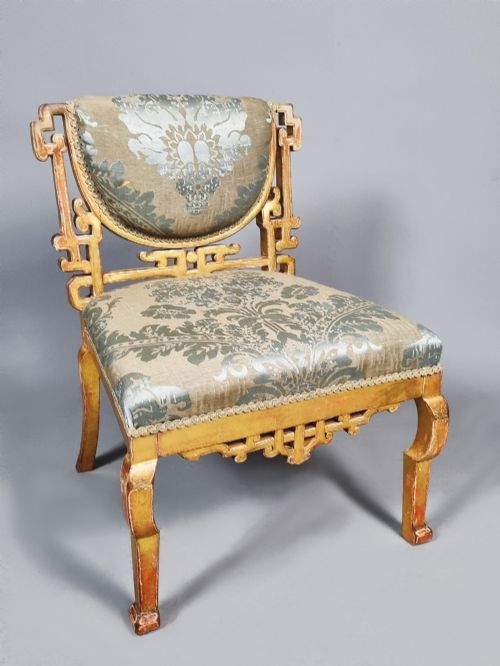
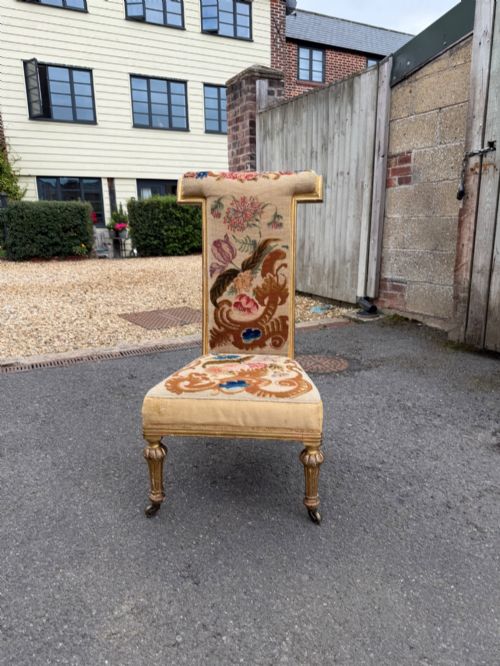
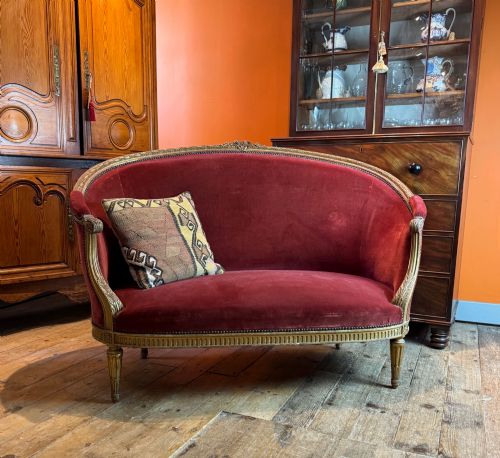
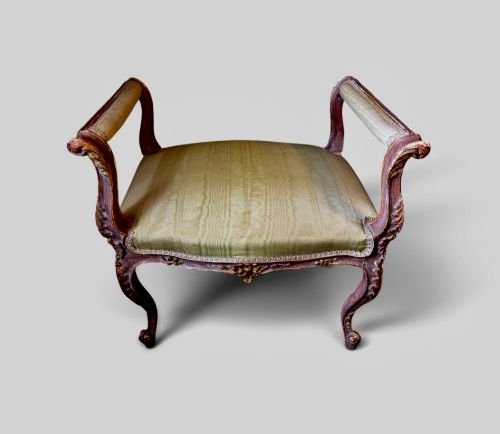
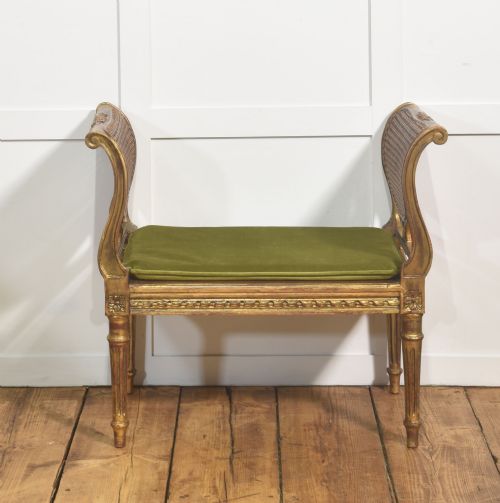
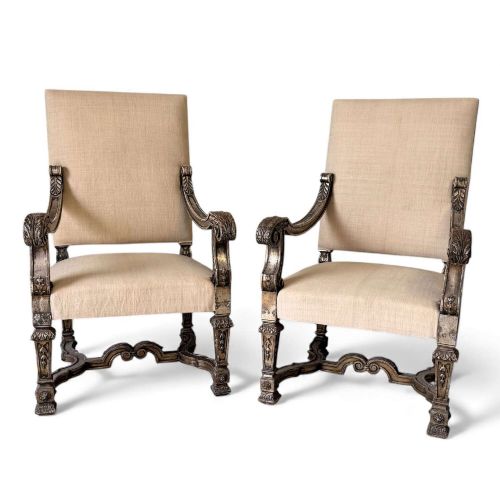
An antique giltwood seat encompasses a wide range of forms designed for the parlour, salon and bedchamber, including armchairs, window seats, stools and settees. When searching for an antique giltwood seat, buyers encounter pieces spanning from the eighteenth century through to the early twentieth century, with nineteenth-century French and Italian revivals appearing most frequently.
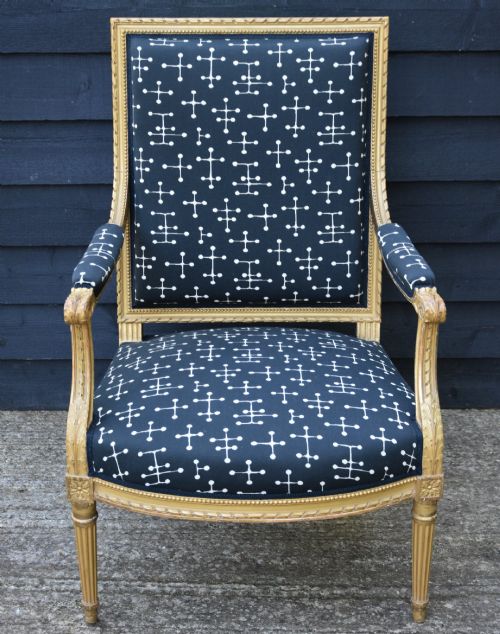
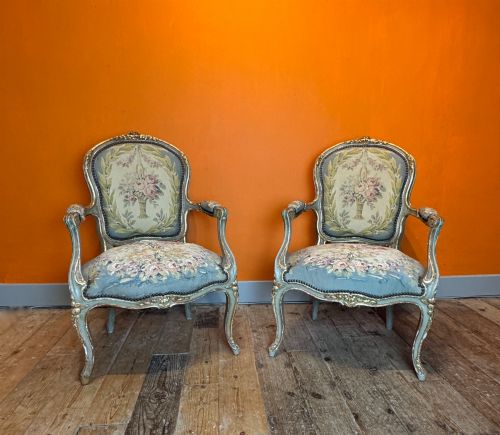
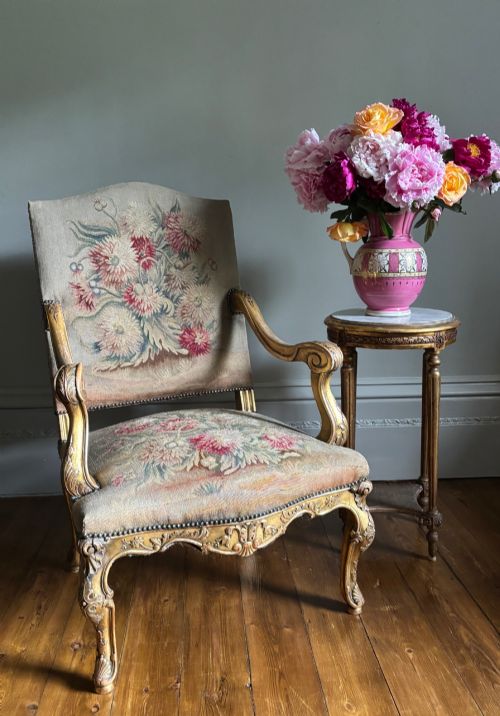
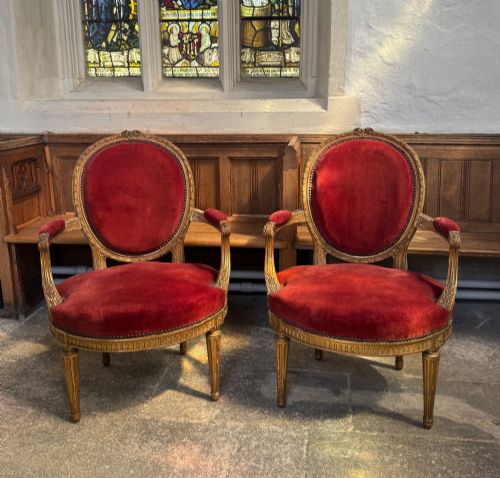
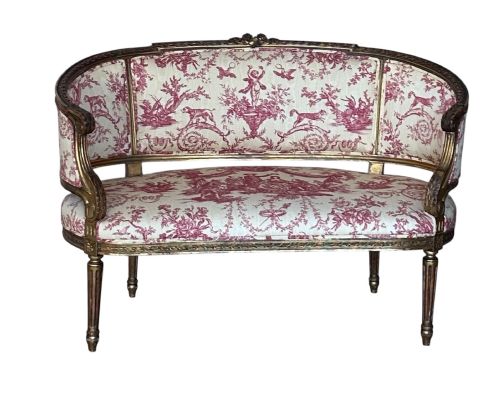
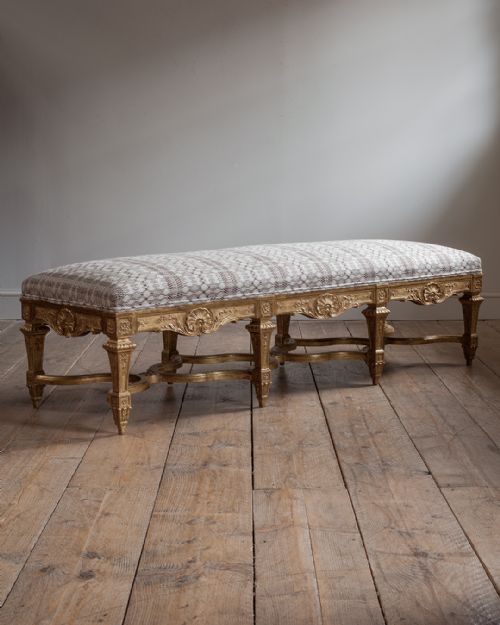
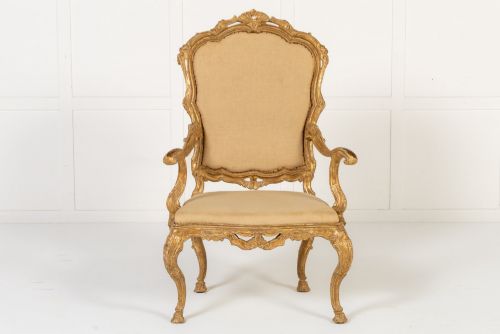
The aesthetic draws heavily on continental design vocabularies such as Louis XVI, Rococo and Regency. Frameworks take the shape of open armchairs, known as fauteuils, alongside larger settees and long benches intended for formal reception rooms.
Origins stretch across English workshops and continental ateliers, particularly in France and Italy. These seating pieces served as focal points for formal display, combining structural timber frames with gilded surfaces.
Materials and construction methods
The underlying framework relies on traditional hardwoods such as beech and general timber, shaped by hand to create curved cabriole legs, carved arm terminals and channelled rails. Joinery employs traditional techniques suited to load-bearing chair frames.
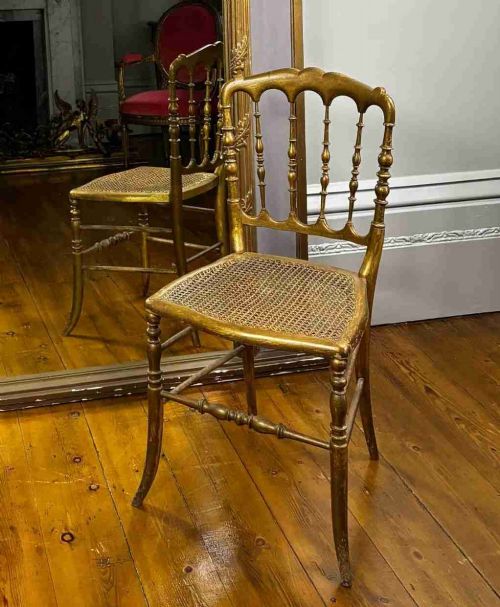
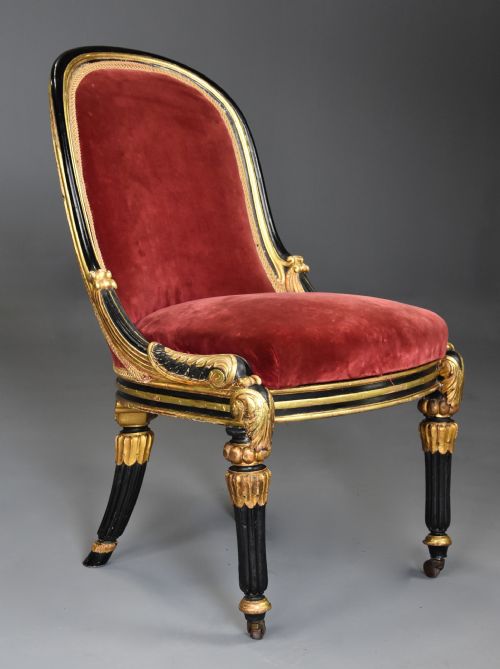
Surfaces are prepared with gesso before receiving layers of gold leaf or metallic application, sometimes combined with parcel gilt or ebonised details. Upholstery materials include contemporary silks, tapestries, velvet, linen and traditional caning.
Nursing chairs sat low to the floor so Victorian ladies could tend babies without tripping over layers of crinoline.
Distinctions in craftsmanship and finish
The depth and crispness of the wood carving distinguish finer examples from standard production pieces, particularly where acanthus leaves, scrollwork and floral motifs define the frame. Crisp undercut carving requires skilled hand labour rather than mechanical shaping.
The application and preservation of the gilt surface dictate the visual impact of the object. High-grade surfaces show subtle burnishing and natural wear that reveals the warm bole beneath the metal leaf, whereas heavy later repainting obscures underlying detail.
Waugh & Son·Blaise Maucuy
The Antique Giltwood Seat Glossary
- Giltwood
- Timber coated with gold leaf over a prepared gesso ground. This finish provides a luminous surface characteristic of formal European seating.
- Canapé
- A decorative settee or sofa designed for multiple occupants. These pieces mirror the stylistic vocabulary of contemporary armchairs.
- Caning
- Woven rattan material used for chair seats and backs. It offers a lightweight and flexible surface popular in eighteenth and nineteenth-century seating.
- Gesso
- A plaster-like mixture applied to timber frames to create a smooth base. Gilders apply this compound before laying down gold leaf.
Antique Giltwood Seat: Frequently Asked Questions
How do I clean an antique giltwood seat?
Dust the gilded frame gently with a soft, dry brush to prevent accumulation of grit. Avoid using water, liquid cleaners or commercial polishes which can strip the delicate gold leaf.
For the upholstery, consult a professional textile conservator depending on whether the fabric is silk, velvet or tapestry. Regular light vacuuming through a mesh screen protects fragile historic textiles.
How can I tell a French style chair from an English one?
French and continental examples often display pronounced curves, floral crestings and upholstered frames following regional revivals like Louis XVI or Rococo. English pieces from similar eras frequently incorporate classical restraint, such as clean lines or Regency ebonised details.
Examining the underlying timber, such as beech on French frames versus native hardwoods on English pieces, helps clarify regional origin.
What is the difference between a fauteuil and a standard armchair?
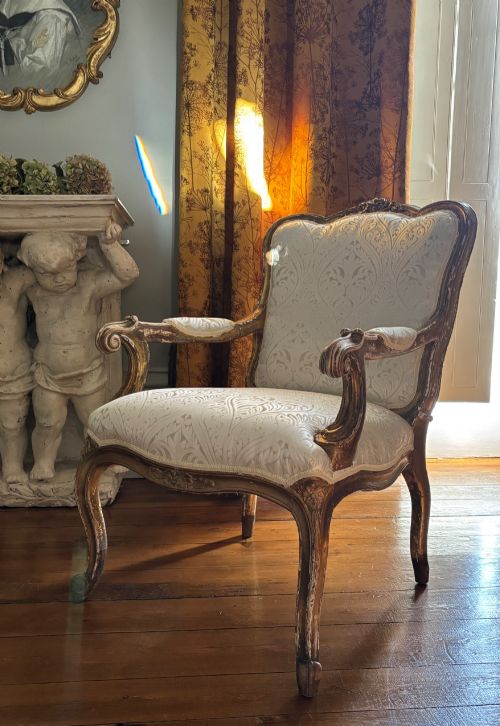
A fauteuil is specifically an open-framed French armchair featuring exposed wooden arms with padded elbow rests. Standard armchairs may feature fully upholstered sides and a different structural proportion.
The open wooden frame of a fauteuil showcases the carved giltwood decoration prominently along the sides and crest rail.