
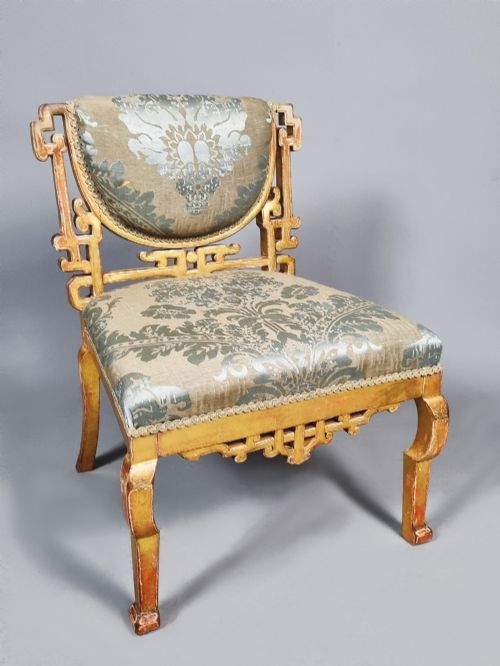
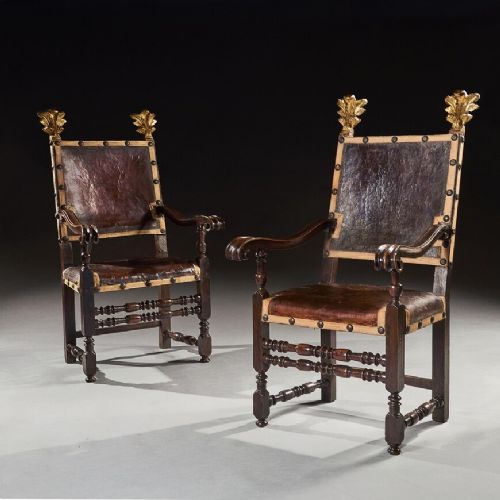
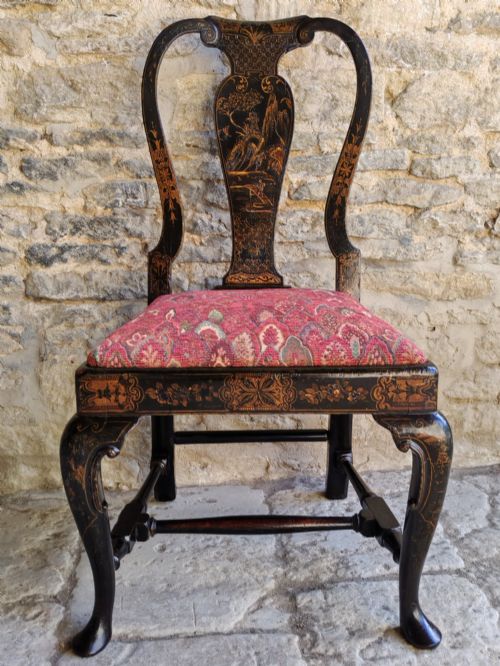

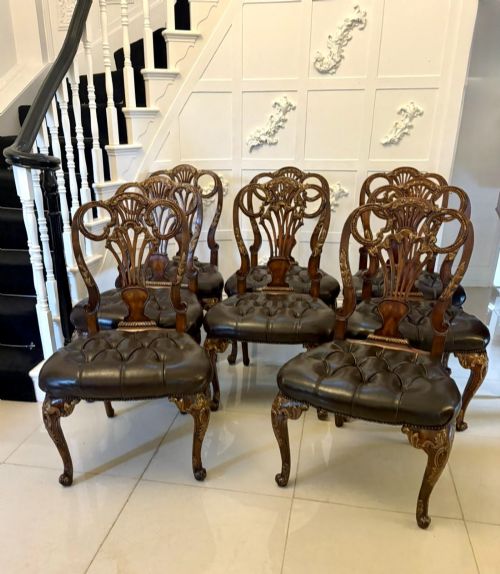
Antique Gilt Chairs
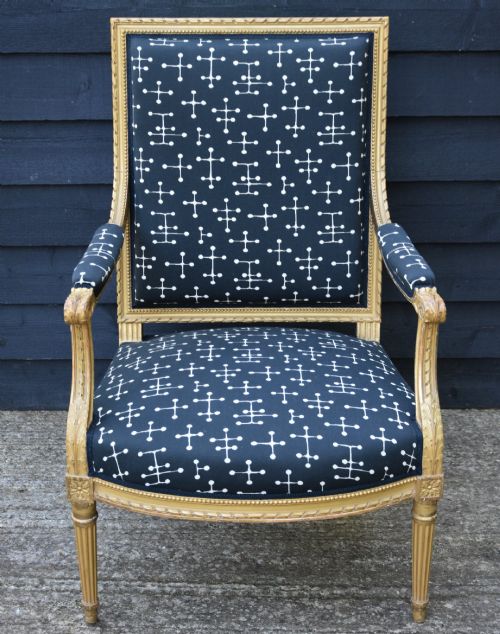
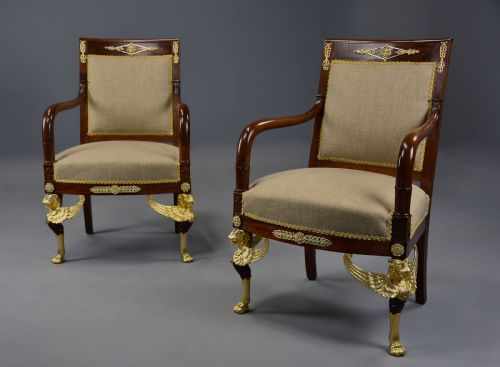
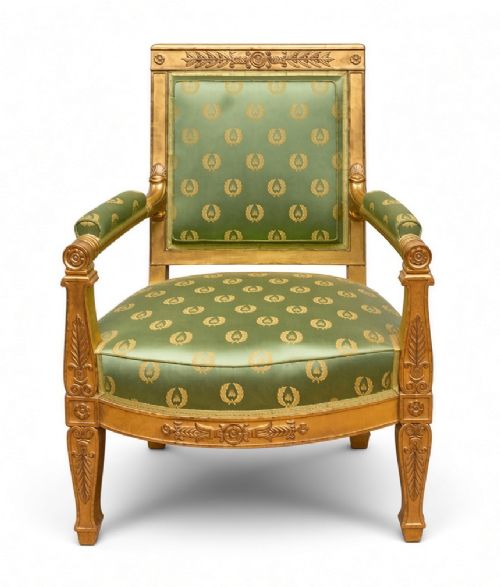
Antique gilt chairs bring French and English formality into a room through carved woodwork finished in gold leaf or gilt paint.
Antique Gilt Chairs
When searching for antique gilt chairs, buyers encounter various seating forms spanning several centuries, including open armchairs, side chairs, salon suites, and bergères. The pieces originate predominantly from 19th-century France and England, alongside earlier 17th and 18th-century examples in Baroque and Rococo styles.
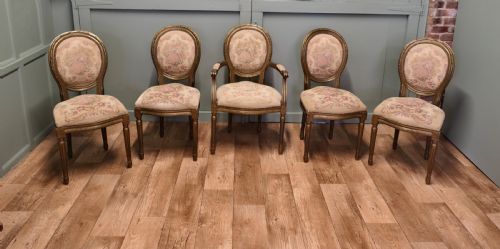
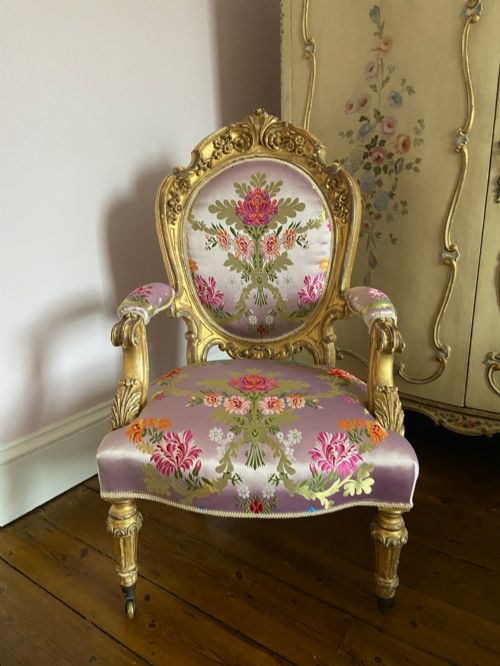
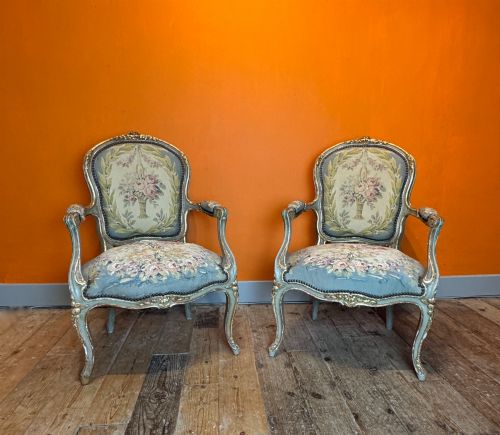
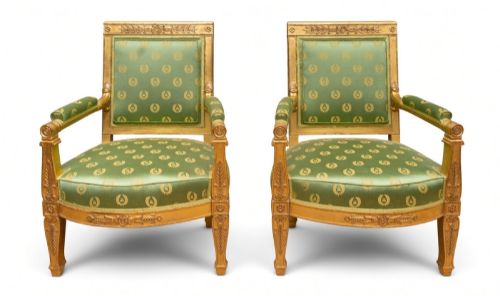
The selection most frequently met on this page consists of 19th-century French giltwood salon chairs and armchairs executed in the Louis XVI style or Louis XV revival taste. These items often appear in pairs or larger matched sets rather than as isolated pieces.
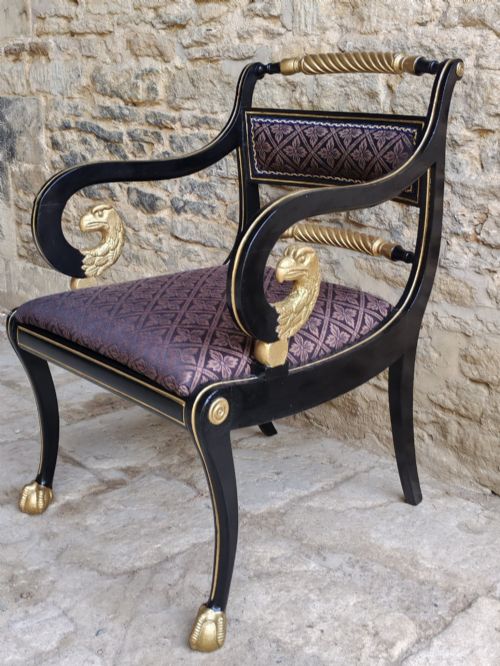
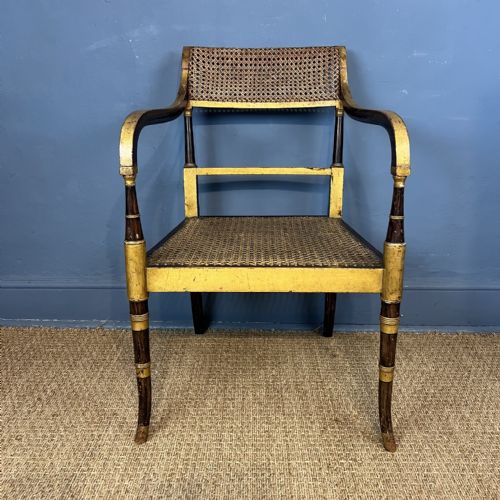
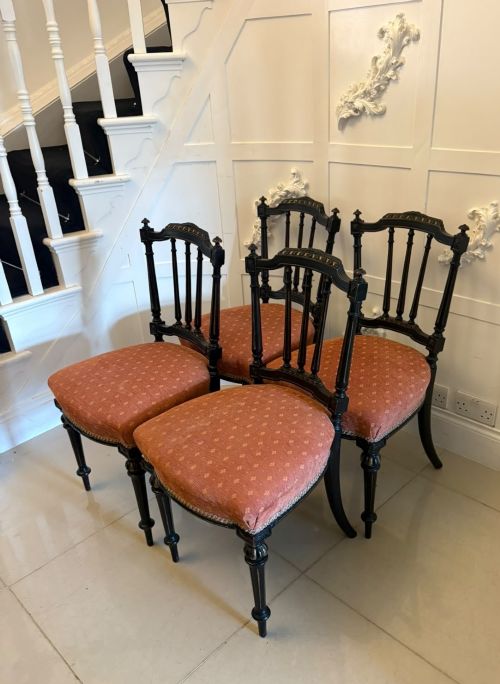
Beyond French salon seating, English Regency ebonised and gilt side chairs and Victorian gilt fireside chairs emerge regularly across the listings. Walnut, mahogany, and beech serve as the primary timber carcase materials beneath the gold leaf or painted finish.
Materials and construction
Makers shaped the structural frames from solid hardwoods like beech, walnut, and mahogany, utilising traditional joinery methods to ensure stability. Carvers then worked directly into the timber or applied composition ornament to create intricate scrollwork, floral motifs, and fluted legs.
Surfaces received a preparation of gesso before the application of thin gold leaf or metallic gilt paint, sometimes combined with ebonised sections or parcel-gilt highlights. Upholstery materials such as silk, velvet, tapestry, leather, or cane completed the seating surfaces, secured with decorative brass or ormolu mounts.
Some Victorian manufacturers offered ebonised chairs with gilt details, letting households bring royal French splendor to sitting rooms on a budget.
Quality distinctions
The distinction between standard commercial seating and exceptional craftsmanship rests in the crispness and depth of the wood carving. High-quality examples display hand-carved details with sharp relief, whereas lesser pieces rely on moulded composition ornaments applied to plain timber.
The integrity of the original gilding and the quality of the underlying gesso layer define another tier of excellence. Pieces retaining their original gold leaf without excessive modern touching-up command greater appreciation than those with heavy, flat repaint finishes.
Jacob Desmalter·Blaise Maucuy
The Antique Gilt Chairs Glossary
- Giltwood
- Wood that has been coated with gold leaf over a prepared gesso ground. This traditional surface treatment provides a warm metallic lustre that patinates gently over time.
- Fauteuil
- An open-arm armchair with upholstered back and seat, featuring exposed wooden arms. These French chairs typically date from the 18th and 19th centuries.
- Bergère
- An enclosed upholstered armchair featuring padded sides and a built-in upholstered cushion. The design originated in France during the 18th century.
- Ormolu
- Gilded bronze mounts applied as decorative accents to furniture frames. The technique gained widespread popularity in French neoclassical and empire furniture.
- Parcel-gilt
- A decorative treatment where only specific carved portions of a painted or stained wooden surface are gilded. This technique accentuates particular architectural details of the frame.
Antique Gilt Chairs: Frequently Asked Questions
How do I identify Louis XVI style chairs?
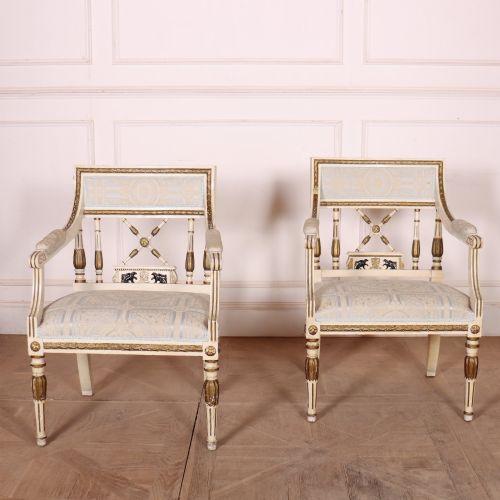
Louis XVI style seating is distinguished by straight, fluted legs, geometric shapes, and neoclassical motifs like ribbons and acanthus leaves. The frames favor rectangular or oval backs rather than the flowing curves typical of earlier rococo designs.
Craftsmen working in this idiom aimed for architectural restraint and classical proportion. The resulting chairs provide a formal silhouette that contrasts with the softer outlines of Louis XV models.
Were these chairs used for daily dining?
Many of the side chairs and elbow chairs listed were created for formal dining rooms, drawing rooms, or salons rather than rough everyday use. Elaborate gilt finishes and delicate silk or tapestry upholstery indicate they belonged in reception spaces.
Owners typically utilised them for entertaining guests or ceremonial seating rather than casual relaxation. Consequently, surviving examples often retain their decorative integrity.
How do I care for antique gilding?
Antique gilt surfaces require protection from direct sunlight, excessive moisture, and physical abrasion. Dusting should be performed gently using a soft, dry brush without applying liquid cleaners or commercial polishes.
Maintaining a stable indoor humidity level prevents the underlying gesso and wood from expanding or contracting. This care ensures the delicate gold leaf remains intact on the carved frame.
What is the difference between giltwood and gilt finish?
Giltwood denotes solid timber covered with genuine gold leaf applied over a chalk and glue gesso base. Gilt finish generally describes items treated with metallic paint or modern gilding compositions.
Examining the surface under magnification often reveals the subtle seams of beaten gold leaf on traditional giltwood. Painted finishes tend to present a more uniform, flat metallic appearance across the carved details.