


Antique Gillows Cupboard
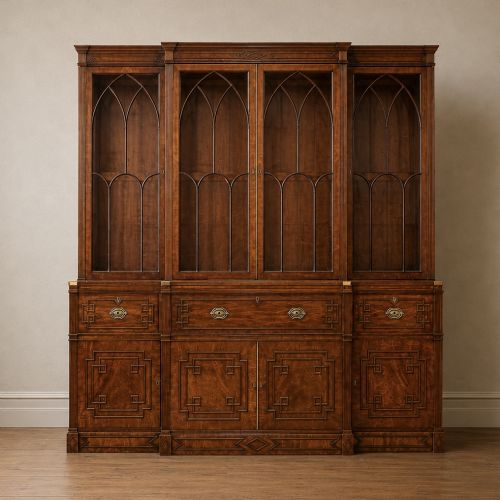
An antique gillows cupboard represents the pinnacle of Lancashire cabinet-making, offering refined storage through disciplined proportions and exceptional timber.
Antique Gillows Cupboard
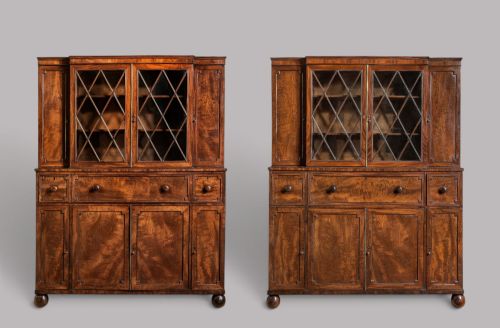
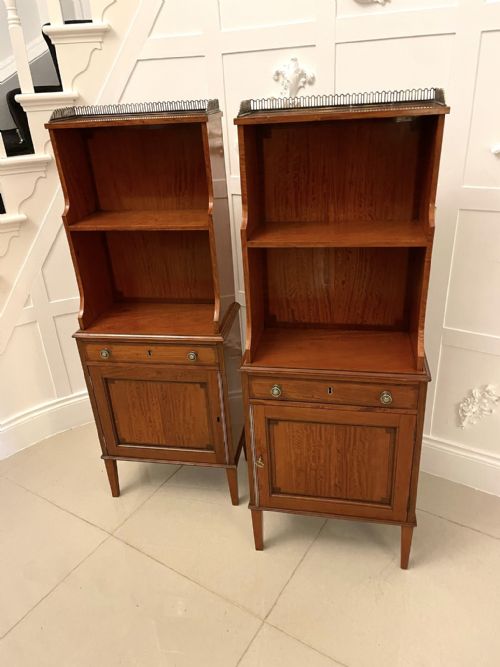
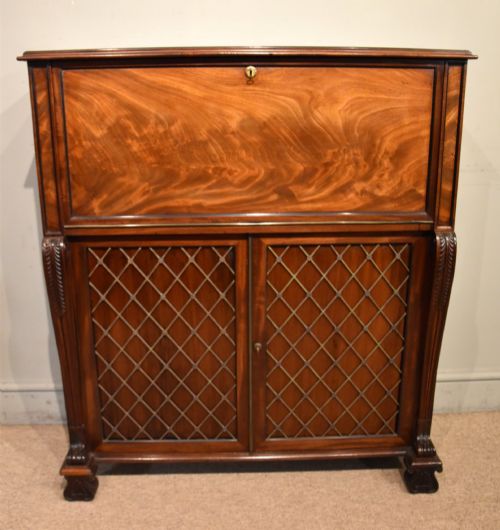
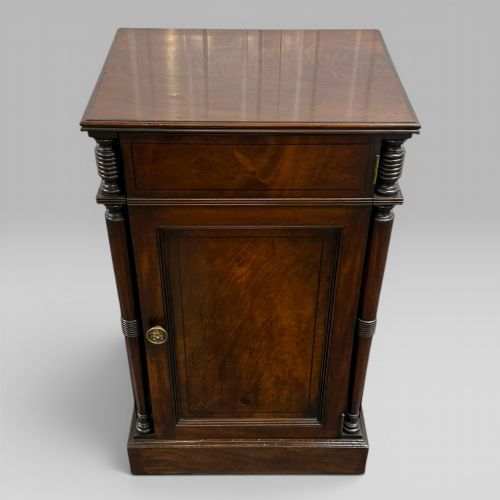
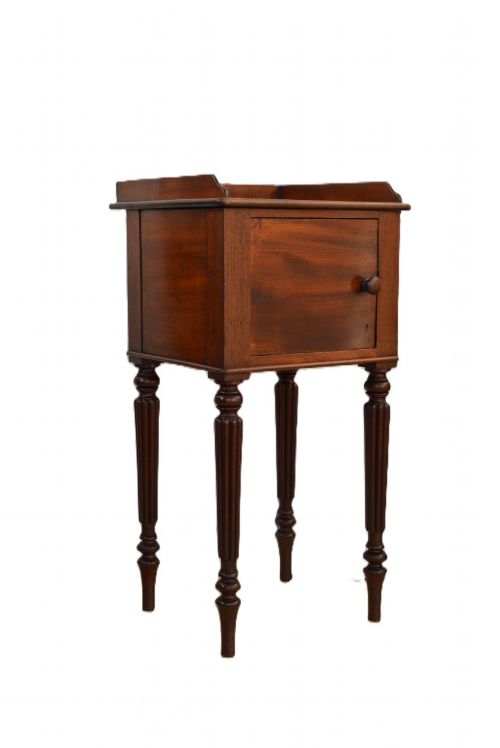
An antique gillows cupboard encompasses a range of refined storage forms, from bedside cabinets and pot cupboards to larger dwarf linen presses and secretaire units. The pieces appearing most frequently span the Georgian and Regency periods, characterised by disciplined proportions and utilitarian elegance.
Makers from this firm approached storage with structural clarity, often combining cupboard doors with sliding linen trays, drawers, or drop-down writing desks. These functional designs reflect the firm's origins in Lancaster and London, serving domestic interiors that demanded both utility and decorum.
Buyers encountering these pieces will observe diverse regional and stylistic expressions, including George III mahogany presses and later satinwood or oak interpretations. The common thread remains a commitment to solid carcases and sensible internal organisation rather than superfluous ornamentation.
Materials and construction methods
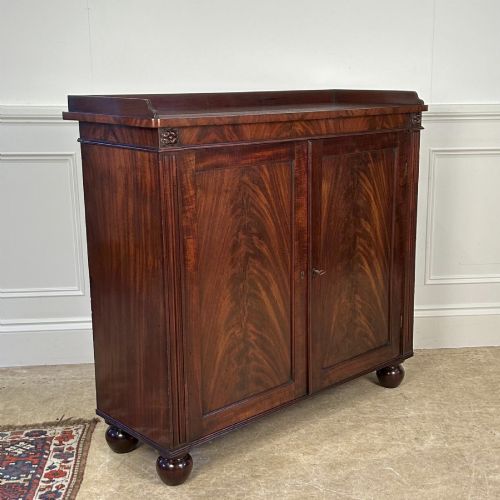
Workshops relied predominantly on dense mahogany, frequently utilising flame mahogany veneer on primary surfaces to create natural geometric patterns. Secondary timbers such as oak appeared internally for drawer linings and carcase backs, ensuring lasting structural stability.
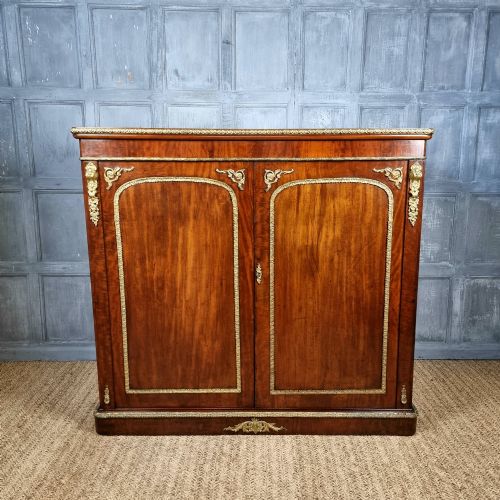
Joinery techniques involved precise dovetailing for drawers and robust frame-and-panel construction for doors, supporting heavy use without warping. Brass hardware, reeded legs, and occasional gilt details were integrated securely into the carcase rather than merely applied as surface decoration.
Plate-warmer pedestals offered eighteenth-century diners the luxury of hot dinner plates brought directly to the sideboard by discreet servants.
Distinguishing grades of craftsmanship
The division between standard output and the finest examples rests on the selection of timber figures and the crispness of mouldings. Workshops reserved heavily figured flame mahogany and intricate satinwood inlay for commissions that required higher visual polish.
Internal execution reveals the true tier of a piece, separating workshop stock from lesser regional copies. Superior examples feature cleanly finished secondary woods, smoothly running drawers, and substantial brass locks rather than lightweight commercial ironmongery.
Gillows·Waring and Gillow·Bruce Talbert
The Antique Gillows Cupboard Glossary
- Secretaire
- A writing cabinet featuring a fall-front drawer that conceals a fitted interior of small drawers and pigeonholes. This hybrid form allowed storage and writing to occupy a single footprint.
- Press cupboard
- A large piece of case furniture combining upper hanging space or sliding linen trays with lower drawers or doors. They were essential for storing folded textiles before modern wardrobes became standard.
- Pot cupboard
- A small bedside cabinet designed originally to house a chamber pot behind a single door. These compact units frequently feature marble tops or gallery rails.
- Flame mahogany
- A veneer cut from the fork of the mahogany tree where branches meet the trunk, producing a distinctive flickering flame pattern. Cabinet-makers balanced these striking grain patterns symmetrically across cabinet doors.
- Reeded moulding
- A decorative series of parallel convex ridges carved directly into solid timber legs or architectural details. This classical detail provides texture without breaking the clean lines of Regency design.
Antique Gillows Cupboard: Frequently Asked Questions
How do I identify a genuine Gillows piece?
Authentic pieces often bear stamped signatures on drawer edges or carcase tops, though many genuine items rely on structural markers such as specific dovetailing and Lancaster-style proportions.
Documentation, provenance, and characteristic hardware choices provide additional confidence when physical stamps are absent from the timber.
Where were these cupboards placed in period homes?
Bedside cabinets and pot cupboards sat adjacent to sleeping quarters, while larger press cupboards and secretaires belonged in dressing rooms, libraries, or parlours.
Their functional interiors meant they were working furniture designed to keep textiles and papers concealed from daily view.
How should I care for antique mahogany surfaces?
Maintain timber surfaces by dusting with a dry lint-free cloth and applying occasional quality beeswax to nourish the dry grain. Avoid placement near direct heat sources or strong sunlight to prevent veneer splitting and fading.
Regular care preserves the natural lustre of the polished mahogany without building up heavy wax residues.
What is the difference between a press and a wardrobe?
A press incorporates sliding trays or shelves behind upper doors, originally designed for storing folded linens and clothes rather than hanging garments. Wardrobes emerged later as full-length hanging spaces became standard domestic requirements.
Many antique cupboards retain their original internal trays, which collectors value for authenticity.