

Gillows Furniture
Gillows furniture represents cabinet-making of serious pedigree, prized by collectors for exemplary construction and enduring utility.
Gillows Furniture
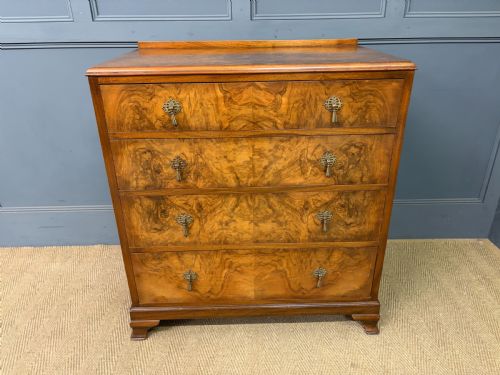
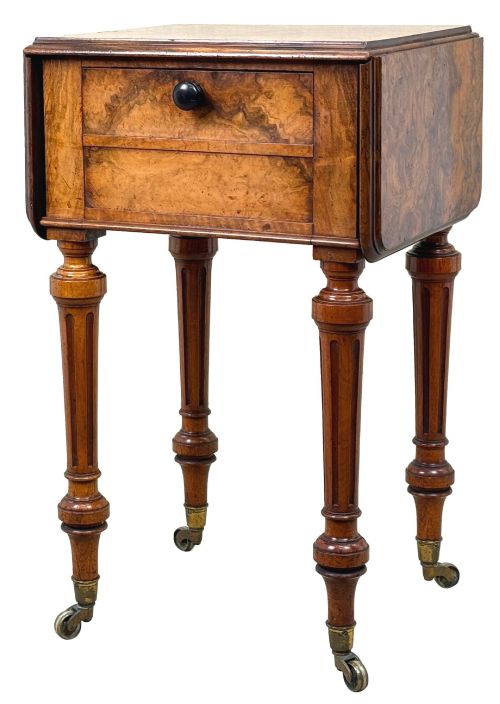
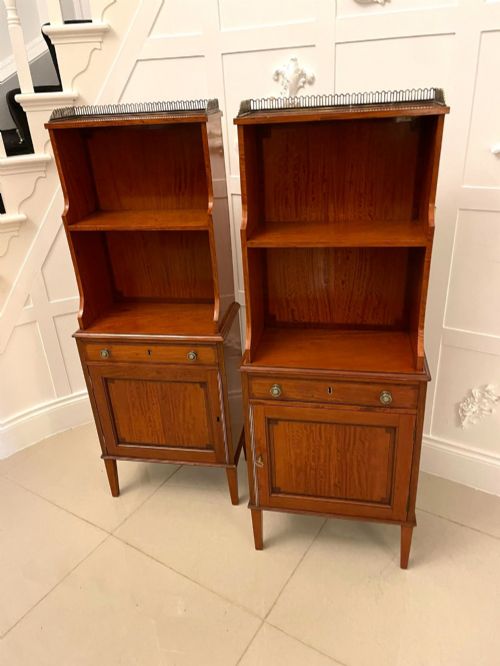
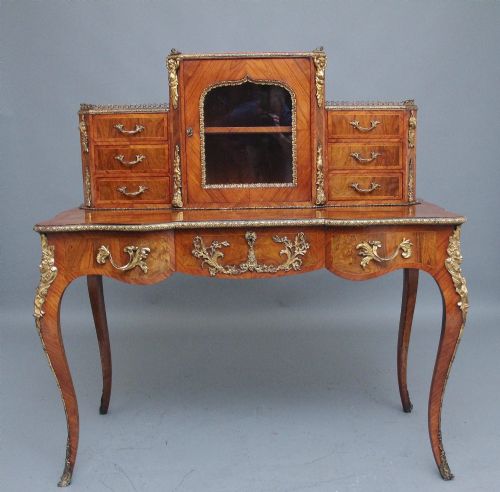
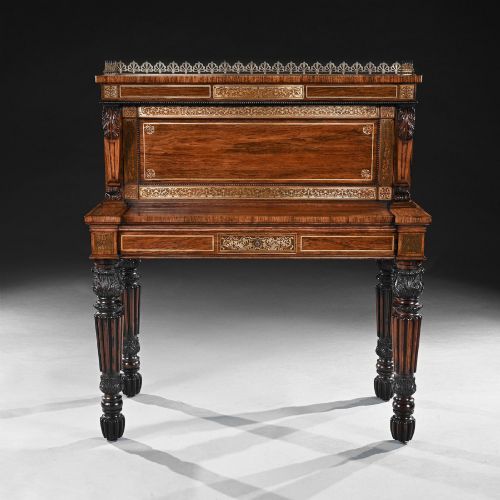
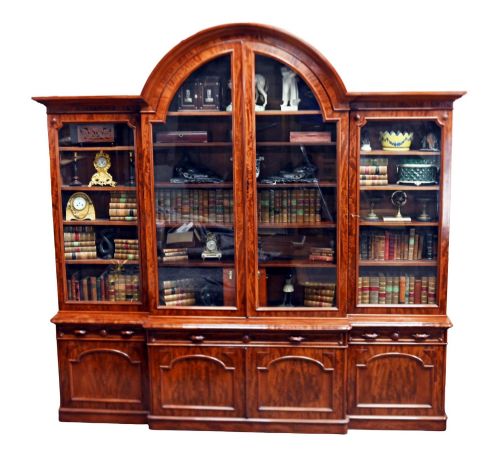
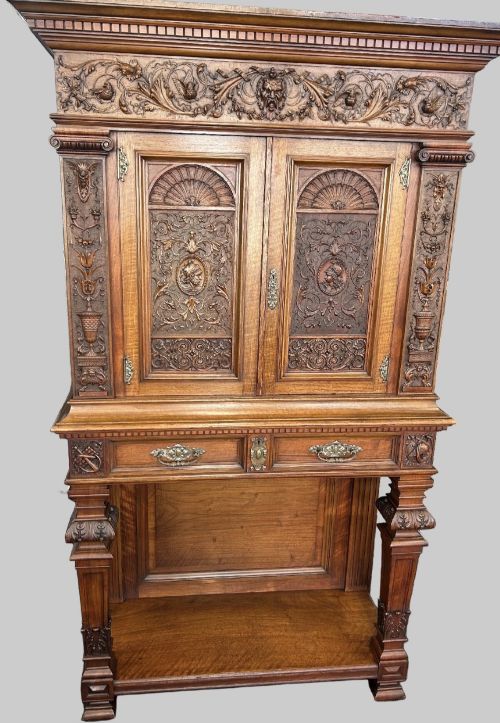
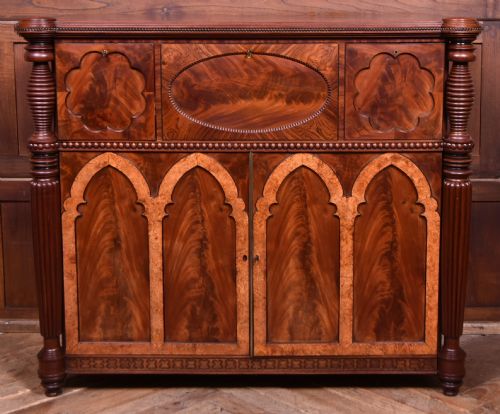
When searching for gillows furniture, buyers encounter pieces spanning the Georgian, Regency, and Victorian periods, along with later twentieth-century iterations from Waring & Gillow. The selection on this page includes practical forms such as side tables, desks, bookcases, chests of drawers, and dining tables.
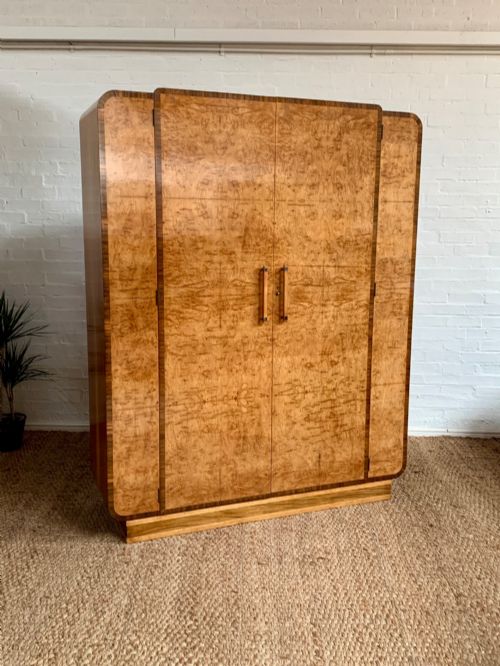
Originating primarily from workshops in Lancaster and London, these items range from George III dining tables to Victorian walnut desks and Art Deco burr walnut wardrobes. The typical pieces available demonstrate the firm's transition from classical eighteenth-century designs through nineteenth-century revival styles to early twentieth-century modernism.
How it was made
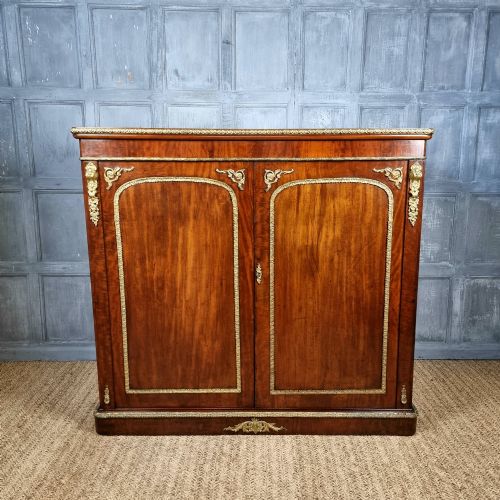
Makers utilised dense timbers such as mahogany, rosewood, burr walnut, and oak, often pairing them with brass inlay, ormolu mounts, and leather writing surfaces. Grain selection was paramount, with burr veneers chosen for decorative impact on larger surfaces like wardrobes and credenzas.
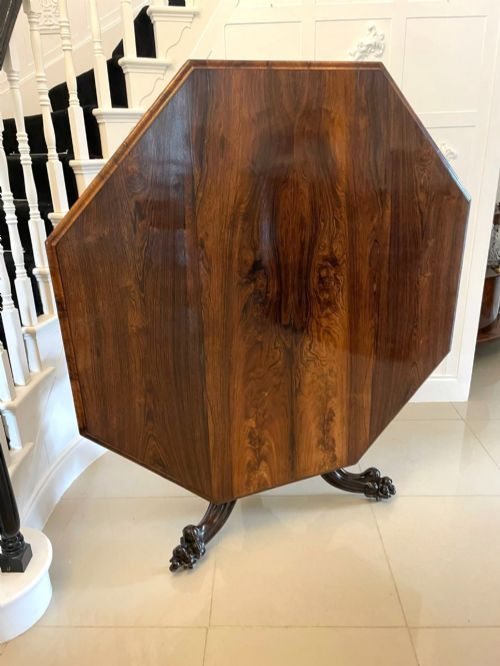
Construction methods involved precise joinery tailored to the specific form, whether the structural framing of a breakfront bookcase or the pivoting mechanism of a tilt-top tripod table. Brass fittings and glass panels completed pieces designed for daily domestic service or formal reception rooms.
Gillows Furniture Retail Price Guide 2026
Typical asking prices for gillows furniture among the pieces listed under this phrase on Sellingantiques today, from the lower quarter to the upper quarter. They describe what is for sale here now, not the wider market.
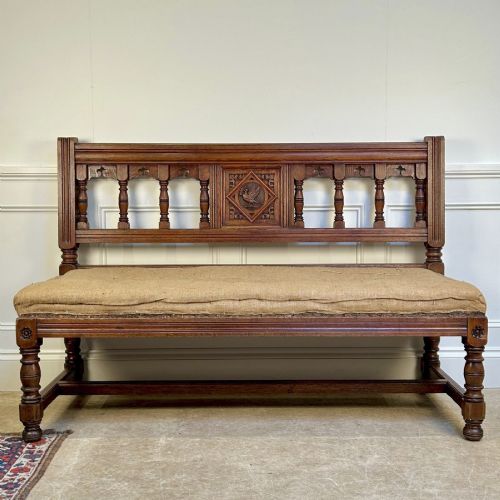
Listings feature mahogany, rosewood, and burr walnut across forms ranging from Davenport desks to Gothic Revival hall chairs.
What varies in quality
Quality rests upon the selection of timber veneers and the crispness of carved details, distinguishing standard workshop production from exceptional bespoke commissions. Pieces bearing physical stamps or clear documentary attribution generally hold greater interest for collectors.
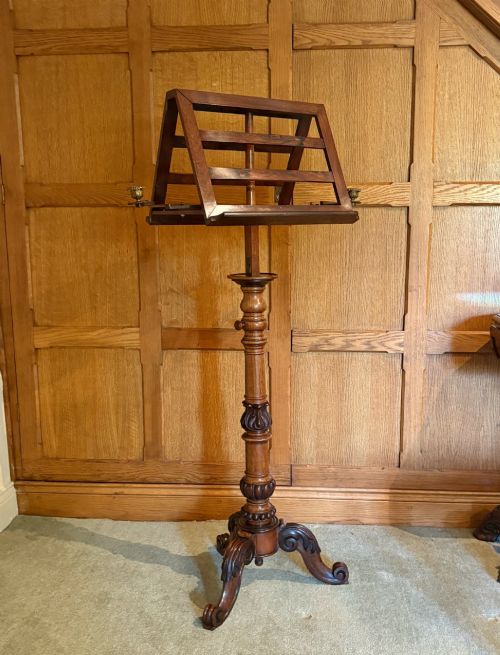
The sophistication of internal mechanics, such as secretaire drawers, rising music stands, and extending dining mechanisms, determines the tier of execution. Subtle proportions and restraint in ornament separate superior domestic items from heavier, overly ornate examples.
Gillows of Lancaster·Waring and Gillow
The Gillows Furniture Glossary
- Secretaire
- A cabinet or desk featuring a pull-down writing drawer that conceals smaller compartments and pigeonholes. This form offers a compact writing surface without sacrificing storage space.
- Davenport
- A small, boxy writing desk with a sloping lid, supported by columns or drawers to one side. It typically incorporates a set of small drawers accessed from the flank.
- Cellarette
- A lockable container used for storing wine bottles near the dining table, often lined with lead or partitioned. These items frequently stand on sturdy legs or castors.
- Ormolu
- Gilded bronze used for decorative mounts and furniture highlights, popular in neoclassical and revival schemes. It provides a metallic contrast against dark woods like rosewood and mahogany.
- Whatnot
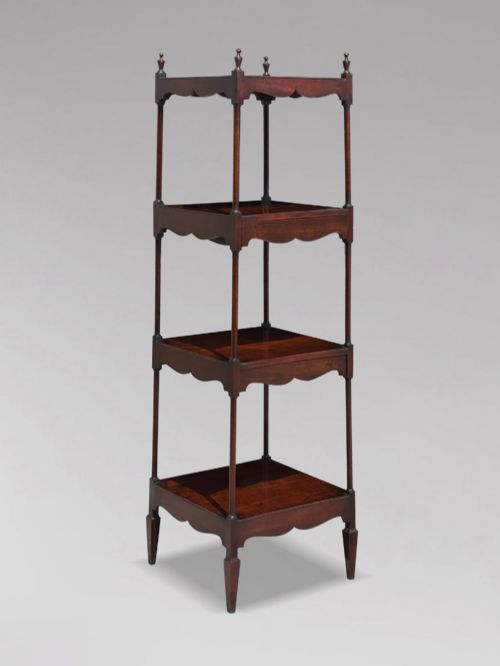
- An open set of tiered shelves used for displaying ornaments, books, or small possessions. This lightweight piece of furniture became common during the eighteenth and nineteenth centuries.
Gillows Furniture: Frequently Asked Questions
How do I identify Gillows furniture?
Authentic pieces often bear a stamped signature, typically reading Gillows or Gillow & Lancaster, pressed directly onto the wood inside a drawer or along a rail. Attribution also relies on distinct structural hallmarks, high-grade secondary timbers, and specific joinery habits documented in the firm's records.
Where stamps are absent, stylistic markers such as specific brass hardware designs, clever mechanical fittings, and particular proportions help connect a piece to the Lancaster or London workshops.
What periods do these pieces cover?
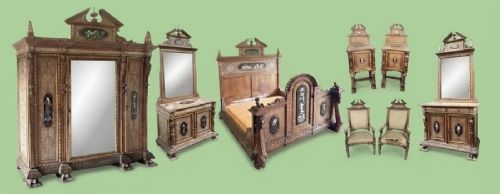
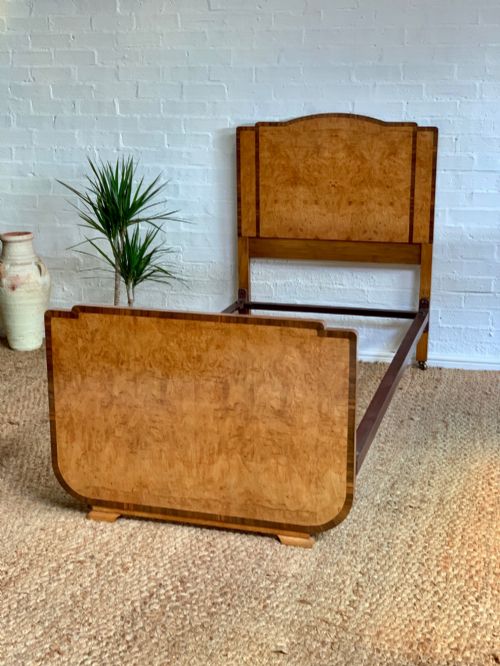
The inventory spans the eighteenth, nineteenth, and early twentieth centuries, reflecting the firm's long operational history from the Georgian era through to the Art Deco period. Regency and Victorian examples appear frequently, alongside George III dining tables and later twentieth-century Waring & Gillow bedroom suites.
Stylistic shifts trace the transition from classical mahogany forms to elaborate Victorian Gothic Revival pieces and streamlined walnut designs of the nineteen-thirties.
How were these tables and desks used?
Dining tables, cellarettes, and side tables served formal dining and entertaining in substantial country houses and town residences. Desks, Davenport chests, and folio stands catered to private correspondence, estate management, and library study.
Many forms were multi-functional, such as games tables with reversible tops or writing tables fitted with hidden compartments for ledgers and stationery.
How should I care for rosewood and mahogany?
Maintain stable indoor humidity levels and keep wooden surfaces away from direct sunlight and heat sources to prevent timber splitting or veneer lifting. Regular dusting with a soft, dry cloth preserves the polished finish without requiring heavy wax applications.
Leather inserts on writing desks benefit from occasional specialist conditioning to keep the material supple and prevent cracking over time.