



Antique Two Door Commode
An antique two door commode provides practical storage with a traditional double-door silhouette, appearing across Georgian, Edwardian, and nineteenth-century periods.
Antique Two Door Commode
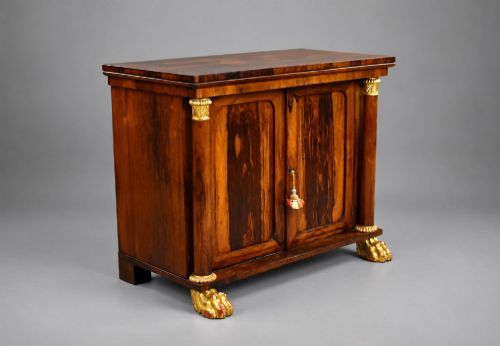
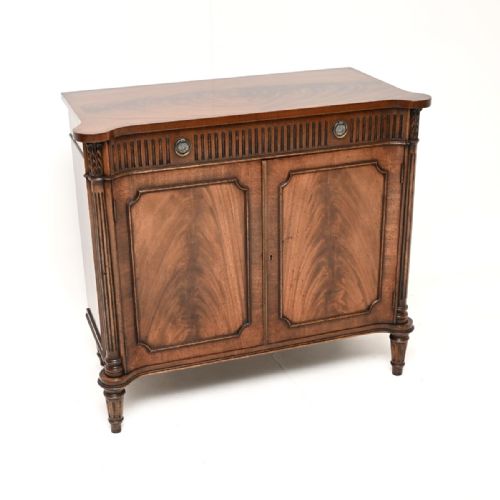
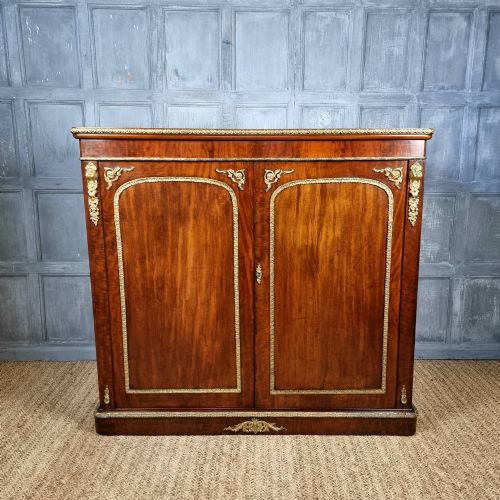
The antique two door commode category encompasses timber side cabinets, cupboards, and enclosed storage pieces designed with double doors. These items appear across various periods including Georgian, Edwardian, and nineteenth-century eras, reflecting diverse regional craftsmanship.
Buyers frequently encounter mahogany and pine constructions among these listings, alongside satinwood and walnut examples. Styles range from French provincial and Louis XV to Regency, Grand Regency, and Queen Anne influences, as well as Scandinavian country painted finishes.
Materials and construction methods
Cabinet makers utilised primary timbers such as mahogany, flame mahogany, walnut, satinwood, and pine to build these double door carcasses. Joinery methods varied from traditional cabinet making to campaign construction, incorporating brass hardware and occasionally ormolu mounts.
Surface finishes include traditional paint for Scandinavian pieces, alongside polished mahogany and intricate inlaid details on Georgian and Edwardian examples. Brass fittings and mounts secure the doors and provide structural reinforcement.
Antique Two Door Commode Retail Price Guide 2026
Typical asking prices for two door commode among the pieces listed under this phrase on Sellingantiques today, from the lower quarter to the upper quarter. They describe what is for sale here now, not the wider market.
Current listings feature pieces spanning the Georgian period, nineteenth century, and Edwardian era, constructed from mahogany, pine, and satinwood.
Assessing quality in double door cabinets
Quality reveals itself in the selection of timber veneers, such as flame mahogany or satinwood, and the precision of inlaid details. Superior examples display careful attention to timber grain matching and the refinement of brass or ormolu hardware.
Construction integrity distinguishes standard utilitarian cupboards from finer decorative pieces, particularly in the alignment of double doors and the execution of period styles like Queen Anne or Grand Regency.
Gillows
The Antique Two Door Commode Glossary
- Commode
- A low cabinet or chest of drawers, typically featuring two doors enclosing shelf space. These pieces serve as functional side storage in reception rooms and bedrooms.
- Mahogany
- A durable tropical hardwood widely used in eighteenth and nineteenth-century cabinet making. Its rich grain accepts polishing exceptionally well.
- Ormolu
- Gilt bronze ornamentation applied to furniture mounts and decorative accents. This technique adds metallic contrast to timber surfaces.
- Satinwood
- A yellowish-brown exotic timber valued for its lustrous sheen and smooth grain. It frequently appears in fine inlay work on Georgian and later pieces.
Antique Two Door Commode: Frequently Asked Questions
What rooms suit an antique two door commode?
These cabinets fit well in living rooms, hallways, and dining spaces where enclosed storage is useful. Their double-door format conceals contents while presenting a finished timber surface to the room.
Placement depends on the depth and height of the specific cabinet, as dimensions vary across Georgian and nineteenth-century pieces. They function effectively as sideboards or general storage units.
How do I identify the period of a cabinet?
Dating relies on observing timber choices, hardware types, and stylistic indicators such as Edwardian bow fronts or Georgian inlay. Comparing the construction methods against known regional traditions helps narrow down the era.
Changes in decorative motifs, from Queen Anne style curves to nineteenth-century rectilinear forms, provide further clues to when a piece was made.
Are painted finishes period accurate?
Painted finishes appear on specific regional items, notably Scandinavian country cupboards from the nineteenth century. These traditional finishes protect the pine underneath while offering decorative colour.
Evaluating the paint involves checking for appropriate wear patterns and surface texture consistent with age and regional workshops.
What is the difference between a cupboard and a commode?
While terminology overlaps in historical listings, cabinets and commodes both generally refer to enclosed storage with doors rather than open shelving. The exact designation often depends on the specific proportions and regional naming conventions.
Both forms utilise timber construction, brass hardware, and similar internal layouts designed for domestic storage.