

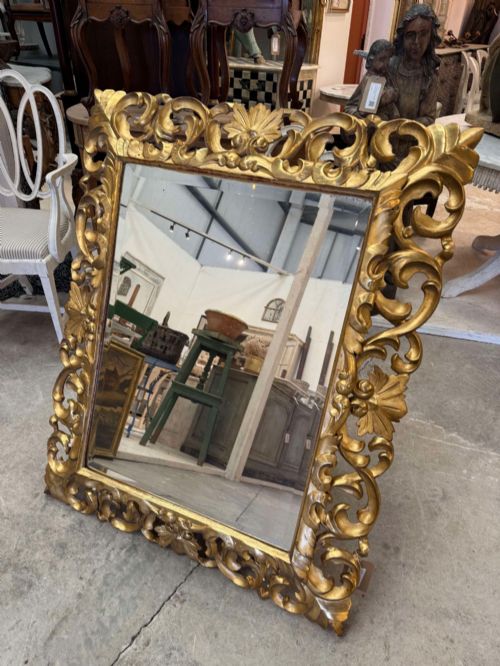
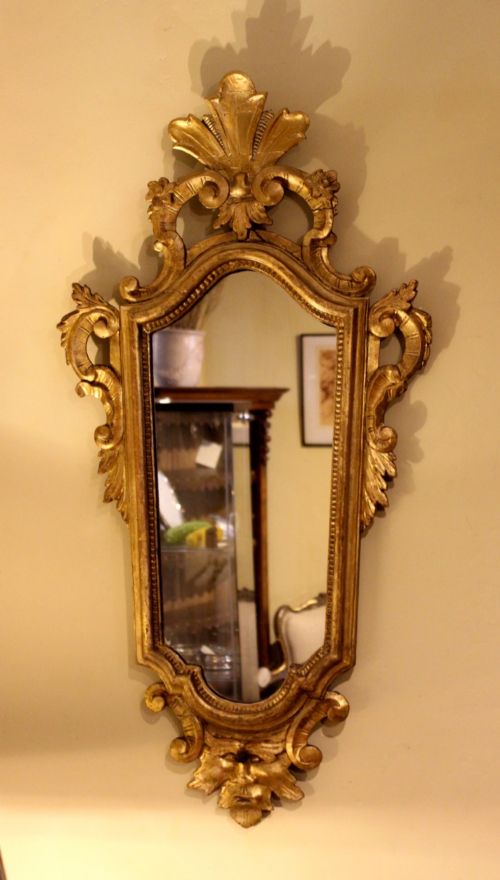
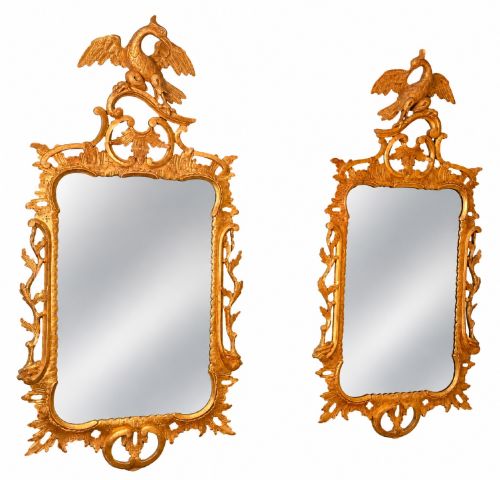
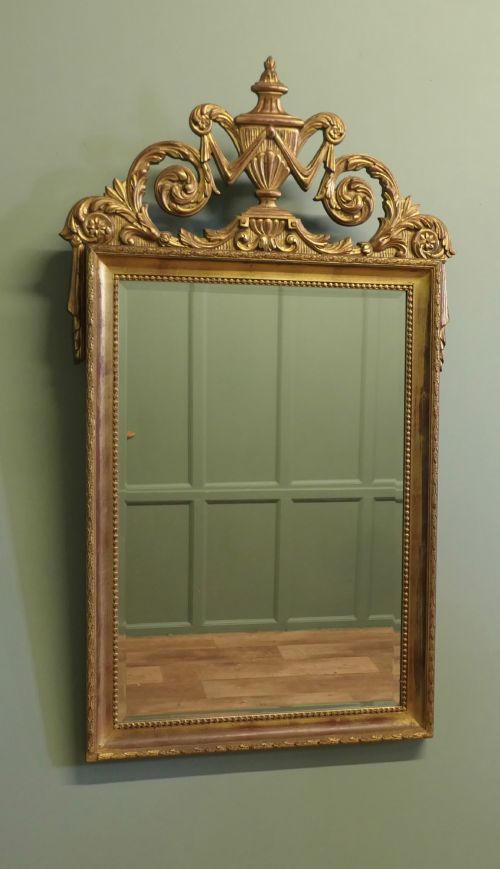

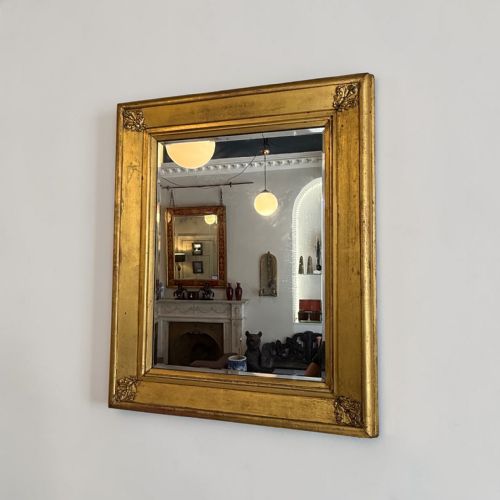
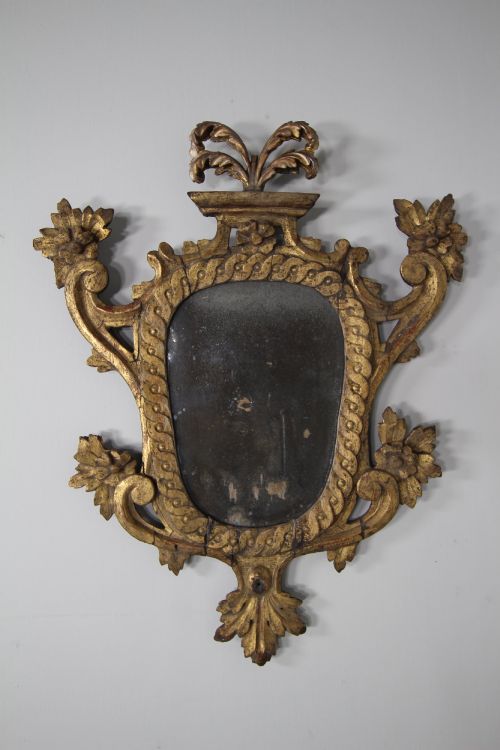
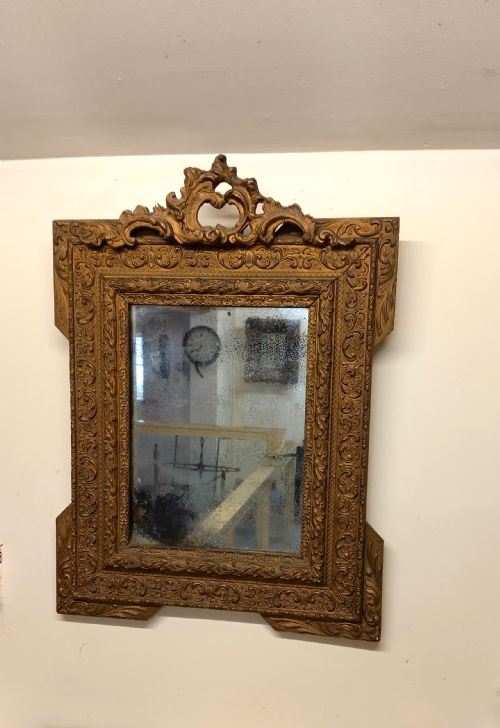
Antique Gilded Look Mirror
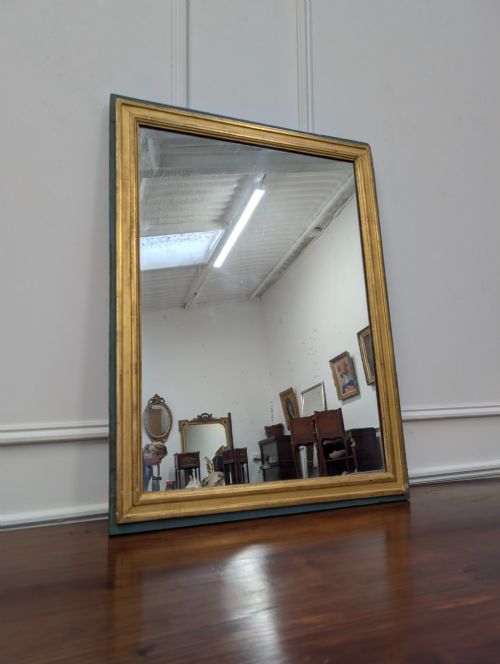
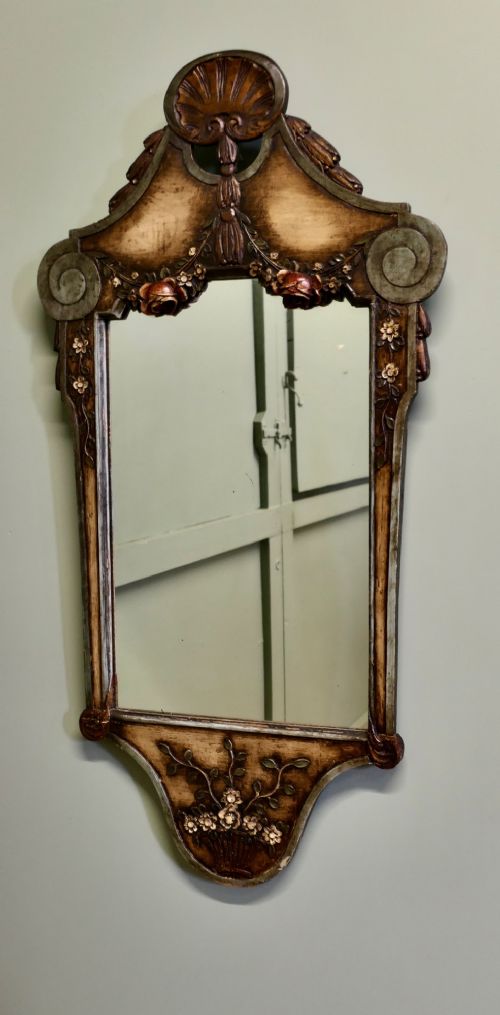
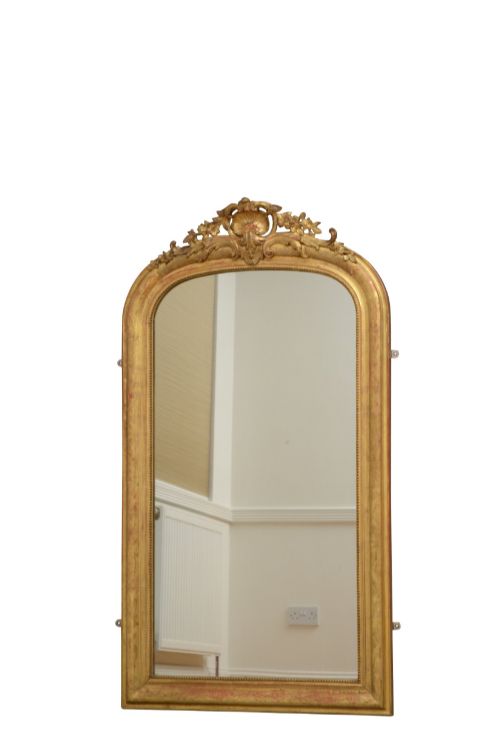
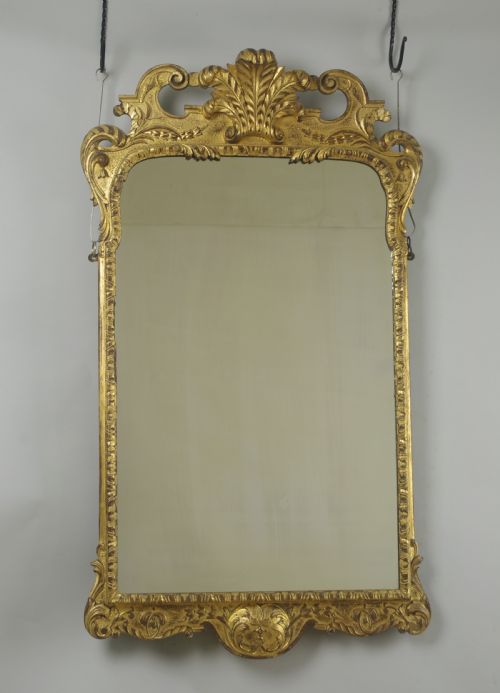
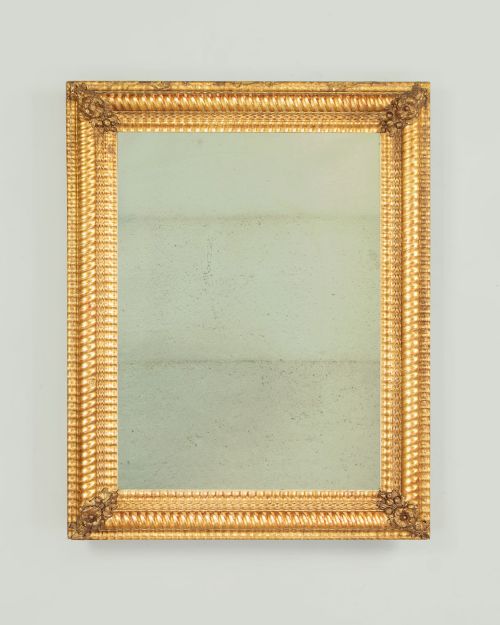
An antique gilded look mirror brings warmth and reflective depth to a room, drawing the eye with carved giltwood and gesso.
Antique Gilded Look Mirror
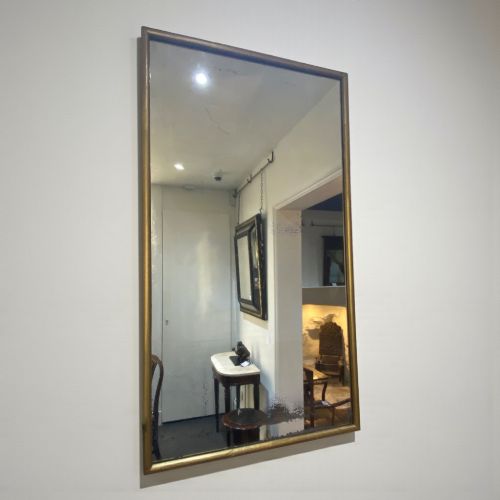
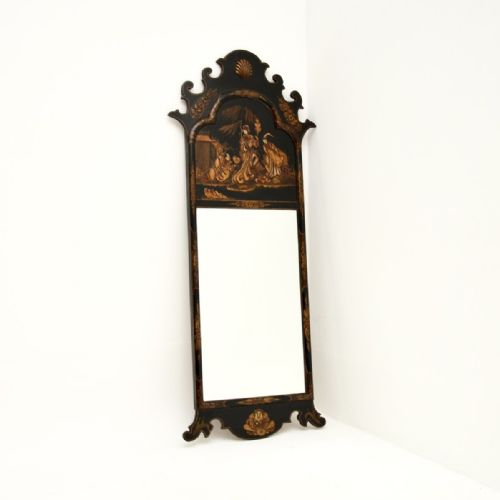
When searching for an antique gilded look mirror, buyers encounter wall hanging forms, overmantle designs, and pier mirrors from the eighteenth and nineteenth centuries. These pieces reflect historical styles ranging from Georgian and Regency to Rococo Revival and Louis XVI.
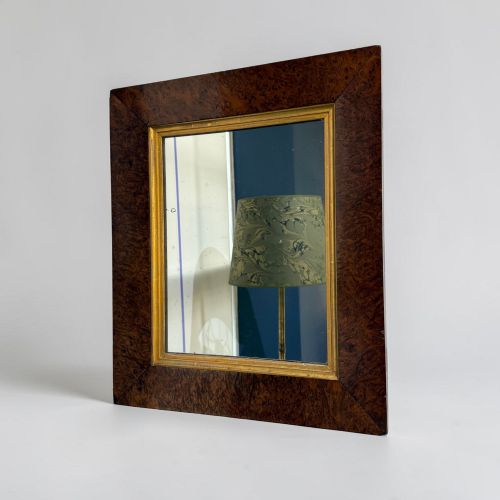
The most common examples on this page date from the nineteenth century, often featuring oval or rectangular frames with gesso and giltwood surfaces. Walnut and mahogany woods frequently appear alongside gilded finishes, offering both regional British and continental European craftsmanship.
Materials and construction methods
Makers built frames primarily from timbers such as mahogany, walnut, and pine, which provided a stable structural foundation for decorative carving. Artisans applied gesso layers over the wood to build up relief details before applying gold leaf or liquid gilding.
Glass plates are set within the frames, sometimes featuring hand-engraved details or historic silvering that shows natural ageing. Joinery techniques vary from simple pinned mitres to complex fretwork frames and carved scrollwork.
Antique Gilded Look Mirror Retail Price Guide 2026
Typical asking prices for gilded look mirror among the pieces listed under this phrase on Sellingantiques today, from the lower quarter to the upper quarter. They describe what is for sale here now, not the wider market.
Listings feature walnut and mahogany timbers alongside carved gesso and giltwood surfaces spanning the eighteenth and nineteenth centuries.
Judging quality in gilded mirrors
Quality rests upon the crispness of the hand-carving in the wood or the modelled depth of the gesso ornament. Superior examples retain their original gilding layers with natural patination, whereas lesser or heavily restored pieces show flat surfaces or modern paint.
The proportion of the frame to the mirror plate dictates visual harmony, with finer pieces exhibiting balanced scrolls, ribbons, or architectural motifs. Original mirror plates with appropriate foxing and distortion also distinguish high-tier examples from later replacements.
Benjamin Goodison
The Antique Gilded Look Mirror Glossary
- Giltwood
- Wood that has been coated with gold leaf. This finish gives the frame its characteristic luminous appearance.
- Gesso
- A plaster-like mixture applied to wood frames to create a smooth surface for carving and gilding. It allows for intricate relief ornamentation.
- Pier mirror
- A tall mirror designed to hang on the wall between two windows, often placed above a console table. These pieces frequently feature narrow proportions.
- Fretwork
- Ornamental pattern work created by piercing thin wood with a saw. Georgian mirrors often utilise this technique in mahogany.
- Overmantle mirror
- A wide mirror designed to sit directly above a fireplace mantel. These pieces dominate a room due to their horizontal scale.
Antique Gilded Look Mirror: Frequently Asked Questions
How do I date a gilded mirror?
Dating relies on examining the frame construction, wood species, and the style of the carving. Eighteenth-century pieces often feature hand-carved pine or mahogany with distinct gesso applications, while later nineteenth-century examples show different decorative revivals.
Inspect the mirror plate itself for bevels, thickness, and signs of age such as oxidation. Comparing the backboards and fixings to known period examples helps confirm the date.
Where should I hang an overmantle mirror?
An overmantle mirror traditionally hangs directly above a fireplace mantelpiece to reflect light around the room. Ensure the wall fixings match the weight of the heavy wood and gesso frame.
Keep the mirror away from direct dampness and extreme temperature fluctuations to protect the antique gilding and historic glass.
What is the difference between giltwood and painted gold?
Giltwood involves applying extremely thin sheets of gold leaf over a prepared gesso and bole ground. This technique creates a warm, complex surface texture that reflects light softly.
Painted gold uses metallic paint or bronze powders, which tend to appear flatter and more uniform under close inspection. Antique pieces predominantly utilise true gold leaf.