




Gilded Scrollwork Mirror
A gilded scrollwork mirror brings warmth and reflective light to a room through carved ornamentation and metallic leaf.
Gilded Scrollwork Mirror
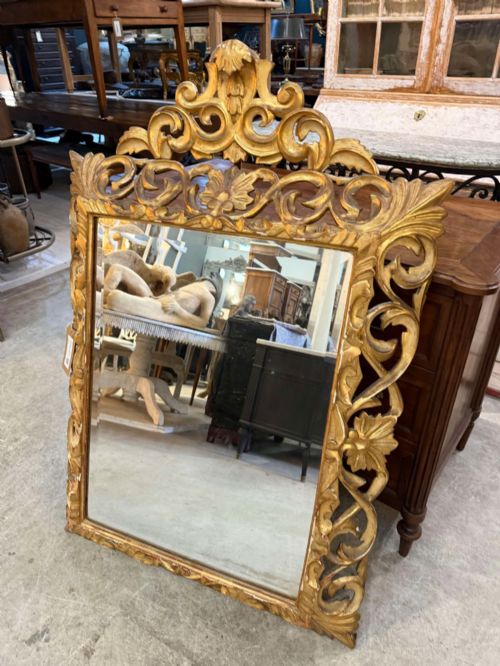
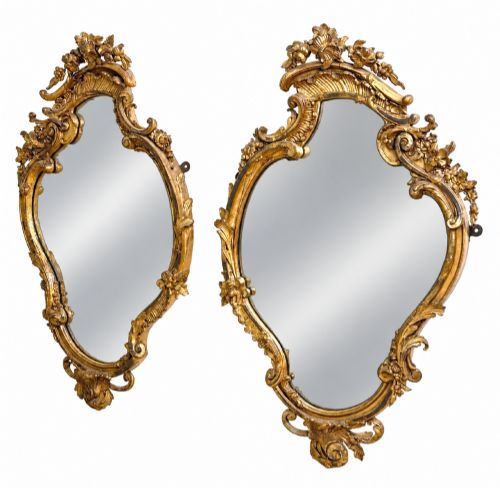
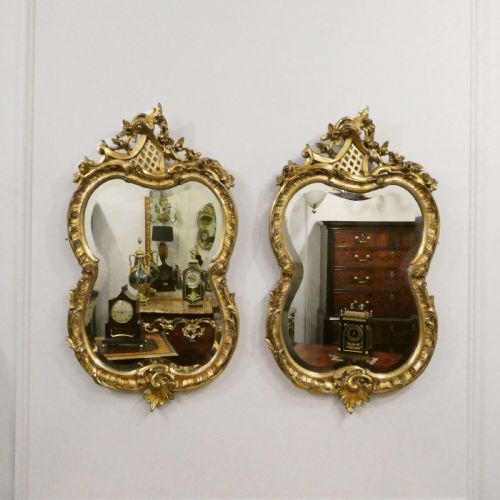
A buyer searching for a gilded scrollwork mirror encounters wall-hanging looking glasses spanning the eighteenth century through to the early twentieth century. These pieces draw heavily on historical revivals, featuring decorative framing influenced by Rococo, Baroque, and Georgian styles.
The most common versions met on this page include nineteenth-century wall mirrors and pairs of giltwood pieces executed in French and Italian tastes. Makers from various periods adapted these traditional ornamental forms into shield shapes, oval formats, and large rectangular wall fittings.
The selection ranges from restrained fret-cut bleached wall mirrors to ornate items finished in gilt gesso and carved wood. Continental origins, particularly French and Italian workshops, heavily populate the available inventory alongside domestic Georgian and Victorian interpretations.
Materials and construction methods
Craftsmen shaped these frames from solid timbers such as mahogany and walnut, or built up intricate three-dimensional ornamentation using gesso applied over a wooden base. Carved giltwood forms require skilled hand-carving before the application of delicate gold leaf.
Surface finishes rely on traditional gilding techniques, sometimes complemented by gilt metal elements or bleached wood treatments. Mirror glass within these frames ranges from simple plates to bevelled panels fitted into antique housings.
Gilded Scrollwork Mirror Retail Price Guide 2026
Typical asking prices for gilded scrollwork mirror among the pieces listed under this phrase on Sellingantiques today, from the lower quarter to the upper quarter. They describe what is for sale here now, not the wider market.
Some antique mirrors carry the faint ghosts of old silvering behind the glass, watching centuries of hallway comings and goings.
Markers of quality and craftsmanship
The distinction between tiers of quality rests upon the depth and crispness of the hand-carved detail within the scrollwork and foliage. Superior examples display undercut carving where elements stand free from the background, whereas lesser items rely on moulded composition ornament.
The integrity of the original gilt surface and the preservation of the underlying gesso define the desirability of a piece. Original mirror glass with age-appropriate foxing and oxidation also distinguishes an untouched antique from later replacements.
The Gilded Scrollwork Mirror Glossary
- Giltwood
- Wood that has been coated with gold leaf or a similar metallic finish. This material forms the primary structure for many decorative antique frames.
- Gesso
- A plaster-like mixture applied to wood frames to provide a smooth surface for carving and gilding. Artisans model intricate scrollwork directly into this layer.
- Rococo
- An ornate design style characterised by asymmetrical scrollwork, C-scrolls, and naturalistic shell motifs. It heavily influences many nineteenth-century revival mirrors.
- Fret cut
- A technique where timber is pierced and shaped with a fretsaw to create openwork patterns. This method appears on lighter wall mirrors from the period.
- Bevelled
- Glass with an edge cut at an angle to create a framed border effect. This treatment adds depth and light refraction to the mirror plate.
Gilded Scrollwork Mirror: Frequently Asked Questions
How do I hang a heavy antique mirror?
Heavy carved wall mirrors require secure fixings anchored directly into wall studs or masonry rather than standard plasterboard hooks. Professional mirror hangers utilise robust steel brackets suited to the weight of giltwood and gesso frames.
Ensuring the hanging wire or integrated D-rings are structurally sound protects the antique frame from accidental strain or detachment over time.
Are these mirrors suitable for bathrooms?
Humidity and fluctuating temperatures in bathrooms can damage vulnerable gesso and traditional water gilding over extended periods. Placing these pieces in drier reception rooms, halls, or bedrooms preserves the historic finish.
If positioned near moisture, extra care is necessary to prevent the gilt surface and antique mirror glass from deteriorating prematurely.
How do I clean an antique gilt frame?
Dusting the intricate scrollwork regularly with a soft, dry artist's brush prevents dirt accumulation without abrading the delicate metallic surface. Moisture and chemical cleaners should be kept entirely away from antique gilding.
Professional conservation is recommended if deeper cleaning becomes necessary, as aggressive wiping removes the original gold leaf.
How do I date a gilded mirror?
Dating relies on examining the construction methods of the wooden frame, the composition of the gesso, and the backboards. Tool marks, screw types, and the method used to secure the mirror glass provide further chronological clues.
Stylistic indicators such as Rococo revival motifs or Georgian proportions help narrow down the period of manufacture alongside any remaining maker labels.