



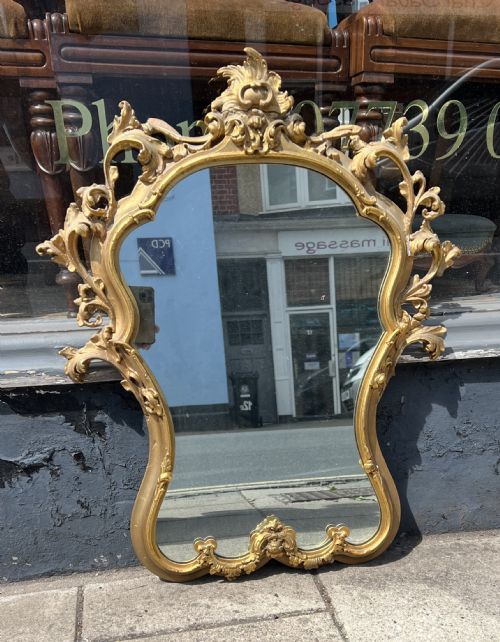

Vintage Gold Scroll Mirror
These vintage gold scroll mirror pieces bring warmth and intricate carved detail to a room.
Vintage Gold Scroll Mirror
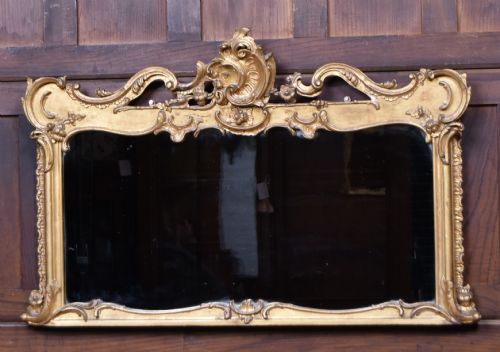
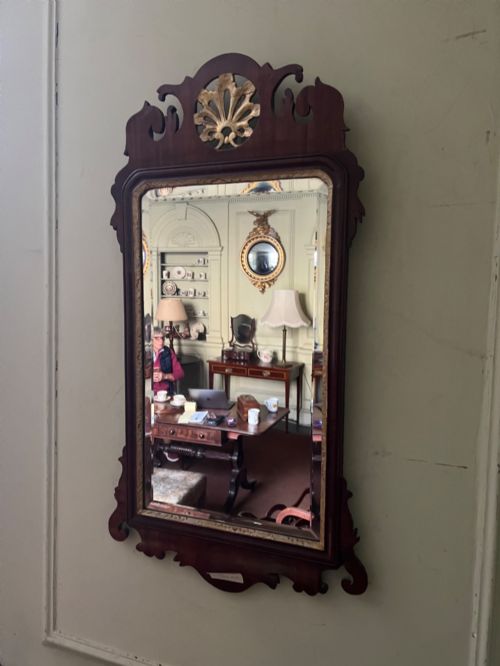
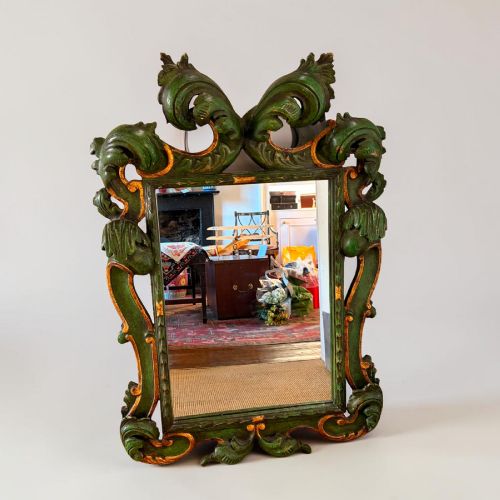
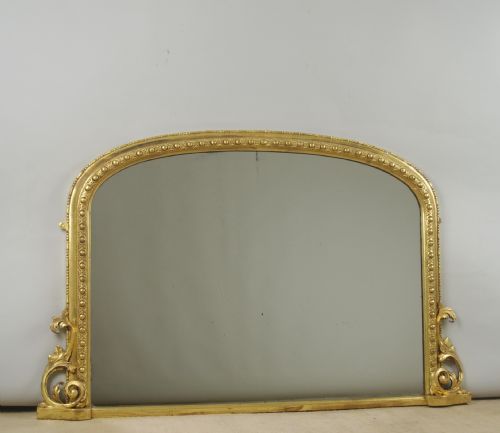
When you search for a vintage gold scroll mirror, you are looking at wall mirrors, vanity mirrors, and dressing table mirrors that feature ornate, flowing carved frames. The pieces collected here span the nineteenth century up through the nineteen-thirties, drawing on styles such as Rococo, Italian Rococo, French Chateau, French Rococo Revival, Regency Rococo, and Spanish Baroque.
You are most likely to meet wall mirrors and smaller dressing table or vanity mirrors finished in giltwood, gold leaf, or gilded metal. These items range from large, carved timber oval mirrors to smaller vanity pieces with detailed gesso and timber structures.
The aesthetic is distinctly decorative, often incorporating hand-painted elements, engraved plates, and pier glass formats. Each piece reflects the enduring appeal of gilded scrollwork across different European craft traditions.
Materials and construction methods
Makers shaped these frames from timber, gesso, and gilt metal, applying gold leaf or paint to achieve a rich, metallic surface. Carved giltwood forms provide a solid foundation for the elaborate scrollwork seen in the Rococo and Baroque styles.
Mirror glass is set within these frames, sometimes featuring engraved plates that add an extra layer of detail. Brass and other metals are also utilised in smaller dressing table mirrors, pairing structural support with decorative gilding.
Vintage Gold Scroll Mirror Retail Price Guide 2026
Typical asking prices for vintage gold scroll mirror among the pieces listed under this phrase on Sellingantiques today, from the lower quarter to the upper quarter. They describe what is for sale here now, not the wider market.
Judging the quality of a vintage gold scroll mirror
Quality rests in the depth and crispness of the carving across the timber or gesso frame. Hand-carved details in traditional giltwood demonstrate a higher level of artisanal skill than simpler moulded surfaces.
The preservation of the original gold leaf and the clarity of the mirror glass, including engraved plates, distinguish finer examples from standard decorative items. The harmony between the frame's proportions and the mirror plate indicates superior design.
The Vintage Gold Scroll Mirror Glossary
- Giltwood
- Timber that has been coated with gold leaf or a gold-coloured finish. This technique creates a luminous surface that catches the light in interior settings.
- Gesso
- A plaster-like mixture applied to wood frames to create a smooth surface for carving and gilding. It allows for intricate relief work and crisp scroll details.
- Pier glass
- A tall mirror designed to be hung on the pier, the wall space between two windows. These pieces often feature decorative painted or carved frames.
- Rococo
- An ornate artistic style characterised by asymmetrical scrollwork, C-scrolls, and naturalistic motifs. It heavily influences the frames found in this category.
- Engraved plate
- Mirror glass decorated with surface-cut designs or patterns. This adds an extra layer of craftsmanship to the glass itself.
Vintage Gold Scroll Mirror: Frequently Asked Questions
What is the difference between Rococo and Baroque mirrors?
Baroque mirrors tend to be heavier, more symmetrical, and monumental in their architectural framing.
Rococo mirrors introduce lighter, asymmetrical scrollwork, C-curves, and playful, nature-inspired motifs.
How should I clean a vintage gilt mirror?
Dust the carved frame gently with a soft, dry brush to avoid damaging the delicate gold leaf or gesso layers.
Clean the mirror glass with a mild glass cleaner applied to a cloth rather than sprayed directly onto the surface.
Are these mirrors original to the nineteenth century?
The selection includes pieces originating from the nineteenth century as well as early twentieth-century revivals dating from nineteen-ten to nineteen-thirty.
Examining the materials, backing, and glass helps determine the precise period of manufacture.