

Traditional Carved Mirror Frame
A traditional carved mirror frame brings architectural depth and hand-wrought texture to a room, offering centuries of craftsmanship in timber and giltwood.
Traditional Carved Mirror Frame
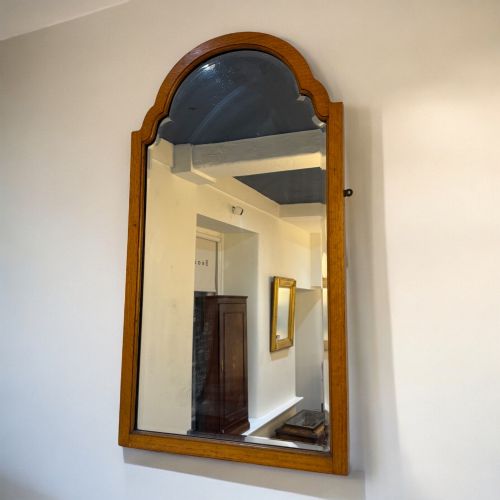
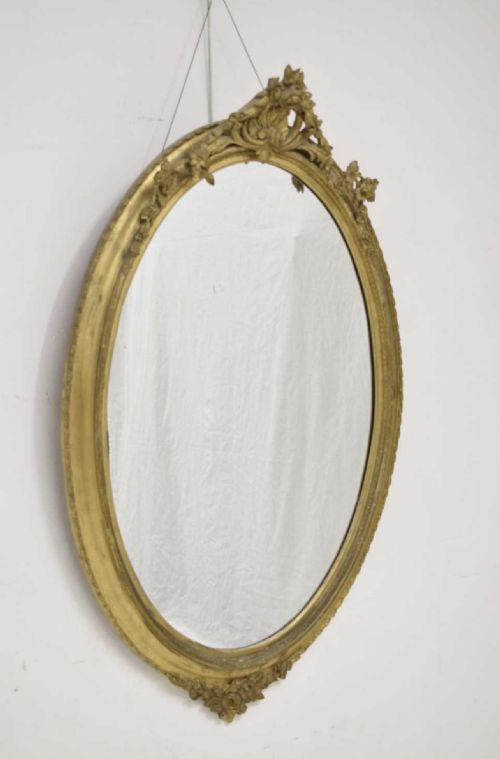
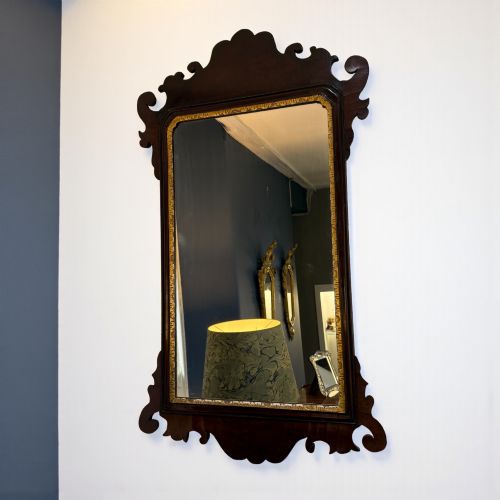
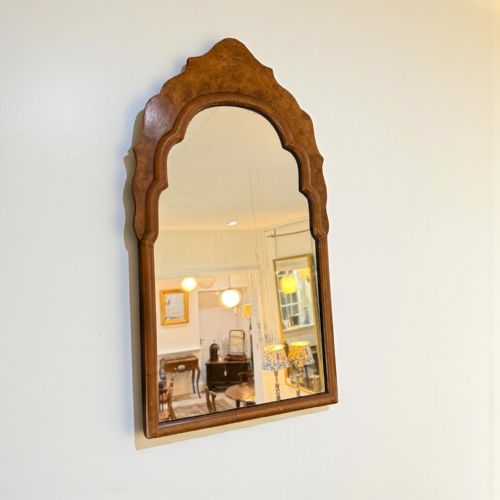
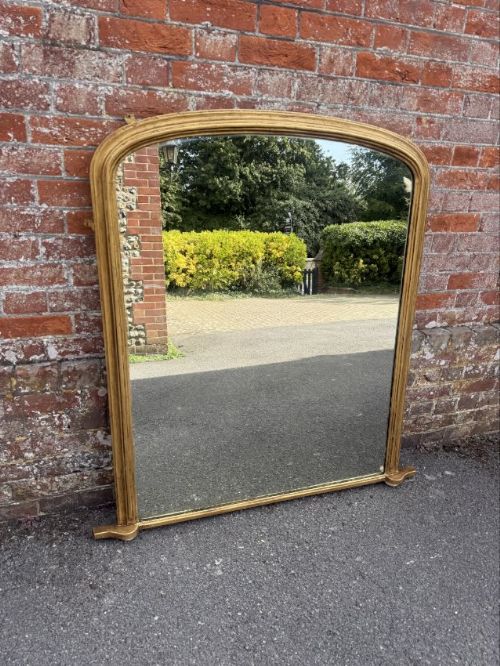
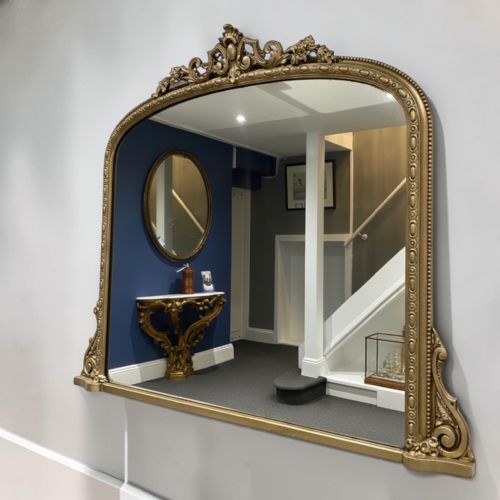
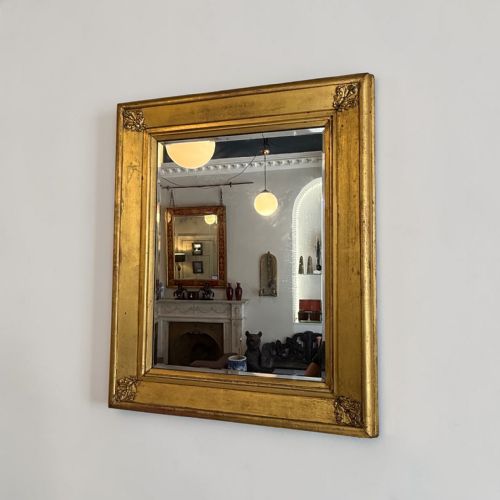
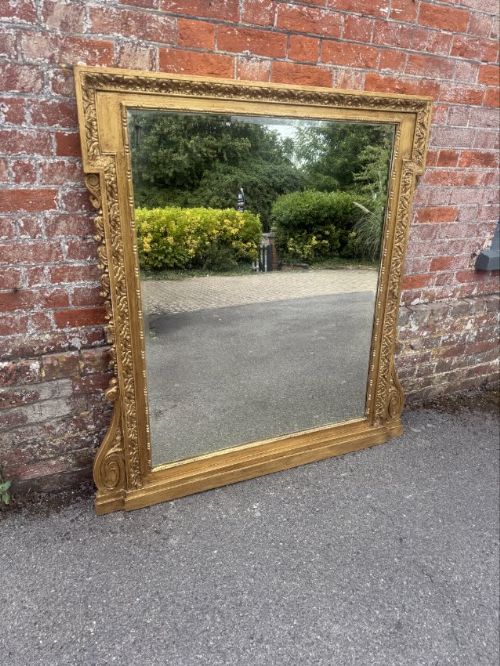
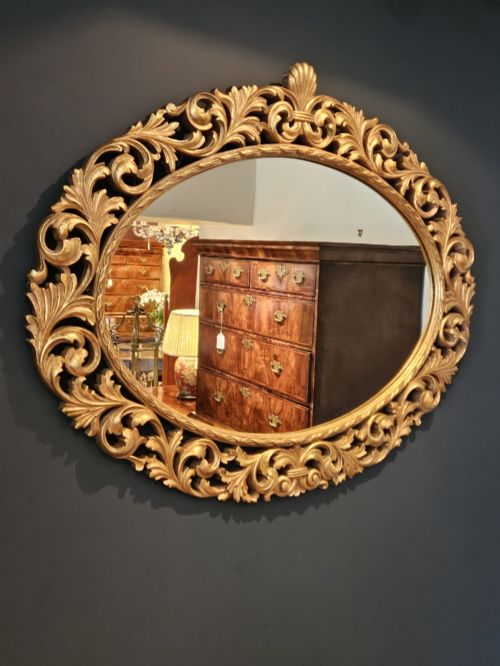
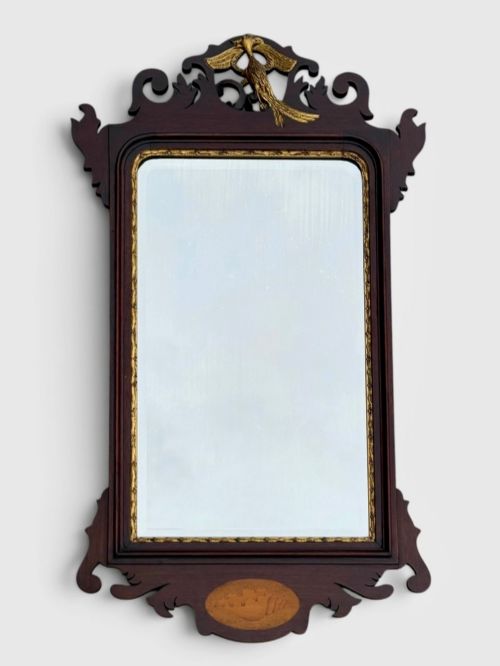
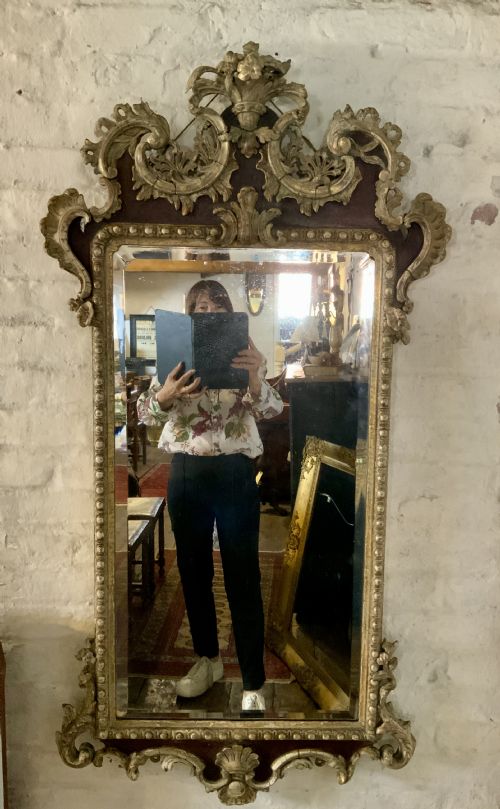
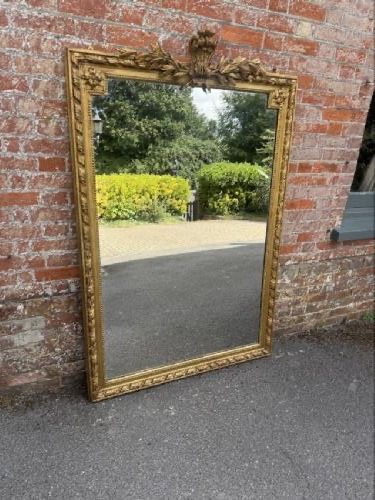
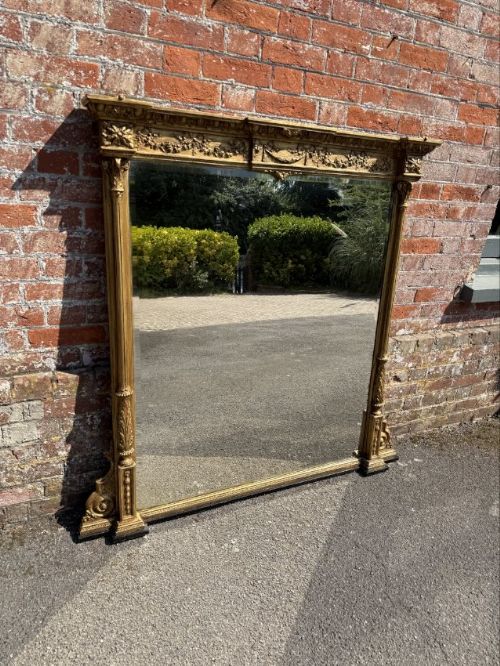
When you examine a traditional carved mirror frame on this page, you are looking at wall-hanging and overmantel looking glasses originating from periods spanning the Georgian era through to the early twentieth century. The selection leans heavily toward nineteenth-century Victorian examples, alongside Georgian-style walnut and mahogany pieces and decorative Edwardian items.
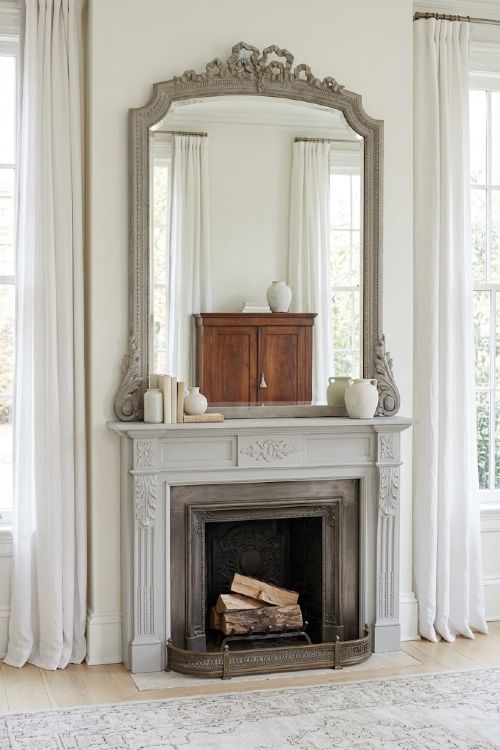
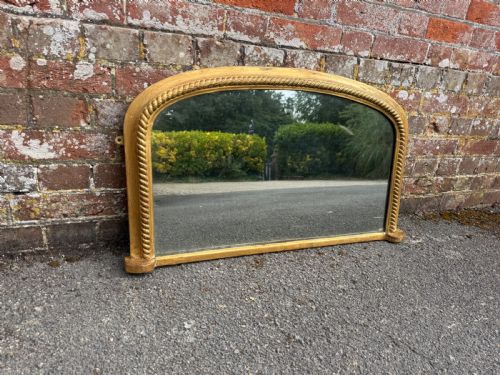
The dominant forms you will encounter are large overmantel mirrors and architectural wall pieces designed to anchor a room. These objects combine carved timber structures with decorative glass plates, fulfilling both a practical function and a grand decorative role within domestic interiors.
How they were made
Makers shaped these frames from solid timbers including mahogany, walnut, oak, and rosewood, often applying intricate hand-carved details directly into the wood. Many frames received a layer of gesso, a plaster-like mixture built up over the wood base to create smooth surfaces or sharp relief for subsequent gilding.
Gilding involved the application of delicate gold leaf onto the prepared gesso surfaces, sometimes finished with burnished highlights against matte grounds. Glass plates were traditionally silvered by hand, resulting in the characteristic foxed spotting and uneven reflections seen on older surviving examples.
Sorcerer's convex mirrors bring a touch of Victorian parlor magic, bulging outward to reflect an entire room in miniature within a single gilded orb.
What varies in quality
Quality rests upon the crispness of the hand-carving and the depth of the underlying gesso work. Superior frames display undercut foliage, sharp moulding profiles, and well-executed details such as Ho Ho birds or rope twist borders, whereas lesser pieces rely on shallow press-moulded ornamentation.
The integrity of the original materials also distinguishes the hierarchy of pieces. Frames retaining their initial gilding, untouched timber patination, and original antique glass plates command greater appreciation than those stripped, heavily repainted, or fitted with modern replacement mirror glass.
The Traditional Carved Mirror Frame Glossary
- Gesso
- A prepared mixture of chalk, gypsum, and glue used as a base for gilding and relief ornamentation on wooden frames. It allows carvers and gilders to achieve crisp, smooth surfaces that hold intricate detail.
- Giltwood
- Timber that has been coated with gold leaf or metal leaf over a prepared base. This finish provides a bright, reflective surface favoured in formal reception rooms.
- Overmantel mirror
- A large mirror specifically proportioned to hang above a fireplace mantelpiece. These pieces often feature architectural arches or landscape rectangles to fill the wall space beneath the cornice.
- Foxing
- The age-related spots, browning, and degradation that occur within the silvering of antique mirror glass. Collectors value genuine foxing as an indicator of untouched age.
- Fret cut
- A decorative woodworking technique where patterns are pierced and cut through thin boards using a fine saw. This method creates flat, silhouette-style frames characteristic of the Georgian style.
Traditional Carved Mirror Frame: Frequently Asked Questions
How do I hang a heavy overmantel mirror?
These heavy wooden frames require secure wall fixings anchored directly into structural studs or masonry rather than mere plasterboard. Professional mirror hangers typically use steel brackets or heavy-duty D-rings rated well above the weight of the piece.
Position the frame at a height that reflects the room rather than just the ceiling, ensuring the weight is distributed evenly across multiple fixing points.
Can I replace a broken mirror plate?
Replacing a damaged glass plate is possible, though purists prefer retaining original antique glass with all its natural foxing and imperfections. Modern replacement glass will look noticeably clearer and brighter than the surrounding antique frame.
If replacement is necessary for safety, source a slightly thinner or reclaimed antique-style glass plate to maintain the visual harmony of the piece.
How do I tell Victorian from Georgian frames?
Georgian frames, particularly walnut wall mirrors, often feature fret-cut silhouettes, parcel-gilt accents, and precise architectural proportions influenced by Palladian design. Victorian examples tend to be heavier, employing robust gesso mouldings, richer gilding, and expansive overmantel formats.
Examine the construction joints, timber species, and backboards for tool marks and fixings that align with nineteenth-century cabinet-making practices.