






Baroque Carved Wood Mirror
A baroque carved wood mirror commands a room with deep relief and gilded presence, bringing historical grandeur to modern interiors.
Baroque Carved Wood Mirror
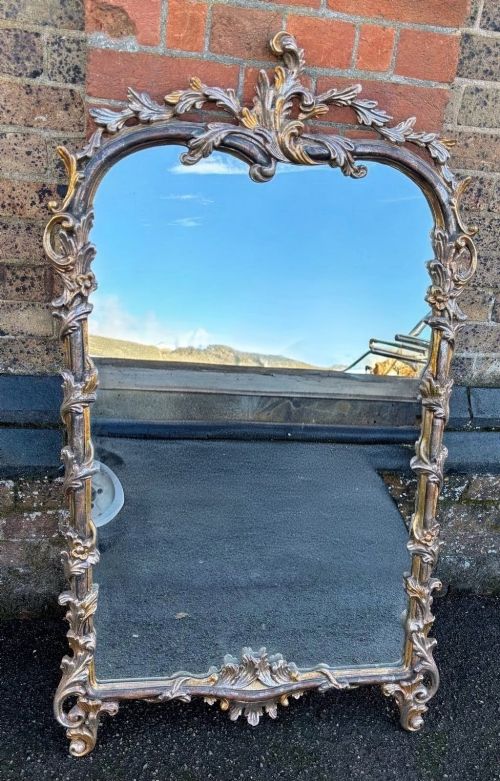
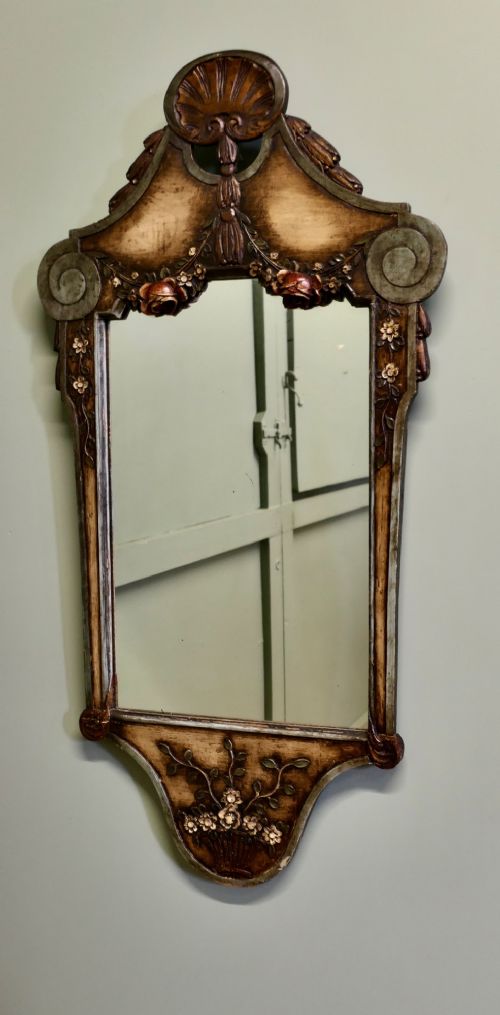
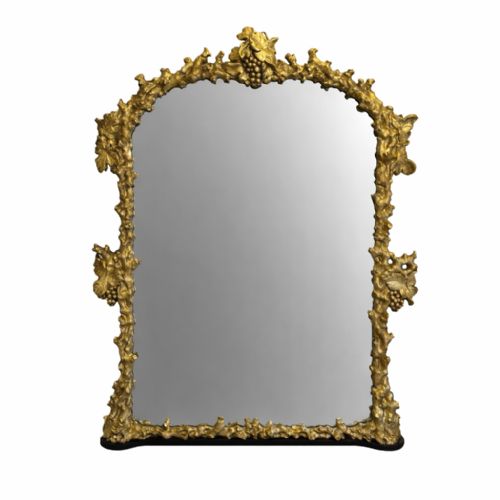
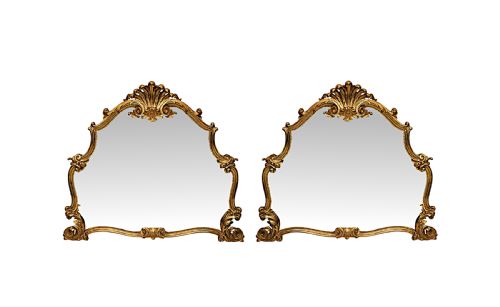
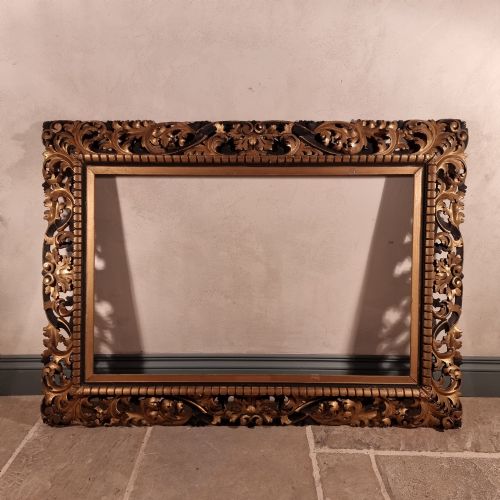
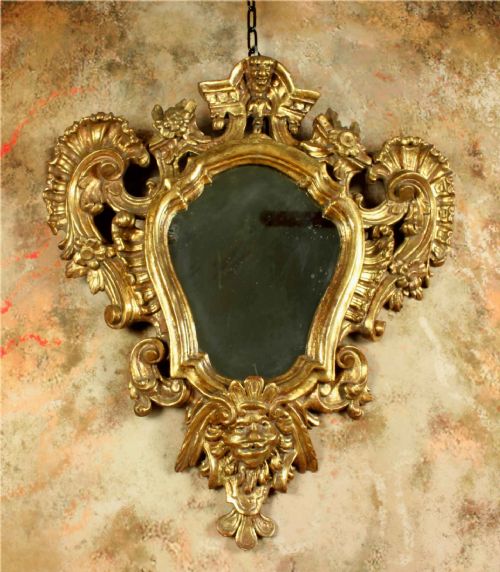
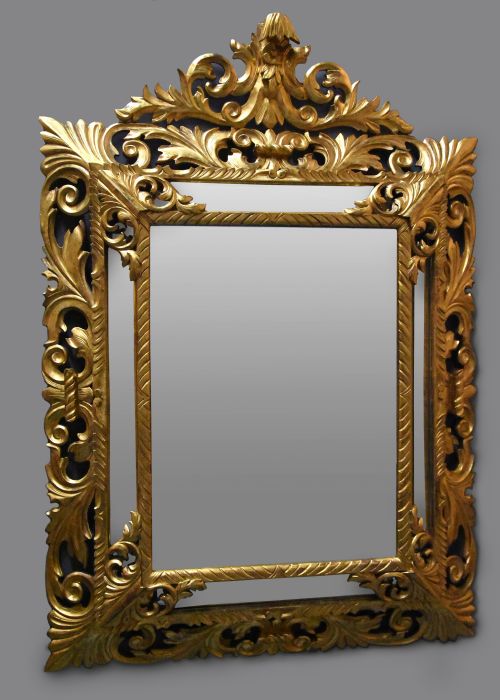
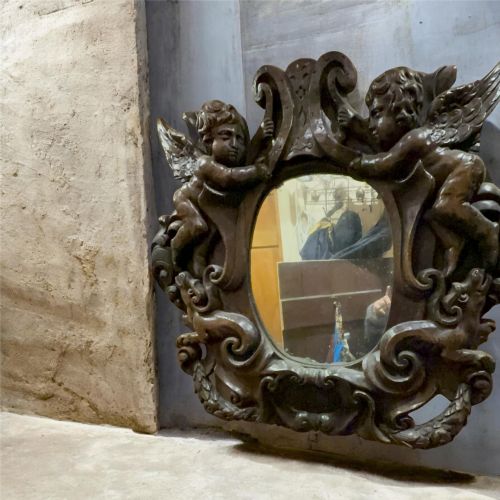
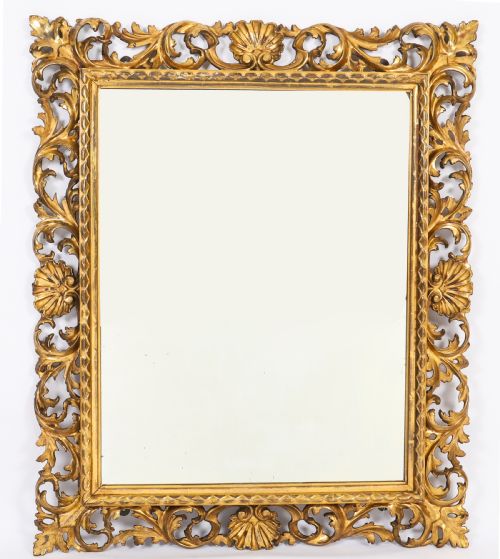
A baroque carved wood mirror embodies the theatrical decoration and exuberant forms characteristic of seventeenth- and eighteenth-century European design, alongside later revivals. Buyers looking at this phrase encounter heavy timber frames shaped with acanthus leaves, scrolls, and ornamental masks.
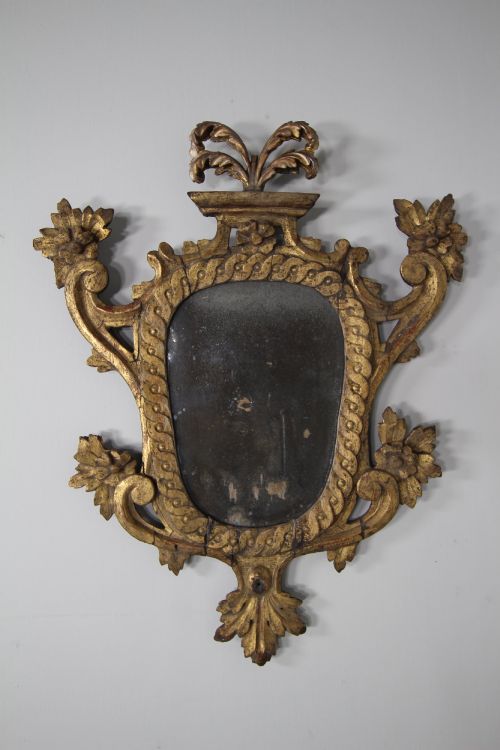
The versions most commonly met on this page are nineteenth-century Italian and Florentine wall mirrors, often finished in gold leaf or gesso. These pieces range from compact table mirrors and oval frames to large overmantel and pier glasses designed to reflect light across grand reception rooms.
How They Were Made
Carpenters and carvers shaped solid timbers such as oak, walnut, and limewood into intricate three-dimensional reliefs before applying layers of gesso to smooth the surface. This plaster mixture provided a precise base for subsequent gilding with gold or silver leaf.
Surface treatments combined burnished metal leaf with hand-painted details or silvering to achieve deep tonal contrasts across the carved scrolls and animal motifs.
Baroque Carved Wood Mirror Retail Price Guide 2026
Typical asking prices for baroque carved wood mirror among the pieces listed under this phrase on Sellingantiques today, from the lower quarter to the upper quarter. They describe what is for sale here now, not the wider market.
Look closely for hand-carved lions' heads hiding within the scrolling foliage, keeping silent watch over centuries of reflected rooms.
What Varies In Quality
Depth and sharpness of the hand carving distinguish exceptional examples from simpler production, particularly where undercut foliage and facial masks retain crisp, spirited detail. The quality of the original gilding and the preservation of the underlying gesso layers dictate how the metal catches the light over centuries.
The integrity of the wooden substrate determines structural stability, as shrinkage or historic repairs can alter the proportions of heavy frames. Original mirror glass with authentic foxing and age spots also separates untouched period pieces from later replacements.
The Baroque Carved Wood Mirror Glossary
- Giltwood
- Timber coated with gold leaf over a prepared ground of gesso. This finish creates a luminous metallic surface that defines many grand European frames.
- Gesso
- A plaster mixture applied to wood frames to create a smooth surface for carving details and laying gold leaf. It allows for crisp decorative moulding.
- Pier glass
- A tall mirror specifically designed to hang on the wall space between two windows. These pieces often match console tables positioned below them.
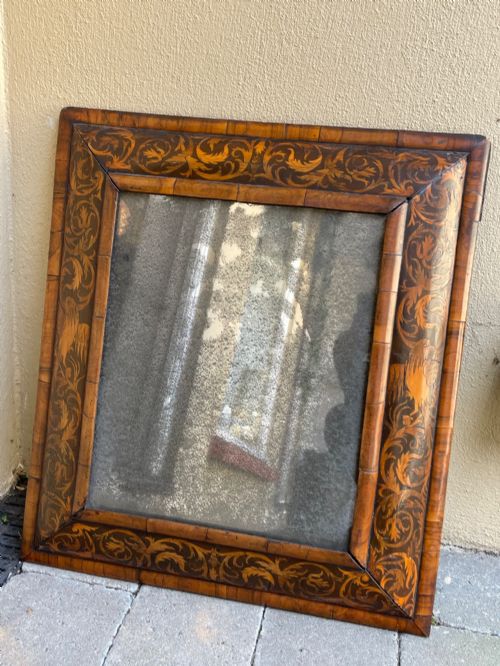
- Cushion mirror
- A frame profile featuring a broad, outward-sloping border resembling a pillow. This convex shape displays rich marquetry or carving.
- Acanthus leaf
- A Mediterranean plant motif frequently carved into wooden scrollwork and furniture frames. It provides the characteristic organic flow seen on classical and baroque decoration.
Baroque Carved Wood Mirror: Frequently Asked Questions
How do I hang a heavy carved wood mirror?
Heavy wooden frames require secure wall anchoring into structural studs or masonry using rated brackets. The weight of giltwood and gesso demands professional installation to distribute the load safely.
Ensure the hanging wire or integrated D-rings on the reverse match the total weight of the glass and timber construction.
Where should I place a baroque mirror?
These pieces function effectively above drawing room mantelpieces, entrance hall consoles, or dining room sideboards. Positioning them opposite a window maximises natural daylight.
Scale is key when placing large frames, ensuring the furniture below balances the visual weight of the carved wood.
How do I clean an antique giltwood surface?
Dust the carved wooden elements gently with a soft, dry brush to prevent accumulation in the deep recesses. Avoid liquid cleaners, abrasive cloths, and chemical solvents that damage gold leaf.
Professional conservators should handle any lifting gesso or flaking metallic surfaces to preserve the original finish.
Are these mirrors original to the seventeenth century?
Surviving examples date from the seventeenth century through to later revival periods in the nineteenth and early twentieth centuries. Stylistic indicators and wood analysis help distinguish original period production from later interpretations.
Many decorative pieces utilise seventeenth-century design vocabulary executed by nineteenth-century Florentine and French workshops.
What causes dark spots on antique mirror glass?
Oxidation of the silver backing over decades creates characteristic dark patches and foxing across the surface. This ageing process confirms the authenticity of antique mirror plates.
Collectors generally value original glass with natural degradation rather than pristine modern replacements.