
Antique Wood Framed Mirror
These antique wood framed mirror selections offer period craftsmanship and reflective depth, spanning Georgian, Victorian, and Edwardian origins.
Antique Wood Framed Mirror
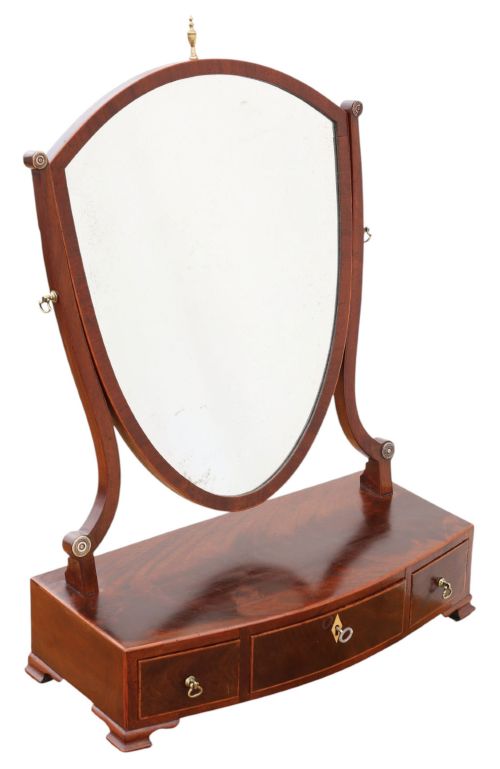
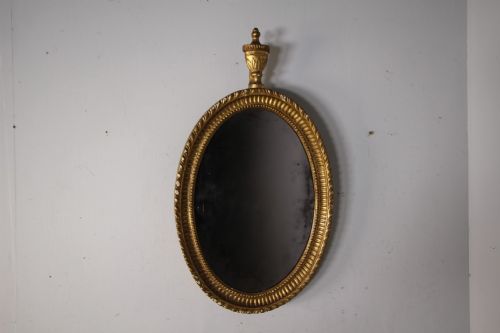
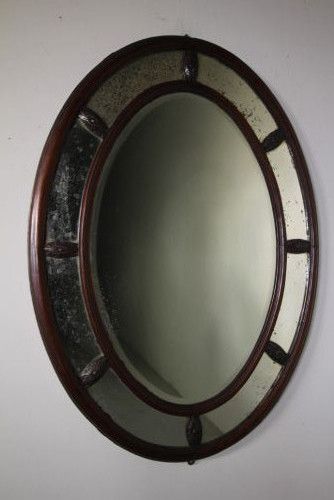
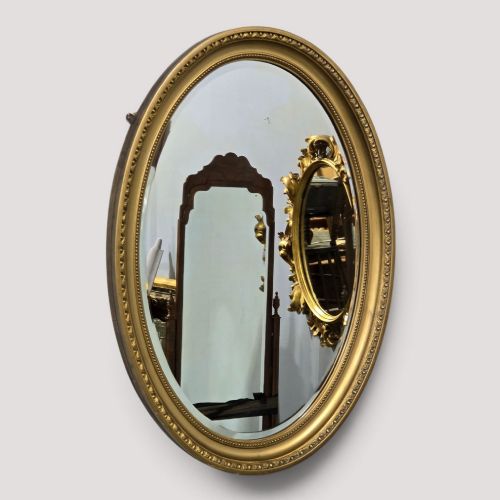
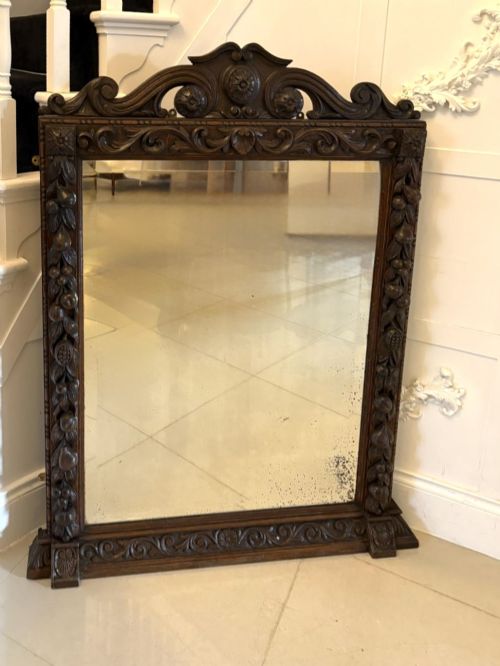
An antique wood framed mirror encompasses a range of domestic looking glasses, from grand nineteenth-century overmantels to smaller dressing table swing mirrors and oval wall accents. These objects serve both functional reflective purposes and decorative architectural roles within period interiors.
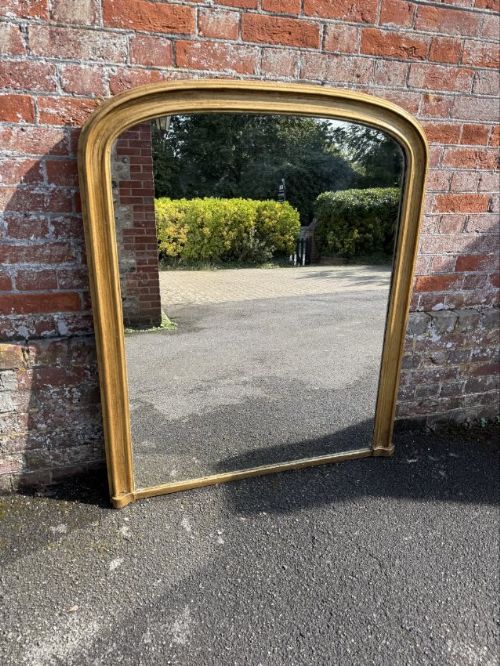
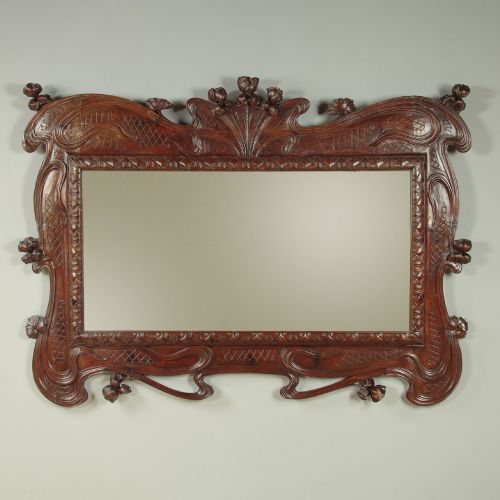
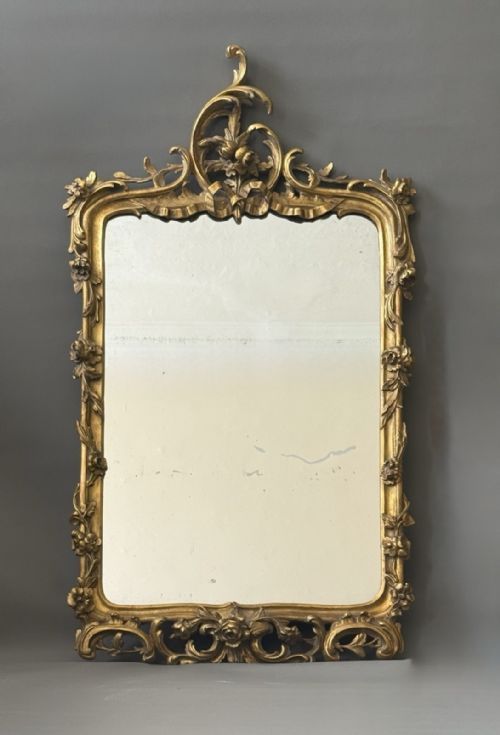
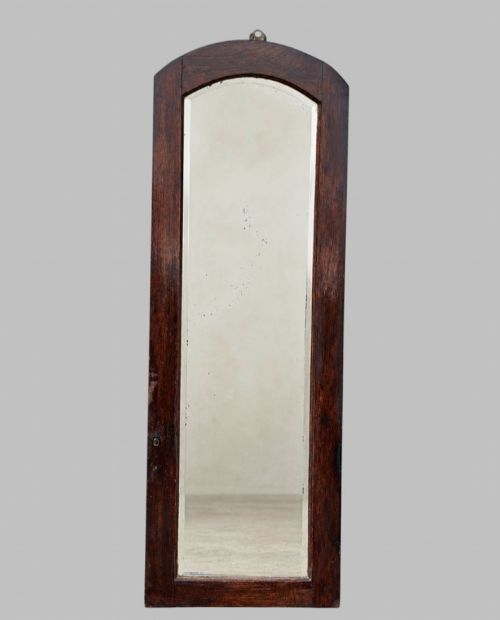
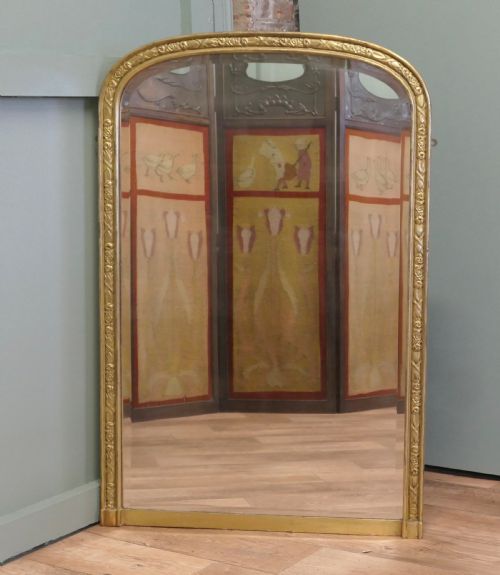
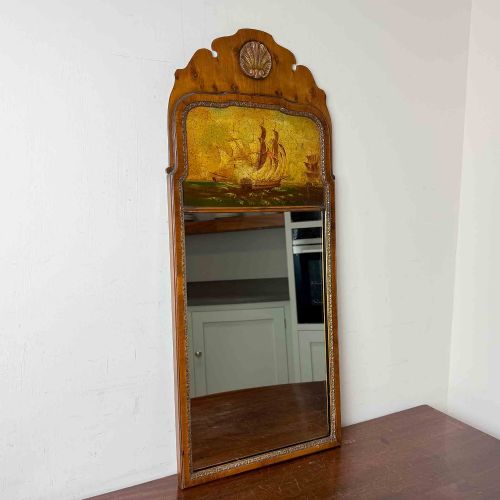
Buyers frequently encounter nineteenth-century English and French formats featuring carved wood and gesso ornamentation, arched tops, and gilt finishes. Surviving examples also include oak, mahogany, and walnut frames spanning the Georgian, Victorian, and early twentieth-century eras.
How They Were Made
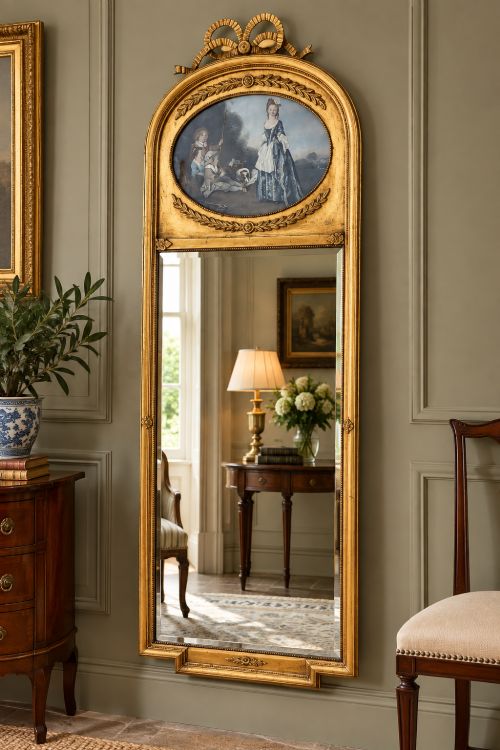
Framing relies upon timbers such as oak, mahogany, walnut, and maple, shaped by hand carving and joinery. Artisans applied layers of gesso over wood bases to build up relief ornamentation, including rope twists, acanthus leaves, and ribbon crests.
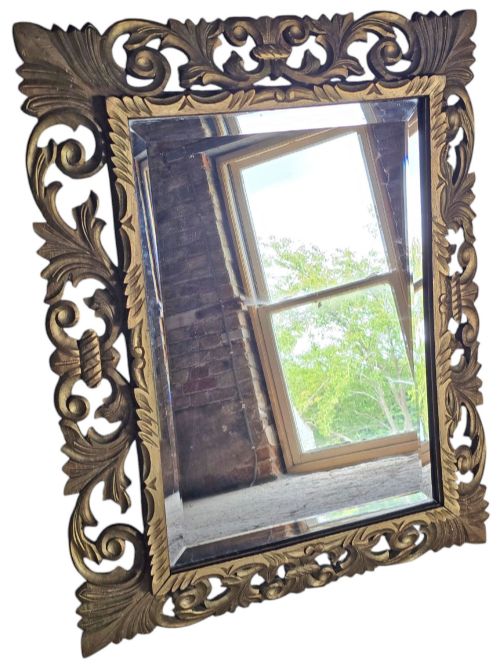
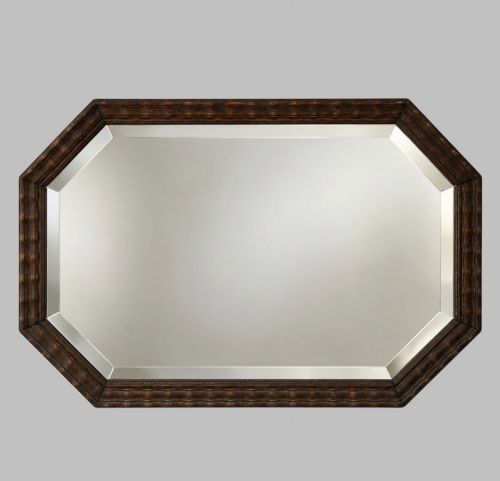
Gilding techniques involved laying gold leaf or applying paint over prepared surfaces, while older plates utilised mercury or early silvering methods. Bevelled glass and flat antique plates were secured within these timber and gesso structures by period craftsmen.
Certain French wall mirrors include playful ribbon crests and olive green finishes designed to charm visitors instantly.
What Varies in Quality
The refinement of the hand carving distinguishes superior examples, where details like floral motifs, crests, and mouldings retain crisp definition and depth. Lesser pieces exhibit softer ornamentation and heavier, less articulate application of gesso layers.
Originality of components dictates distinction, particularly the retention of historic mirror glass, original mercury plates, and uncompromised gilt surfaces. The structural integrity of the underlying timber frame and the harmony of the joinery further separate standard items from exceptional ones.
Waring and Gillow
The Antique Wood Framed Mirror Glossary
- Gesso
- A plaster-like mixture applied to wood frames to create a smooth surface for subsequent gilding or painting. This material allows artisans to carve intricate relief decorations.
- Giltwood
- Timber that has been coated with gold leaf or metallic powder. It provides a reflective, opulent finish characteristic of many period frames.
- Overmantel Mirror
- A large looking glass designed specifically to hang above a fireplace mantel. These pieces often feature arched tops and substantial decorative framing.
- Pier Glass
- A tall, narrow mirror traditionally hung on the pier or wall space between windows. They frequently incorporate fine carvings or associated side brackets.
- Swing Mirror
- A table or dressing glass mounted on pivots within a vertical frame, allowing the angle of the plate to tilt. These are commonly found on Georgian and Victorian dressing tables.
Antique Wood Framed Mirror: Frequently Asked Questions
Where should I hang an overmantel mirror?
These large mirrors are traditionally positioned directly above a fireplace mantel to reflect light and anchor the room's main living space.
Ensure the wall fixings securely support the substantial weight of the timber and gesso construction.
How do I identify a Georgian mirror?
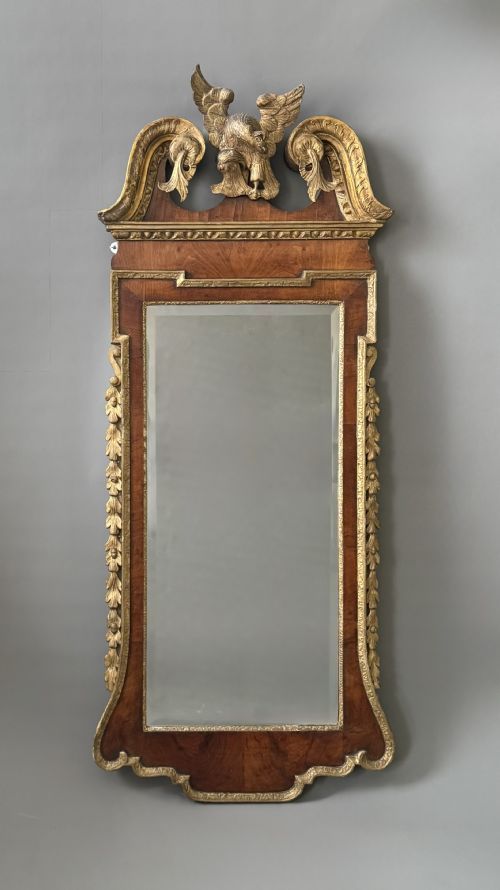
Georgian pieces frequently utilise mahogany or walnut timbers, sometimes featuring parcel gilding and classical fretwork motifs like the Ho Ho bird.
Proportions remain balanced, reflecting the architectural sensibilities of the eighteenth century.
What is mercury glass?
Older looking glasses often utilise mercury backing techniques, which create a distinctive, slightly mottled reflective quality and depth.
This historic silvering method differs visibly from modern chemical mirror applications.
How do swing mirrors function?
Dressing table swing mirrors rest on vertical pivots supported by upright arms, allowing the user to adjust the viewing angle.
They sit atop small chests or dressing tables rather than hanging directly on walls.