








Italian Baroque Wall Mirror
An Italian baroque wall mirror brings monumental presence to a room through deep carving and gilded radiance.
Italian Baroque Wall Mirror
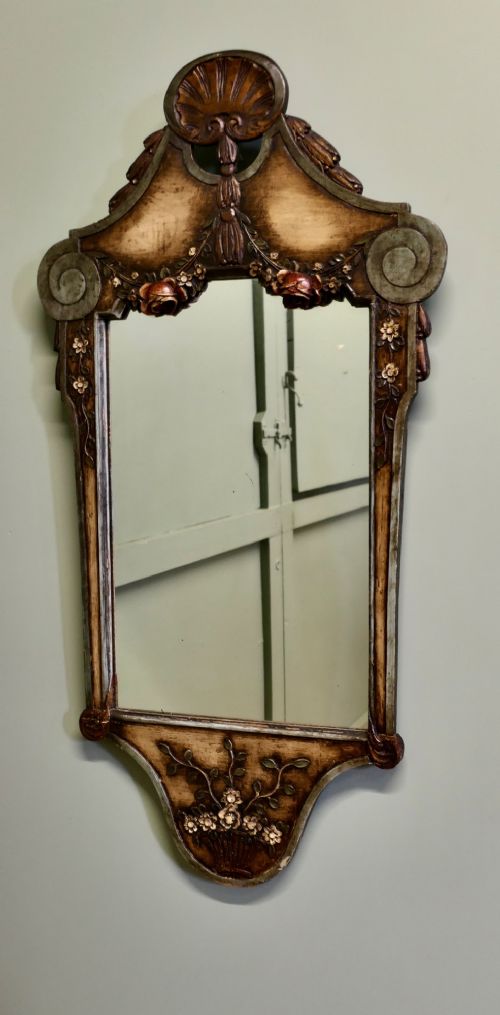
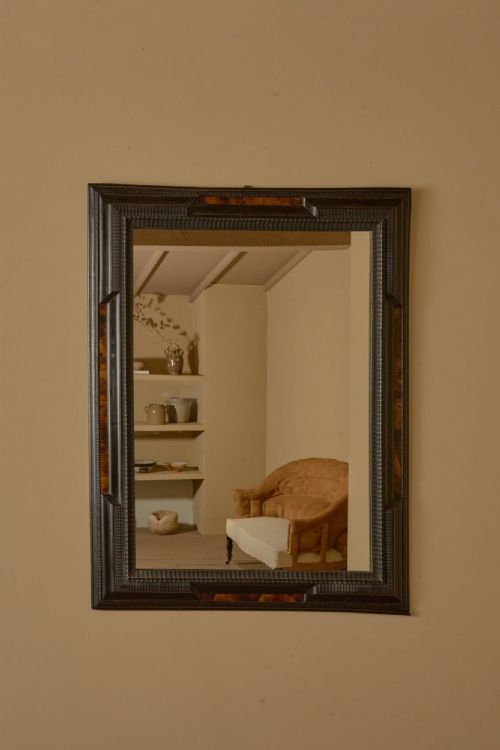
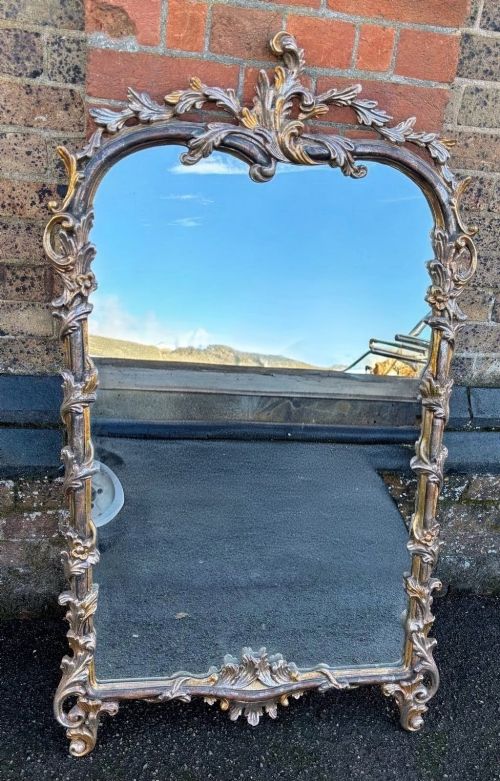
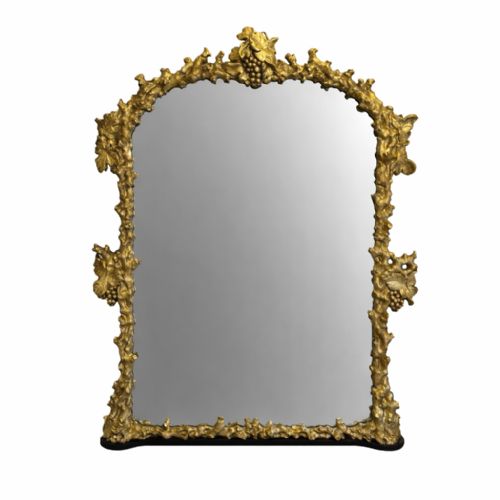
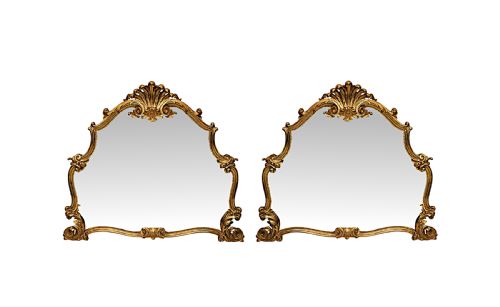
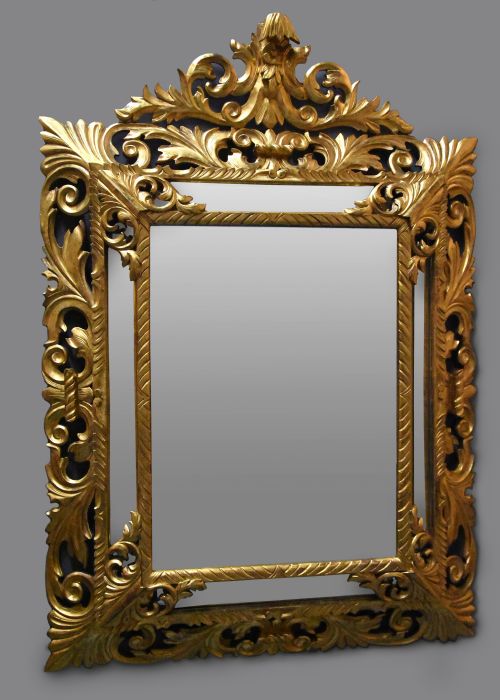
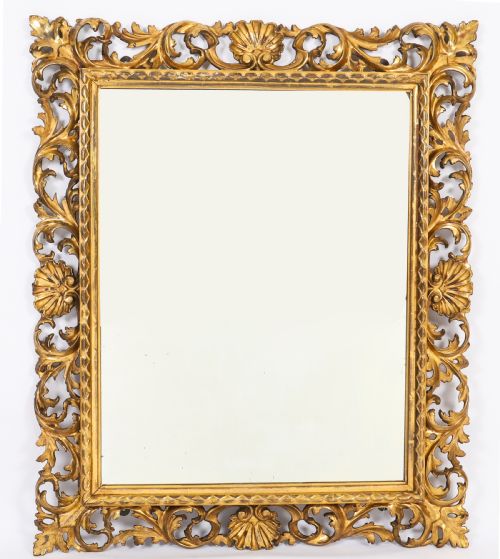
An Italian baroque wall mirror is a striking focal point defined by ornate woodwork and dramatic proportions. The pieces span centuries of craftsmanship, including authentic seventeenth-century survivals alongside nineteenth-century revivals and Florentine interpretations.
Buyers most frequently encounter nineteenth-century giltwood examples on this page, alongside earlier eighteenth-century forms. These mirrors take various shapes, from grand cushion frames and pier glasses to delicate girandoles and console pairings.
How they were made
Carved wood provides the structural foundation for these frames, often shaped from limewood or other fine timbers. Artisans then applied gesso to smooth the wooden substrate before adding intricate decorative relief.
Surfaces received rich embellishments of gold leaf, silver leaf, or specialised finishes such as lacquer and faux tortoiseshell. This layered technique created the luminous metallic sheen characteristic of traditional Italian framing.
Italian Baroque Wall Mirror Retail Price Guide 2026
Typical asking prices for italian baroque wall mirror among the pieces listed under this phrase on Sellingantiques today, from the lower quarter to the upper quarter. They describe what is for sale here now, not the wider market.
Several mirrors come with their own built-in console tables, ensuring nobody ever has to argue about matching furniture again.
What varies in quality
The depth and fluidity of the hand carving distinguish finer examples from simpler production. Superior frames display crisp undercut foliage and confident scrollwork rather than soft or repetitive moulding.
The integrity of the original gilded or painted surface dictates the historical value of the piece. Subtle patination and intact metal leaf reflect superior workshop practices of the period.
The Italian Baroque Wall Mirror Glossary
- Giltwood
- Wood that has been coated with thin sheets of gold leaf over a prepared gesso ground. This traditional finish yields a warm and enduring metallic lustre.
- Gesso
- A plaster mixture applied to wood frames to create a smooth surface for gilding or painting. It accepts deep carving and fine detailing.
- Girandole
- A decorative wall mirror featuring attached candle sconces. The polished glass reflects the candlelight to brighten dark interiors.
- Pier glass
- A tall mirror designed to hang on the wall space between windows. These pieces often coordinate with matching console tables beneath them.
- Lacca a mecca
- A specialised Italian finishing technique using metallic silver leaf coated with a golden lacquer. This process simulated expensive gold leaf at a lower cost.
Italian Baroque Wall Mirror: Frequently Asked Questions
Where should I hang an Italian baroque wall mirror?
These pieces command attention above a mantelpiece, a sideboard, or a console table in a principal reception room. Their reflective glass and ornate frames also amplify natural light in narrow hallways.
Ensure the wall structure can support the substantial weight of carved timber and glass. Positioning the mirror opposite a window maximises the dispersion of daylight.
How do I distinguish an original seventeenth-century mirror from a nineteenth-century revival?
Examine the construction of the wooden frame, the composition of the gesso, and the oxidation patterns within the mirror glass. Earlier pieces display tool marks and material degradation consistent with extended age.
Revival pieces from the nineteenth century often incorporate stylised baroque motifs with machine-sawn timber elements. Comparing the backboards and fixings provides further clues regarding the date of manufacture.
How should I clean and maintain the giltwood frame?
Dust the intricate carved surfaces gently using a soft, dry brush or a feather duster. Avoid applying commercial polishes or moisture, which can damage delicate gold leaf and underlying gesso.
Professional conservators should handle any structural repairs or restoration of flaking surface material. Regular gentle dusting prevents the accumulation of grime in deep crevices.
Are all these mirrors gilded with real gold?
While many examples feature genuine gold leaf applied over gesso, others utilise silver leaf or specialised lacquering techniques. Historical artisans adapted their methods to suit specific decorative commissions and budgets.
Close inspection under magnification often reveals the distinct tone and texture of the metal leaf used. Variations in surface colour reflect the original workshop materials chosen for the frame.