

Antique Gilded Chair
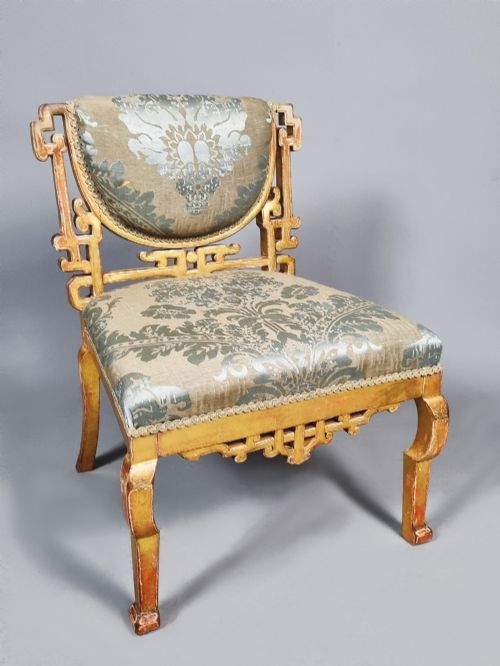
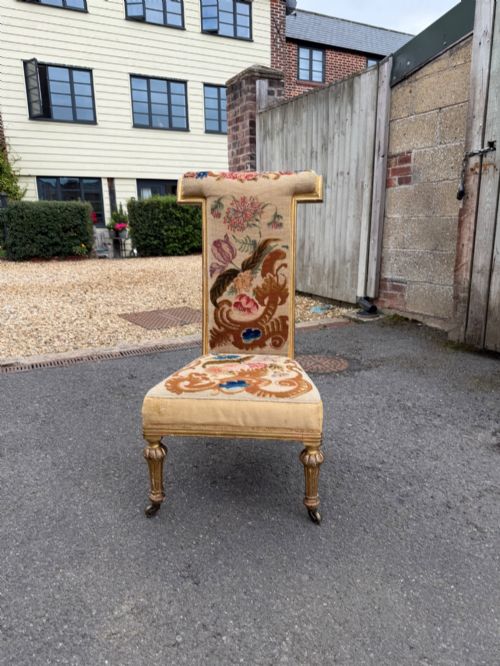
When you want an antique gilded chair, you are choosing centuries of carved wood and brilliant gold leaf designed to catch the light in a formal room.
Antique Gilded Chair
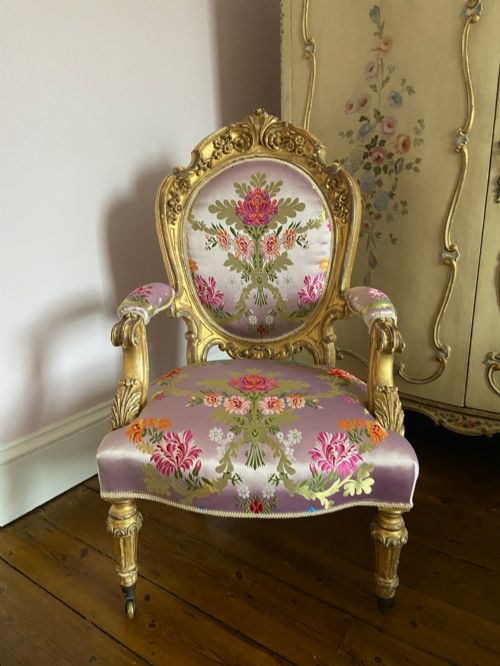
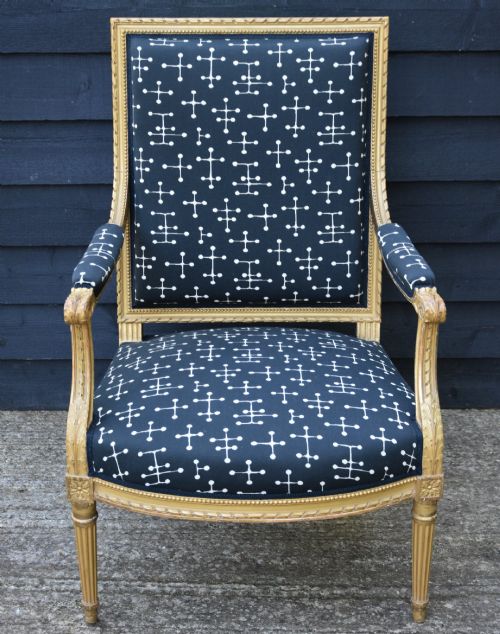
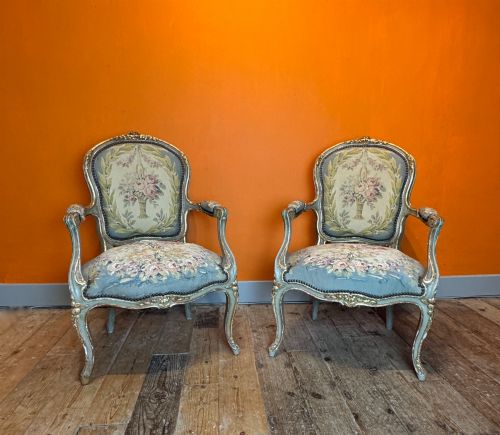
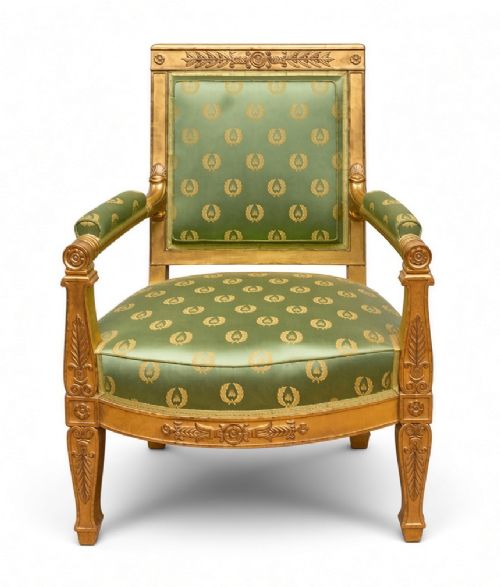
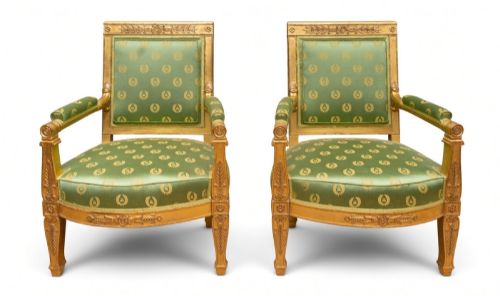
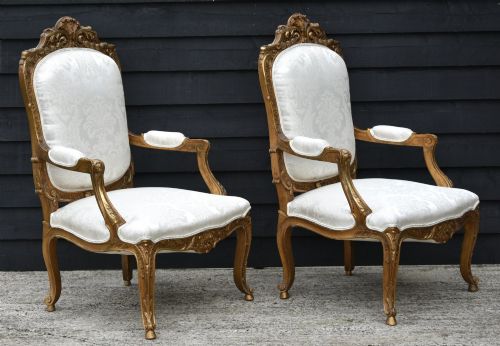
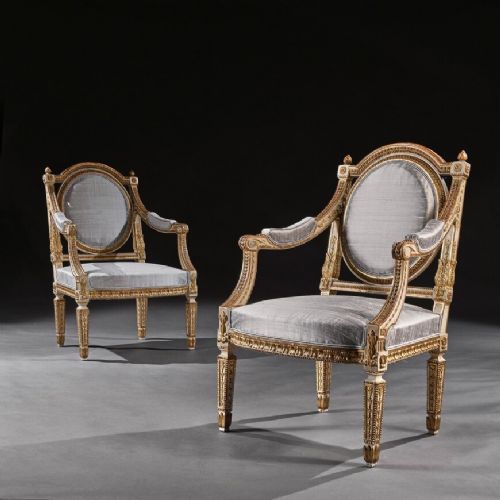
An antique gilded chair encompasses everything from grand eighteenth-century French fauteuils and bergères to nineteenth-century salon chairs, dining seats, and occasional furniture.
You will most frequently encounter nineteenth-century French and English pieces on this page, often reflecting Louis XVI styles, Rococo Revival tastes, or Regency elegance.
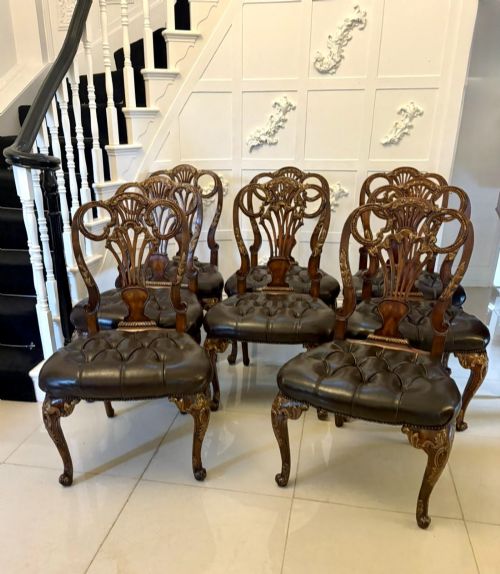
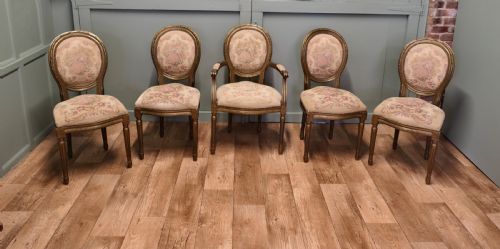
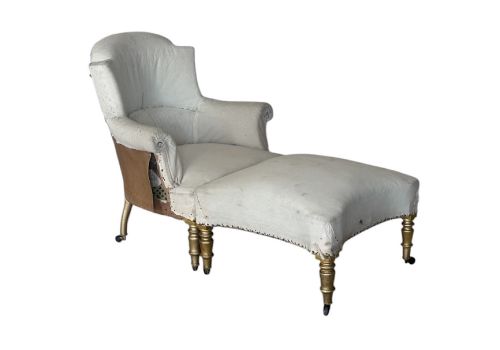
The selection ranges from single open armchairs and fireside seats to matched sets of dining chairs and multi-piece salon suites.
Materials and Construction
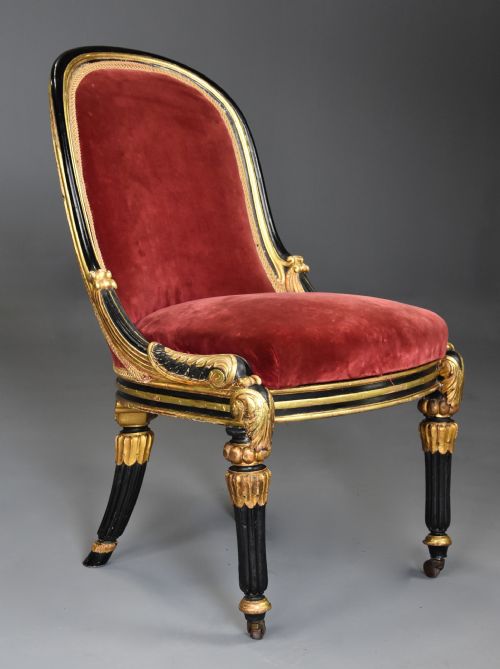
Cabinetmakers shaped the frames from hardwoods like beech, walnut, and occasional ebonised timber, carving intricate floral, scroll, and ribbon motifs by hand.
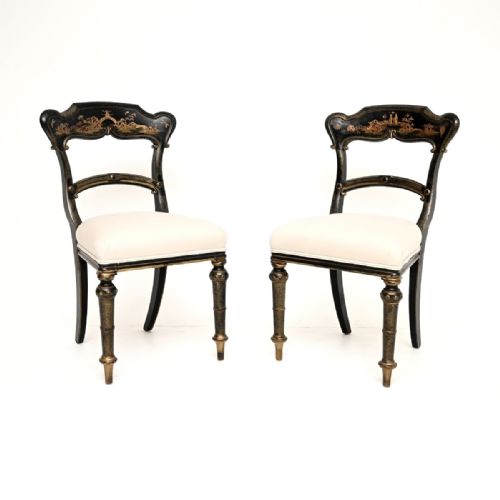
The surfaces received layers of gesso and size before being finished with delicate gold leaf or parcel gilt highlights, while some variations used lacquer, paint, or papier-mâché.
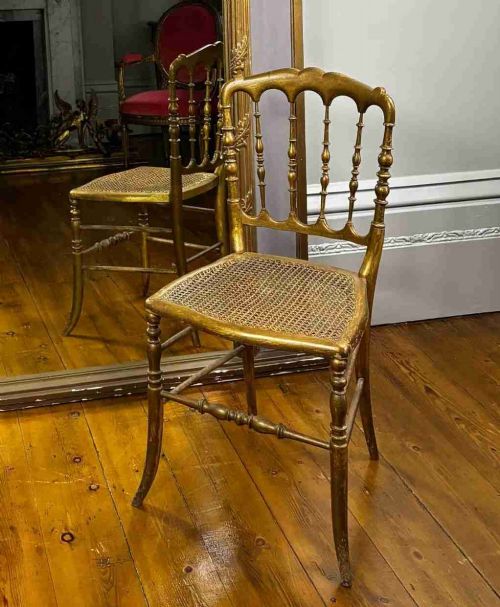
Upholstery completed the work, utilising traditional stuffing techniques covered in contemporary silks, damask, velvet, tapestry, or cane seating.
Among the seating, unexpected items appear, including a whimsical oil painting of a sedan chair and a miniature table-top vitrine cabinet.
Judging Quality
The crispness of the hand-carved detail distinguishes superior examples from standard production, as deep relief work and refined contours require exceptional skill.
The application and retention of the gold leaf dictate the visual impact, where burnished surfaces reflect light differently than flat or worn metallic paint.
Integrity of the timber frame, original joinery, and the authenticity of period upholstery materials separate untouched survivor pieces from later recreations.
Waugh & Son·Jacob-Desmalter·Holland & Sons
The Antique Gilded Chair Glossary
- Giltwood
- Timber that has been coated with thin sheets of gold leaf over a prepared gesso ground. This technique creates a luminous, warm metallic finish that defines formal seating.
- Fauteuil
- An open-framed upholstered armchair with exposed wooden arms originating in France. These seats typically feature padded armrests and distinct carved rails.
- Bergère
- An enclosed upholstered armchair featuring solid upholstered sides filled with stuffing or cane work. They offer a deeper, more enclosed seat than standard open armchairs.
- Parcel Gilt
- Decoration where only specific raised details, carvings, or highlights of a painted or dark wood frame are gilded. This creates contrast against the underlying colour.
- Caned Seat
- A seating surface woven from split rattan cane in an open mesh pattern. This technique provides lightweight strength and flexibility to salon and side chairs.
Antique Gilded Chair: Frequently Asked Questions
Are these chairs comfortable?
Antique gilded chairs were built for formal reception rooms rather than modern lounging. Their upright backs and firm stuffing encourage a polite, straight posture.
Many examples feature padded armrests and sprung or webbed seats that provide adequate support for dining and conversation.
How do I date an antique gilded chair?
Dating relies on identifying the underlying furniture style, carving techniques, and wood types. Regency, Victorian, and Louis XVI revival pieces each carry distinct structural proportions.
Examining the construction methods inside the seat frame and the wear on the gesso layer further clarifies the period of manufacture.
Can I use them as dining chairs?
Dining sets appear occasionally, though most surviving gilded chairs are salon, side, or open armchairs intended for parlour use. Standard dining heights must be checked against the seat rail.
Matching sets of four, six, or eight provide an impressive seating arrangement around a formal dining table.