




Antique Gesso Overmantel
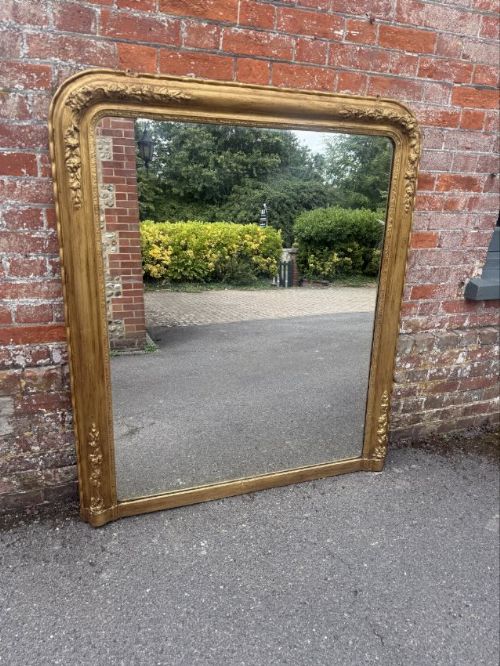
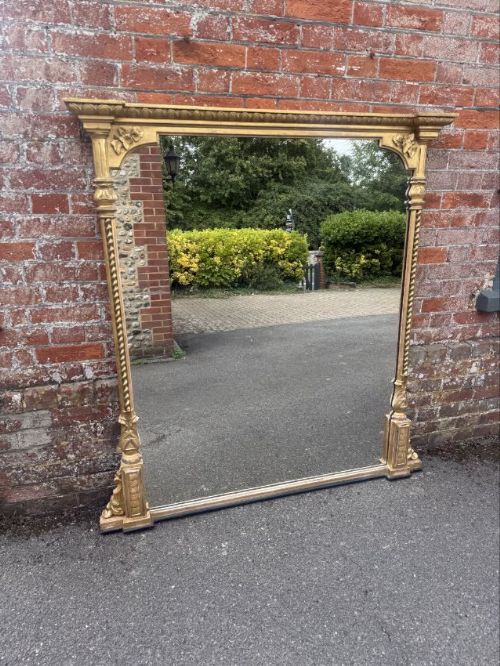
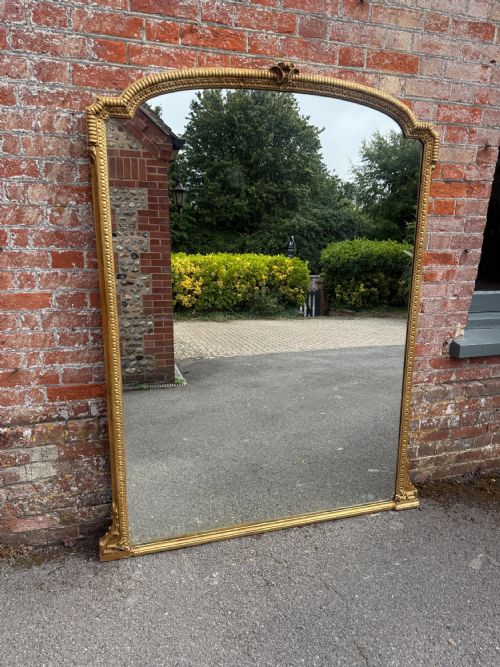
An antique gesso overmantel brings grand nineteenth-century proportion and reflected light to a chimney breast.
Antique Gesso Overmantel
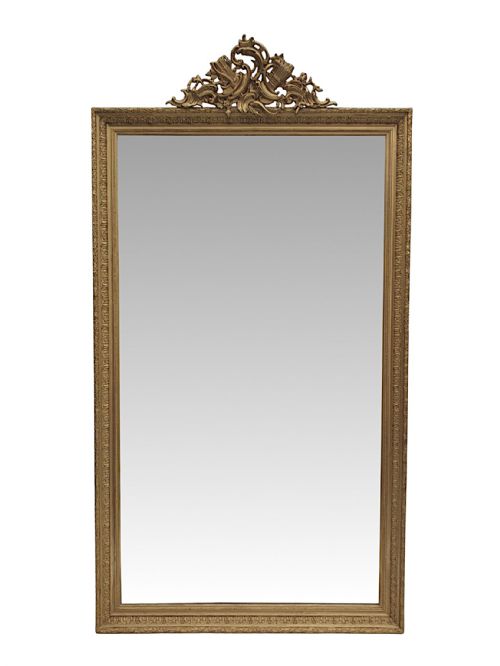
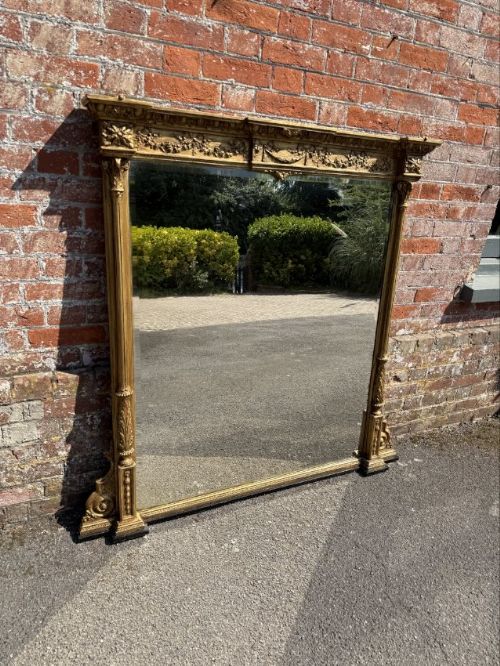
An antique gesso overmantel is a large wall mirror designed specifically to hang above a fireplace mantelpiece. The pieces found here span the eighteenth and nineteenth centuries, with the vast majority originating from Victorian England and provincial France during the 1850s to 1880s.
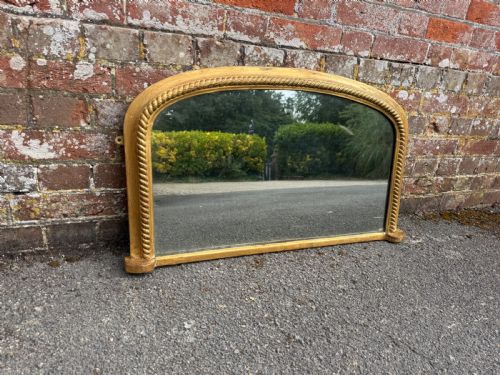
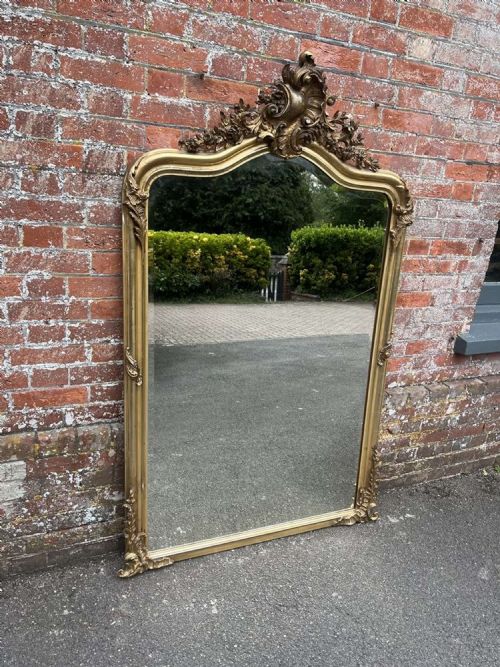
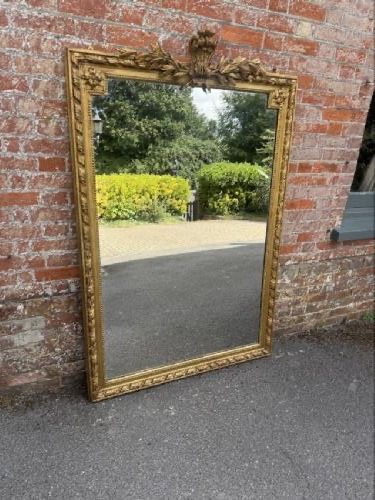
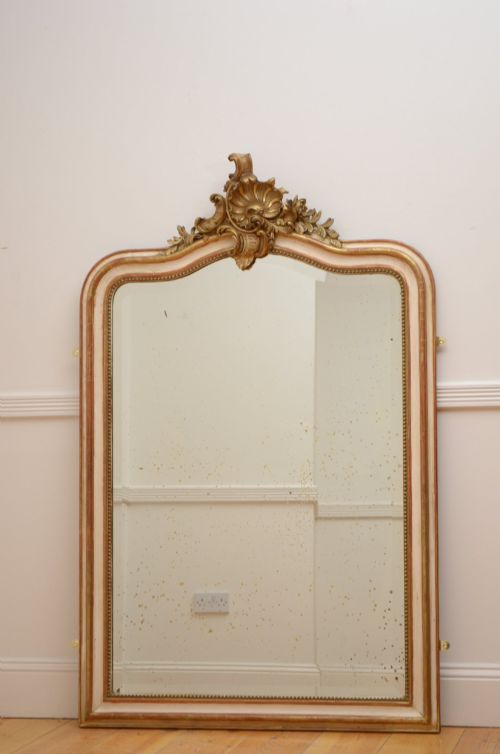
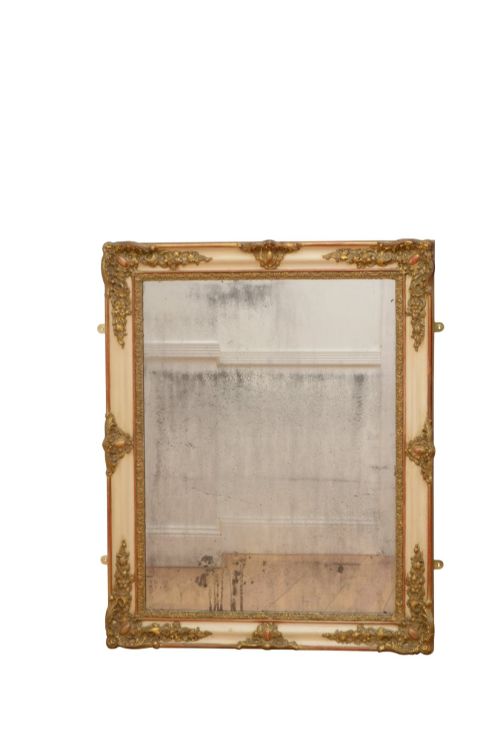
Most examples combine a sturdy timber frame with a moulded gesso surface, taking forms such as arched tops, shaped crests, and rectangular formats intended to command the proportions of a reception room.
Beyond standard English Victorian overmantels, buyers encounter continental variants including French Rococo, Louis Philippe, and chateau pieces that introduce distinct regional framing styles and painted or gilded finishes.
How They Were Made
The construction relies on a core of carved wood, typically pine or softwood, which provides structural integrity for the heavy frame. Artisans then applied layers of gesso - a mixture of chalk, gypsum, and binder - directly onto the timber base.
This gesso layer was carefully modelled, stamped, or carved with intricate surface decoration such as rope twists, ribbons, columns, and foliate scrolls before receiving its final finish.
Master craftsmen completed the frames by applying gold leaf, liquid metal gilding, or flat paint over the prepared gesso, securing original mirror glass within the rebate at the rear.
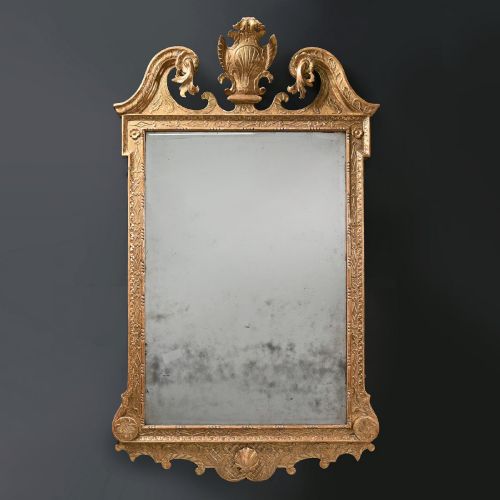
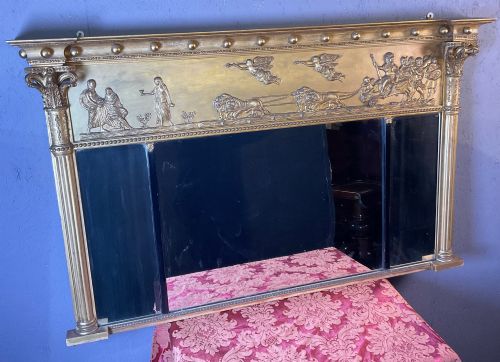
Listings feature eighteenth-century George II pieces alongside Victorian and nineteenth-century French chateau designs utilising gold leaf, carved wood, and mirror glass.
What Varies in Quality
Quality rests primarily on the depth and crispness of the moulded ornament, distinguishing sharply between deeply undercut hand-carved gesso details and shallow, mass-produced pressed composition mouldings.
The integrity of the original surface finish defines the upper tiers of the market, where untouched gold leaf or genuine early paint retention commands respect over later overpainting or heavy regilding.
Subtle architectural elements such as balanced proportions, original backboards, and authentic mercury or early flat glass elevate an overmantel far above standard decorative utility pieces.
The Antique Gesso Overmantel Glossary
- Gesso
- A plaster-like material applied to wooden frames to create a smooth surface for carving and gilding. It allows for crisp, intricate relief ornamentation that wood alone cannot easily achieve.
- Overmantel
- A large mirror specifically proportioned to sit on the wall directly above a fireplace mantel. These pieces visually anchor the hearth and amplify light within principal rooms.
- Giltwood
- Timber that has been coated with a thin layer of gold leaf or metallic powder. This finish creates a luminous, reflective surface highly characteristic of period formal rooms.
- Pier Mirror
- A tall, narrow mirror designed to hang on the wall space between two windows. They share construction methods with overmantels but suit vertical architectural spaces.
- Rococo Revival
- A nineteenth-century design style emulating the asymmetrical scrolls, shell motifs, and natural curves of the eighteenth-century French movement. It heavily influenced the ornate framing of Victorian mirrors.
Antique Gesso Overmantel: Frequently Asked Questions
Can these mirrors go in rooms without fireplaces?
While originally built for chimney breasts, these large mirrors function effectively on any expansive wall space in a hallway or principal reception room. Their proportions bounce natural light deep into dark corners.
Ensure the chosen wall has sufficient width to accommodate the heavy architectural framing without looking cramped.
How do I clean antique gesso safely?
Dust the ornate gesso surface gently using a dry, ultra-soft artist brush or feather duster. Avoid applying moisture, pressure, or modern chemical cleaning sprays, which soften historical gesso and lift fragile gilding.
Glass panels require only a minimal amount of glass cleaner applied to a cloth rather than sprayed directly onto the frame.
What indicates an eighteenth-century piece?
Earlier eighteenth-century examples display deeper hand-carving directly into timber grounds alongside heavier gesso build-ups with distinctive early peg joinery. The framing profiles often follow strict Georgian or early rococo geometry rather than Victorian mass production.
Examining the rear construction boards and the distortion within the original mirror glass helps confirm chronological age.