



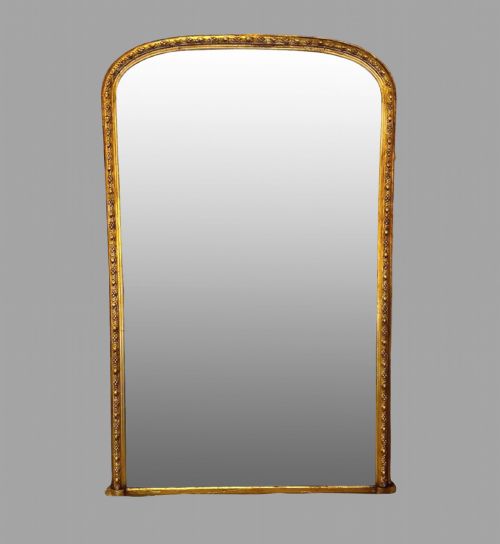
French Arched Wall Mirror
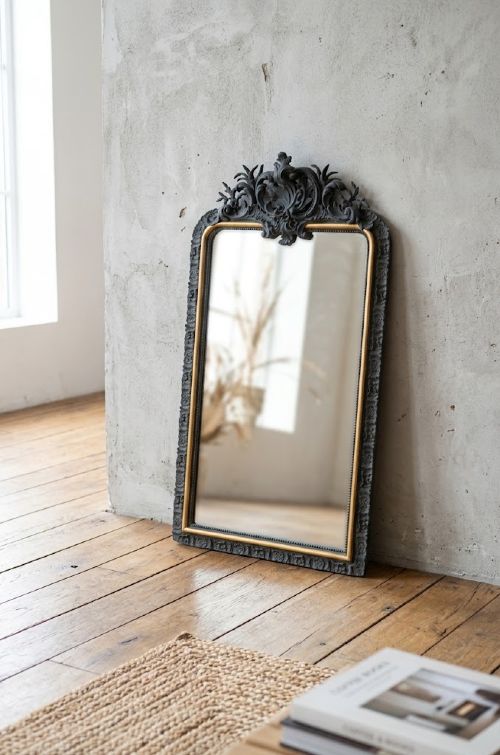
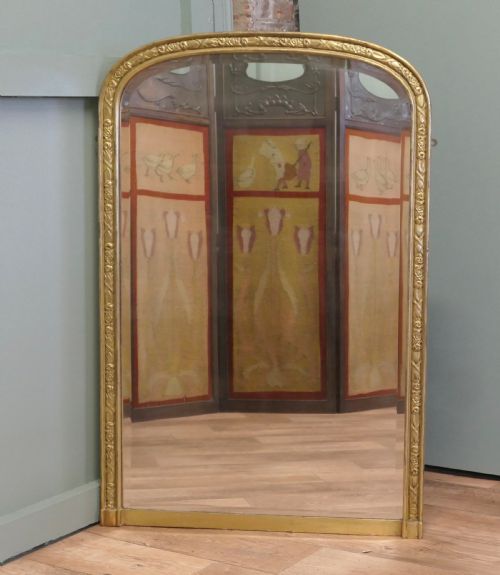
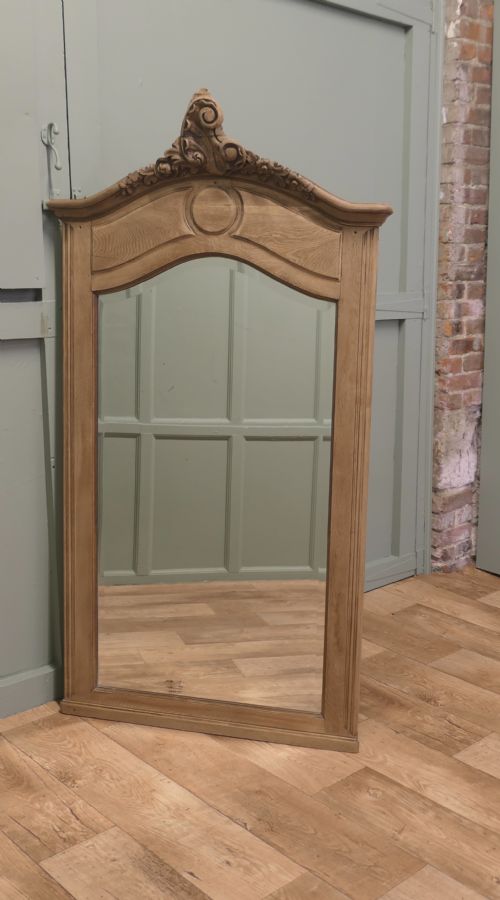
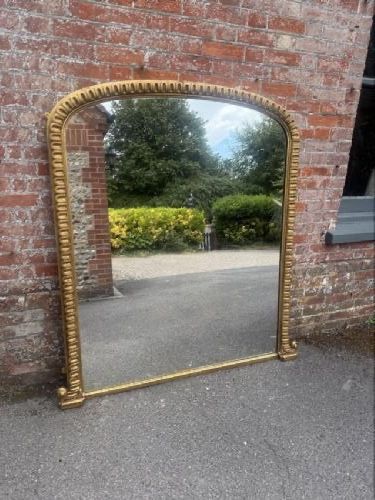
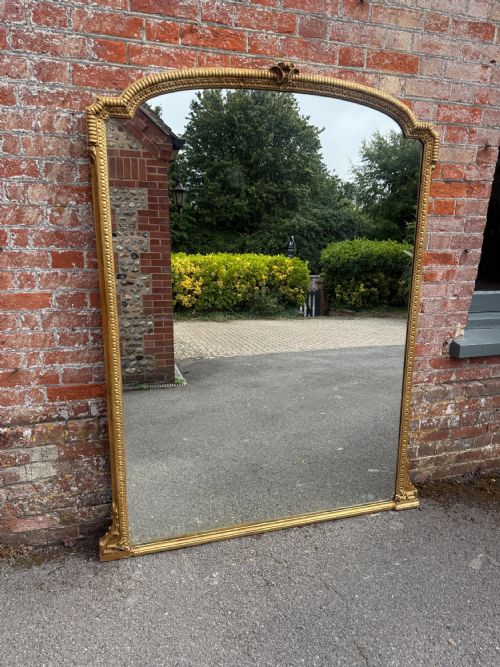
The french arched wall mirror brings a generous sweep of nineteenth-century proportion and reflected light to a room.
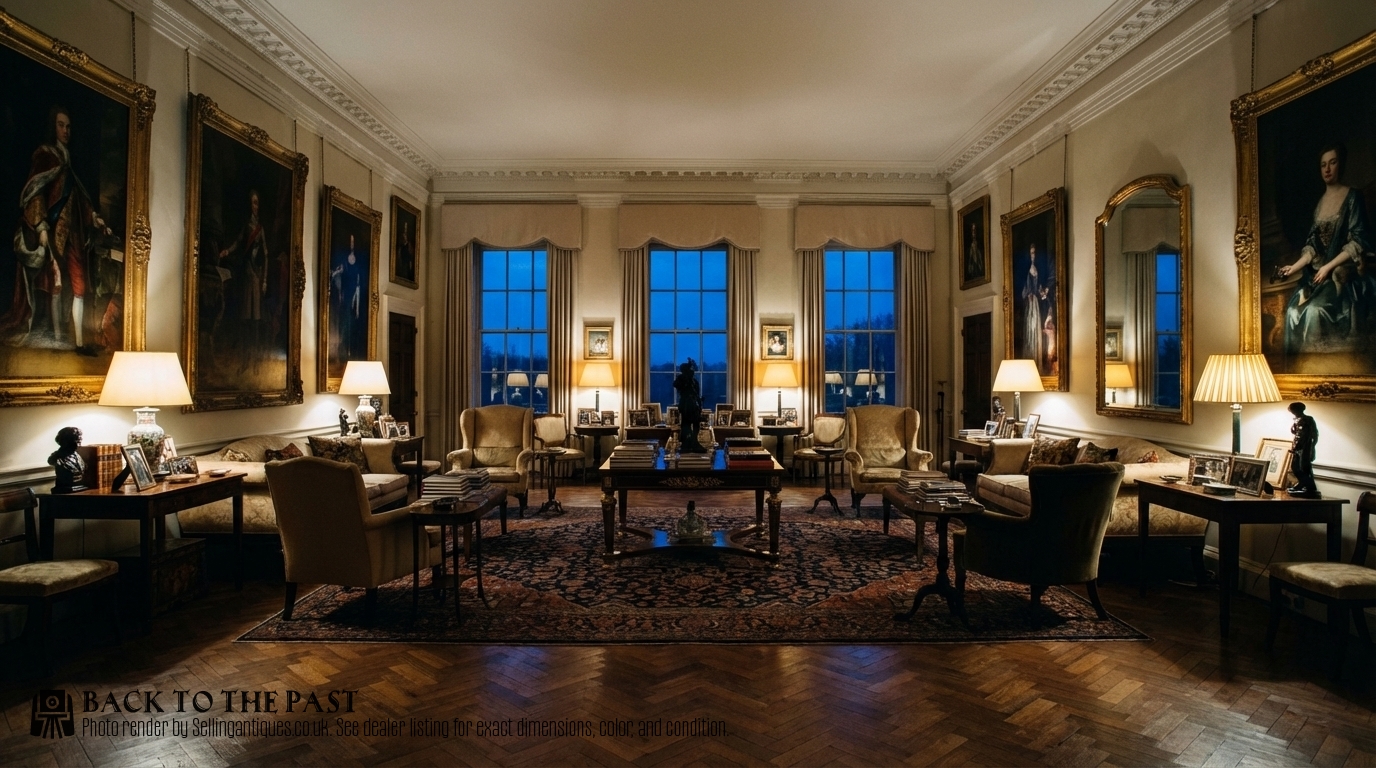
French Arched Wall Mirror
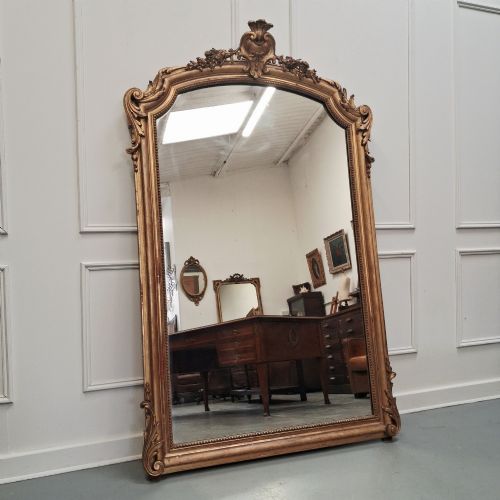
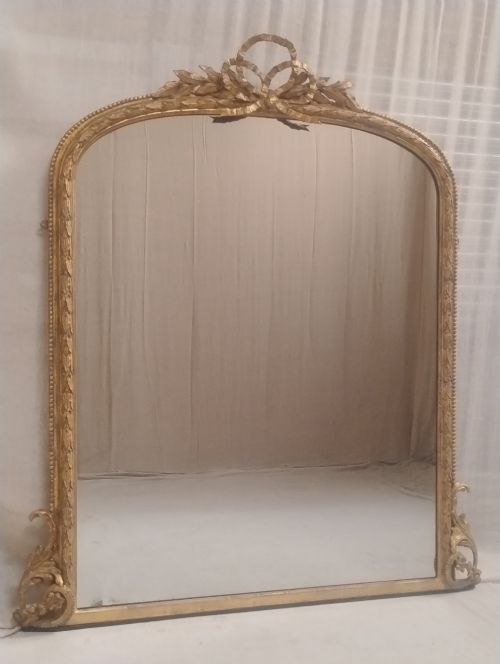
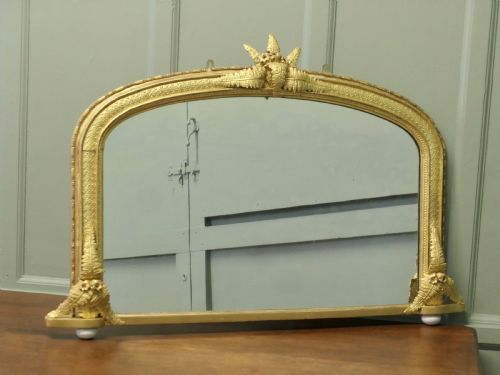
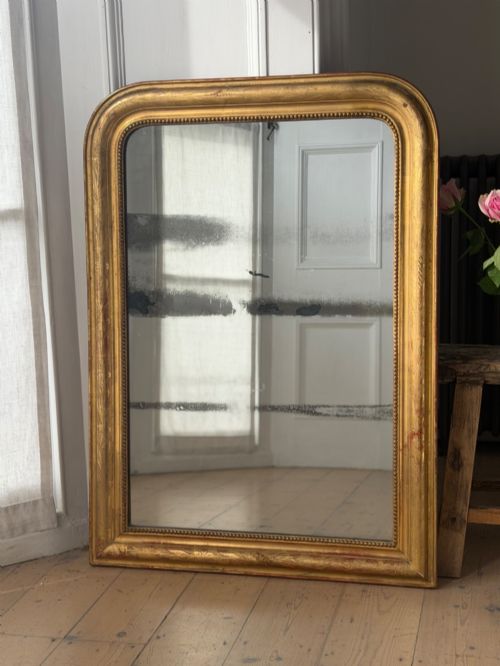
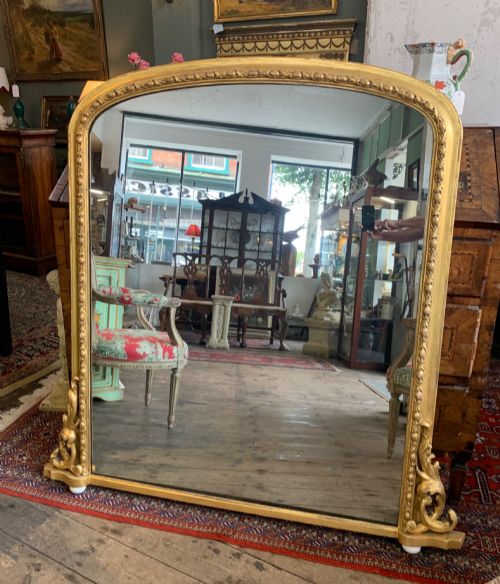
A french arched wall mirror sits within a lineage of nineteenth-century decorative forms, most frequently encountered here as large overmantel mirrors or tall pier mirrors. These pieces originate from periods spanning the Victorian era, the Georgian years, and the late nineteenth century, aligning with styles such as Louis Philippe, Rococo Revival, and French Provincial. The overarching design combines an arched top silhouette with substantial proportions designed to anchor a chimney breast or tall wall space.
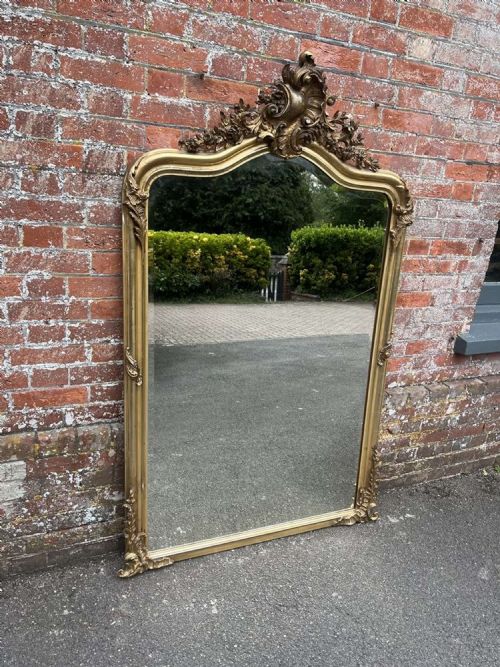
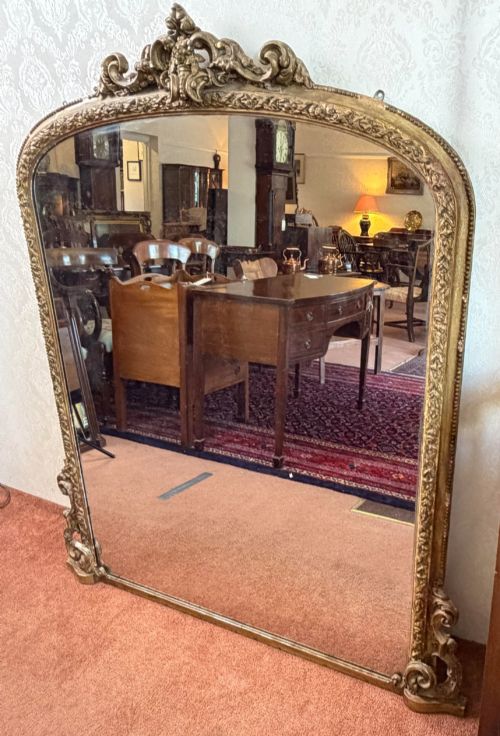
Buyers seeking this phrase will find that the physical form varies between grand architectural overmantels and narrower pier mirrors intended for placement between windows. Many examples display the characteristic rounded or arched apex set above a rectangular glass plate, framed by carved mouldings or ornate crestings. The presence of nineteenth-century French and English workshop traits defines the selection available on the market.
The aesthetic impact relies heavily on the integration of frame and glass, where the arched profile softens the vertical rigidity of interior walls. Pieces range from restrained Louis Philippe mouldings with gently curved top corners to highly ornate Rococo Revival designs with detailed crests. This variety ensures that a french arched wall mirror can function either as a subtle architectural accent or as the dominant focal point of a room.
How they were made
Traditional construction relies upon carved wood frames built up with gesso to create crisp relief details and moulded embellishments. Artisans shaped timber substrates before applying layers of plaster-based gesso, which accepted deep incisions and applied decorative motifs like rope twists or floral mouldings.
Gilding and painting techniques completed the surface, utilising gold leaf, liquid gold, or layered palettes of cream, red, silver, and painted wood. Mercury glass or early silvered mirror plates were fitted into the rabbet, frequently exhibiting natural ageing such as foxing across the reflective surface.
The inventory records distinct object types including overmantel mirrors, pier mirrors, and standard wall mirrors across French and English styles.
What varies in quality
Quality in these pieces is dictated by the depth and clarity of the original gesso work and the crispness of the wood carving. Superior examples retain deeply undercut mouldings, intricate crests, and original gilding layers rather than later repaintings.
The integrity of the glass plate also establishes value, particularly when original mercury or silvered mirror glass survives with authentic foxing and minimal distortion. Structural soundness in the heavy wooden backing boards and original joinery further separates standard utility pieces from exceptional statement items.
The French Arched Wall Mirror Glossary
- Gesso
- A plaster-based material applied to wooden frame foundations to create a smooth surface for subsequent gilding or painting. This mixture allowed artisans to carve intricate relief ornaments directly onto the mirror frame.
- Overmantel Mirror
- A large mirror specifically proportioned to hang on the wall directly above a fireplace mantelpiece. These pieces often feature wide horizontal or vertical dimensions to balance the hearth below.
- Pier Mirror
- A tall, narrow mirror traditionally positioned on the solid pier of wall space situated between two windows. Their vertical format maximises available light in nineteenth-century rooms.
- Foxing
- The natural degradation and oxidation of the backing silver or mercury on vintage mirror glass, appearing as dark spots or clouded patches. Collectors prize original foxing as a sign of genuine age.
- Louis Philippe
- A French nineteenth-century design style characterised by understated elegance, simple curved top arches, and restrained decorative mouldings. It bridges the gap between heavy empire forms and later revivalism.
- Trumeau
- A decorative wall mirror incorporating a painted panel or artwork directly above the glass plate within a unified frame. These architectural pieces originated in grand French interiors.
French Arched Wall Mirror: Frequently Asked Questions
Where should a french arched wall mirror be hung?
These mirrors traditionally anchor a room when positioned centrally above a fireplace mantelpiece, reflecting light across the floor space. Their substantial scale also suits placement on a primary living room wall or above a sideboard.
Alternatively, taller pier glass variants work effectively between windows or in high-ceilinged hallways. The arched top profile draws the eye upward, enhancing the perceived height of the interior architecture.
How do I identify a nineteenth-century mirror?
Examination of the reverse usually reveals heavy wooden construction boards secured with period fixings, alongside hand-carved framework beneath the gesso layers. The presence of original mercury glass with characteristic edge darkening or foxing points toward nineteenth-century manufacture.
Stylistic markers such as Louis Philippe curves, Rococo Revival asymmetry, or Victorian gilt gesso mouldings further assist in dating the piece accurately. Comparing the joinery methods against known historical standards confirms the era of production.
What is the difference between an overmantel and a wall mirror?
An overmantel mirror is specifically engineered in proportion and weight to sit safely above a fireplace hearth, often featuring a wider base to span the width of the mantel shelf. General wall mirrors lack this specific architectural requirement and can be square, rectangular, or vertically elongated for standard room placement.
While both share arched tops and ornate frames in nineteenth-century designs, overmantels tend to dominate the elevation of a reception room wall. Wall mirrors offer more flexibility for placement across various rooms and narrower wall spaces.
How should I clean antique mirror glass?
Cleaning requires a soft microfiber cloth and a gentle, non-ammonia cleaning solution applied sparingly to avoid seeping behind the plate. Moisture must be kept away from the edges where the original silvering or mercury backing remains vulnerable to further deterioration.
Harsh chemical sprays and abrasive paper towels will damage both the fragile historic glass and the surrounding gilded gesso frame. Regular dusting with a dry cloth is generally sufficient to maintain the surface.
Can these heavy mirrors be hung safely?
Due to the substantial weight of carved wood, thick gesso, and dense glass plates, professional wall fixings into structural studs or masonry are essential. Heavy-duty mirror brackets or integrated hanging wire rated for the specific load must be employed to secure the frame firmly.
Positioning the base of the mirror to rest slightly upon a mantel shelf or console table provides additional mechanical support. Consulting a professional installer ensures the weight is distributed safely across the wall.