

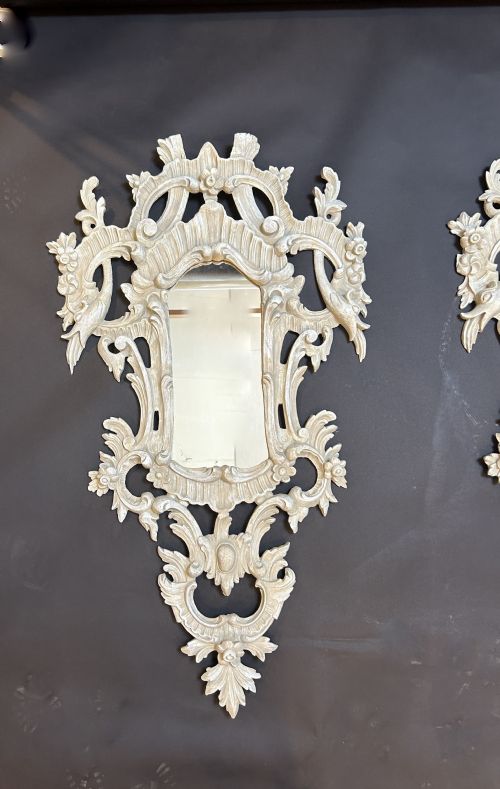


Cream French Mirror
Searching for a cream french mirror reveals ornate, light-toned frames designed to reflect light and soften interiors with traditional continental elegance.
Cream French Mirror
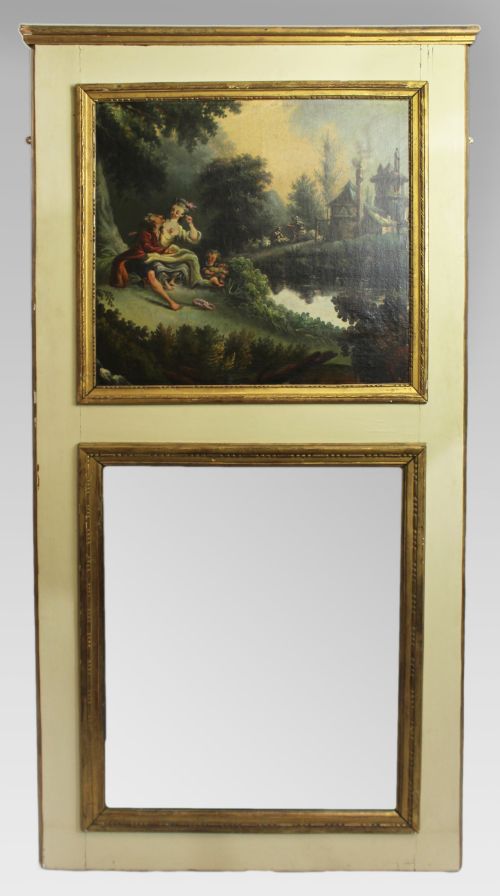
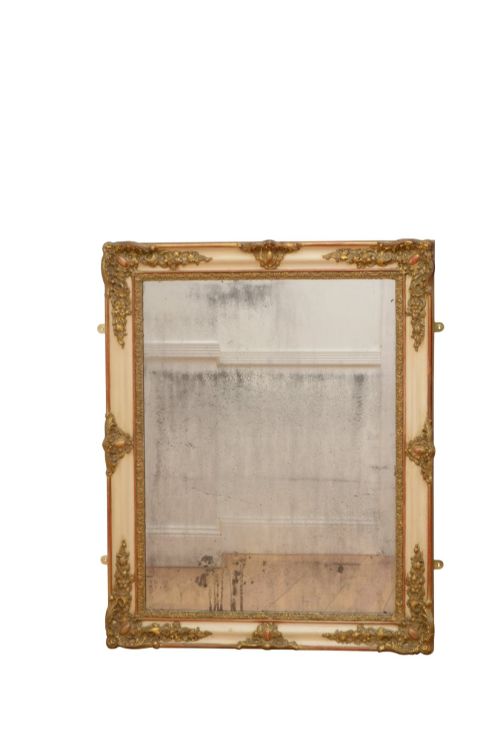
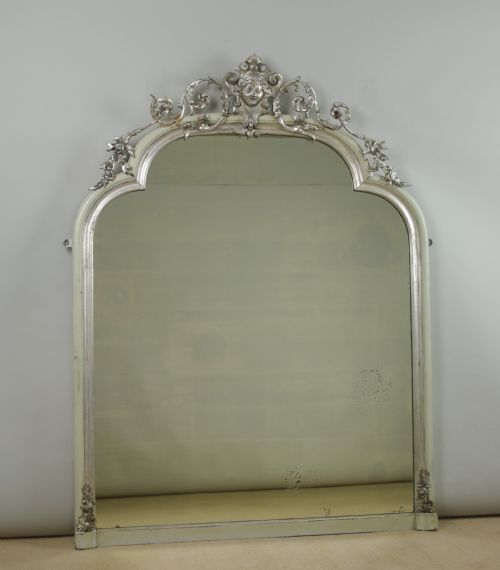
A cream french mirror encompasses wall-hung and overmantel looking glasses originating primarily from the nineteenth and early twentieth centuries. These furnishings range from simple arched panels to elaborate trumeaux incorporating pastoral paintings or decorative crests. Surviving examples reflect historical styles including Rococo Revival, Louis Philippe and French Provincial designs.
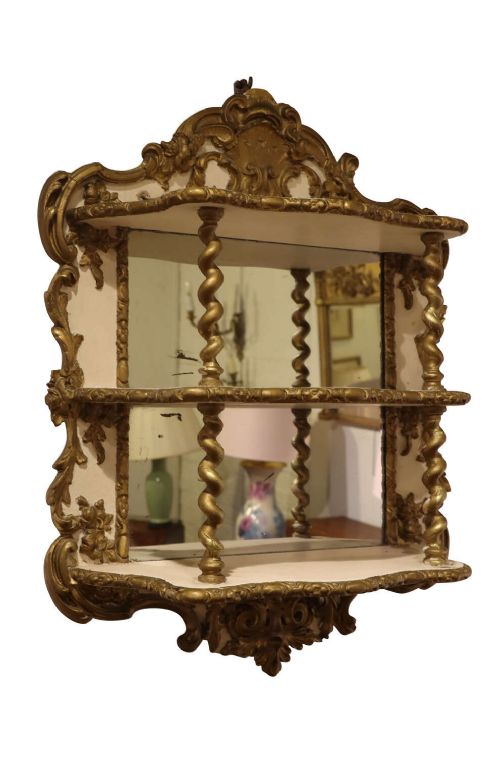
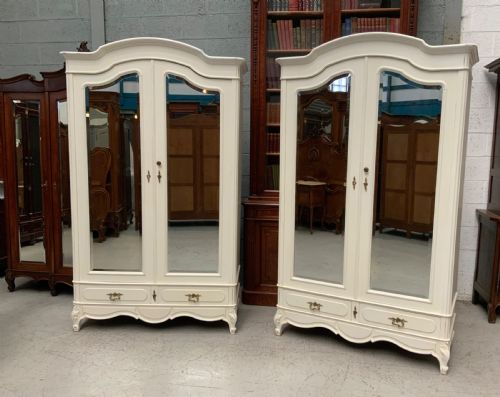
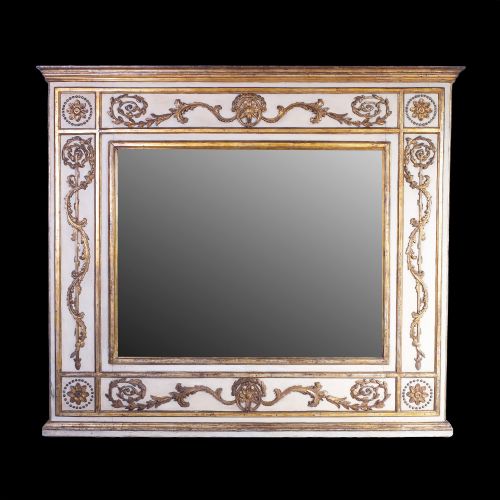
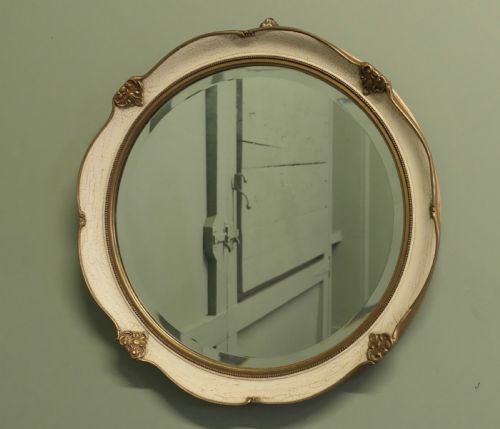
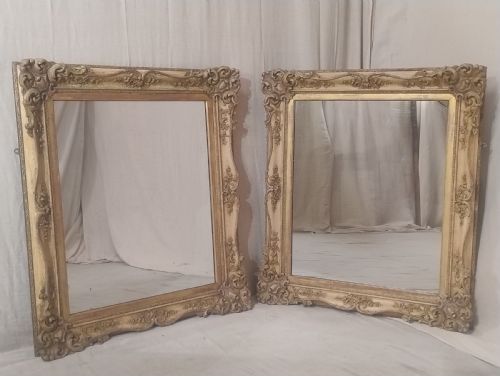
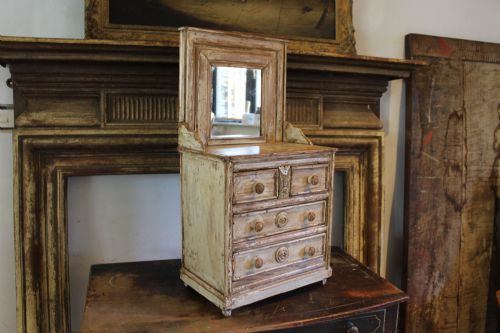
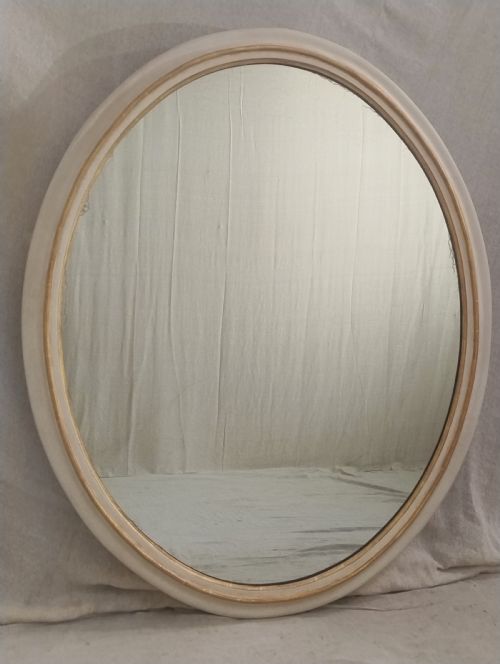
The objects seen here most frequently are large nineteenth-century wall and overmantel mirrors featuring carved wooden frames. Many display original painted or gessoed surfaces in pale tones, often combined with parcel gilding or silvering. Buyers encounter variations suited for domestic spaces, from grand salon pier mirrors to intimate dressing table looking glasses.
How they were made
Makers constructed the structural frames of these mirrors using timber, upon which they applied layers of gesso to build up intricate relief ornaments. Artisans then carved or moulded floral motifs, scrolls and architectural details directly into the gesso surface before finishing. This composite base provided a stable foundation for subsequent paint and metal leaf application.
Surfaces received hand-applied coats of paint, frequently in cream or off-white pigments, sometimes distressed or layered over burnt red and orange grounds. Craftsmen added highlights using gold leaf, parcel gilt or silvering to accentuate the carved mouldings and high points of the relief decoration.
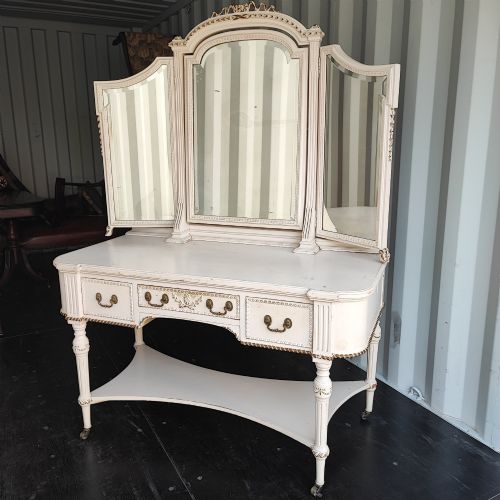
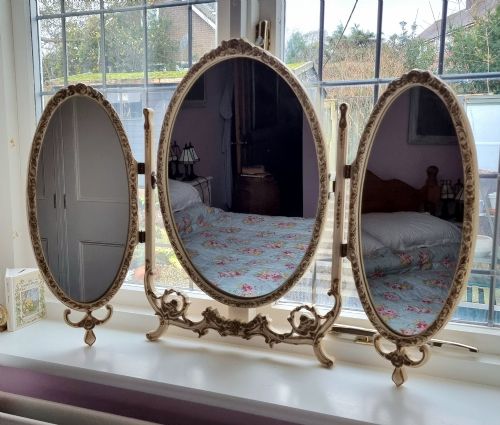
Several mirrors incorporate hidden folding side panels, allowing eighteenth-century users to check their profiles from multiple angles simultaneously.
What varies in quality
The distinction between tiers rests upon the depth and crispness of the hand-carved gesso ornamentation relative to moulded or mass-produced substitutes. Superior examples exhibit finely proportioned frames where the joinery remains tight and the decorative elements retain sharp, deliberate relief without soft edges.
Originality of surface finish dictates much of the desirability among surviving specimens. Pieces retaining their early layered paint, silvering or gilding demonstrate greater historical integrity than those subjected to modern repainting or heavy stripping.
maples of london and paris
The Cream French Mirror Glossary
- Gesso
- A mixture of gypsum or chalk and size used as a preparation surface for wood before painting or gilding. This material allows craftsmen to achieve smooth grounds and sharp relief carvings.
- Trumeau
- An architectural mirror panel often incorporating an oil painting or carved wooden panel above the glass. These were designed to fit neatly between windows or above mantelpieces in grand salons.
- Parcel Gilt
- A decorative technique where only specific parts of an object are covered in gold leaf. This method highlights particular carved details against a painted or dark background.
- Louis Philippe
- A nineteenth-century French style characterised by simple, graceful arched tops and restrained neoclassical lines. Such frames offer understated elegance compared to busier Rococo designs.
- Overmantel
- A large mirror specifically proportioned to hang directly above a fireplace mantel. These pieces dominated nineteenth-century reception rooms to amplify light from the hearth.
Cream French Mirror: Frequently Asked Questions
How do I hang a heavy overmantel mirror?
Heavy nineteenth-century mirrors require secure anchoring directly into wall studs or masonry using heavy-duty brackets rated for substantial weight. Because these frames combine solid wood, thick gesso and heavy glass, standard picture wire is insufficient.
Professional installation ensures the weight distributes evenly across the frame structure rather than straining the original antique joints. Consulting a specialist prevents damage to both the wall and the vintage timber frame.
Are these mirrors original antique glass?
Many surviving pieces retain their original mercury or early silvered glass, which often exhibits characteristic foxing, mottling and soft dark spots. These age-related imperfections confirm the antiquity of the looking glass and add distinctive visual character.
Replacement glass appears in some pieces where the original mirror deteriorated beyond utility during its history. Inspecting the silver backing helps determine whether the glass dates alongside the frame.
How do I care for antique gesso frames?
Maintenance requires gentle dusting with a soft, dry cloth without applying modern liquid cleaning sprays or abrasive polishes. Moisture can damage fragile gesso and cause flaking along carved relief details.
Keeping the mirror away from direct sunlight and excessive humidity preserves the stability of the wood and the integrity of the original painted surface.