


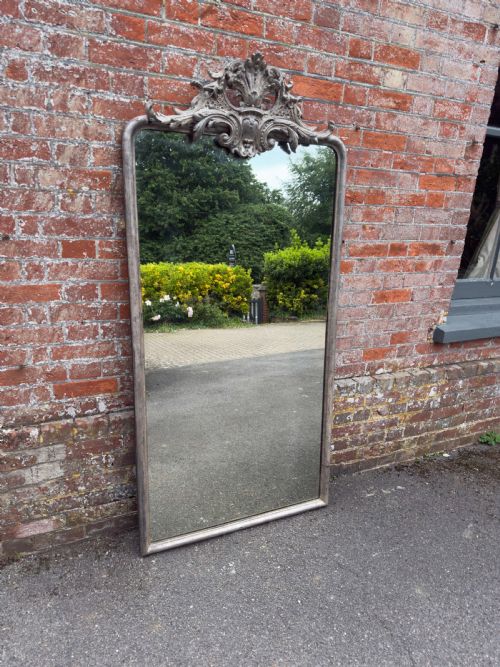

Antique Gesso Arch Mirror
An antique gesso arch mirror brings traditional nineteenth-century craftsmanship and reflective depth into a room, offering grand scale and ornate period detail.
Antique Gesso Arch Mirror
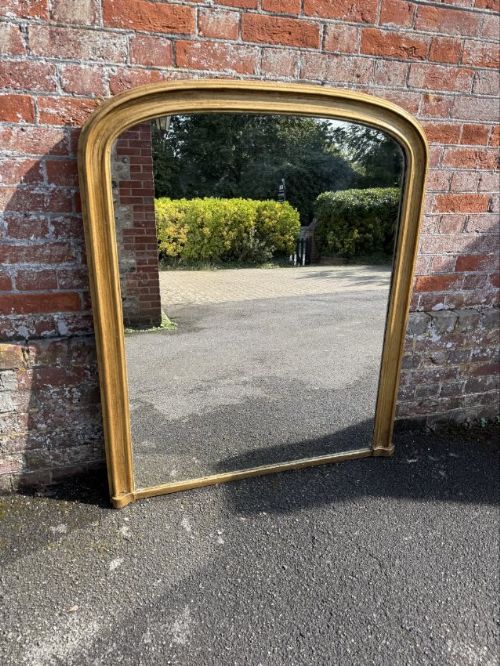
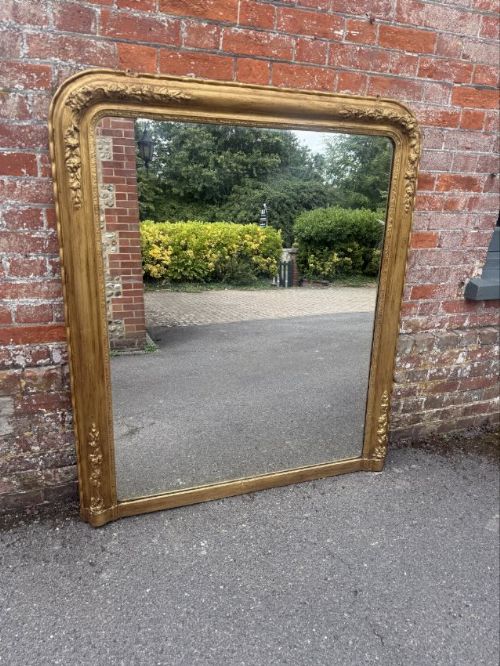
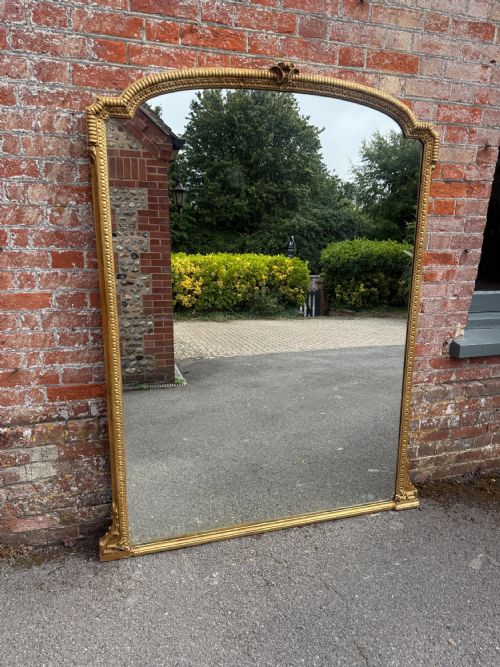
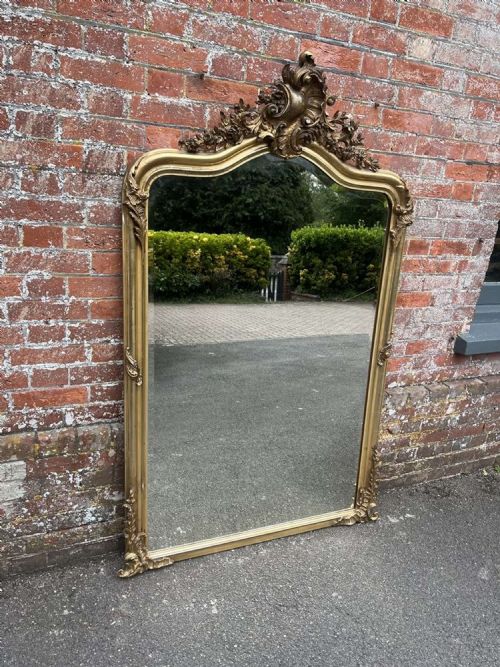
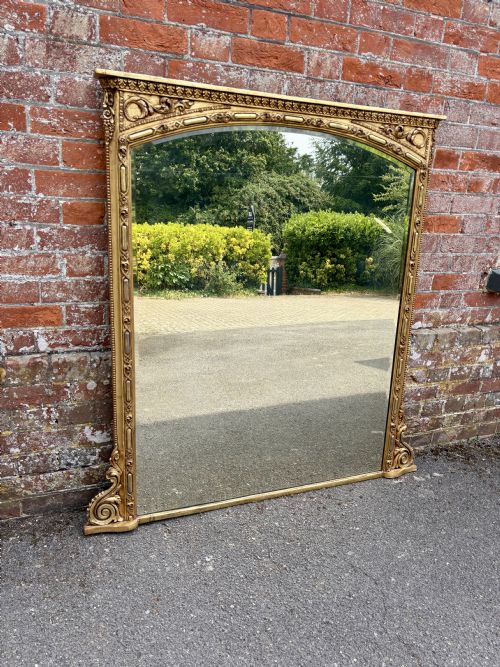
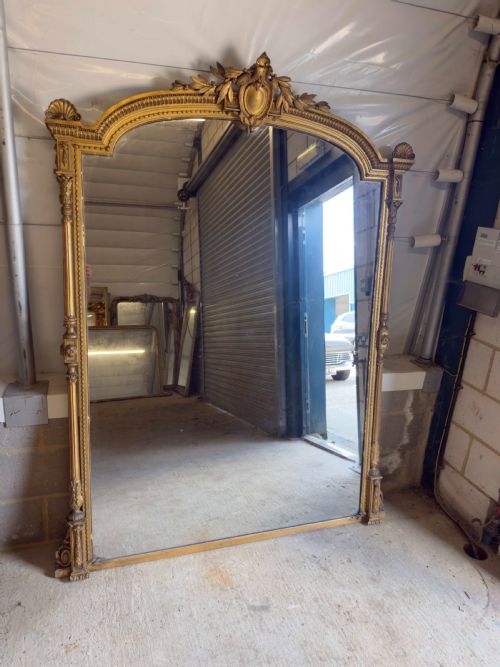
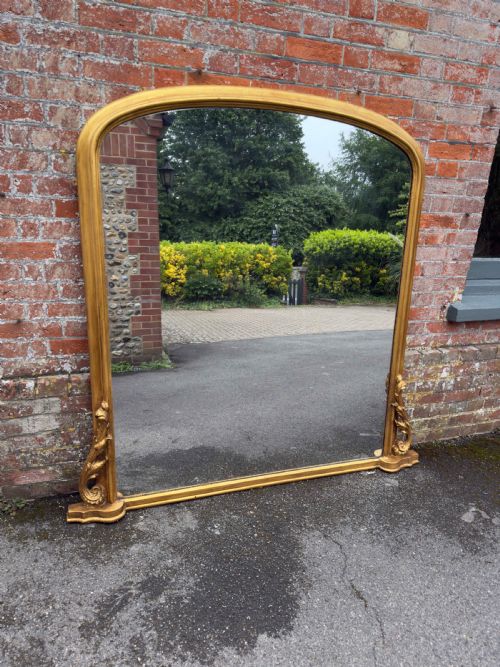
An antique gesso arch mirror is typically a large wall or overmantel mirror designed to mount above a fireplace or serve as a principal wall piece. These heavy glass plates are framed in carved wood coated with a prepared plaster ground, giving the frame its structural relief and decorative motifs. The nineteenth-century English and French examples dominate this category, often presenting sweeping arched tops with gilded or painted finishes.
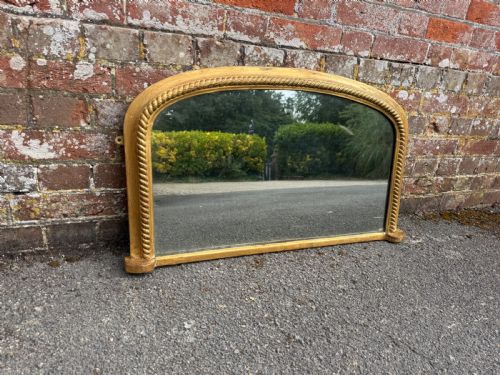
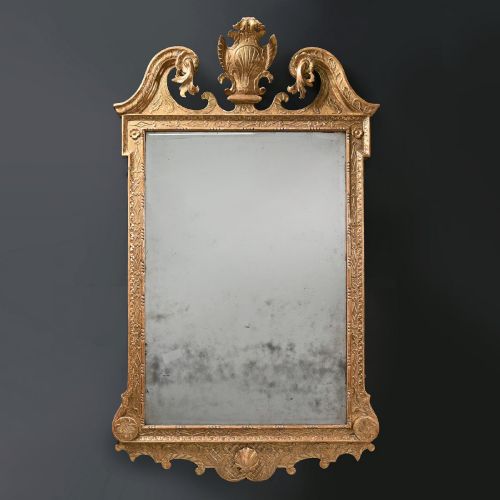
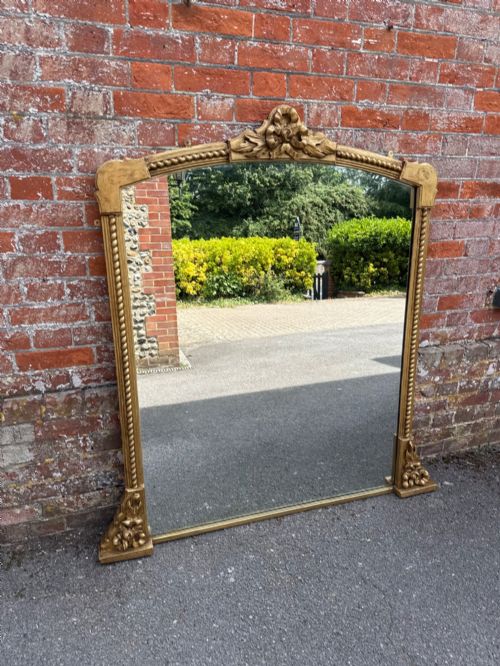
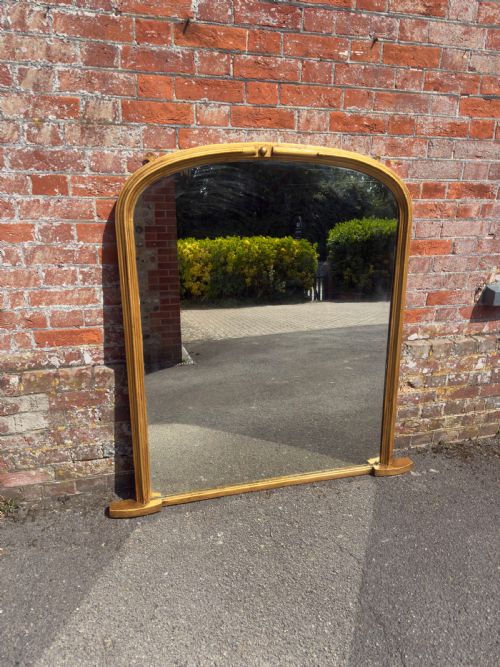
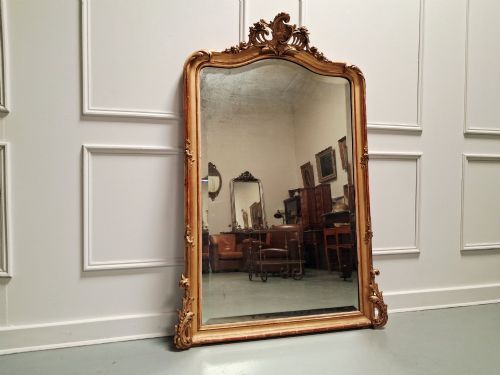
The selection ranges from restrained nineteenth-century English overmantel frames with rope twist or ribbed borders to elaborate French Rococo and Victorian neoclassical styles. Many pieces measure on a grand scale, designed specifically to fill large expanses of wall space in period interiors. Alongside standard giltwood variants, collectors encounter painted surfaces, silvered finishes, and occasional eighteenth-century George II period pieces.
How They Were Made
Makers constructed the carcass from carved wood, typically pine or hardwood, forming the underlying architectural shape and the curved arch. Onto this wooden base, artisans applied multiple layers of gesso, a mixture of chalk and binder, which was built up thick enough to carve, stamp, and model intricate surface details.
Once the gesso hardened and received its final sculptural definition, craftsmen applied gold leaf, liquid gilding, or paint to the prepared surface. Mirror glass was then set into the rebate behind protective backing, secured with original pins or wooden slips.
The inventory records overmantel mirrors, wall mirrors, and shaped top mirrors created in English, French, and Rococo styles.
What Varies in Quality
The precision and depth of the carved gesso relief separate ordinary frames from superior examples, as finely modelled foliate scrolls, tulip borders, and crisp rope twists require exceptional hand skill. The integrity of the underlying wooden structure and the purity of the original gilding or paint layer also dictate the overall standard of the piece.
Original mirror glass with authentic foxing and silvering preservation adds significant character compared to modern replacement plates. Furthermore, the complexity of the frame design - ranging from simple ribbed mouldings to ornate columns and laurel leaf motifs - reflects the original maker's investment of time and materials.
The Antique Gesso Arch Mirror Glossary
- Gesso
- A dense plaster mixture composed of chalk, gypsum, and glue applied to wood to create a smooth surface for gilding and carving. This compound allows for sharp relief work that holds fine detail.
- Giltwood
- Timber that has been covered with a thin layer of gold leaf or metallic powder. It provides a warm, reflective surface common on formal nineteenth-century frames.
- Overmantel Mirror
- A large mirror specifically proportioned to hang on the wall directly above a fireplace mantelpiece. These pieces frequently feature arched tops to mirror architectural clearances.
- Rococo
- An ornate design style characterised by asymmetrical scrolls, C-curves, and naturalistic plant motifs. It appears widely on Victorian and French mirrors from the nineteenth century.
- Ribbed Framed
- A moulding style featuring parallel convex or concave grooves running along the length of the frame. This decorative linear pattern adds texture to otherwise plain perimeters.
Antique Gesso Arch Mirror: Frequently Asked Questions
Where should I hang an overmantel mirror?
These large mirrors are traditionally mounted centrally on the wall directly above a fireplace mantelpiece. Their grand proportions also suit positioning above sideboards or low console tables in reception rooms.
Ensure the wall fixings are secured into solid studs or masonry to support the substantial combined weight of the wood, gesso, and glass.
How do I clean an antique gesso mirror?
Dust the carved gesso and giltwood frame gently with a soft, dry brush to prevent accumulating dirt in the intricate recesses. Avoid using liquid cleaners, moisture, or chemical solvents on the frame, as water softens the traditional chalk-based gesso.
Clean the mirror glass separately using a standard glass cleaner applied to a cloth rather than sprayed directly, ensuring liquid does not seep behind the edges.
How can I tell a nineteenth-century mirror from a modern reproduction?
Examine the backboards, fixings, and the nature of the glass plate for signs of age. Nineteenth-century examples often feature hand-cut timber boards, old fixings, and mirror glass with natural silver degradation or minor oxidation.
Inspect the gesso and frame joints under close light to check for the shrinkage cracks and wear patterns typical of genuine historical age.
What is the difference between French and English frames?
English nineteenth-century frames tend to follow architectural and restrained decorative lines, frequently incorporating rope twists, ribbed columns, or simple arched tops. French variants, particularly those in the Rococo or Louis Philippe styles, often display more exuberant, flowing asymmetrical curves and distinct crestings.
Both national traditions utilised carved wood and gesso foundations, but their decorative vocabularies reflect distinct regional aesthetic preferences.