
Antique Geometric Oak Drawers
Antique geometric oak drawers bring tangible seventeenth-century craftsmanship into a modern interior through deeply panelled, architectural drawer fronts.
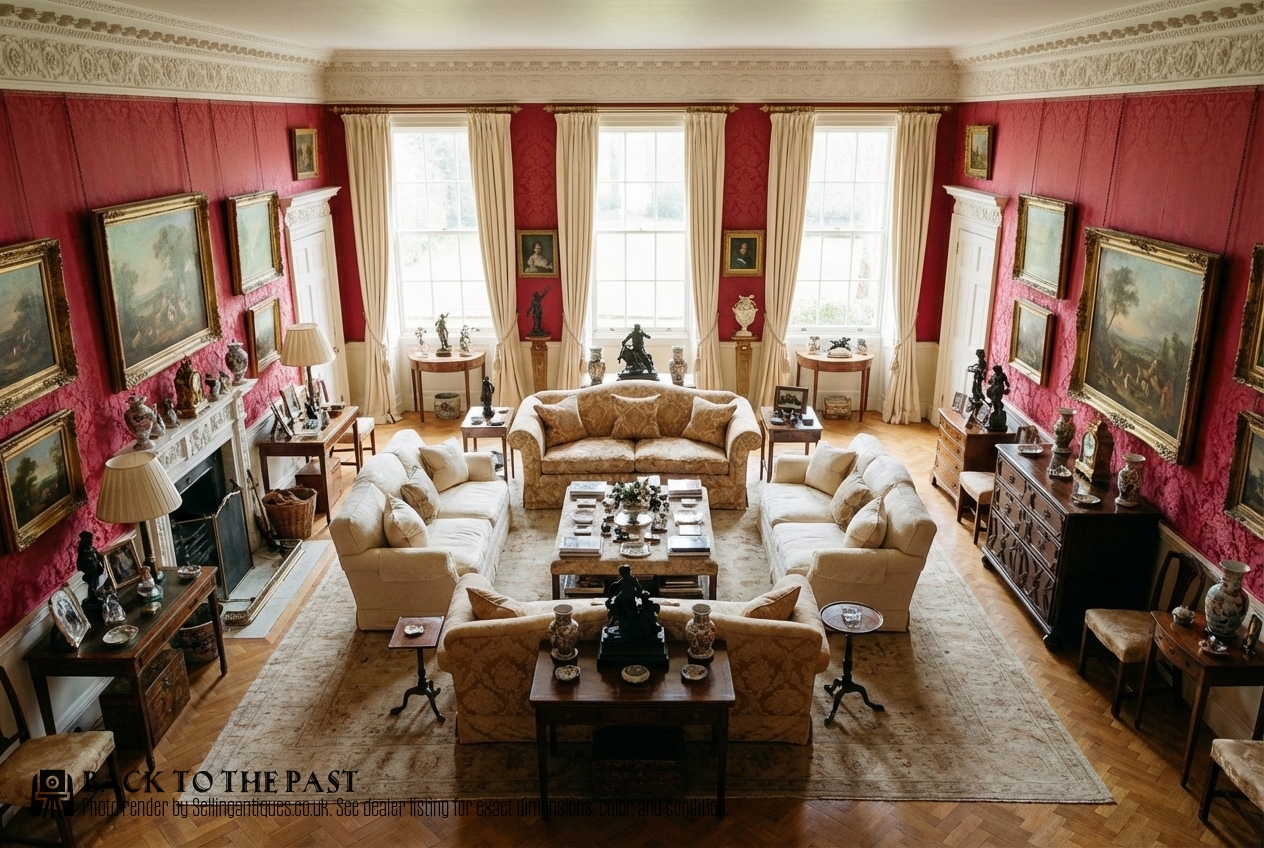
Antique Geometric Oak Drawers
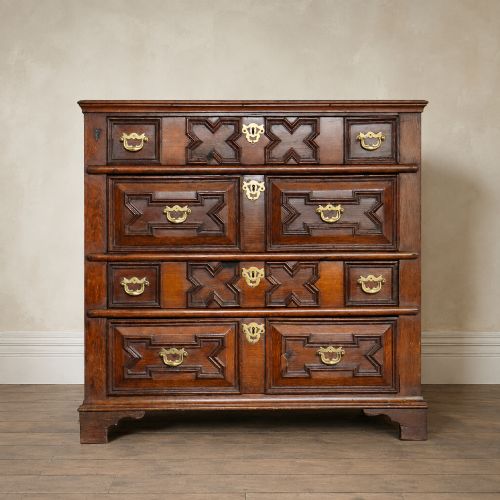
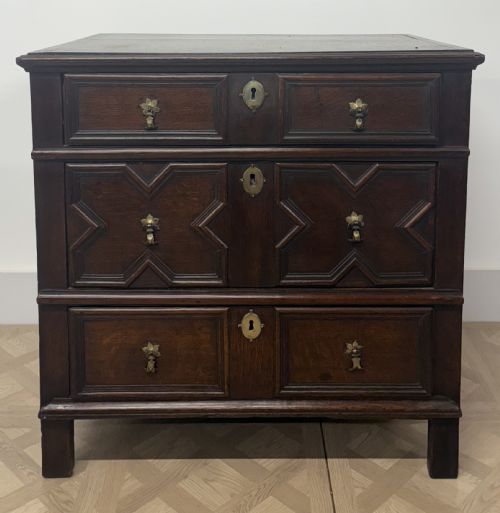
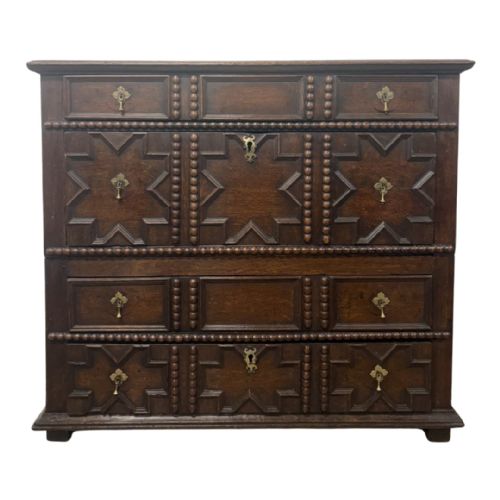
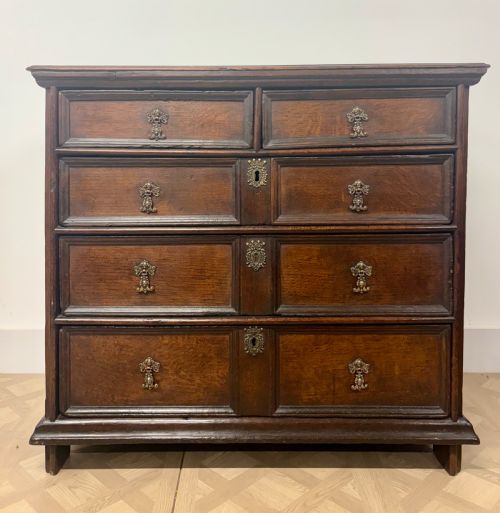
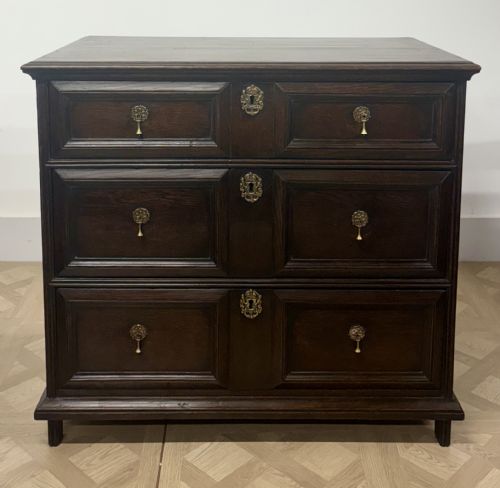
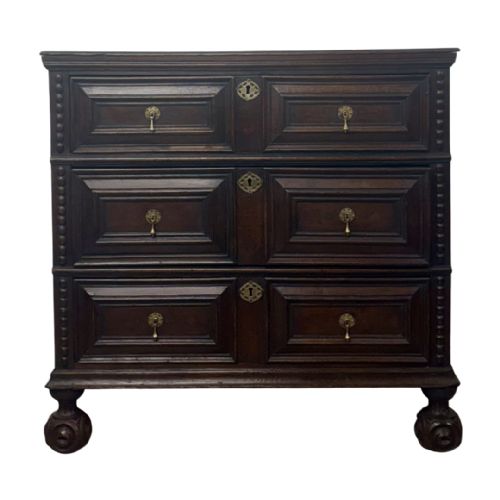
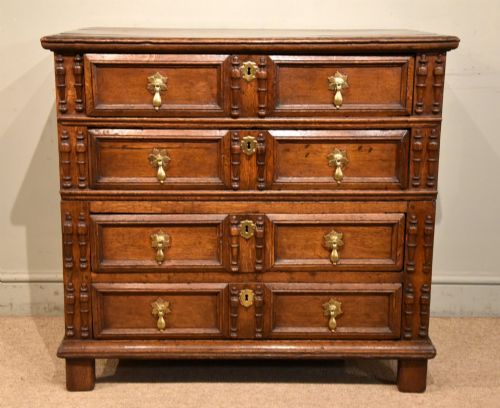
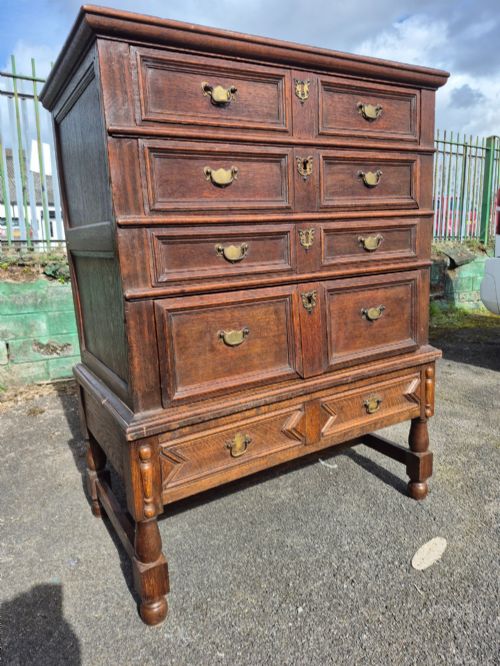
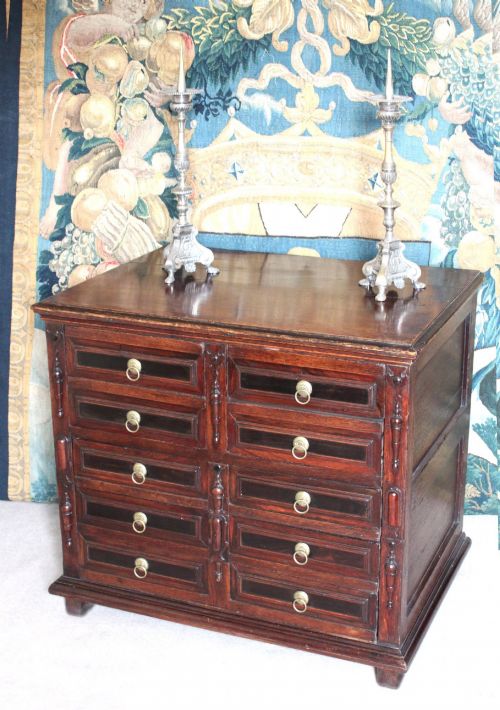
When browsing antique geometric oak drawers, the pieces most frequently encountered are chests of drawers from the seventeenth century, particularly the Charles II and William and Mary periods. These sturdy case pieces often feature multi-part constructions, such as two-part chests or chests on stands, designed to store household textiles and valuables.
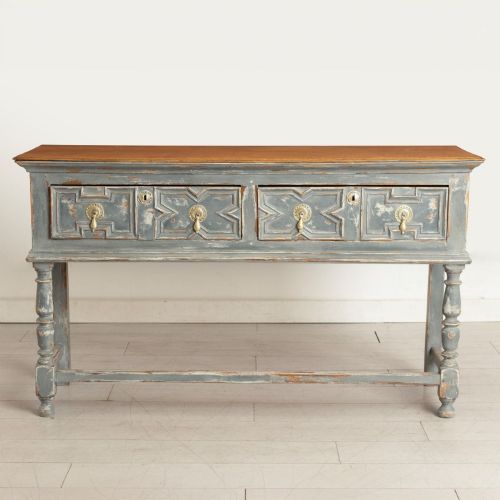
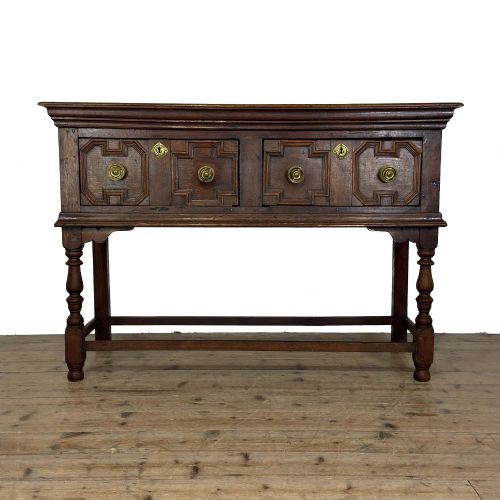
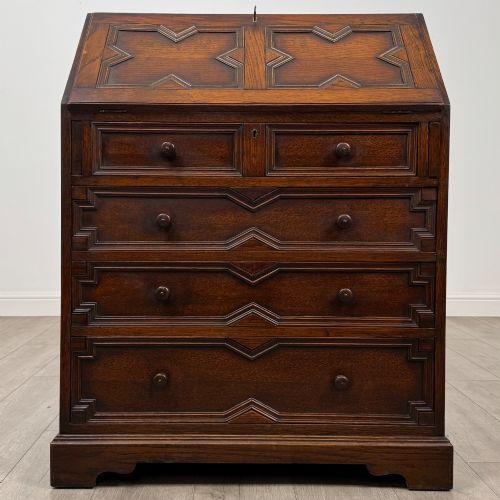
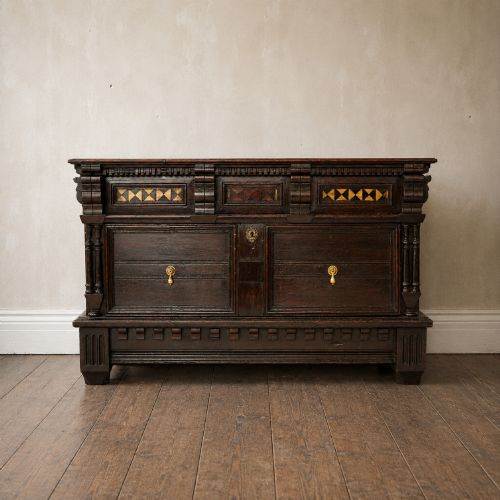
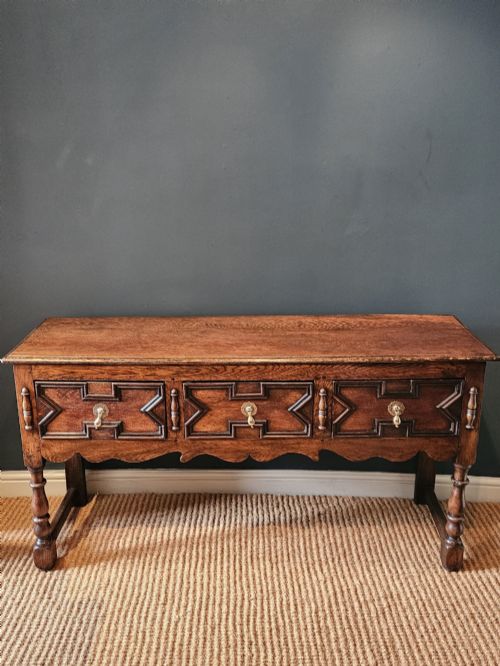
The defining characteristic of these items is the applied geometric moulding on the drawer fronts, arranged in squares, rectangles, and octagons. Alongside chests, buyers will occasionally locate dresser bases, sideboards, and bureaux that utilise the same rigorous moulding patterns.
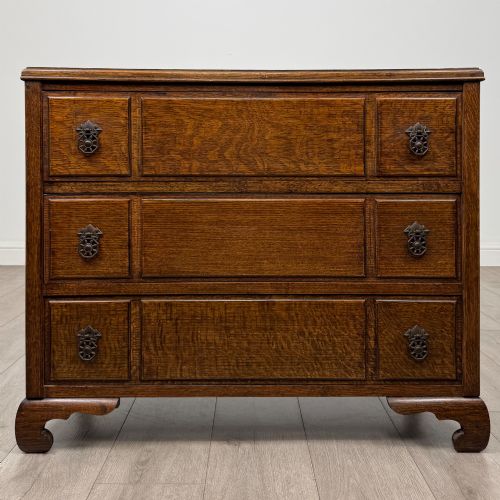
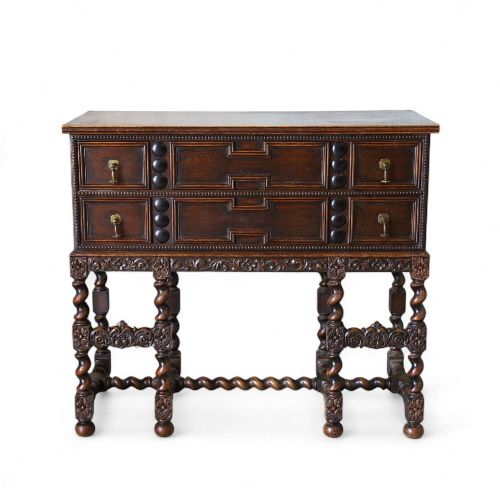
While authentic period examples originate from the 1600s and early 1700s, revival pieces from the Edwardian era and around 1900 also appear on the market. These later interpretations mimic the earlier Jacobean aesthetic, using oak timber to replicate the substantial proportions of seventeenth-century furniture.
Assessing quality in geometric oak furniture
Quality rests heavily on the integrity of the timber and the precision of the applied geometric mouldings across the drawer fronts. Superior examples retain their original brass hardware, uncompromised panel construction, and minimal timber replacement.
The surface patina dictates visual success, with unpainted, faded surfaces showing natural age distinguishing finer survivors from heavily restored or later revival items. Proportion and scale also separate standard utility pieces from smaller, highly desirable chests on stands or two-part configurations.
Materials recorded across the inventory include solid oak, walnut, fruitwood, brass hardware, and painted finishes.
The Antique Geometric Oak Drawers Glossary
- Geometric moulding
- Applied strips of wood arranged in repeating architectural patterns on drawer fronts, creating depth and shadow.
- Dresser base
- A low wooden storage unit featuring drawers or cupboards, historically used for serving food or displaying household plate.
- Two-part chest
- A tall chest of drawers constructed in two separate stacking sections to facilitate transport in seventeenth-century homes.
- Patina
- The surface sheen and colour developed by aged wood through decades of handling, polishing, and exposure to light.
- Chest on stand
- A case piece elevated on an integrated or associated base with legs, lifting the primary drawers off the floor.
Antique Geometric Oak Drawers: Frequently Asked Questions
How do I spot a later revival piece?
Later revival pieces dating from around 1900 or the Edwardian era often display machine-cut timber uniformity and lighter internal oak linings that differ significantly from seventeenth-century stock.
Examining the backboards, drawer construction methods, and fixings will usually reveal whether the piece belongs to the Charles II period or a later nineteenth-century workshop.
Were these drawers used in bedrooms?
Seventeenth-century chests primarily served communal living spaces, halls, and chambers for storing heavy linens, woollens, and family valuables rather than daily clothing.
Because closets were uncommon in early homes, these sturdy case pieces acted as the main secure storage furniture for domestic textiles.
How should I care for antique oak?
Maintain antique oak furniture in rooms with stable humidity levels, keeping timber away from direct heat sources to prevent the wood from splitting or warping.
Apply traditional beeswax sparingly to nourish the dry grain and preserve the historic surface patina without sealing the pores.
What is a two-part chest?
A two-part chest is built as two distinct modular carcases, allowing the upper section to sit securely upon the lower base during house moves.
This construction method was particularly common during the seventeenth century for large geometric drawer units that would otherwise prove too heavy to transport intact.