
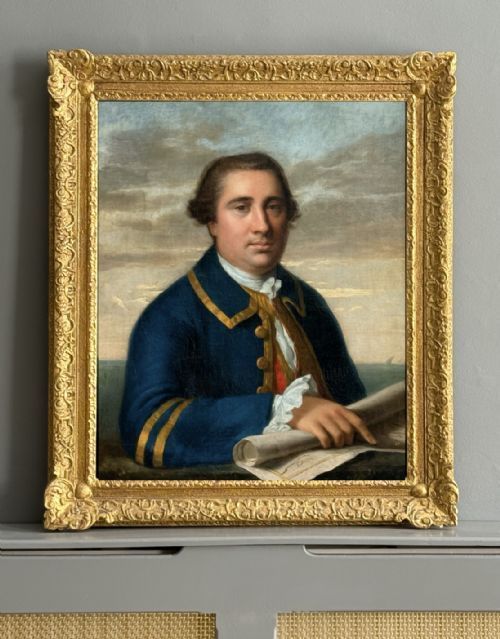
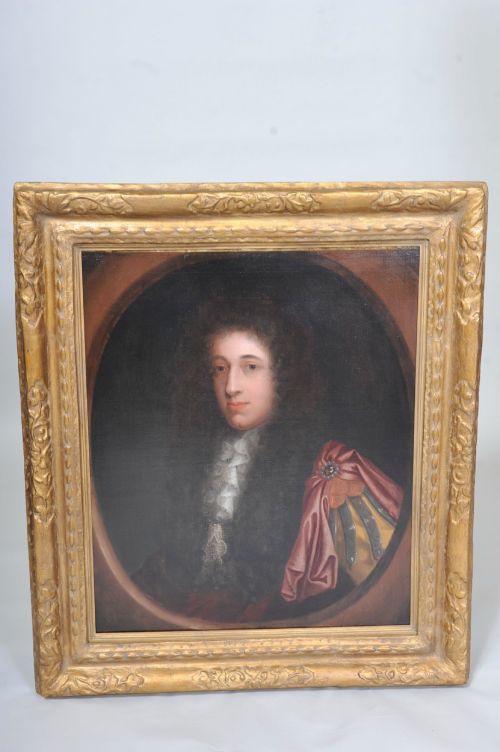
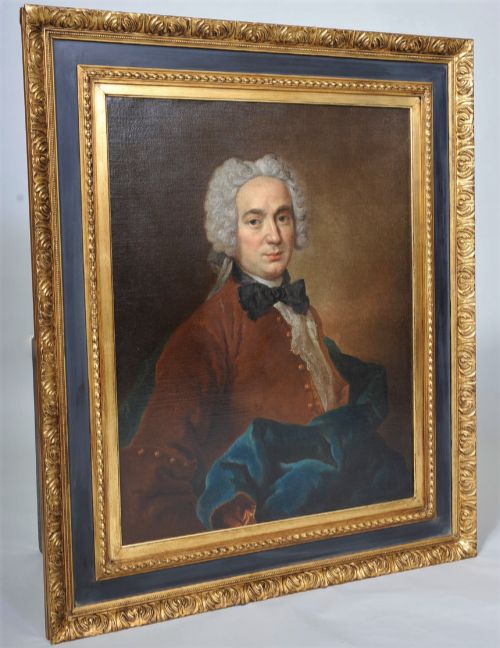
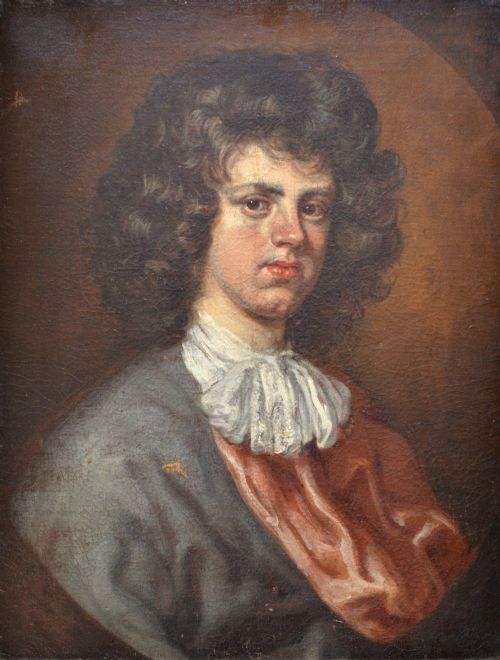
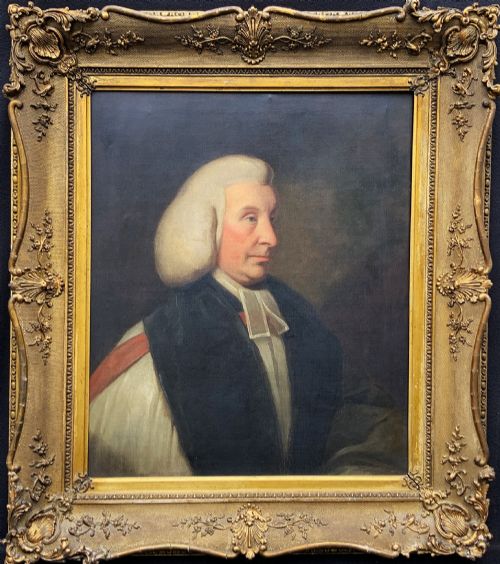
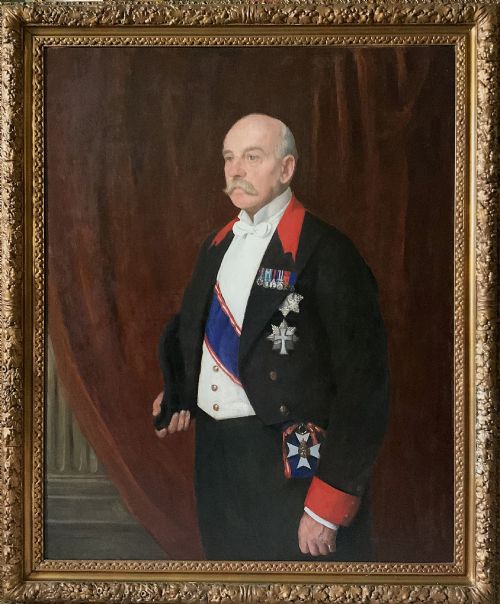
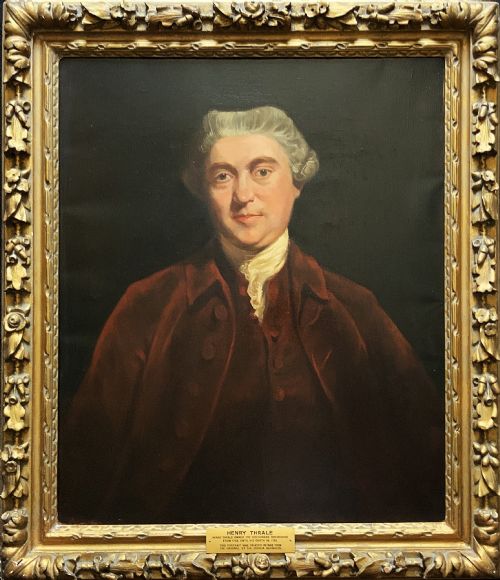
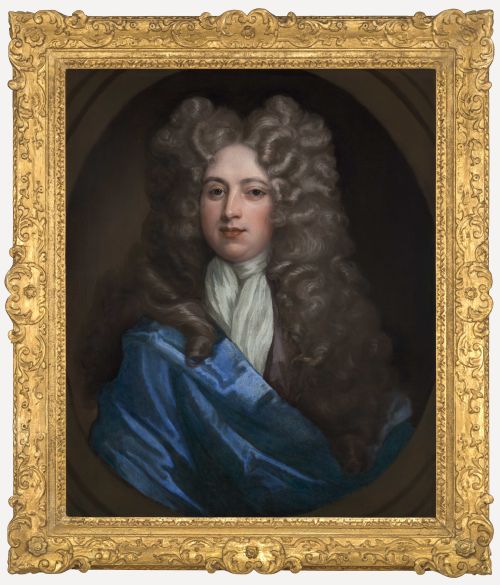
Antique Gentleman Oil Painting
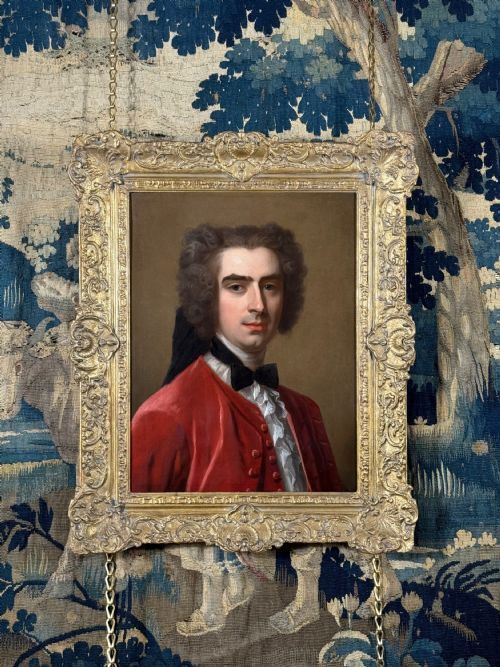
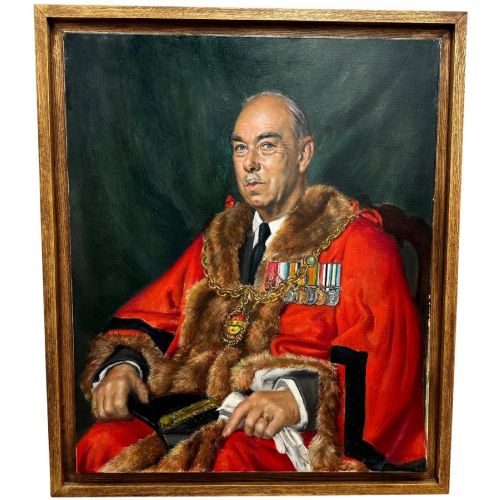
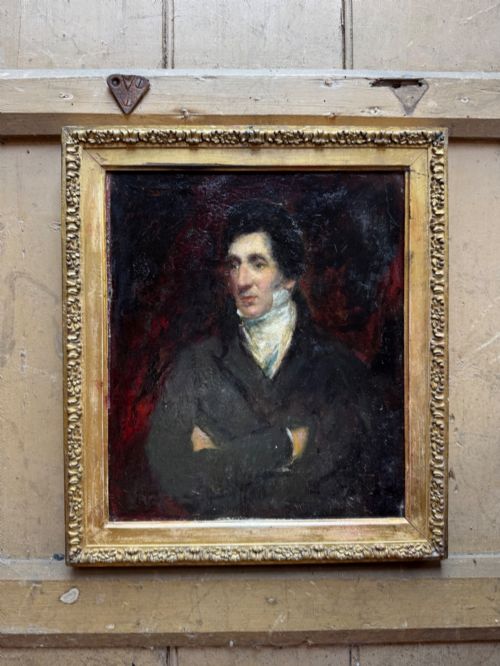
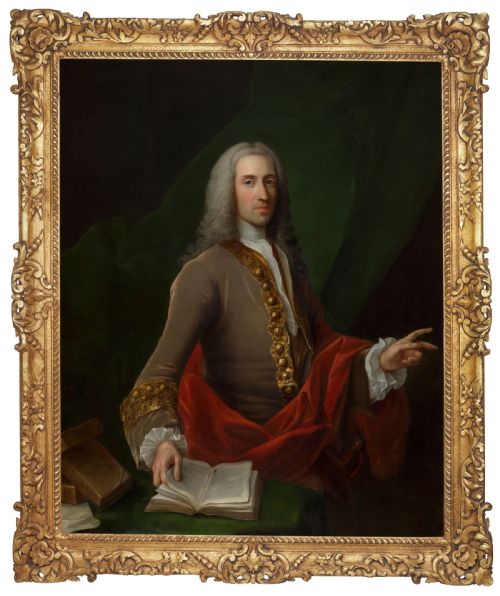
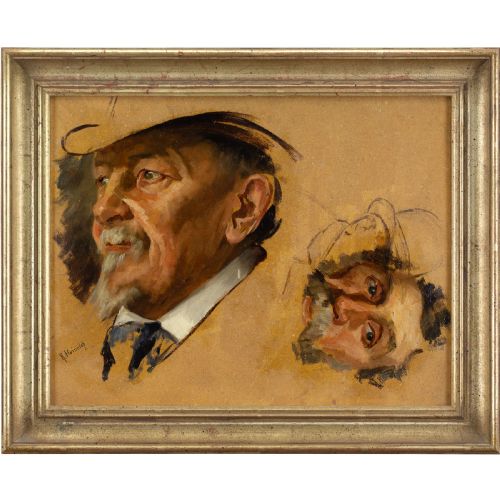
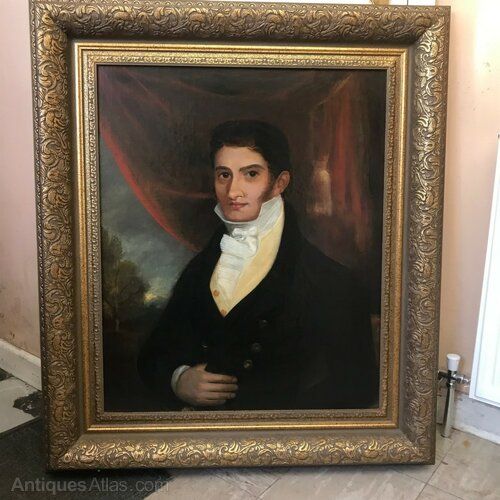
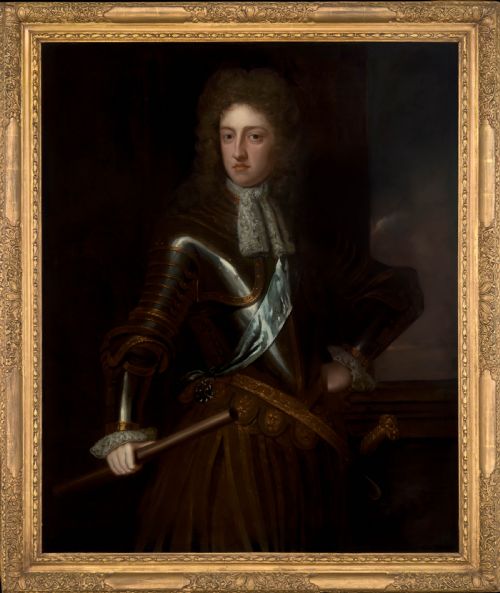
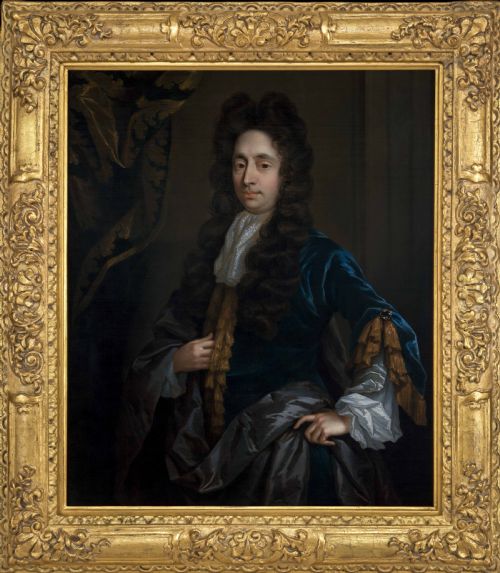
An antique gentleman oil painting captures centuries of individual character, presenting historic sitters in oil on canvas, panel, and copper.
Identifying these works
An antique gentleman oil painting typically depicts a named or anonymous male sitter, rendered in styles spanning the Stuart, Baroque, Georgian, Regency, and Edwardian periods.
The most common examples encountered on this page originate from English, French, Dutch, German, and Austrian schools, ranging from formal half-length studies to intimate seated portraits.
Subjects appear in diverse contexts, including military attire, academic robes, or holding items like letters, magnifying glasses, and walking canes.
Materials and construction
Artists painted primarily in oil on stretched canvas, though certain works utilise wood panels or copper supports.
Surviving pieces frequently retain their original wood frames, many finished in giltwood or carved gilt details.
Retail Price Guide 2026
Typical UK retail prices for gentleman oil painting, calculated from the Sellingantiques database of over a million retail prices indexed since 2003. This retail price guide relies exclusively on Sellingantiques data; no external sources or auction records are used, so the figures do not describe the wider market.
Listings feature works spanning the 17th, 18th, and 19th centuries, utilising oil on canvas, panel, and copper.
Assessing the range
Handling of the sitter's expression, drapery, and hands distinguishes ambitious studio work from simpler folk art or provincial output.
The sophistication of the underlying draughtsmanship and the preservation of the original gilt frame contribute significantly to a piece's visual weight.
Michael Dahl·William Robinson·Frank Samuel Eastman·Wilhelm Trautschold·Frans Van Der Mijn·Jan De Baen·Benno Fischer·Johann Paul Eisenmeyer
The Antique Gentleman Oil Painting Glossary
- Oil on Canvas
- Pigment bound in a drying oil applied to a woven fabric support. This surface flexibility allowed artists to produce large-scale portraits with rich depth.
- Giltwood
- Wood carved and coated with a thin layer of gold leaf or metallic powder. Frames finished in this manner provide period-appropriate contrast to the dark tones of early canvas works.
- Tricorn
- A style of hat with three corners turned up, popular during the eighteenth century. Sitters wearing this item help anchor a painting to the Georgian era.
- School
- A group of artists working in a particular region or following a specific master's style. Catalogues often assign anonymous works to a national school when specific attribution remains unclear.
Frequently Asked Questions
What is an antique gentleman oil painting?
These works are historic painted portraits depicting male subjects, produced primarily between the seventeenth and nineteenth centuries across various European schools.
They serve as visual records of fashion, social status, and portraiture traditions spanning multiple historic eras.
How can I date these portraits?
Dating relies heavily on the sitter's costume, including cravats, armour, wigs, and coats, as well as the painting technique and framing materials.
Comparative study of regional schools and known portrait conventions further helps narrow the period of creation.
Where were these paintings produced?
Portraits originated across Britain and continental Europe, with distinct regional schools emerging in England, France, the Netherlands, Germany, and Austria.
Artists worked in local urban workshops or travelled to secure commissions from affluent patrons and local gentry.
How should I display these frames?
Historic giltwood frames require stable indoor environments away from direct sunlight and dramatic humidity shifts to preserve the delicate gold leaf.
Proper wall anchoring is essential due to the combined weight of traditional wooden stretchers and heavy decorative frames.