


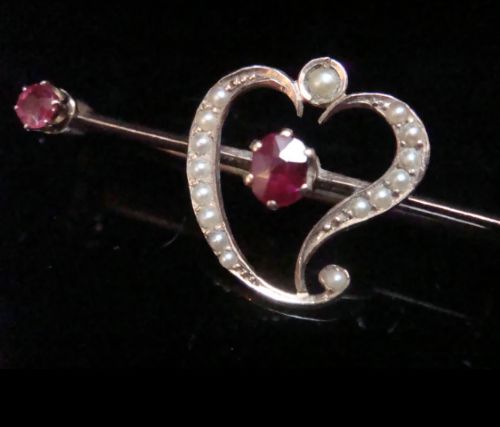

Antique Gemstone Pin
An antique gemstone pin brings colour and structure to a lapel, offering Victorian and Edwardian craftsmanship in gold and silver.
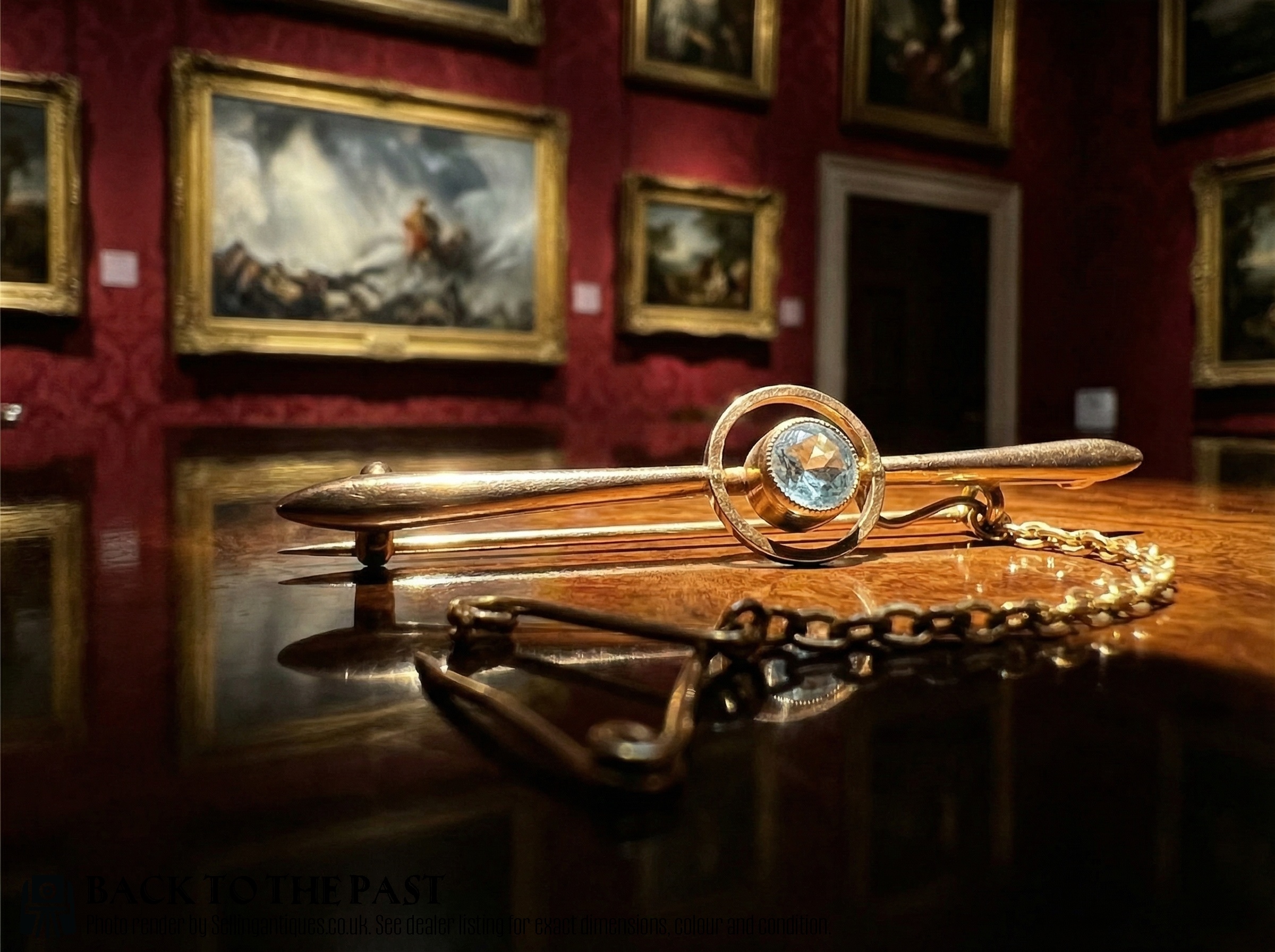
Identifying an antique gemstone pin
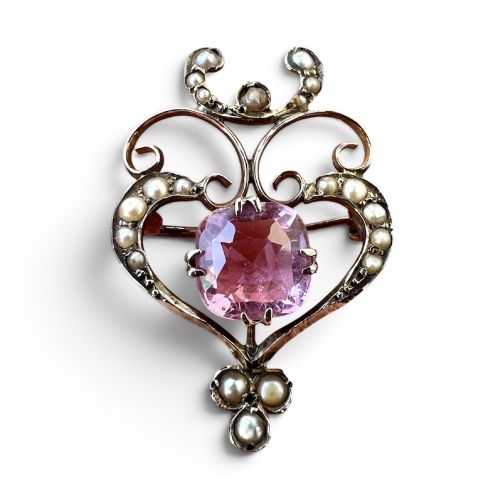
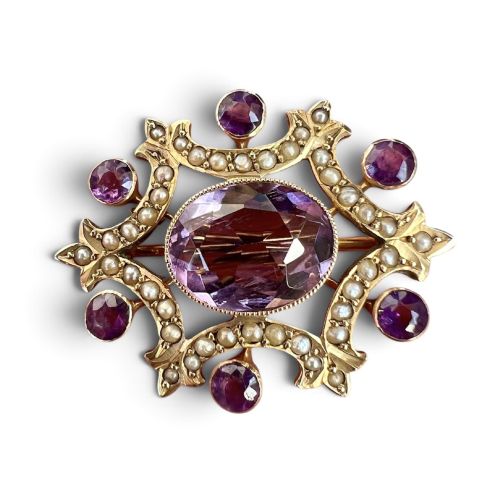
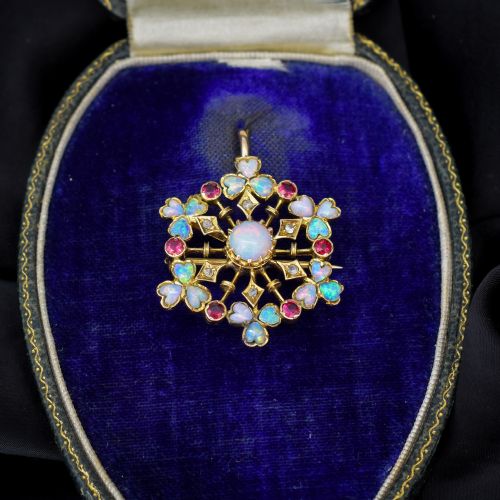
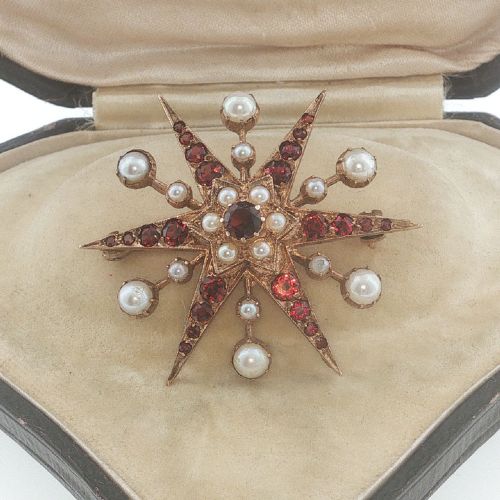
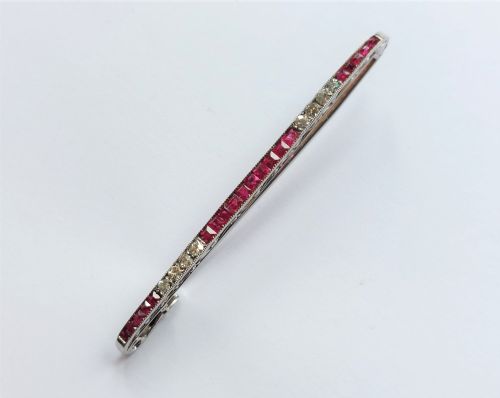
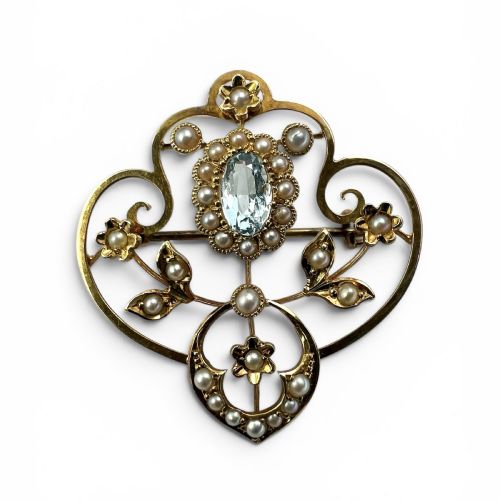
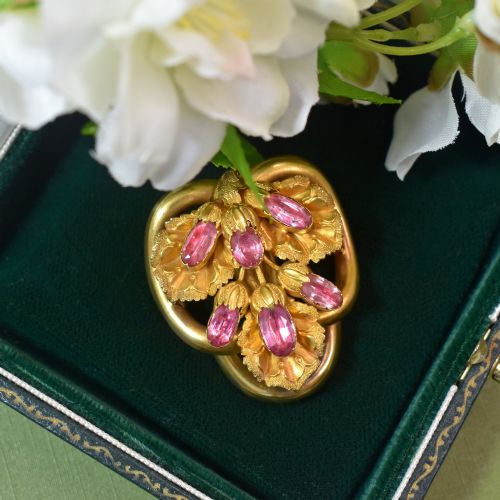
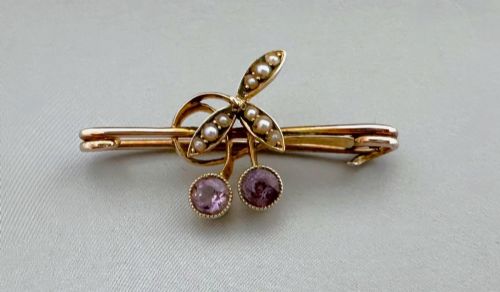
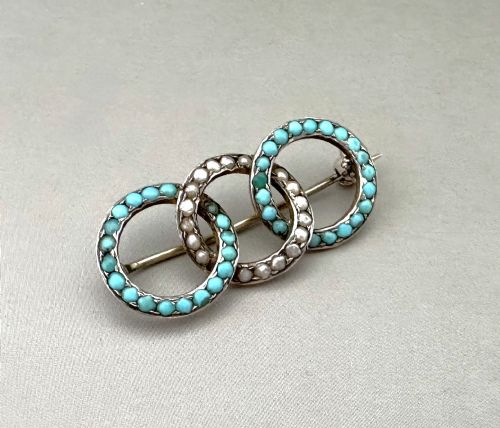
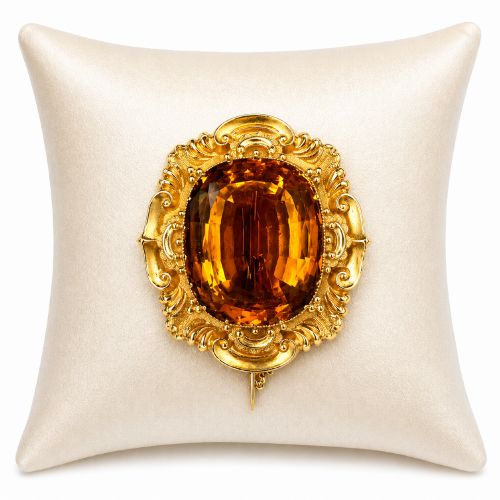
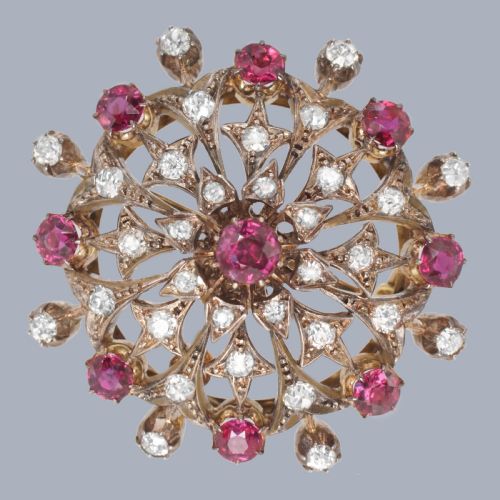
When you search for an antique gemstone pin, you encounter brooches spanning the nineteenth century up to nineteen twenty. These pieces take the form of bar brooches, cluster brooches, and trellis designs set with stones such as peridot, amethyst, aquamarine, ruby, and bloodstone.
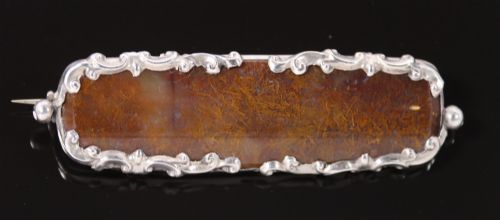
The selections alternate between ornate Imperial Russian work housed in original cases and Scottish Celtic silver axe and shield motifs. Most examples utilise gold, fifteen-carat gold, twenty-one-carat yellow gold, or silver alongside seed pearls and diamonds.
Victorian and Edwardian aesthetics dominate the offerings, showing how makers arranged coloured gems in distinct geometric or regional patterns. Each piece functions primarily as a brooch designed to fasten heavy fabrics.
Materials and construction
Makers constructed these brooches using precious metals like silver and various grades of gold, including fifteen-carat and twenty-one-carat yellow gold. Stones such as peridot, amethyst, aquamarine, ruby, and bloodstone were cut and mounted alongside diamonds and seed pearls.
The techniques visible in the evidence range from detailed trellis settings to cast and chased silver work forming axe and shield shapes. Original velvet or leather cases by makers like G. Colani occasionally accompany the higher-end pieces.
Retail Price Guide 2026
Typical UK retail prices for gemstone pin, calculated from the Sellingantiques database of over a million retail prices indexed since 2003. This retail price guide relies exclusively on Sellingantiques data; no external sources or auction records are used, so the figures do not describe the wider market.
Some pins travelled from Paris to Rome inside custom Rue de la Paix cases before finding their way onto modern lapels.
Assessing quality in antique gemstone pins
Quality reveals itself through the choice of stones and the precision of the metalwork, such as the intricacy of a trellis frame versus a simpler bar mount. Higher-tier pieces incorporate faceted aquamarines, peridots, and rubies supported by diamonds and higher carat gold.
Provenance and original packaging also elevate a piece, particularly when a brooch retains its signed Parisian-Roman presentation case from the nineteenth century. Simpler Scottish silver shield and axe pins rely on the crispness of their Celtic revival casting rather than costly gemstones.
G. Colani
The Antique Gemstone Pin Glossary
- Treillis
- A decorative metal framework resembling a trellis, used to hold multiple small stones in a lattice pattern.
- Bar brooch
- A slender horizontal metal pin format popular during the Victorian and Edwardian eras, often featuring a central cluster or gemstone.
- Seed pearl
- A very small natural or cultured pearl, typically under two millimetres, drilled and threaded or set en masse.
- Cluster brooch
- A central prominent gemstone surrounded by a tight arrangement of smaller supporting stones.
Frequently Asked Questions
What is an antique gemstone pin?
An antique gemstone pin is a nineteenth or early twentieth-century brooch featuring decorative stones set in gold or silver. These items encompass regional Scottish Celtic silver designs as well as elaborate continental cluster and trellis arrangements.
They serve as both ornamental dress fasteners and miniature works of period jewellery art. Surviving examples often retain their original jeweller cases.
How were these pins worn?
Victorian and Edwardian ladies wore these brooches fastened to the collars and lapels of heavy wool coats, day dresses, and shawls. The sturdy pin stems and catch mechanisms were engineered to secure thick fabrics safely.
Today, collectors wear them in much the same fashion or display them mounted in frames. They add a focal point of colour and historic metalwork to modern garments.
How do I care for antique pins?
These brooches require gentle handling due to their delicate stone settings and ancient metal mounts. Avoid immersing pieces with seed pearls or softer organic materials in liquid cleaning solutions.
Store them separately in lined boxes to prevent the stones from scratching the gold or silver. Professional inspection of the pin stem and catch ensures the safety of the fastening mechanism.
How do I identify Victorian pieces?
Victorian brooches often feature deep amethyst clusters, heavy gold weights, or intricate silver Celtic motifs. The construction methods reflect nineteenth-century hand-working techniques distinct from later machine production.
Dates can sometimes be inferred from the specific gemstone combinations and regional styles popular during the reign of Queen Victoria. Hallmarks and original fitted cases further help anchor the timeline.