



Antique Insect Pin
An antique insect pin brings the fascination of the natural world to the lapel, combining delicate craftsmanship with enduringly popular animal subjects.
Antique Insect Pin
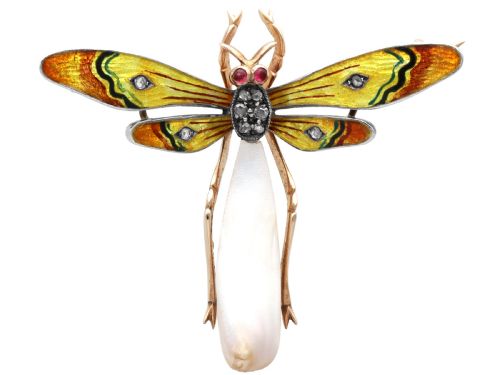
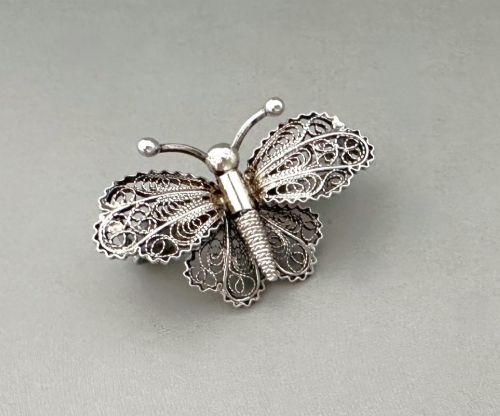
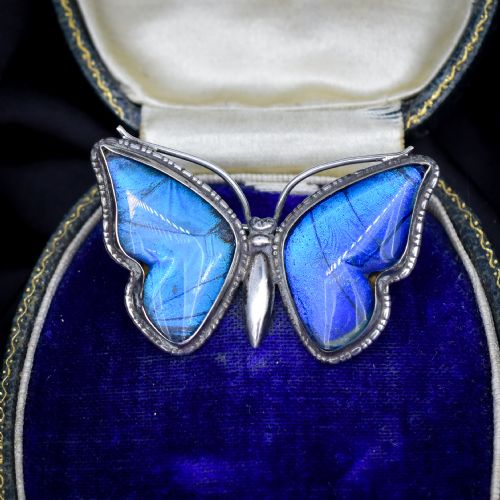
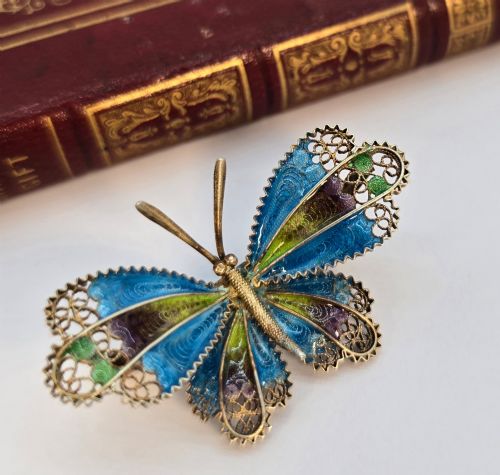
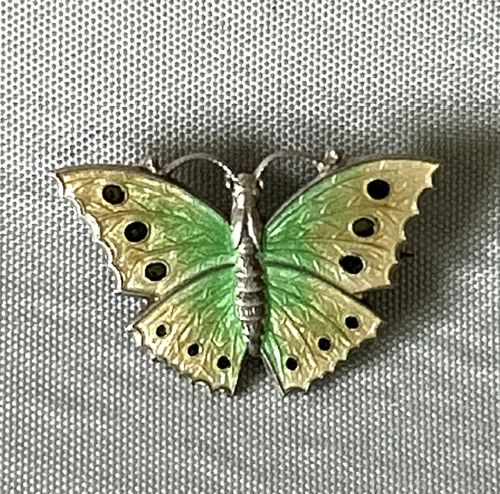
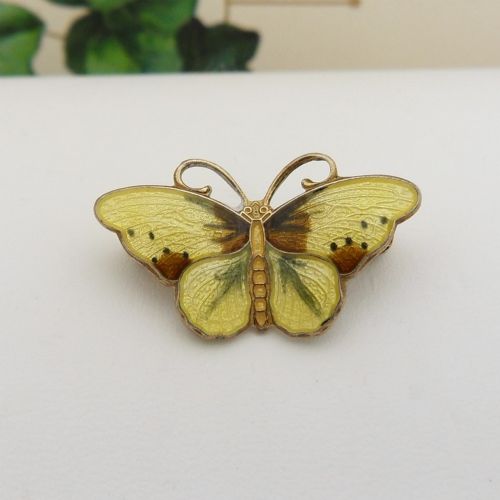
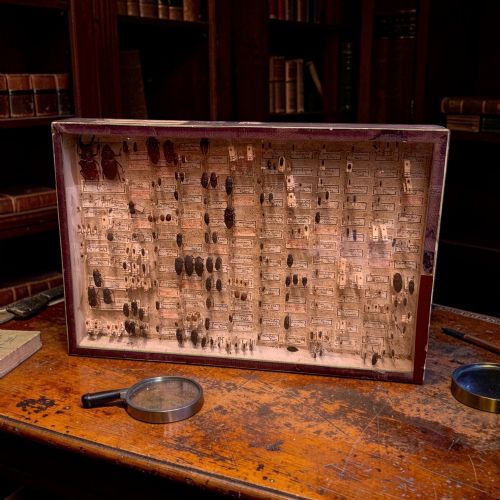
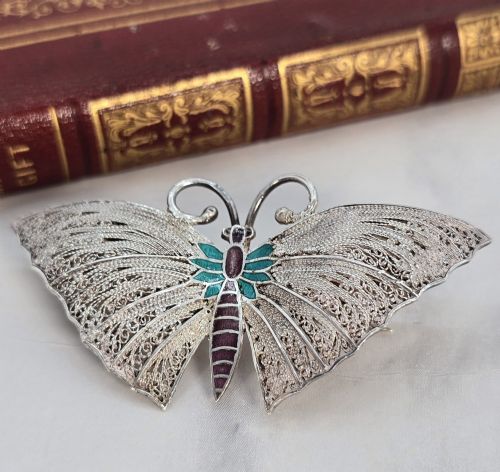
When you search for an antique insect pin, you are looking at brooches, hatpins, and specimen display cases spanning from the Victorian era through the Art Deco period. The most common form you will meet on this page is the butterfly brooch, often rendered in silver with colourful enamel or butterfly wing panels.
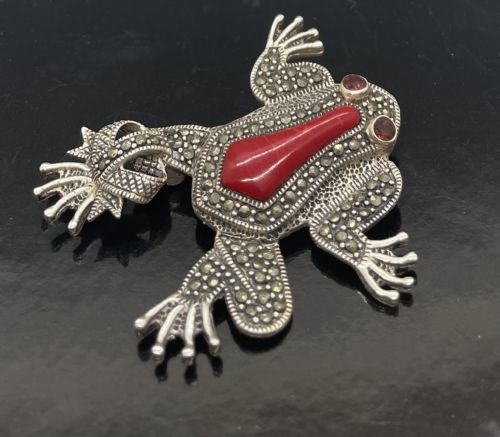
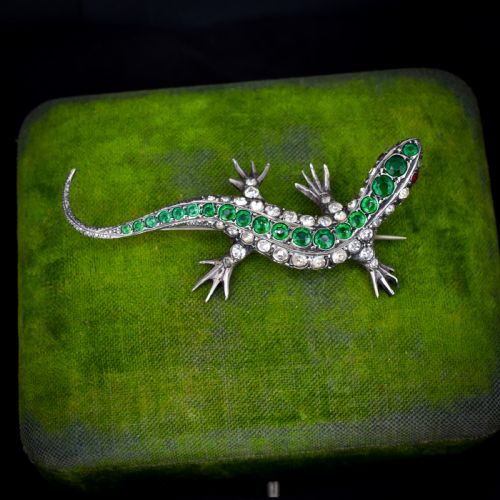
The range extends beyond butterflies to include dragonflies, spiders, beetles, lizards, scorpions, and scarabs. These pieces appear across various periods including the Edwardian era, 1900, 1890, and 1880, alongside Chinese export silver filigree examples.
Alongside wearable jewellery, the selection occasionally includes utilitarian or display items such as silver pincushions shaped like spiders and entomology cases. Styles shift from naturalistic Victorian interpretations to stylised Art Nouveau and geometric Art Deco designs.
How they were made
Goldsmiths and silversmiths utilised precious metals including sterling silver, silver gilt, nine-carat and fifteen-carat yellow gold, pewter, and twenty-one-carat gold. These metals were shaped into fine wirework filigree or cast into anatomical insect forms.
Colour and texture were achieved through vitreous enamel, guilloche enamel, and iridescent butterfly wing panels beneath glass. Jewellers set diamonds, rubies, emeralds, sapphires, pearls, moonstones, bloodstone, pink and blue topaz, green paste, and glass into the bodies and wings.
Listings include items created across multiple decades, spanning the Victorian, Edwardian, Art Nouveau, and Art Deco eras.
What varies in quality
Quality rests heavily on the complexity of the materials and the precision of the miniature work. Pieces featuring genuine gemstones like diamonds and rubies set in gold or silver sit at a different level from simpler paste or silver-gilt items.
The finesse of the enamel work and the delicacy of the metal filigree dictate the refinement of the piece. Intricate anatomical detail in naturalistic Victorian or Edwardian designs distinguishes superior examples from mass-produced tourist pieces.
Rene Lalique
The Antique Insect Pin Glossary
- Silver gilt
- Silver that has been coated with a thin layer of gold. This technique provides the warm appearance of gold while utilising a silver base.
- Guilloche enamel
- Enamel applied over a metal surface that has been mechanically engraved with a repetitive geometric pattern. The underlying design shows through the translucent coloured enamel.
- Paste
- Hand-cut and polished lead glass used to imitate gemstones. It was widely employed in antique jewellery for vibrant, uniform colour.
- Butterfly wing
- A decorative technique popular in the early twentieth century where iridescent Morpho butterfly wings are arranged beneath bevelled glass panels. It creates a shimmering, shifting blue tone.
- Filigree
- Delicate openwork jewellery formed from fine twisted threads of gold or silver soldered together. It creates a lace-like pattern common in continental and export metalwork.
Antique Insect Pin: Frequently Asked Questions
What materials are used in antique insect pins?
Makers used sterling silver, yellow gold, and pewter as structural metals. They embellished these forms with enamel, diamonds, rubies, pearls, and glass.
Butterfly wings and green paste also appear frequently in specific twentieth-century pieces.
How do I date an insect brooch?
Dating relies on stylistic clues and material combinations. Victorian pieces often use naturalistic gold settings with multi-gem stones.
Art Deco and 1930s examples lean towards silver filigree, geometric enamel, and butterfly wing panels.
Were these pins worn daily?
Victorian and Edwardian wearers pinned them to hats, lapels, and collars as decorative accessories. They functioned as daily adornments during periods when natural history themes dominated fashion.
What is a specimen display case?
It is an entomology case designed for housing and exhibiting preserved insects rather than acting as personal jewellery. These items reflect the Victorian obsession with natural history collecting.