



Edwardian Novelty Brooch
These edwardian novelty brooch pieces bring playful zoomorphic and utilitarian forms to your lapel, crafted to catch the eye with whimsical charm.
Edwardian Novelty Brooch
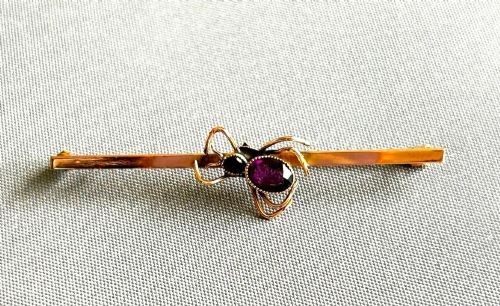
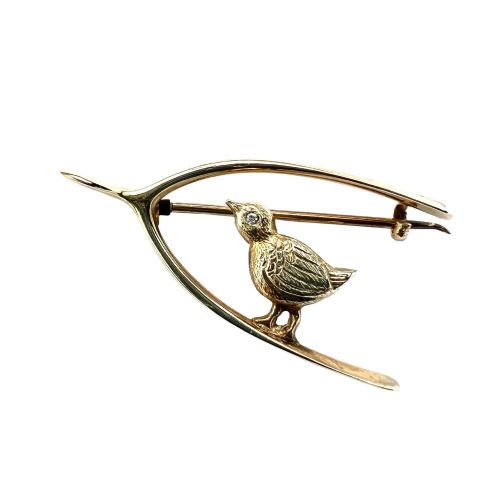
An edwardian novelty brooch brings whimsical subjects like insects, animals, and sporting motifs to your lapel, capturing a playful aesthetic from the early twentieth century. You will most frequently encounter charming animal subjects executed in yellow gold or silver, often embellished with small gemstones.
The selections span from the late Victorian era through the Edwardian period and into the 1920s, showing a distinct fondness for creatures and miniature objects. Alongside classic brooches, you also find convertible pendant pieces and stick pins sharing these delightful themes.
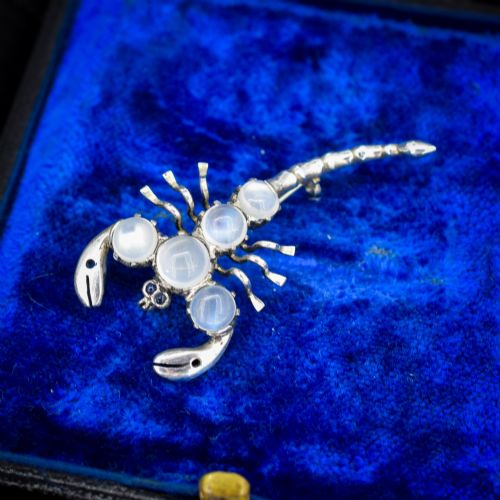
Moths, butterflies, scorpions, and chicks appear alongside bicycles and hunting buggles, demonstrating the era's fascination with naturalism and pastime pursuits. These jewels served as whimsical conversation starters rather than formal ornaments, offering a lighter side to period metalwork.
How they were made
Silversmiths and goldsmiths utilised yellow gold in nine and fifteen carat grades alongside sterling silver to shape these miniature subjects. Metal was cast, pressed, or fabricated to build the delicate bodies of insects, birds, and mechanical items like bicycles.
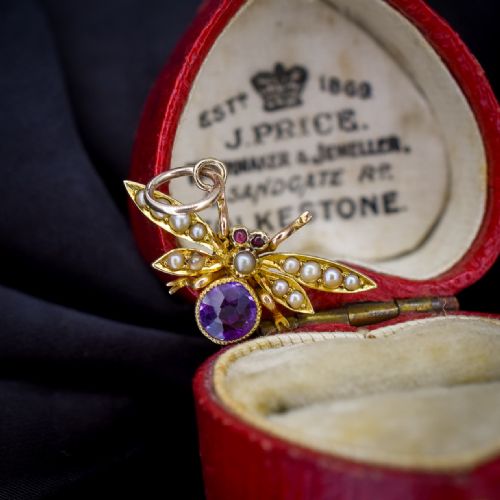
Gemstone setters flush or prong set diamonds, rubies, emeralds, amethysts, and moonstones to accent the bodies and eyes of the creatures. Enamel work and pearls further enhanced the naturalistic textures, bringing vivid colour and subtle lustre to the small scale works.
Edwardian Novelty Brooch Retail Price Guide 2026
Typical asking prices for edwardian novelty brooch among the pieces listed under this phrase on Sellingantiques today, from the lower quarter to the upper quarter. They describe what is for sale here now, not the wider market.
Listings feature periods spanning the Victorian era through the nineteen twenties, utilising silver, gold, diamonds, and moonstones.
What varies in quality
The artistry lies in the fidelity of the miniature form and the clever integration of gemstones to articulate eyes and wings. Finer examples display meticulous chasing on metal surfaces and secure stone settings that enhance the natural posture of the subject.
Material choice shifts the character of the piece, moving from simpler pressed brass elements up to substantial fifteen carat gold mounted with diamonds and coloured stones. The complexity of the mechanism, such as working wheels on a bicycle, distinguishes more ambitious atelier output.
The Edwardian Novelty Brooch Glossary
- Novelty brooch
- A small decorative pin shaped to resemble an animal, insect, or everyday object rather than abstract or floral motifs.
- Stick pin
- A long pin topped with a decorative ornament designed to secure a cravat or lapel fold.
- Moonstone
- A feldspar mineral prized for its adularescence, commonly set to represent the luminous bodies of insects.
- Charm pendant
- A small decorative object made to hang from a chain or bracelet, occasionally adapted with pin fittings.
Edwardian Novelty Brooch: Frequently Asked Questions
What subjects do these brooches feature?
These pieces depict a wide array of subjects including insects like flies and butterflies, arachnids, birds, and monkeys. You also find sporting and mechanical motifs such as bicycles, walking sticks, and hunting bugles.
This variety reflects a period taste for whimsical and lifelike representations of the natural world and everyday hobbies.
How do I wear an edwardian novelty brooch?
These pieces pin securely to jacket lapels, collars, or heavy scarves using traditional pin stems and safety catches. Their modest scale makes them suitable for daily wear as subtle accent pieces.
Several examples feature loop attachments that allow the brooch to also function as a pendant on a chain.
What materials are typical for these items?
Makers utilised yellow gold in nine and fifteen carat variations, alongside sterling silver and pressed brass. Gemstones including diamonds, rubies, emeralds, amethysts, and moonstones provide colour and sparkle.
Pearls and enamel details frequently appear to add organic texture and varied hues to the small metal subjects.
How can I tell the period?
Pieces span the late Victorian era through the Edwardian years and into the nineteen twenties. Stylistic cues include the specific choice of gemstones, the naturalistic rendering of insects, and the inclusion of contemporary motifs like early bicycles.
Hallmarks and metal purity stamps where present help confirm the date of manufacture.