

Antique Garden Statues
Antique garden statues bring character and classical presence to lawns and terraces, offering enduring sculptural forms shaped by decades outdoors.
Antique Garden Statues
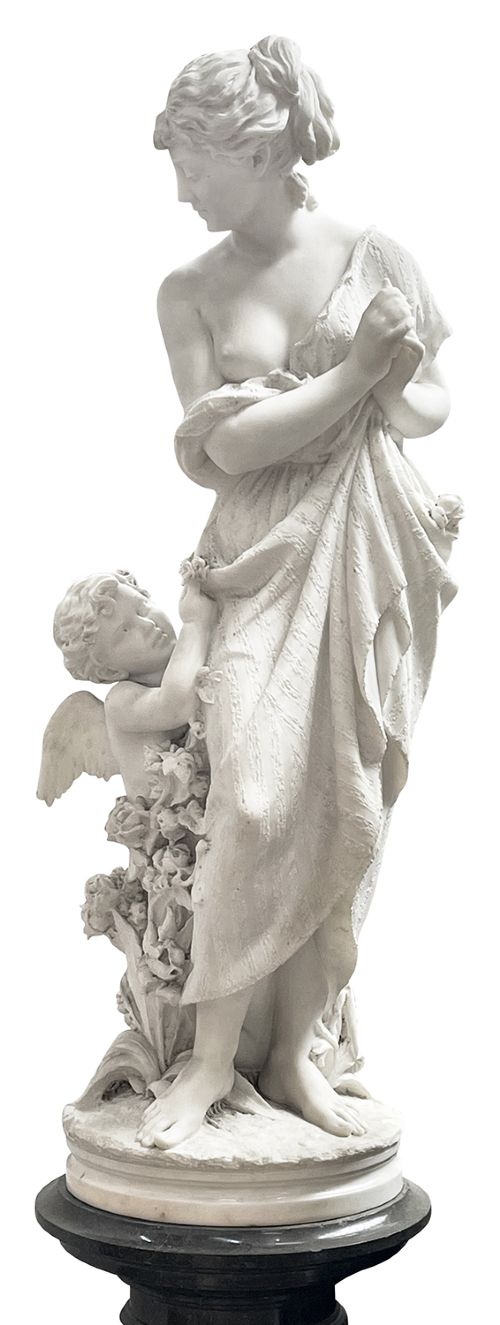
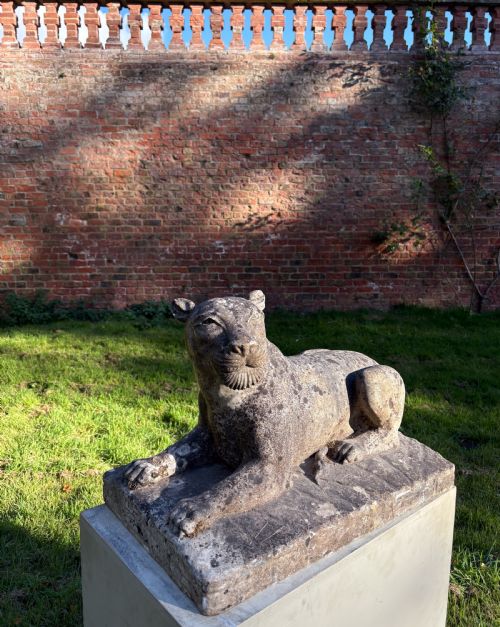
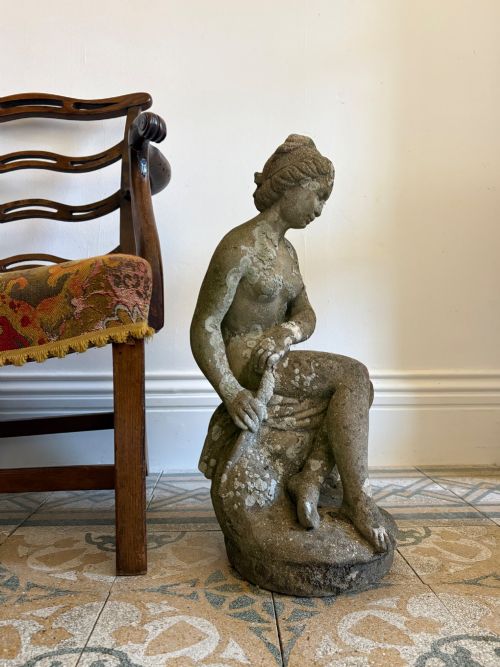
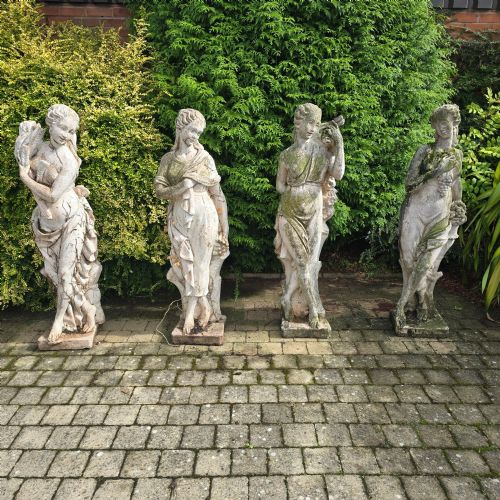
When you search for antique garden statues, you encounter a diverse array of sculptural forms, ranging from classical figures and mythical animals to architectural ornaments and bird baths. The selection spans centuries of design, with significant representation from the nineteenth and early twentieth centuries alongside earlier stone remnants.
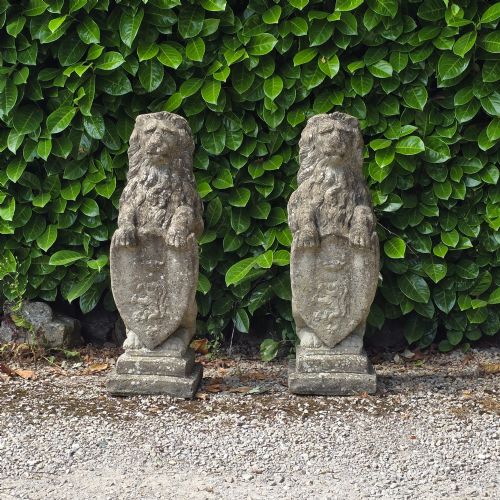
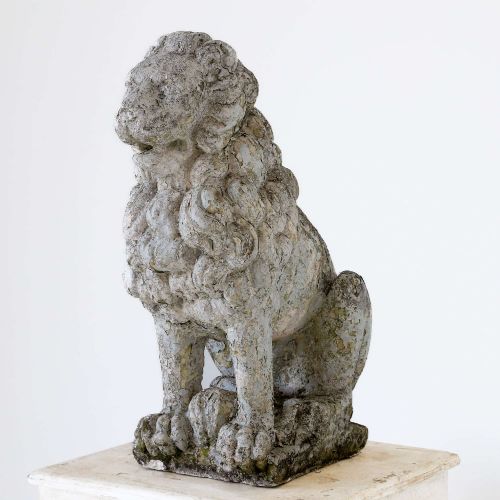
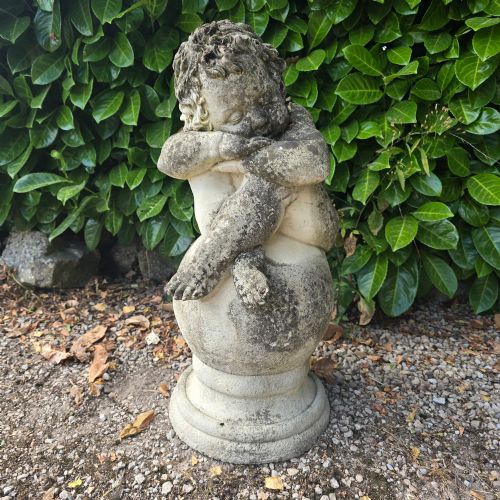
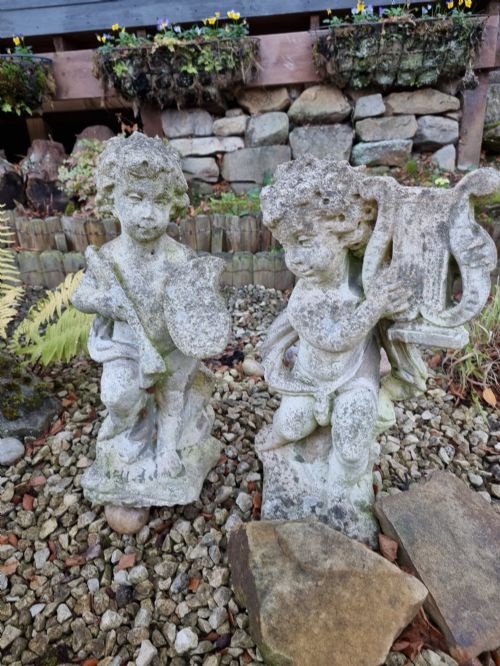
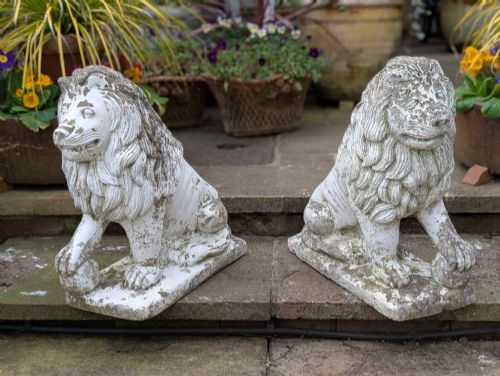
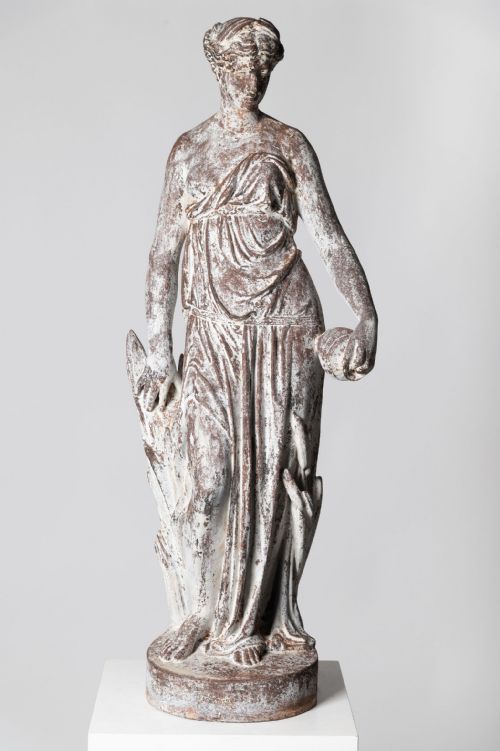
You are most likely to meet pieces cast in stone, reconstituted stone, or durable metals like cast iron and lead, often shaped as lions, cherubs, and allegorical figures. These objects served to punctuate lawns, frame pathways, and adorn country house terraces, carrying traditional motifs from classical revival and English garden styles.
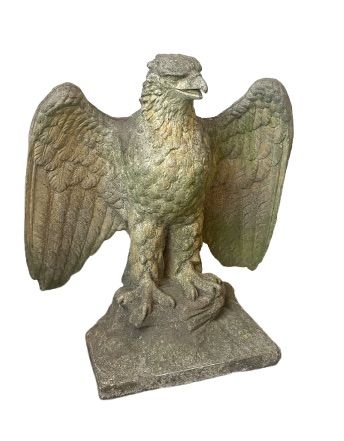
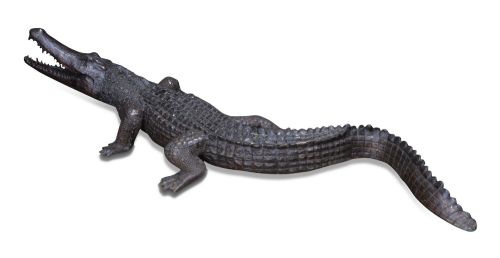
The objects extend beyond traditional human figures to include animal sculptures, fountain heads, and pier finials that functioned as structural focal points. Each piece reflects the aesthetic preferences of its period, from austere granite staddle stones to decorative bronze okimono and limestone pinnacles.
Materials and casting methods
Foundries and workshops utilised robust materials designed to withstand the elements, predominantly employing cast iron, lead, terracotta, and various stone compositions. Cast iron pieces often emerged from established foundries utilising detailed moulds, while lead figures demonstrated intricate hand-worked detail and durability.
Stoneware and composite stone versions were produced by pouring aggregate mixtures into moulds, allowing for the repetition of popular classical motifs such as lions and cherubs. Terracotta and bronze examples involved specialised firing or casting techniques, yielding distinct surface textures and rich patinas over time.
Antique Garden Statues Retail Price Guide 2026
Typical asking prices for garden statues among the pieces listed under this phrase on Sellingantiques today, from the lower quarter to the upper quarter. They describe what is for sale here now, not the wider market.
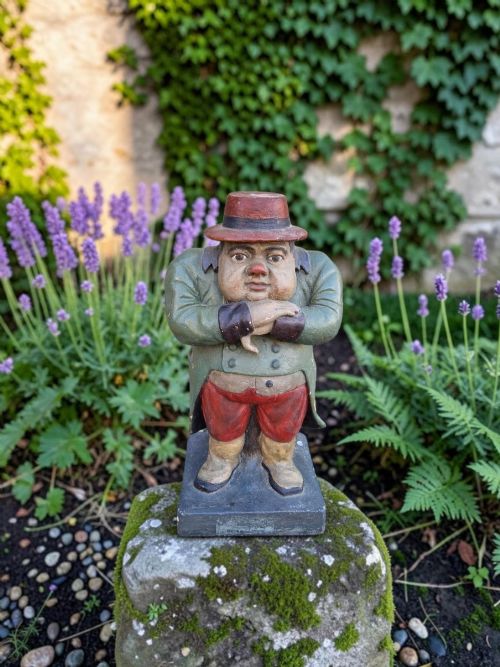
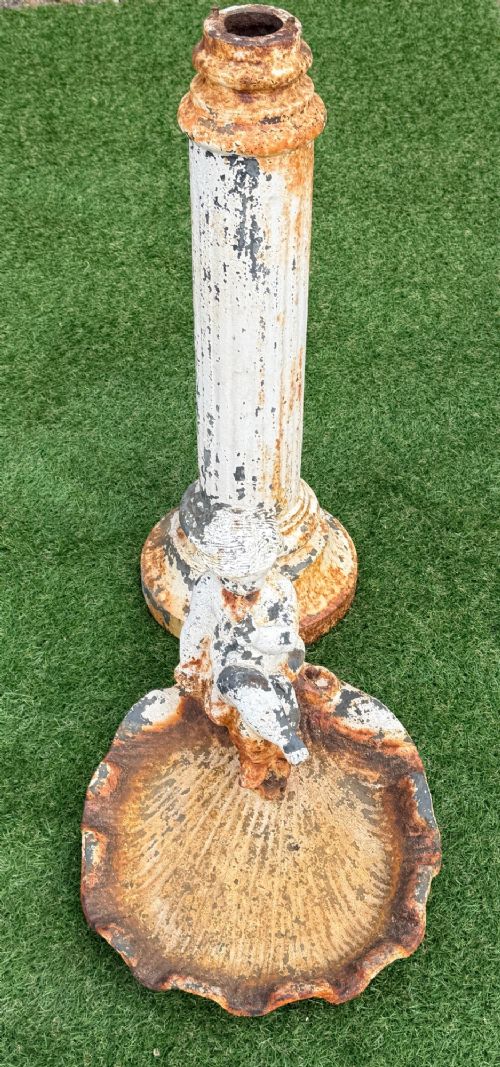
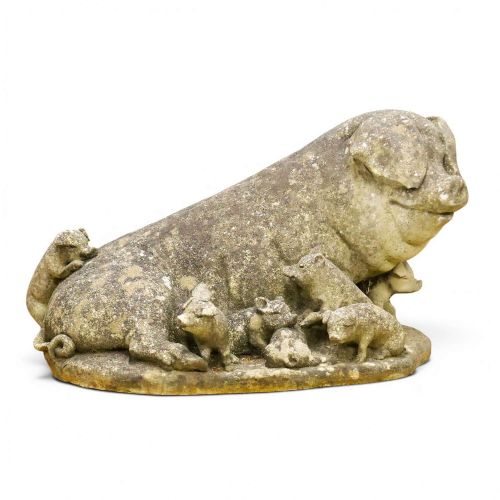
Among the stone guardians and classical ladies, several iron hitching posts and stone pigs wait patiently to surprise visitors.
Assessing sculptural quality
The distinction between ordinary utility items and superior sculptural works lies in the crispness of the modelling and the anatomical proportions of the figures. Better pieces exhibit fine details in facial expressions, drapery, and featherwork, whereas lesser examples present softer edges and simplified forms from worn moulds.
Surface evolution and weathering heavily influence the visual success of a statue, where natural lichen growth and layered patinas enhance the material rather than obscure poor casting. The choice of medium also dictates quality, with substantial lead and bronze pieces or hand-carved stone standing apart from basic mass-produced concrete.
Val d’Osne foundry
The Antique Garden Statues Glossary
- Cast iron
- An iron-carbon alloy poured into moulds to create rigid decorative objects. It was widely used for nineteenth-century garden statues and architectural elements.
- Reconstituted stone
- A manufactured material made from crushed stone and cement binder moulded into specific shapes. It offers a durable alternative to natural carved stone.
- Pier finial
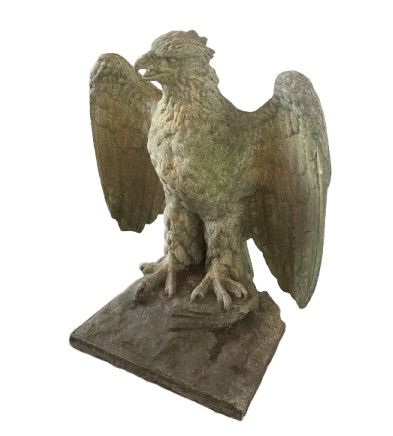
- An architectural ornament placed on top of a gate pier or wall. These items frequently take sculptural forms such as eagles or stone balls.
- Okimono
- A Japanese decorative statue designed for display. These bronze sculptures depict animals and natural subjects with high realism.
- Staddle stone
- A mushroom-shaped stone support originally used to elevate granaries off the ground to prevent damp and vermin. They now serve as rustic garden ornaments.
Antique Garden Statues: Frequently Asked Questions
What materials are antique garden statues made from?
These sculptures utilise a variety of durable materials suited for outdoor exposure. Common mediums include cast iron, lead, bronze, terracotta, and various forms of stone and reconstituted stone.
Heavier metals like lead and iron provide longevity and distinct patinas, while stone and composite materials allow for grand architectural forms and classical figures.
How do I care for antique stone and metal statues?
Outdoor sculptures require minimal intervention to preserve their historic surfaces and accumulated weathering. Gentle washing with water removes harmful debris without stripping organic lichen and patinas.
Protective placements during severe winter freezes help prevent water ingress from cracking porous stone and composite materials.
Are these statues suitable for indoor display?
Many garden sculptures, particularly smaller bronze pieces, terracotta figures, and architectural fragments, transfer successfully to interior settings or conservatories. Their weathered surfaces provide focal points inside large rooms and hallways.
Heavier stone and cast iron items generally require ground-floor placement or reinforced flooring due to their substantial weight.
How can I tell the age of a garden statue?
Dating relies on identifying the prevailing stylistic period, material composition, and manufacturing technique used by the maker. Nineteenth-century pieces often reflect neoclassical revival trends and specific foundry marks.
Natural weathering, surface wear, and the presence of old paint layers also offer clues to a piece's age and history in the garden.