




Bird Garden Sculptures
These bird garden sculptures bring character and life to outdoor spaces through solid metal and cast stone forms.
Bird Garden Sculptures
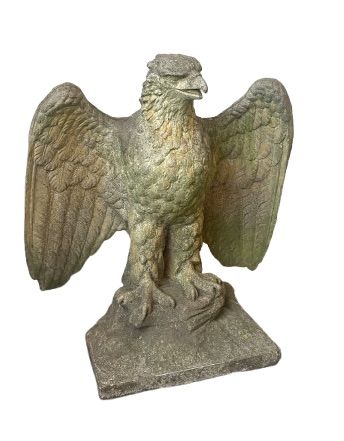
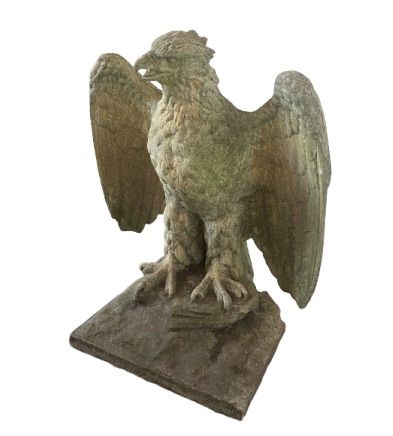
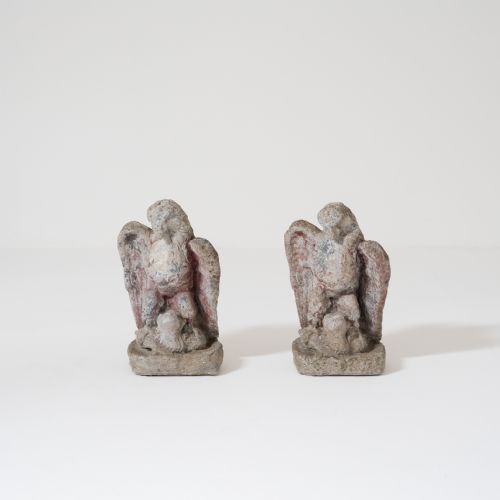
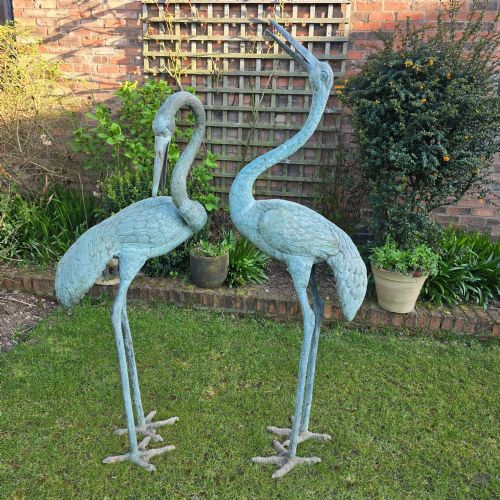
Forms span several distinct styles, including English Country, Japanese Meiji, Neoclassical, Folk Art, and traditional garden designs. Buyers frequently meet pairs of eagles, solitary pigeons, and large metal cranes among the offerings. These pieces function as decorative sculptures, statues, and pier finials suitable for garden placement.
The objects originate from Victorian times through the early twentieth century, reflecting varied manufacturing traditions. Pieces scale from lifesize animals to enormous architectural finials. Each item contributes a distinct sculptural presence to grounds, terraces, and walls.
How they were made
Makers utilised cast iron, bronze, and painted metal to shape durable avian figures like cranes, geese, and eagles. Metalworks often rely on casting techniques that capture fine plumage and anatomical detail.
Stone variants utilise composition stone, reconstituted stone, composite stone, stoneware, and standard stone. These materials withstand outdoor elements while holding the crisp lines of Edwardian and early twentieth century styling.
Bird Garden Sculptures Retail Price Guide 2026
Typical asking prices for bird garden sculptures among the pieces listed under this phrase on Sellingantiques today, from the lower quarter to the upper quarter. They describe what is for sale here now, not the wider market.
Materials for these bird sculptures include bronze, cast iron, composite stone, reconstituted stone, and stoneware.
What varies in quality
Quality rests in the fidelity of the casting and the naturalism of the bird's posture. Superior examples display careful attention to feather texture and anatomical proportion, whether rendered in bronze or composite stone.
The integrity of the material finish and the weathering process determine visual depth. Finely cast pieces maintain sharp definition across structural details and decorative elements over decades outdoors.
The Bird Garden Sculptures Glossary
- Pier finial
- An architectural ornament placed on top of a gate pier or wall post. These large figures often depict eagles or heraldic animals.
- Okimono
- A Japanese decorative sculpture designed for display. These bronze pieces bring precise naturalism to garden settings.
- Reconstituted stone
- A manufactured material made from crushed stone and a binder. It allows makers to cast durable garden statues.
- Stoneware
- A high-fired ceramic material impervious to frost. It provides a sturdy medium for figures placed outdoors.
Bird Garden Sculptures: Frequently Asked Questions
Where should I place these sculptures?
Large bird figures suit open lawns, terraces, or garden borders where their scale can be appreciated from a distance. Smaller pieces sit well on low walls, patios, or near garden ponds.
Pier finials belong strictly on top of gate pillars or brick gateposts. Positioning depends entirely on the physical size and weight of the specific metal or stone piece.
How do I care for cast iron and bronze?
Metal sculptures in cast iron or bronze develop natural patina when exposed to outdoor weather over time. Bronze requires little intervention, while cast iron benefits from periodic inspection for surface oxidation.
Applying appropriate protective treatments helps preserve the metal surface against harsh winter conditions without removing historic character.
How do I identify stone types?
Composition stone, reconstituted stone, and composite stone are manufactured aggregate materials popular in garden statuary from the early twentieth century. Standard stone and stoneware offer different natural or ceramic textures.
Close inspection of the surface grain and weight reveals whether a piece is cast from aggregate or carved from a single block.
What periods do these pieces represent?
The available selection spans the Victorian era, the Edwardian period, and the early twentieth century including the 1910s, 1920s, and 1930s. Each era brings distinct aesthetic choices to the casting and styling of garden ornaments.
Nineteenth-century works often reflect classical or folk art influences, while later twentieth-century pieces embrace diverse global styles such as Japanese Meiji.