



Vintage Garden Finials
These vintage garden finials lend architectural weight and character to outdoor spaces.
Vintage Garden Finials
Vintage garden finials comprise architectural salvage, gate finials, and garden ornaments designed to accent structural elements in grounds and gardens. When searching for vintage garden finials, buyers encounter items ranging from 19th-century metalwork to mid-20th-century stone ornaments.
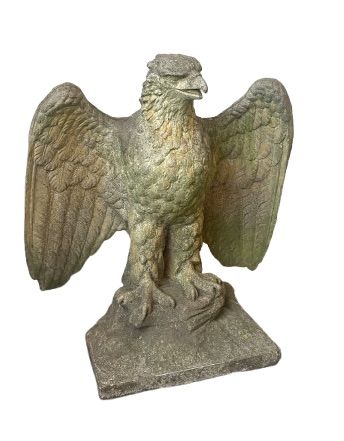
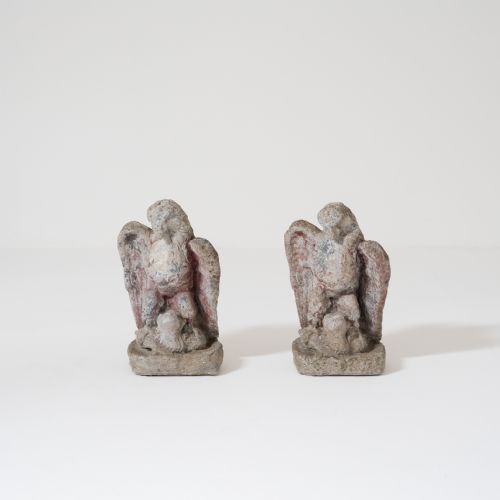
The selections span distinct periods including the Victorian era, the early 20th century, and the 1930s to 1950s. Common architectural forms include eagles, lions, crowns, and floral baskets, alongside related items such as hitching posts and weathervanes.
Origin and style variations include traditional British pieces, folk art, and French chateau influences. Buyers frequently meet paired elements as well as individual architectural salvage pieces.
How they were made
Makers utilised cast iron, iron, and copper for metalwork items, shaping them through traditional founding and sheet metal techniques. Weather vanes and decorative finials display hand-hammered and fabricated copper construction.
Stone and masonry elements rely on composition stone, reconstituted stone, stoneware, and plaster moulded into ornamental forms. These durable materials suit outdoor placement and weather over decades of exposure.
Vintage Garden Finials Retail Price Guide 2026
Typical asking prices for vintage garden finials among the pieces listed under this phrase on Sellingantiques today, from the lower quarter to the upper quarter. They describe what is for sale here now, not the wider market.
Current listings feature materials spanning cast iron, copper, stoneware, composition stone, lead, and plaster across the Victorian and 20th-century periods.
What varies in quality
Quality rests upon the crispness of the original moulding in stone pieces and the definition of the casting in iron elements. Superior items retain sharp anatomical details on animal figures and clean relief lines on ornamental crowns.
The nature of the surface weathering and patination distinguishes superior examples. Natural oxidation on copper and iron or organic weathering on stone adds depth that mechanical ageing cannot replicate.
The Vintage Garden Finials Glossary
- Finial
- An ornamental crowning detail placed at the apex of a roof, gate, or post. These pieces provide a deliberate visual endpoint to architectural structures.
- Hitching post
- A vertical post historically used for tying horses, often topped with decorative figural heads. Cast iron examples double as sculptural elements.
- Composition stone
- A manufactured material made from aggregate and binding agents moulded to imitate natural carved stone. It allows for consistent decorative detail in garden ornaments.
- Weathervane
- An instrument mounted on a roof to show the direction of the wind, featuring a pivoting indicator. Copper examples function as kinetic folk art sculptures.
- Architectural salvage
- Building elements rescued from structures slated for demolition or alteration. These items retain historic craftsmanship for reuse in new contexts.
Vintage Garden Finials: Frequently Asked Questions
Where should finials be placed?
Finials traditionally sit atop gate posts, walls, or architectural pinnacles to provide a clear focal point. Placing them at terminal points in a garden layout creates a sense of enclosure and structure.
Pair arrangements suit symmetrical gateposts or flanking positions on low garden walls. Single large pieces work well as standalone focal points amidst planting beds.
How do I care for cast iron?
Cast iron elements endure outdoor conditions well but benefit from monitoring for active oxidation. Removing debris prevents moisture retention on the metal surface.
Applying a protective wax or specialised coating helps preserve the historic surface and limits further corrosion without erasing the existing patina.
Are these items weatherproof?
Most pieces utilise durable metals and dense stone compounds intended for exterior display. Materials such as copper, cast iron, and stoneware naturally withstand seasonal temperature shifts.
Plaster or more delicate items require sheltered placement away from standing water or freezing conditions to prevent surface degradation over time.
What periods do these pieces span?
The available selection covers items from the 19th century through the mid-20th century. Victorian and 1850s examples sit alongside early 20th-century and 1950s productions.
Stylistic shifts reflect changing tastes from traditional architectural forms to folk art interpretations and French chateau influences.