





Vintage Cast Stone Statues
Vintage cast stone statues bring classical form and English country character to the garden, offering enduring charm for outdoor spaces.
Vintage Cast Stone Statues
Vintage cast stone statues encompass garden ornaments, large figures, and architectural finials shaped from moulded aggregates. These pieces emerge predominantly from the nineteenth and twentieth centuries, spanning the eighteen-eighties through the nineteen-fifties.
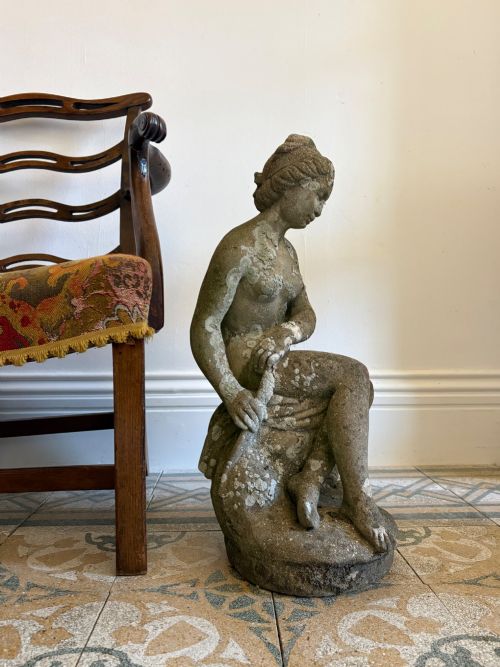
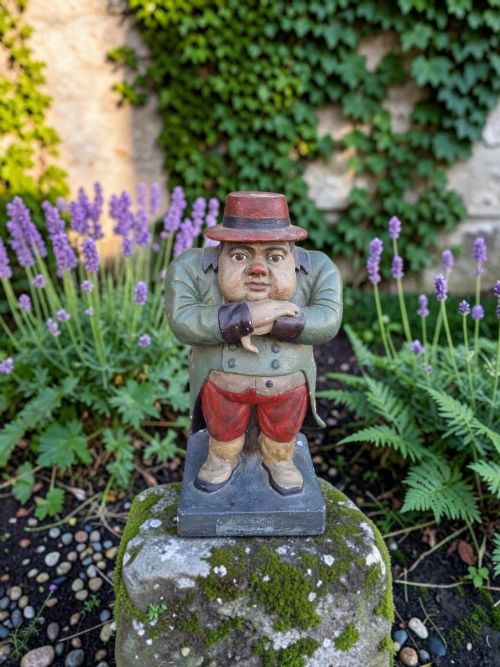
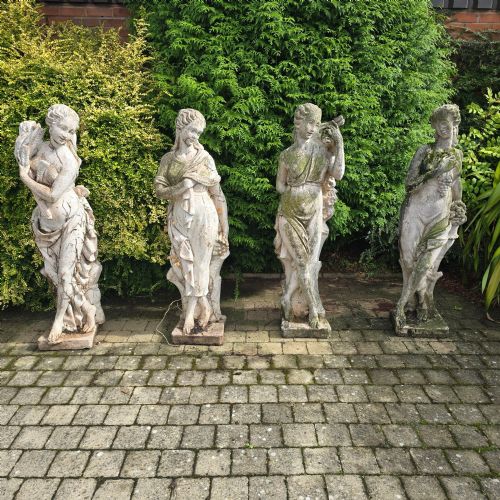
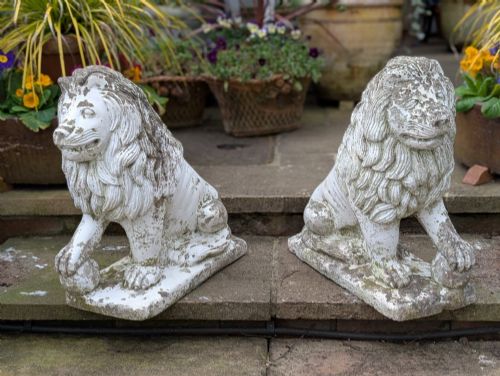
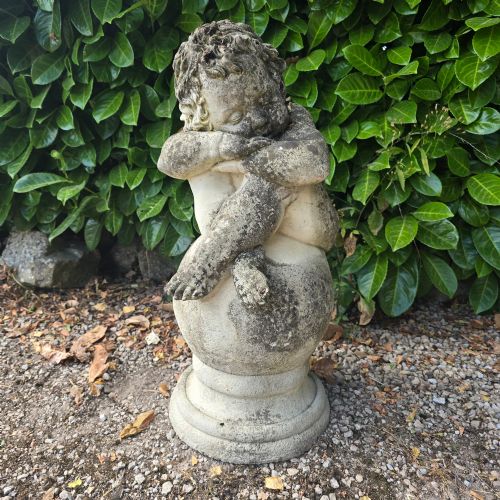
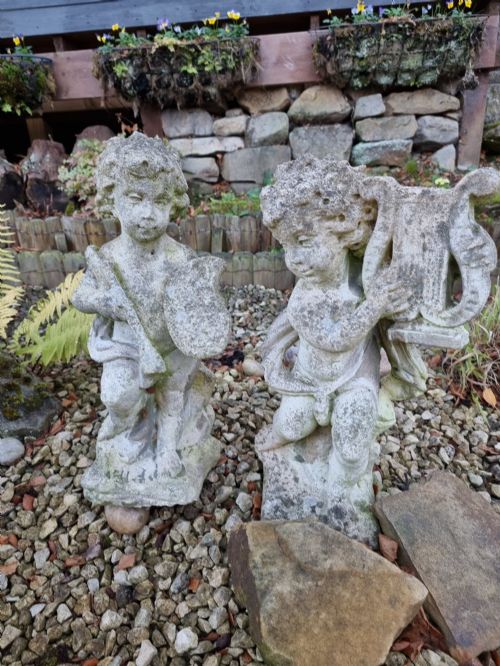
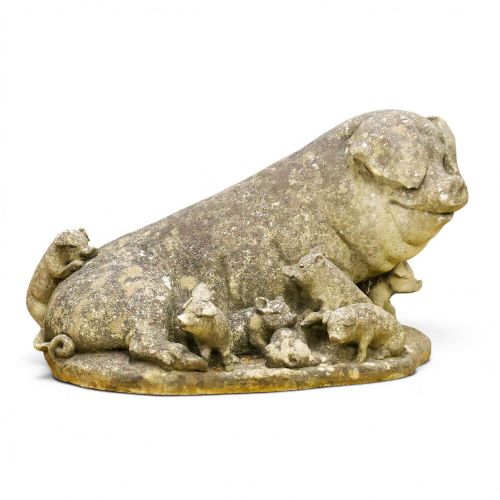
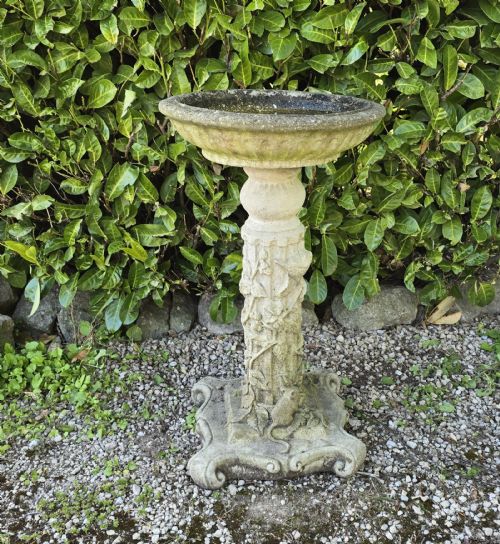
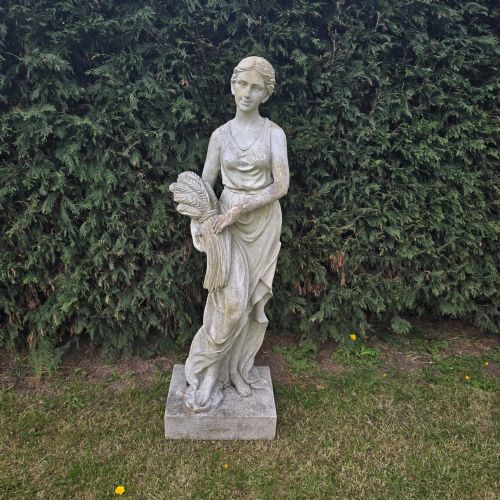
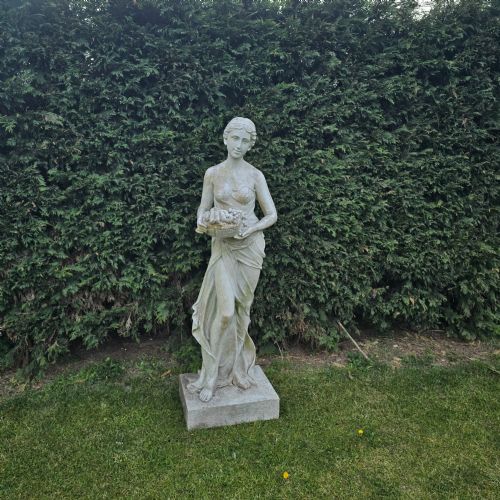
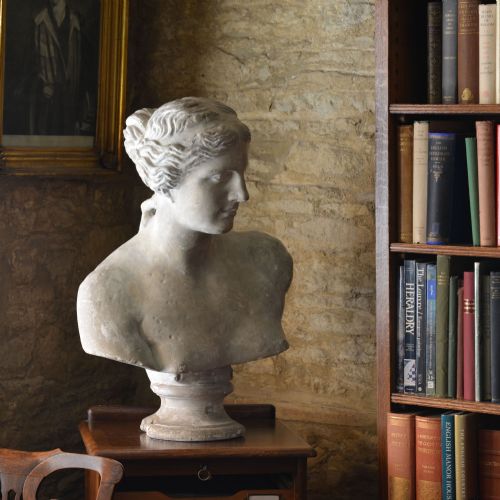
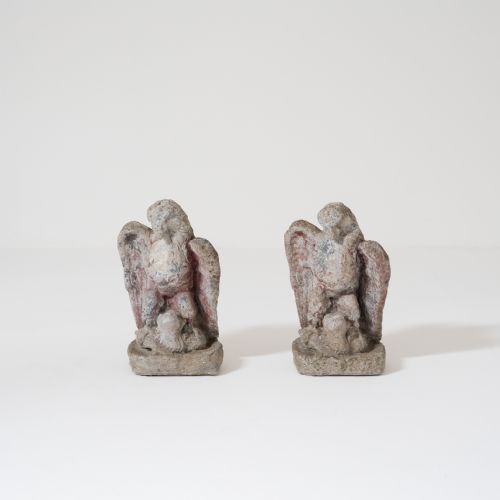
Buyers will encounter mythological figures, including lions, cherubs, and classical deities like Athena and Venus de Milo. Animal forms such as pigs, pigeons, eagles, and gnomes also populate the selections, alongside seasonal allegories and bird baths.
Neoclassical Revival and English Country styles dominate the forms, reflecting traditional architectural tastes. Pieces range from modest garden ornaments to life-sized conservatory figures mounted on plinths.
Materials and construction methods
Makers utilised reconstituted stone, cast stone, composition stone, and concrete poured into moulds to form these figures. Some indoor or delicate pieces employ plaster and gypsum, whilst stoneware provides robust durability for outdoor eagles and lions.
Surfaces frequently receive layers of paint, with original flaky finishes remaining visible on certain nineteen-thirty pieces. Weathering naturally develops across the aggregate materials over decades of exposure to the elements.
Vintage Cast Stone Statues Retail Price Guide 2026
Typical asking prices for vintage cast stone statues among the pieces listed under this phrase on Sellingantiques today, from the lower quarter to the upper quarter. They describe what is for sale here now, not the wider market.
Materials span reconstituted stone, cast stone, composition stone, concrete, plaster, gypsum, and stoneware across neoclassical and folk art styles.
Distinctions in craftsmanship and form
Proportion and detail separate simpler garden ornaments from monumental figures like life-sized representations of the Four Seasons or classical ladies on plinths. Crisp moulding preserves the facial expressions and drapery folds derived from neoclassical prototypes.
The degree of natural weathering enhances the visual depth of stone guardians and lions, distinguishing aged patinas from uniform newer surfaces. Structural mass and the integration of sturdy plinths also define the substance of larger architectural finials and statues.
The Vintage Cast Stone Statues Glossary
- Cast stone
- A building product manufactured from aggregate and cement, used to simulate natural cut stone. It forms the primary body for durable garden figures and architectural ornaments.
- Plinth
- A heavy base supporting a statue, bust, or finial. It elevates garden sculptures above ground level.
- Finial
- An architectural ornament placed at the apex of a post, gate, or pillar. Pairs of lions frequently serve this decorative function.
- Neoclassical
- A style inspired by the classical art and architecture of ancient Greece and Rome. It influences the drapery, proportions, and subject matter of many figures.
Vintage Cast Stone Statues: Frequently Asked Questions
Where should I place a heavy stone statue?
Large cast stone statues and figures on plinths require stable, level ground to support their substantial weight safely. Garden lawns, gravel terraces, and conservatory floors provide ideal settings.
Positioning pieces away from pooling water prevents moisture from rising through the base during colder months.
How do I clean weathered garden stone?
Gentle brushing with water removes loose debris while preserving the accumulated weathering and historic patinas that collectors value. Avoid harsh chemical cleaners that strip away the aged character of the surface.
Allowing natural moss and lichen to remain often enhances the traditional aesthetic of nineteenth and twentieth-century garden ornaments.
Can these statues stay outdoors in winter?
Most cast stone, composition stone, and stoneware pieces withstand outdoor conditions due to their dense aggregate construction. However, plaster and gypsum items suit indoor conservatory environments exclusively.
Protecting vulnerable pieces from severe frost prevents moisture trapped within the material from expanding and causing damage.
What is the difference between a statue and a finial?
Statues represent standalone figurative subjects such as animals, cherubs, or mythological ladies designed for placement in gardens. Finials serve a specific architectural purpose as capping ornaments on gate posts and pillars.
While statues focus purely on sculptural form, post finials combine decorative presence with structural termination.