





Stone Statues on Pedestals
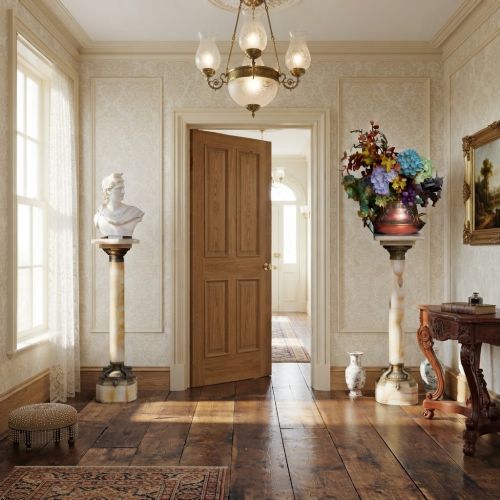
Stone statues on pedestals bring classical presence to gardens and interiors, offering carved marble and weathered stone forms built to anchor a room or landscape.
Stone Statues on Pedestals
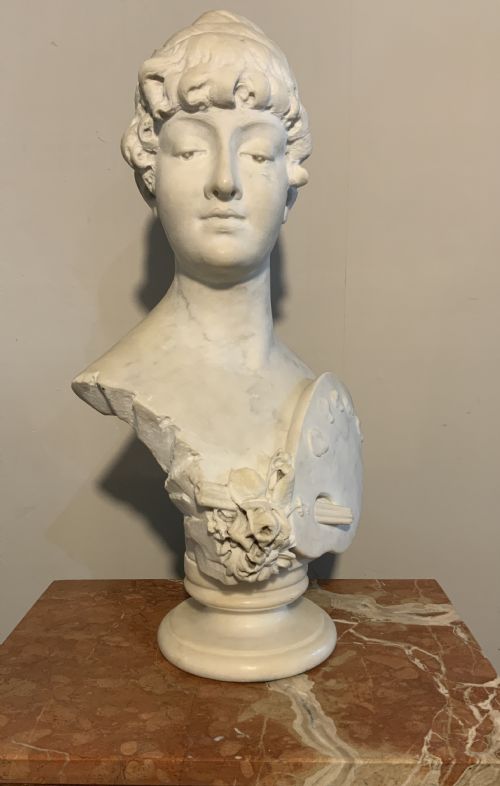
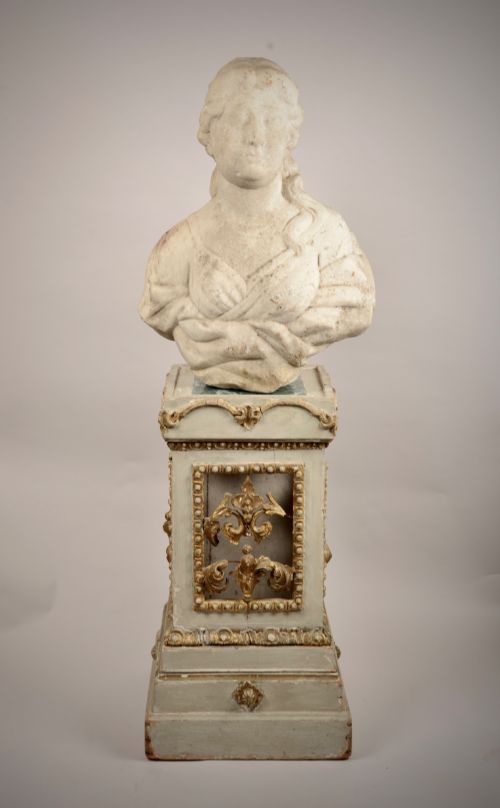
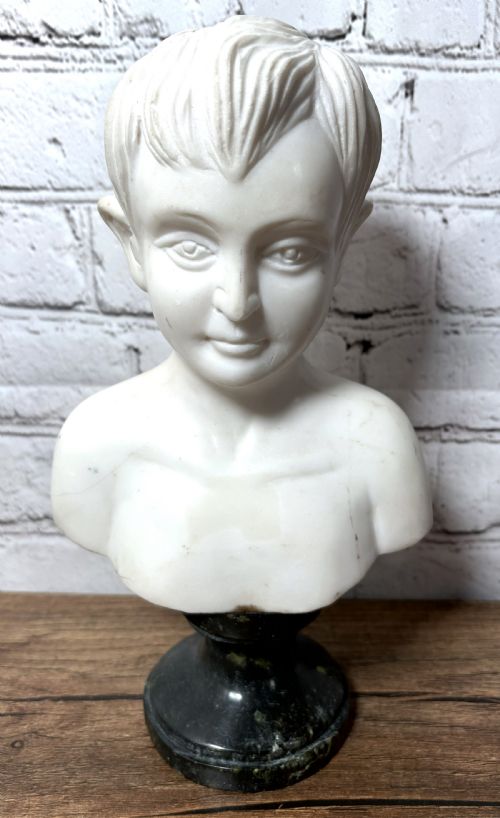
When you search for stone statues on pedestals, you are looking at figural sculptures, busts, and architectural supports spanning from the seventeenth century through the mid-twentieth century. The selection ranges from classical garden statuary and seated lions to interior library busts, figural lamps, and decorative columns.
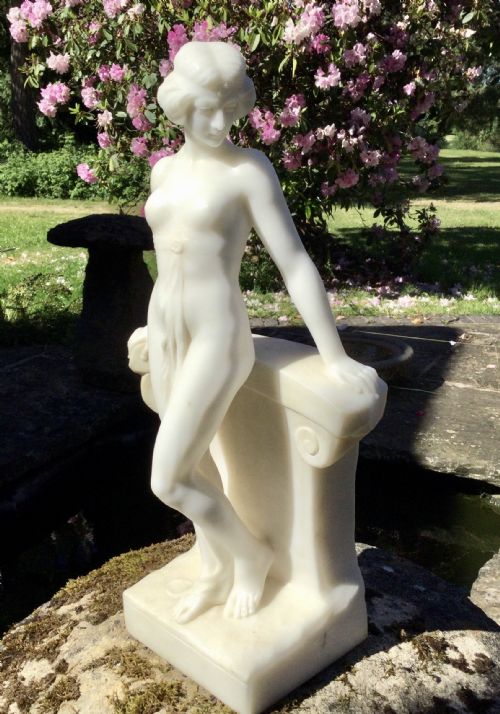
The version you are most likely to meet on this page is a nineteenth-century marble piece or a mid-twentieth-century stone garden statue set upon a matching plinth. These groupings combine carved human figures and mythological subjects with structural columns or stone bases.
Originating across European traditions including French, Italian, and English workshops, these pieces encompass Neoclassical, Baroque, and Classical Revival styles. Buyers acquire them to establish a formal focal point in a hallway, library, or garden terrace.
How they were made
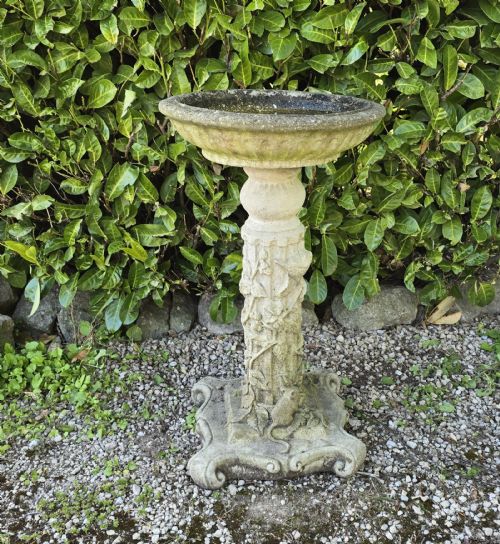
Garden pieces and architectural supports utilised reconstituted stone, cast stone, and stoneware poured or pressed into moulds before weathering in the open air. Interior columns and pedestals paired turned stone shafts with decorative metal mounts to support heavy portrait busts.
Stone Statues on Pedestals Retail Price Guide 2026
Typical asking prices for stone statues on pedestals among the pieces listed under this phrase on Sellingantiques today, from the lower quarter to the upper quarter. They describe what is for sale here now, not the wider market.
Napoleon Bonaparte stands immortalised here in marble alongside classical goddesses, a young boy holding a mandolin, and seated garden lions.
What varies in quality
The separation between the top of the range and simpler pieces lies in the anatomical precision of the carving, the selection of unblemished marble or fine alabaster, and the presence of a known sculptor's signature. Master carvers achieved subtle depth in facial expressions and fabric folds that mechanical reproduction misses entirely.
For garden statuary and architectural pedestals, quality rests on the density of the cast or reconstituted stone and the natural weathering pattern accumulated over decades. Tighter mineral structures and balanced proportions on plinths distinguish exceptional commissions from standard utility items.
John Wenlock Rollins·Eduardo Giolli
The Stone Statues on Pedestals Glossary
- Carrara marble
- A type of white or blue-grey marble quarried in the city of Carrara in Tuscany, widely utilised for classical sculpture and portrait busts throughout the nineteenth century.
- Ormolu
- Gilded bronze applied as decorative mounts, collars, or bases on nineteenth-century stone columns and pedestals.
- Plinth
- A heavy rectangular or square block of stone serving as the base for a statue, column, or bust.
- Torchere
- An ornamental stand or tall pedestal originally designed to carry a torch or lamp, seen in nineteenth-century marble forms.
- Reconstituted stone
- A manufactured material made from crushed natural stone and binding agents, cast in moulds to imitate carved masonry for garden statuary.
Stone Statues on Pedestals: Frequently Asked Questions
How do I clean marble busts?
Dust marble surfaces regularly with a soft, dry cloth to prevent dirt accumulation in the carved details. Avoid chemical detergents or abrasive pads that damage the stone polish.
For stubborn grime, wipe gently with a damp cloth using mild soap and dry immediately with a clean towel. Professional conservation is recommended for antique pieces showing surface cracking.
Can garden statues stay outside in winter?
Reconstituted stone and cast stone garden statues handle outdoor placement through moderate weather. However, freezing water trapped inside porous stone or hairline cracks causes expansion and breakage.
Move delicate marble or alabaster sculptures indoors during freezing months, or protect garden figures with breathable covers. Elevate stone plinths off direct soil contact to reduce moisture absorption.
How are statues secured to pedestals?
Many historical statues and busts rest securely on their pedestals through sheer gravity and matched weight distribution. Large garden figures often use concealed metal dowels or pins fitted into pre-drilled holes between the plinth and base.
Ensure the supporting floor or patio surface is completely level before placing a heavy stone combination. Position statues away from high-traffic walkways where accidental impacts could topple the arrangement.
What defines the Neoclassical style?
Neoclassical sculpture draws inspiration from the classical art and architecture of ancient Greece and Rome. This style prioritises balanced proportions, calm expressions, and restrained drapery over exuberant decoration.
Pieces from this movement often depict historical figures, mythological deities, or allegorical subjects like the Four Seasons. The aesthetic dominated European workshops through the eighteenth and nineteenth centuries.