




English Garden Ornaments
English garden ornaments bring character to lawns and terraces through statues, staddle stones, lead figures, and weathervanes shaped by weather and age.
English Garden Ornaments
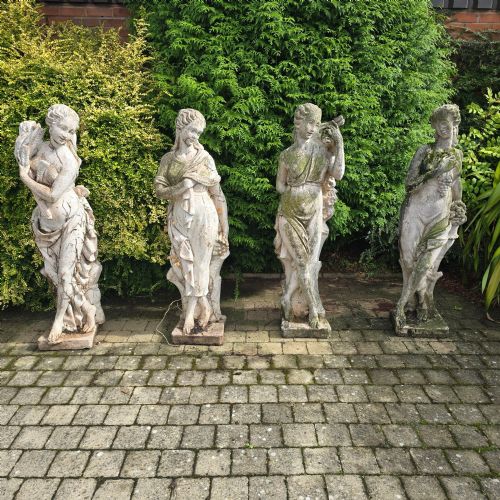
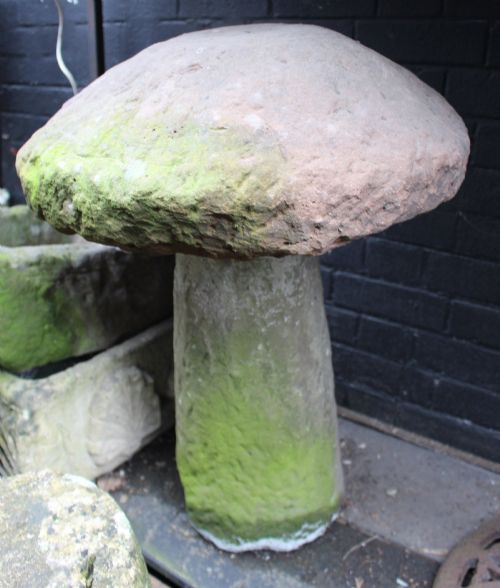
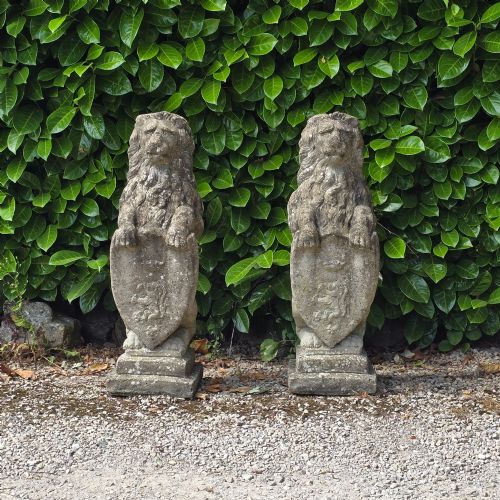
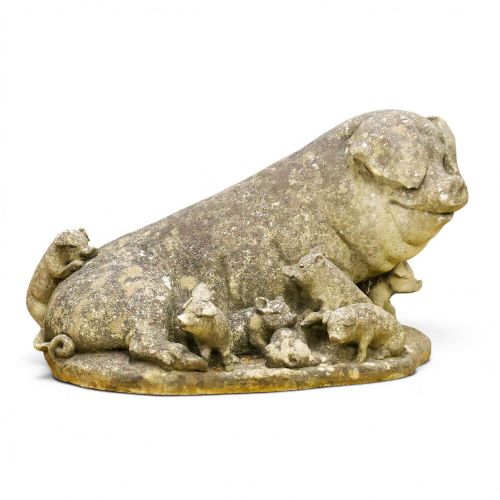
The most common versions you are likely to meet include weathered staddle stones, cast stone animal figures, and lead sculptures dating from the eighteenth century up to the 1930s. These pieces reflect distinct aesthetic movements such as Classical Revival, rustic vernacular, and folk art. Each object demonstrates how functional outdoor items evolved into decorative focal points for country houses and domestic gardens.
Materials and Construction
Makers utilised durable outdoor materials such as cast stone, reconstituted stone, sandstone, Purbeck stone, and Cornish granite to withstand the elements. Stone elements were often hand-carved or cast into rigid moulds before being left exposed to the elements to weather naturally over decades. This slow weathering process encourages the growth of lichen and moss, which integrates the material into garden settings.
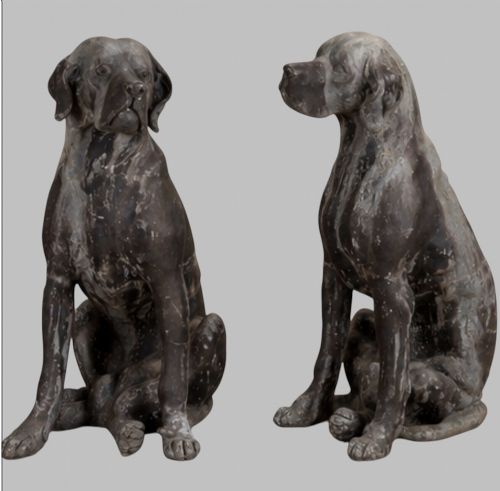
Metal components relied on lead and copper, particularly for figures, hounds, putti, and directional weathervanes. Lead figures were cast and finished by hand, while copper weathervanes utilised sheet metal fabrication and silhouette cutting. Original painted surfaces occasionally survive beneath layers of atmospheric wear, retaining traces of early pigments.
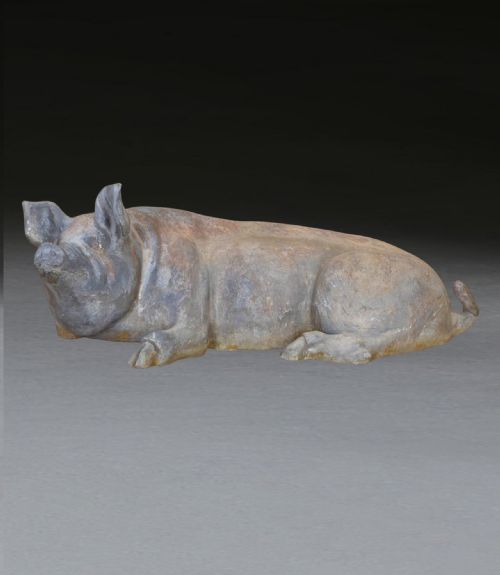
The current selection spans from eighteenth-century Cornish granite up to 1930s cast stone garden gnomes and pigs.
Assessing Quality and Character
Quality in these pieces depends upon the strength of the sculptural modelling and the integrity of the casting or carving. Superior examples display expressive anatomical detail in figures such as lions, hounds, and human forms, whereas lesser pieces appear stiff or generic. The distinction lies in the hand of the maker and the fidelity of the original mould or chisel work.
The degree and authenticity of weathering also dictate the desirability of a piece. Natural patination developed through a century of outdoor exposure holds greater visual depth than uniform artificial ageing. Surface textures rich in organic growth and stable material deterioration elevate the standing of an ornament.
The English Garden Ornaments Glossary
- Staddle stone
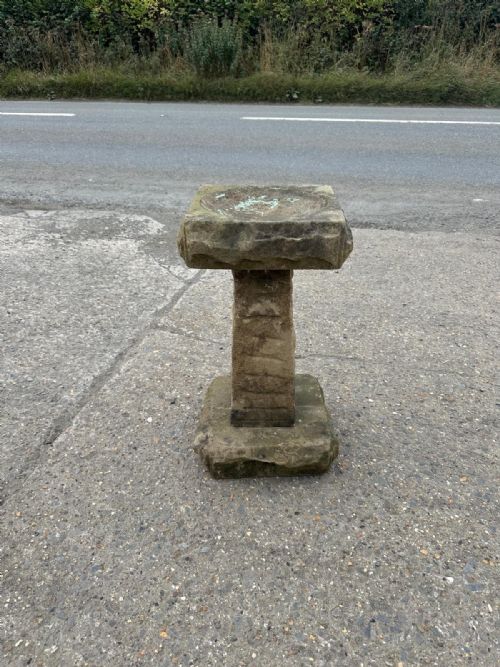
- A traditional stone mushroom-shaped pillar originally used to support granaries and keep out vermin. They now serve as prominent rustic garden pedestals and ornaments.
- Cast stone
- A refined building product manufactured from concrete masonry mixtures intended to mimic natural cut stone. It allows for detailed replication of classical garden ornaments and statues.
- Weathervane
- An outdoor directional instrument mounted on pivots to show the direction of the wind. Historical versions often incorporate copper silhouettes of animals or human figures.
- Putto
- A classical artistic motif depicting a plump, naked male child, often winged. These figures appear frequently in lead and stone garden statuary.
- Patination
- The natural surface change, coloration, and texture acquired by materials through age and exposure to the weather. It serves as an indicator of genuine historical age.
English Garden Ornaments: Frequently Asked Questions
What are staddle stones used for?
Staddle stones were originally designed as support piers for timber granaries, corn ricks, and hayricks to elevate grain above ground level. This elevation prevented dampness and kept rodents from reaching the stored harvest.
Today, they are utilised purely as decorative garden ornaments, often arranged in groups along pathways or used as sturdy bases for outdoor planters.
How do I care for antique lead garden figures?
Antique lead figures require very little active maintenance because lead forms a stable protective grey oxidation layer when exposed to the air. This natural skin protects the metal from deeper corrosion.
You should avoid scrubbing lead ornaments with harsh chemical cleaners or abrasive tools, as this removes the desirable historic patination and organic lichens.
How can I tell the age of a cast stone ornament?
Dating cast stone involves examining the depth of the weathering, the presence of established moss and lichen, and the style of the manufacturing technique. Earlier twentieth-century pieces often display denser aggregate mixes and softer surface wear.
Comparing the sculptural form to documented periods like the Victorian era or the 1930s helps narrow down the probable production timeframe.
Where should I place a bird bath in the garden?
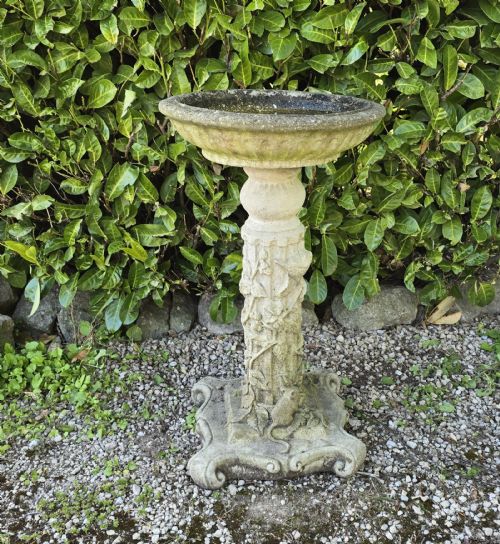
Bird baths should be positioned in open, quiet areas where visiting birds can spot approaching cats or other hazards easily. Placing them near shrubs or low trees offers quick shelter if needed.
Ensure the structure sits on level ground so the basin holds water evenly across its surface.