
Antique Game Set
These pieces are antique game sets, bringing centuries of parlour entertainment and lawn sport into the modern home for traditional play and display.
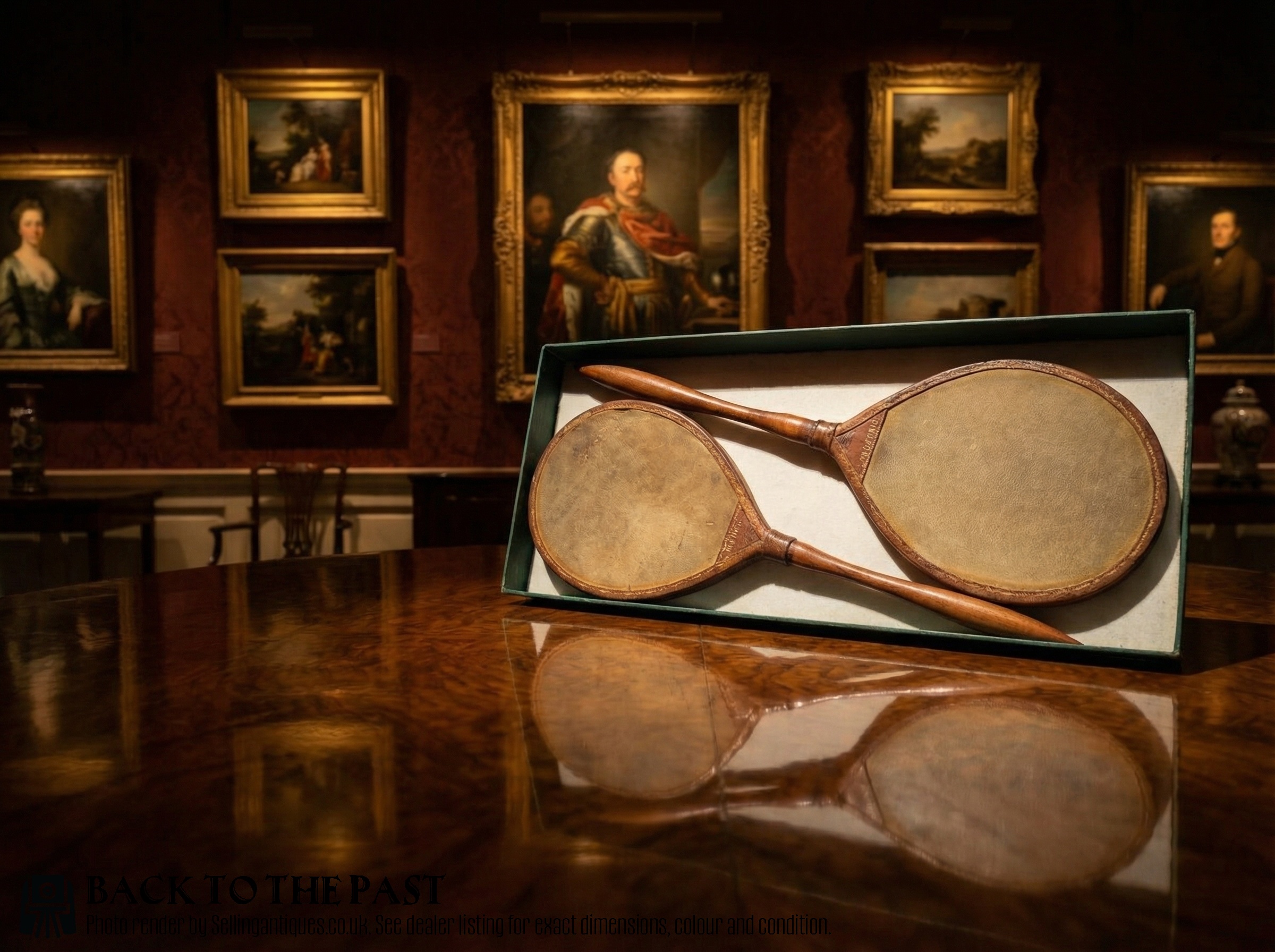
Antique Game Set
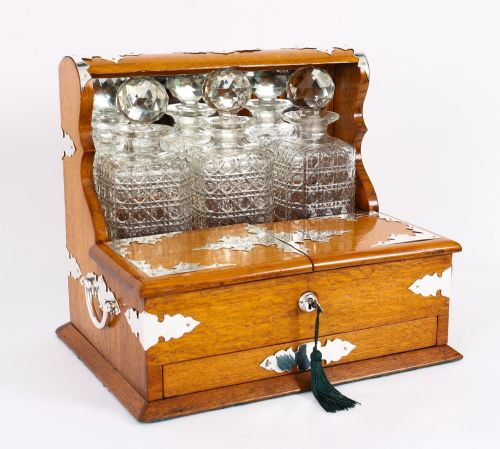
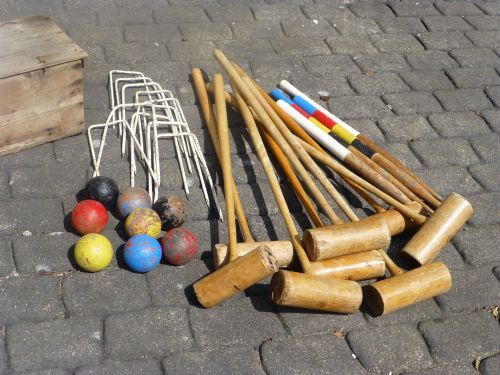
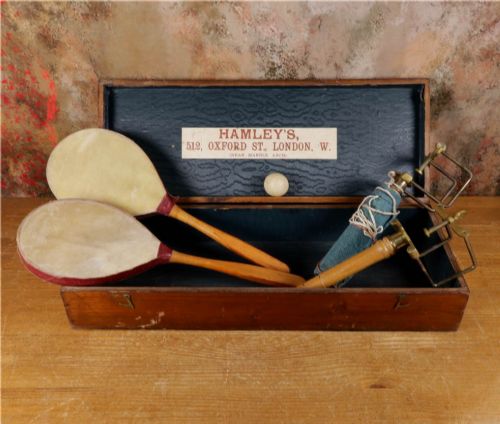
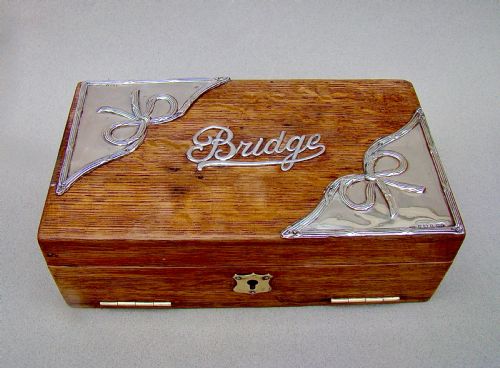
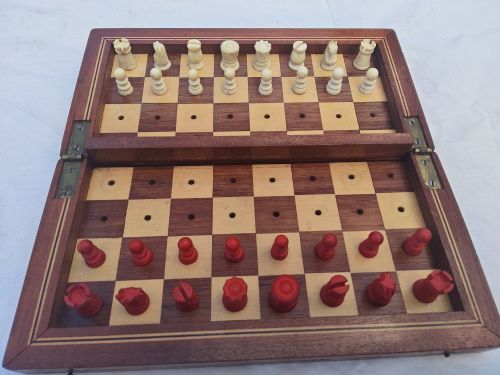
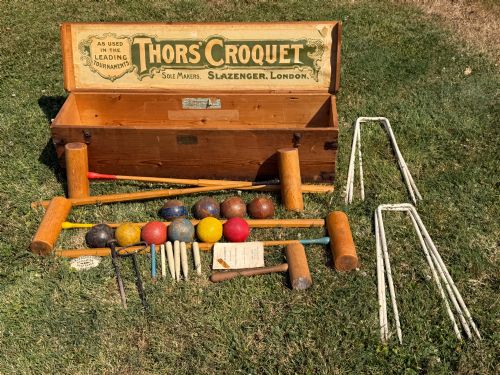
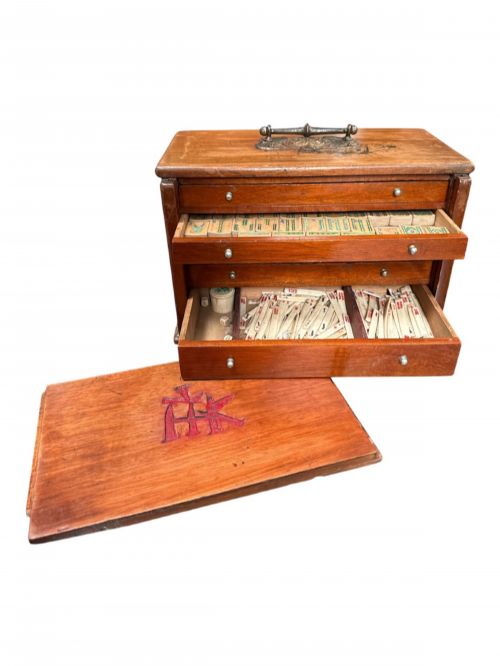
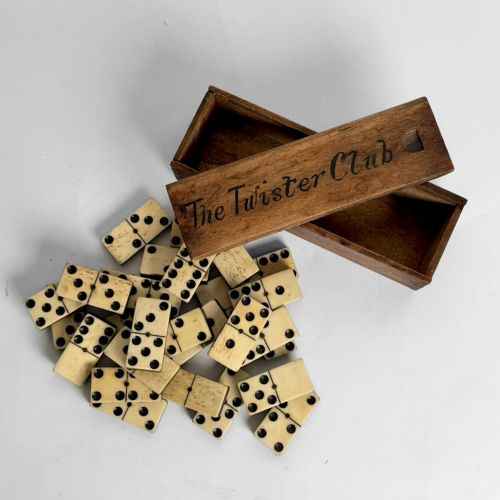
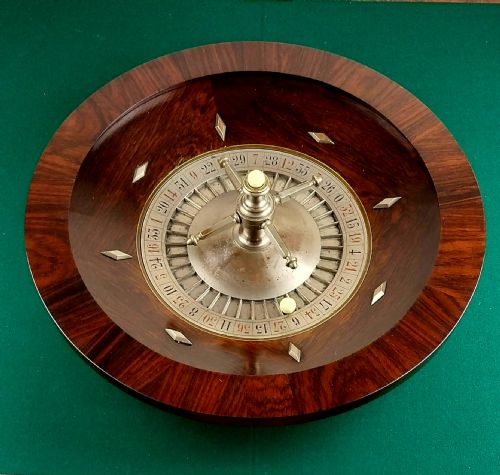
An antique game set encompasses everything from travelling chess boards and bone dominoes to large lawn croquet sets and mahogany tantalus compendiums. You will frequently encounter Victorian and Edwardian examples featuring fitted boxes, folding wooden boards, and complete sets of playing pieces.
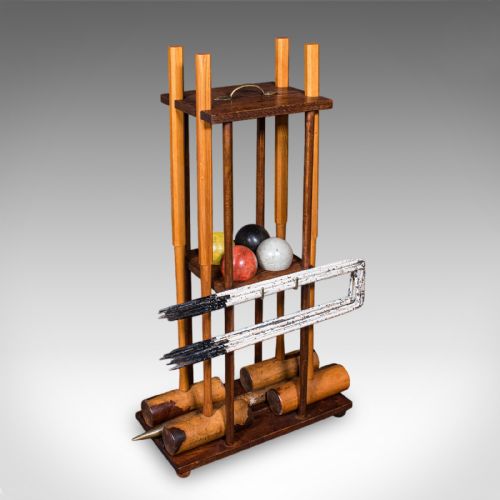
Indoor parlour pastimes appear alongside garden amusements like lawn bowls and croquet sets housed in original pine boxes. The material record spans portable travelling sets with bone or boxwood pieces to substantial oak dry bar cabinets incorporating multiple games.
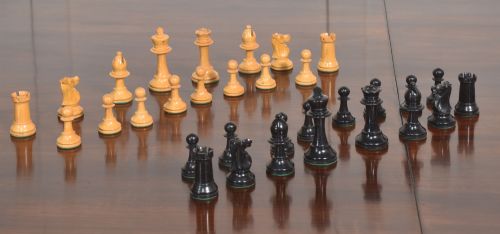
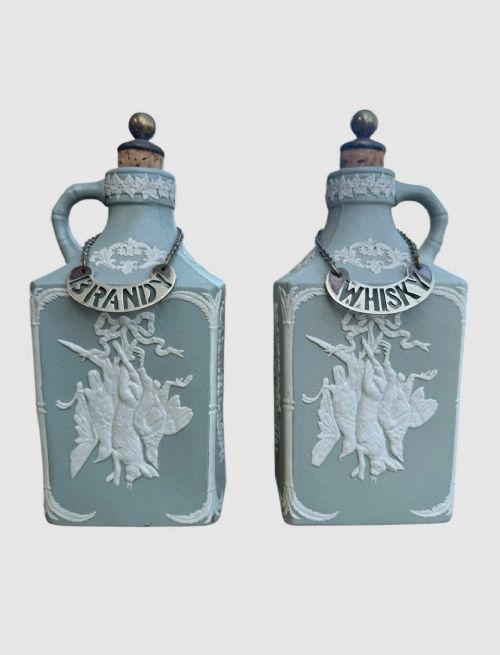
Whether you seek a simple boxwood and ebony chess set or a comprehensive Edwardian gaming compendium with decanters, these items reflect the social rituals of nineteenth and early twentieth century domestic life.
What Varies in Quality
The distinction between standard items and superior examples lies in the completeness of the original contents and the integrity of the fitted housing. Sets retaining their original marked boxes, matching counters, and undamaged carved pieces hold greater historical consistency.
Material selection and decorative execution separate basic utilitarian items from luxury compendiums. Finely figured mahogany, intricate marquetry inlay, and high-grade silver mounts indicate workshop production intended for affluent households.
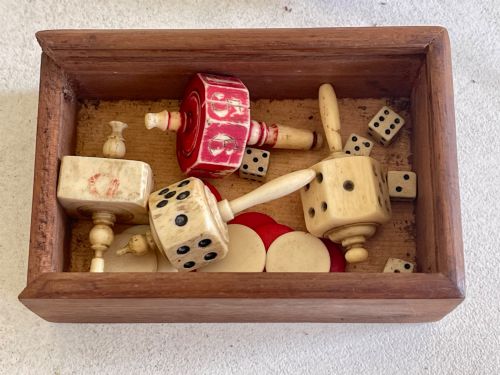
French prisoners carved tiny bone teetotums to pass the long hours during the Napoleonic wars.
Levi & Salaman·Slazenger·A.W.Gamage·F.H.Ayres Ltd·Jaques & Hamleys Gossima
The Antique Game Set Glossary
- Staunton
- The standard design pattern for chess pieces, introduced in the mid-nineteenth century and characterised by heavily weighted pieces with distinctive coronet and mitre heads.
- Compendium
- A multi-game box or cabinet containing equipment for several different pastimes, such as chess, draughts, and cards, often combined with a tantalus or dry bar.
- Tantalus
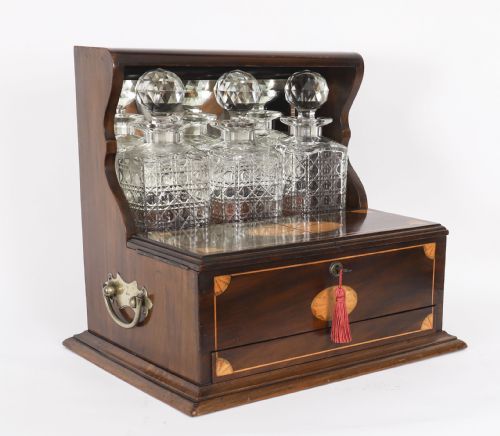
- A locking wooden frame holding decanters to prevent unauthorized access to the spirits inside, frequently incorporated into late nineteenth century games compendiums.
- Teettotum
- A multi-sided spinning top used for gambling or parlour games, often carved from bone by prisoners of war during the nineteenth century.
- Whittington Pattern
- A specific style of nineteenth-century chess set design, commonly turned from bone and mahogany for travelling or domestic use.
Antique Game Set: Frequently Asked Questions
What is an antique game set?
An antique game set is a collection of equipment designed for pastimes like chess, croquet, and card games, usually dating from the nineteenth or early twentieth century.
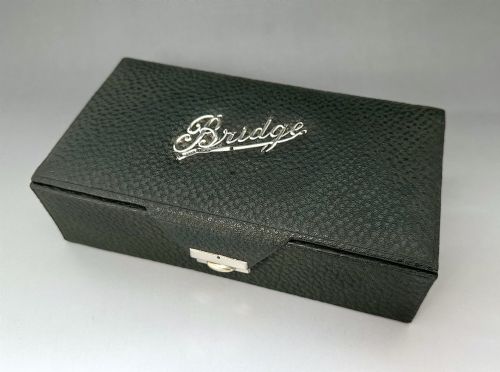
These collections often survive in fitted wooden boxes, folding boards, or specialised leather cases that kept the pieces organised between uses.
How do I identify a Victorian game set?
Victorian game sets typically feature traditional materials such as boxwood, bone, and mahogany, reflecting the craftsmanship of the nineteenth century.
Look for period manufacturing details like hand-turned chess pieces, dovetailed wooden boxes, and original paper labels or maker stamps.
Were these sets meant for travel?
Many nineteenth-century game sets were specifically engineered for portability, featuring folding boards and compact compartments for pieces.
Travelling chess and backgammon boards allowed Victorians to play during railway journeys or holidays away from home.
How should I display a games compendium?
A games compendium looks striking placed on a side table or open shelf where the figured wood and polished crystal decanters can be appreciated.
Keeping the piece in a stable environment away from direct sunlight protects the aged wood, leather, and interior fabrics from fading.