
Victorian Pine Box
When you search for a victorian pine box, you find utility and character shaped by nineteenth-century domestic and travel needs.
Victorian Pine Box
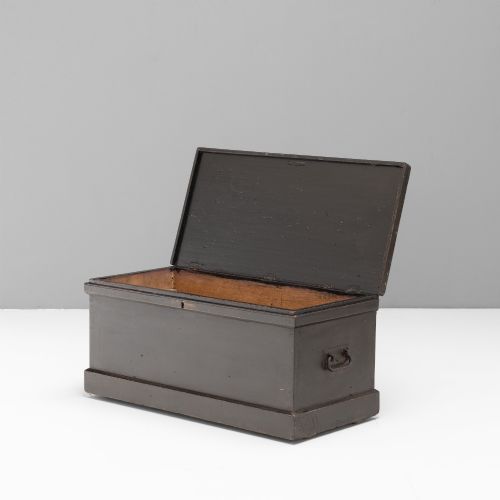
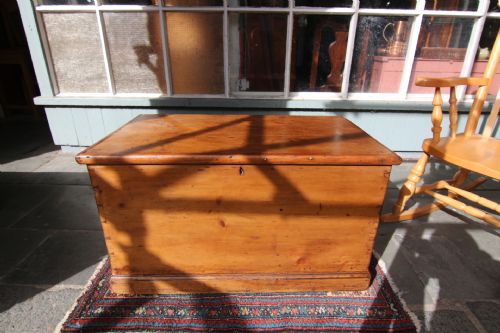
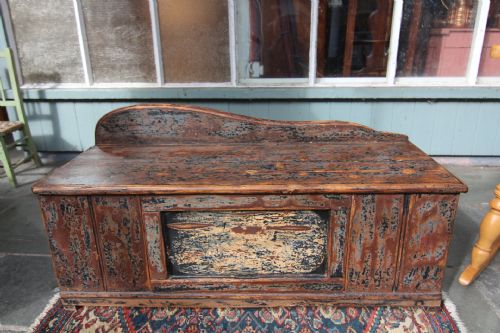
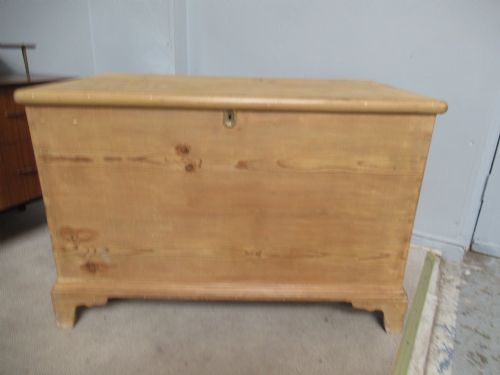
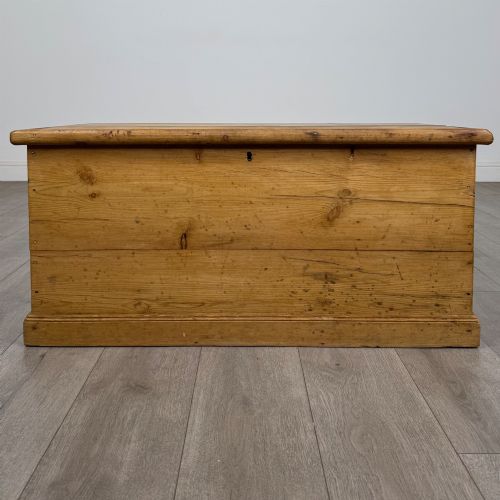
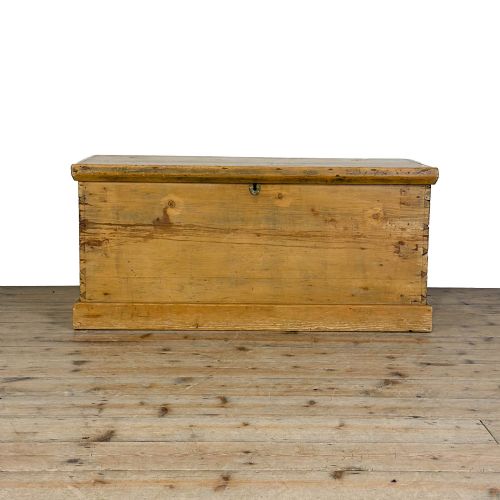
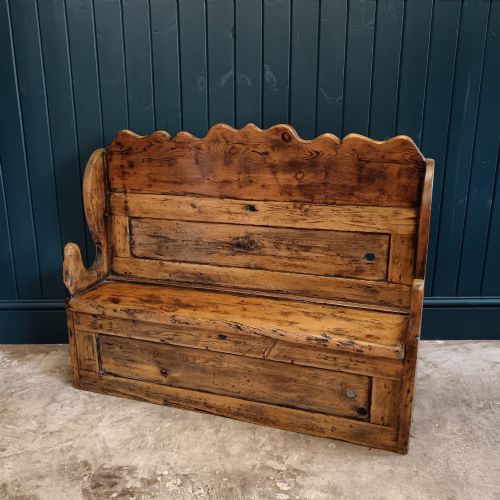
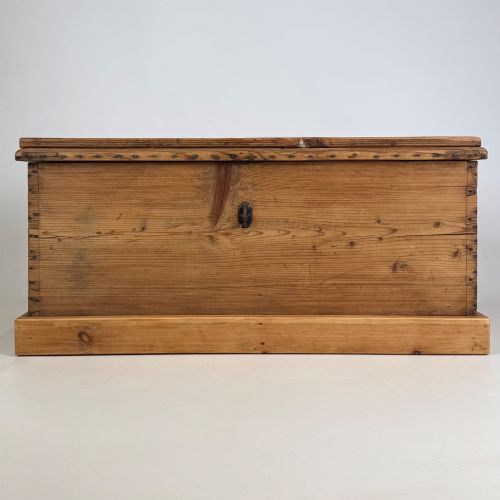
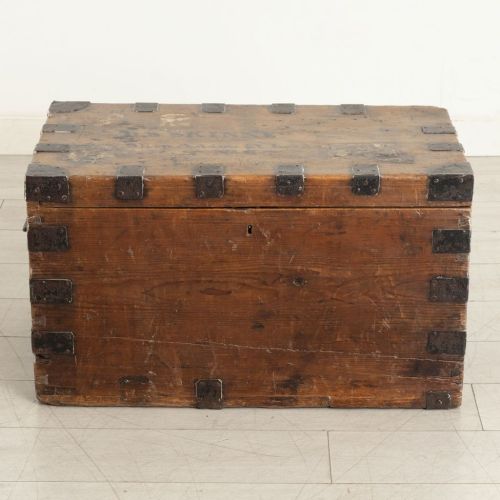
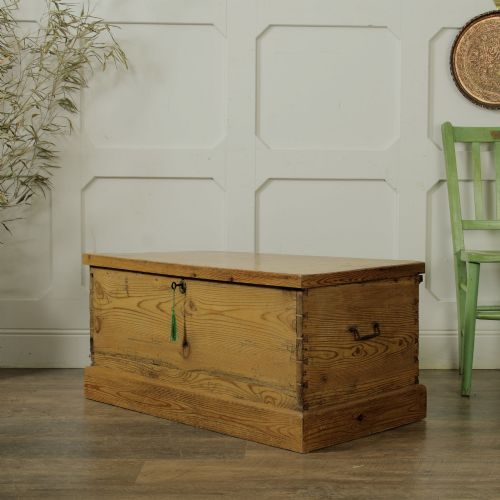
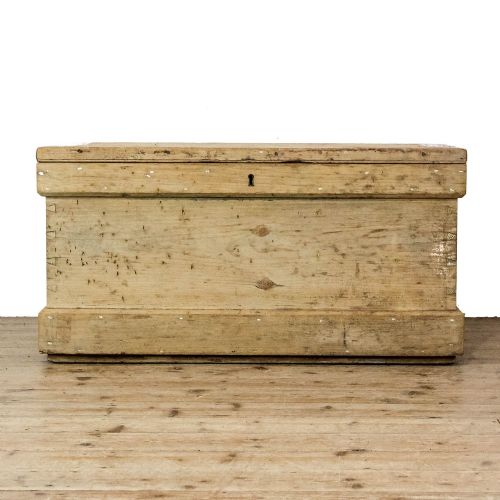
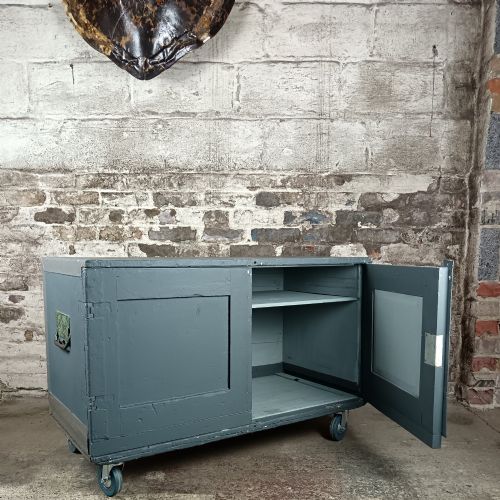
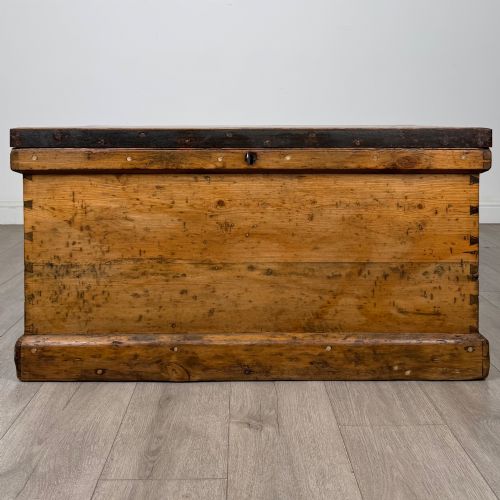
A victorian pine box primarily takes the form of blanket boxes, storage chests, and travel trunks designed for household utility. These pieces range from simple flat-top storage chests to fitted tool cabinets, silver chests, and box settles.
Most examples originate from the nineteenth century, spanning periods from early Victorian decades through to Edwardian times. Buyers frequently encounter sturdy blanket boxes and travel trunks intended for domestic storage or transit.
Makers often utilised durable softwoods, resulting in robust constructions intended for practical service. Surviving examples display varying finishes, from stripped and waxed surfaces to remnants of original paintwork.
Materials and construction
Makers constructed these storage pieces predominantly using pine and pitch pine, occasionally incorporating elm or heavier woods for specific structural demands. Iron and brass hardware, including corner brackets, hinges, and carrying handles, reinforced the timber bodies for heavy use.
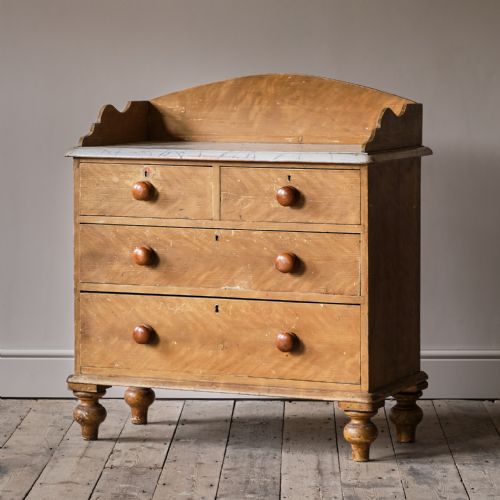
Surface treatments varied widely between utilitarian applications and decorative finishes. Workshops applied scumble paint, decorative schemes mimicking grander houses, or simple wax to protect the softwood grain.
Listings feature pine, pitch pine, iron, brass, and glass materials across nineteenth-century storage forms.
Judgements of quality
Quality rests upon the integrity of the original construction, including the dovetail joinery of the carcass and the survival of interior fittings such as candleboxes or small drawers. Pieces retaining their original brass or iron hardware and working locks command greater interest.
The condition and authenticity of the surface finish dictate much of the character. Examples preserving intact original paint or possessing a rich, waxed patina demonstrate superior preservation compared to stripped surfaces lacking historical depth.
The Victorian Pine Box Glossary
- Pitch pine
- A dense variety of pine containing high resin content, frequently utilised for robust nineteenth-century trunks and chests.
- Scumble paint
- A translucent decorative glaze applied over a base coat to imitate the grain pattern of more expensive hardwoods.
- Campaign chest
- A portable trunk or chest constructed in sections with recessed brass handles, designed for military transport.
- Tramp art
- Folk art created by carving small chips from scrap wood, often seen on late nineteenth-century boxes and frames.
- Box settle
- A wooden bench featuring a hinged seat lid that opens to reveal a storage compartment underneath.
Victorian Pine Box: Frequently Asked Questions
How were these boxes originally used?
Households utilised these sturdy chests primarily for storing blankets, bedding, and seasonal textiles away from dust and moths. Travel versions also served owners moving belongings across distances by rail or ship.
Workshop and military variants held specialised tools, cutlery, or campaign equipment, reflecting the specific occupations and lifestyles of their original owners.
Are original painted finishes common?
Original paint surfaces survive on a notable selection of pieces, though many others were stripped down to bare wood during later decades. Surviving paint often includes utilitarian layers, scumble decoration, or decorative schemes mimicking grander furniture.
Buyers value these untouched or early paint layers for the historical character and visual texture they impart to the softwood.
What is a pitch pine trunk?
A pitch pine trunk is a storage chest built from resinous pine timber known for its durability and distinctive grain pattern. This heavier wood provided extra strength for travel trunks and frequently accommodated internal compartments like small drawers.
These pieces often feature robust iron or brass bindings to withstand the rigours of transit.
How do I care for a waxed pine box?
Maintenance involves applying a traditional beeswax polish occasionally to nourish the dry softwood and preserve the sheen. Keep the timber away from direct heat sources and dramatic humidity shifts to prevent warping.
Regular dusting with a soft, dry cloth is sufficient for everyday upkeep of the waxed surface.