


Vintage Sports Equipment
Vintage sports equipment brings past leisure into modern rooms, offering tactile histories of nineteenth-century field sports, Edwardian lawns and early twentieth-century expeditions.
Vintage Sports Equipment
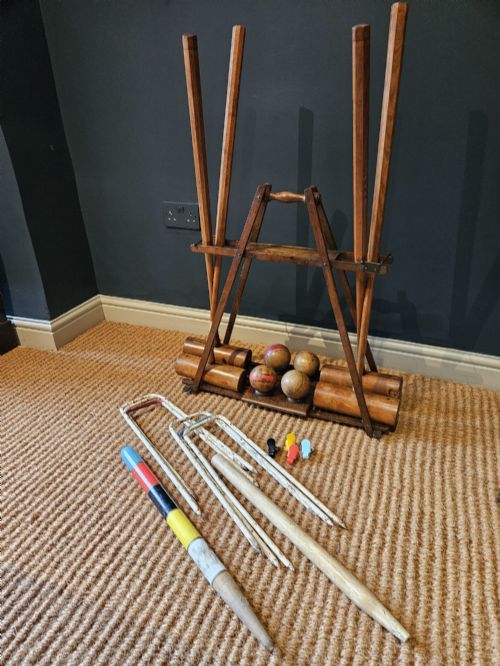
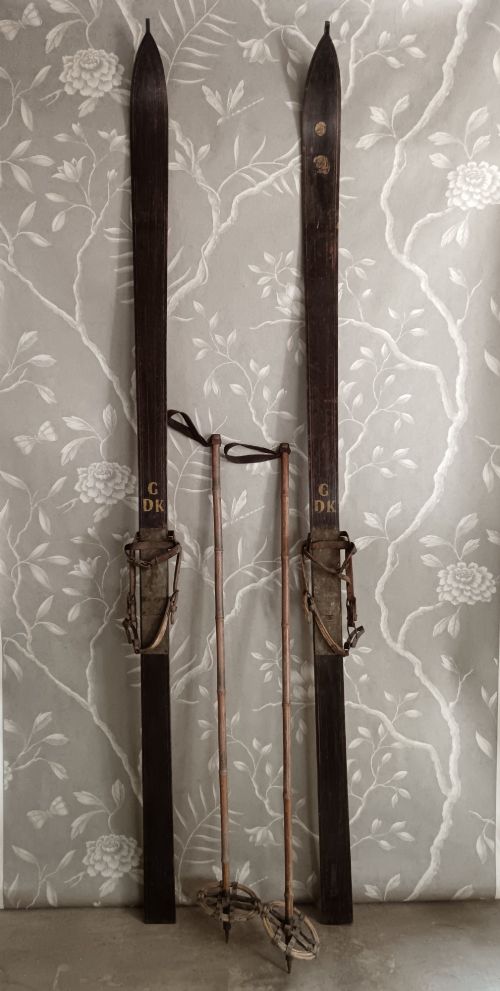
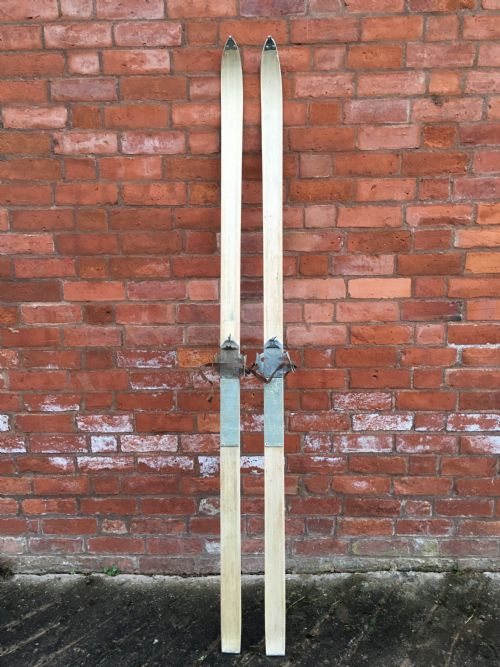
The objects appearing most frequently on this page span several distinct forms and chronological periods, notably Edwardian and Victorian pieces alongside early twentieth-century examples. Buyers will commonly find boxed croquet sets housed in original pine containers, hickory-shafted golf clubs, leather medicine balls and wooden skis paired with bamboo poles. Each piece reflects the specific material culture of historical recreation, preserved through decades of use.
How they were made
Construction relies heavily on traditional timber and durable metals, employing pine, hardwood, hickory, iron and steel. Wooden components such as ski lengths, golf club shafts and croquet mallets demand straight-grained timber capable of withstanding physical stress and tension during athletic use. Metal elements including net posts, spikes and fittings utilise cast iron and steel shaped by nineteenth-century workshop techniques.
Organic materials such as leather, horn, antler and bamboo provide essential flexibility and grip for items like medicine balls, boot pulls and ski poles. Leather is stitched and treated to endure heavy impact, while horn and antler are shaped into durable accessories for sporting preparation. These mixed materials reflect the practical manufacturing standards of firms producing robust equipment for active pursuits.
Materials recorded across the selection include iron, leather, pine, hardwood, steel, wood, horn and antler.
What varies in quality
Quality separates mass-produced utility goods from specialised items manufactured by recognised sporting outfitters and prominent makers. Pieces bearing maker stamps or original fitted containers indicate higher manufacturing standards and careful preservation by past owners. The integrity of original components, such as unbroken hickory shafts or matching sets of wooden mallets, distinguishes superior survivals from composite assemblies.
Material preservation dictates the distinction between functional historical survivals and heavily degraded items. Items retaining their original patination, stitching and structural soundness without excessive replacement parts represent the upper tier of historical sporting goods. The presence of original packaging, such as maker-labeled pine boxes, elevates the historical completeness of the piece.
Jacques·Slazenger·L.H. Hagen and Co.·A.W. Gamage·F.H. Ayres
The Vintage Sports Equipment Glossary
- Croquet set
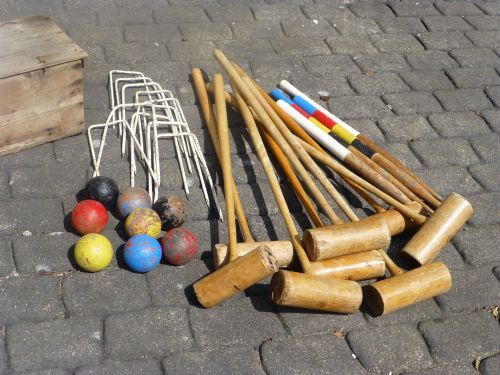
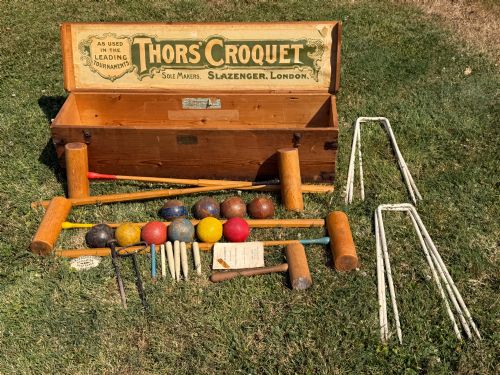
- A collection of mallets, balls, hoops and stakes housed in a fitted box for playing the lawn game. Complete sets often retain their original wooden containers bearing maker labels.
- Hickory shaft
- A golf club handle fashioned from North American hickory wood, valued for its natural flexibility before steel shafts became standard. These shafts define golf clubs from the Edwardian era and earlier periods.
- Medicine ball
- A heavy leather sphere filled with dense material and utilised for physical training and strength exercises. Edwardian examples exhibit robust stitched leather construction designed for rigorous athletic conditioning.
- Boot pull
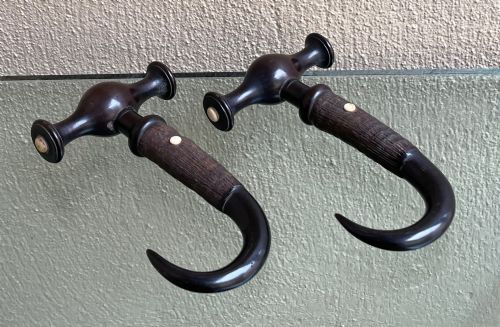
- A device designed to assist riders or athletes in removing tight footwear. Nineteenth-century examples utilise natural horn or metal mounted for leverage during equestrian pursuits.
Vintage Sports Equipment: Frequently Asked Questions
How do I date vintage golf clubs?
Dating relies on identifying the shaft material, clubhead form and maker stampings on the wood or iron. Hickory shafts generally point to the early twentieth century or Victorian periods before steel adoption.
Maker marks stamped onto the hosel or club back provide precise attribution to period workshops and manufacturers active during the Edwardian era.
Are old croquet sets complete?
Survival rates vary, but many period sets retain their original mallets, balls, hoops and starting pegs inside the fitted wooden container. Checking the contents against the maker's original layout confirms completeness.
Original pine boxes frequently feature interior partitions and labels identifying the nineteenth or early twentieth-century retailer.
How should I display wooden skis?
Wooden skis and bamboo poles suit wall mounting or upright corner placement using non-invasive brackets that support the weight without damaging the timber. Maintaining stable indoor humidity prevents the historic wood and bamboo from drying out or splitting.
Keeping items away from direct heat sources preserves the original finish and the integrity of early bindings.
What maintenance do leather medicine balls need?
Leather medicine balls require occasional cleaning with a dry cloth and gentle conditioning to keep the historic hide supple without altering the original surface tone. Avoiding excessive moisture prevents degradation of the internal filling and stitching.
Displaying them in dry environments protects the structural integrity of the heavy-duty leather panels.