
Vintage Pine Box
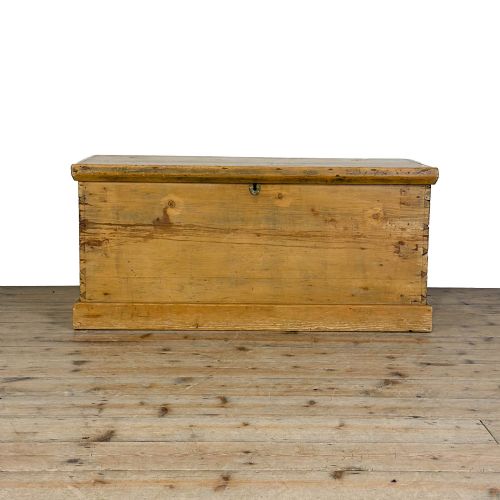
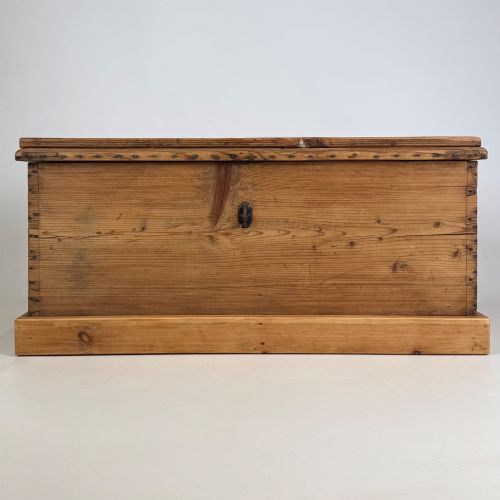
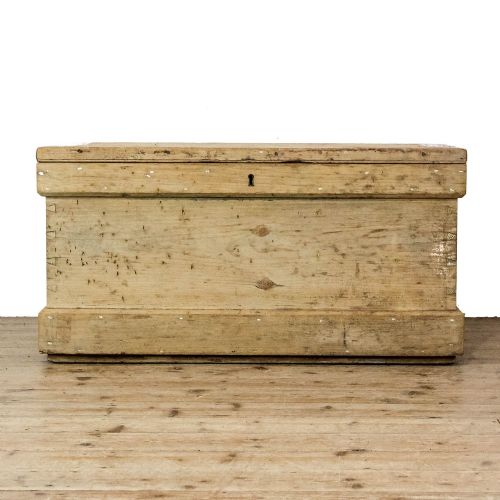
A vintage pine box offers straightforward utility and honest timber character, spanning simple blanket chests to painted folk art trunks from the Victorian era onwards.
Vintage Pine Box
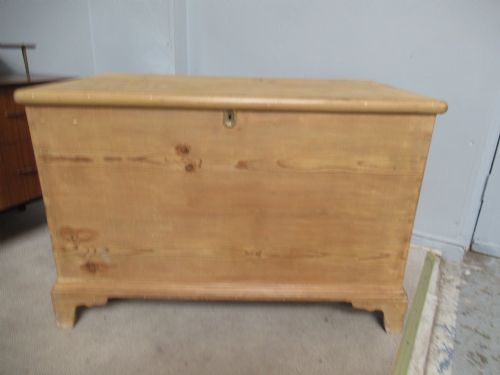
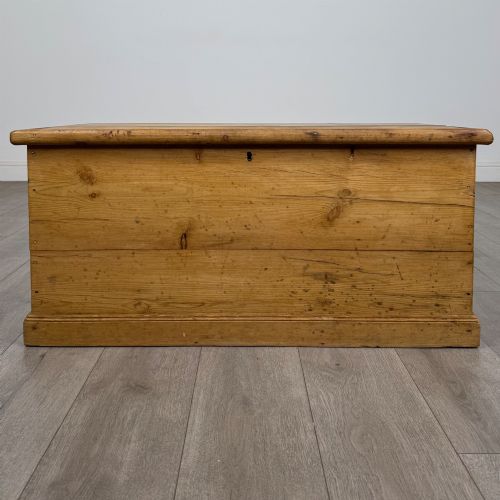
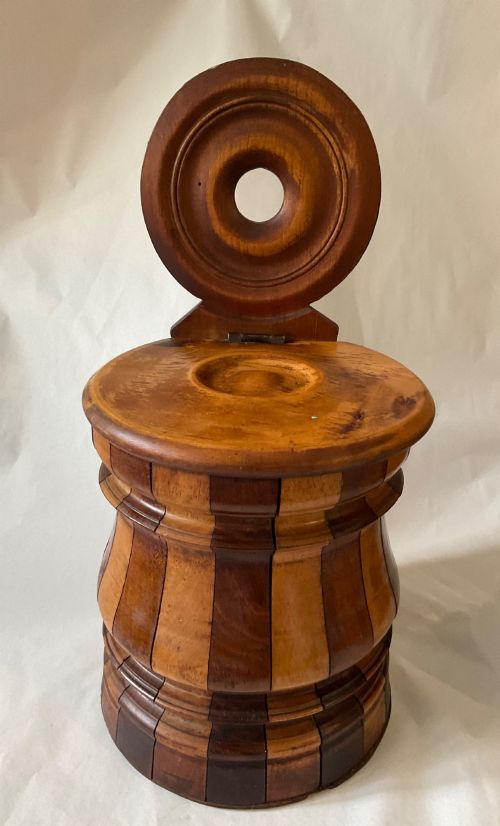
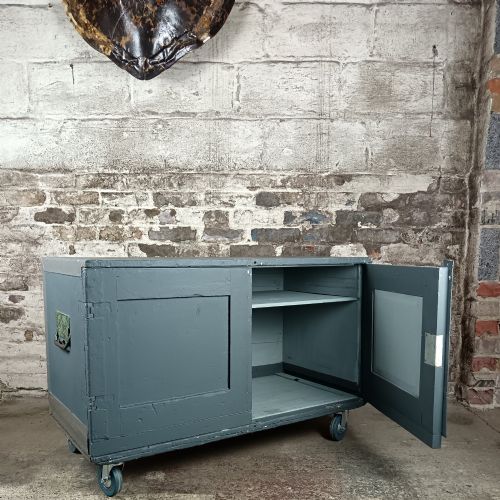
When you search for a vintage pine box, you encounter practical storage vessels built for daily domestic or trade use across the eighteenth, nineteenth, and early twentieth centuries. These pieces appear in forms ranging from blanket chests and travel trunks to specialised tool cabinets and salt boxes.
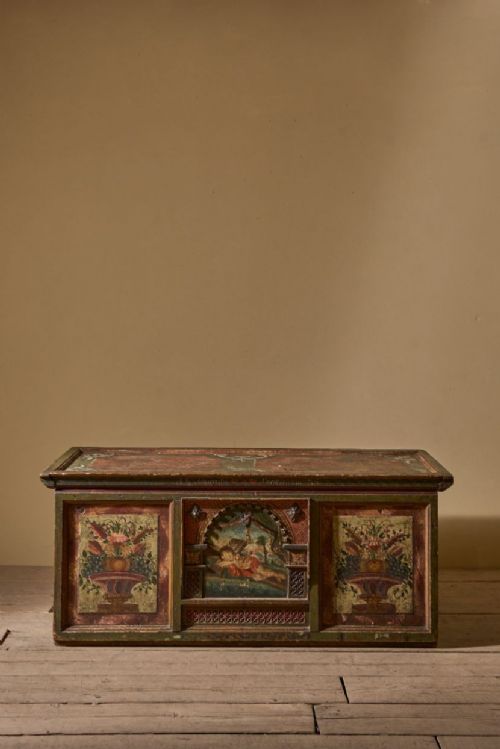
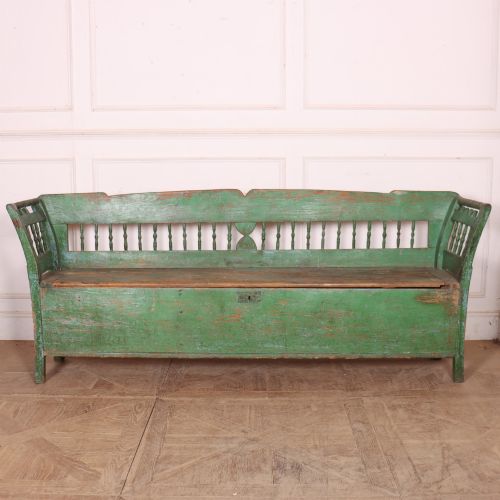
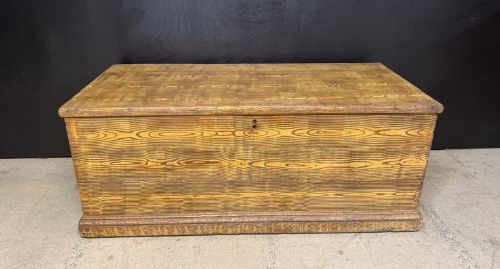
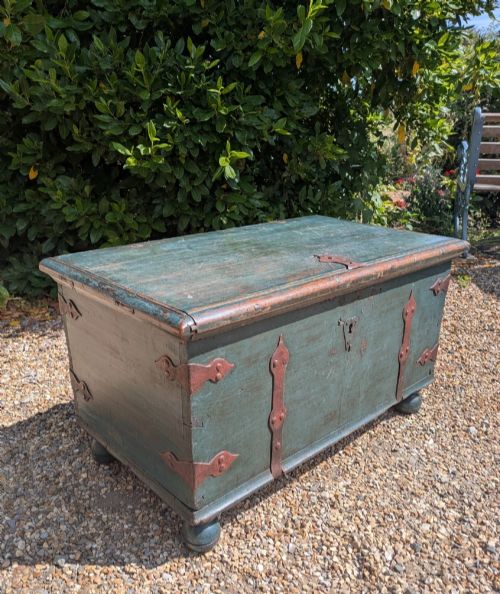
The versions most common on this page date from the Victorian period and the nineteenth century, often showing the honest wear of regional country workshops. Many survive in natural waxed finishes, while others retain traces of original paint, scumble, or folk art decoration from British, Scandinavian, and Hungarian traditions.
Judging quality and character
Quality rests in the integrity of the timber selection and the retention of original surface treatments, whether a deep natural patina from decades of wax or undisturbed early paint. Pieces retaining internal fittings such as till trays, drawers, or original ironmongery command greater interest among collectors.
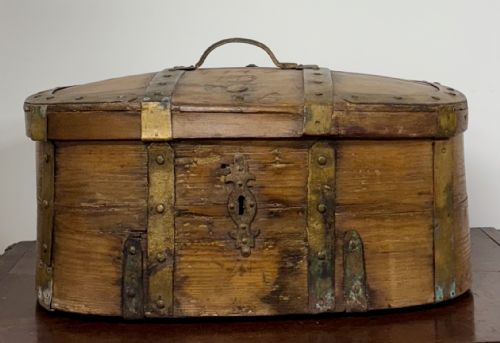
Construction methods separate standard utility items from finer cabinetwork, visible in the neatness of dovetail joints, the weight of the brass or iron hardware, and the survival of makers' marks or transport labels. Altered surfaces or replaced hardware diminish the historical integrity of the piece.
Listings feature items spanning the eighteenth century through the Edwardian period, constructed in pine, pitch pine, iron, and brass.
The Vintage Pine Box Glossary
- Pitch Pine
- A dense, resinous softwood variety valued for its durability and distinct grain pattern, frequently used in heavy-duty Victorian trunks and chests.
- Scumble Paint
- A decorative technique involving translucent or opaque glazes dragged over a base coat to imitate more expensive timbers or create mottled folk art patterns.
- Straps
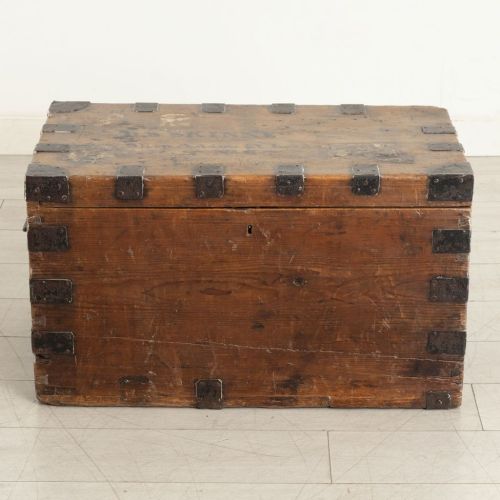
- Iron or metal bands fixed across the corners and lids of trunks to provide structural reinforcement during transport.
- Till
- A small lidded internal compartment built into the corner of a chest for storing smaller valuables or documents.
- Cofer
- An archaic spelling for coffer, denoting a large heavy timber chest used historically for storage and travel.
Vintage Pine Box: Frequently Asked Questions
How were these boxes originally used?
These boxes served as portable storage for blankets, clothing, tools, and personal effects during travel or domestic life.
Heavier trunks accompanied owners on military campaigns and long journeys, while smaller boxes remained in bedrooms and kitchens for household goods.
How do I care for waxed pine?
Maintain waxed surfaces by applying a traditional beeswax polish sparingly and buffing gently with a soft cloth to preserve the sheen.
Keep the timber away from direct heat sources and strong sunlight to prevent the wood from drying out or splitting.
Can I use a chest as a coffee table?
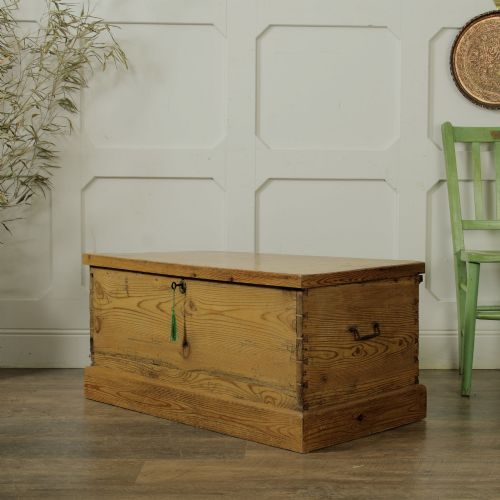
Many sturdy chests function well as coffee tables while providing substantial hidden storage within the living space.
Ensure the lid is flat and stable enough to support books or cups without risking damage to the antique surface.
How do I spot original paint?
Original painted surfaces show natural wear, craquelure, and fading consistent with age rather than modern artificial distressing.
Under close inspection, early paint layers display subtle tonal variations and accumulate grime in the recesses of mouldings and ironwork.