


Antique Gallery Tray
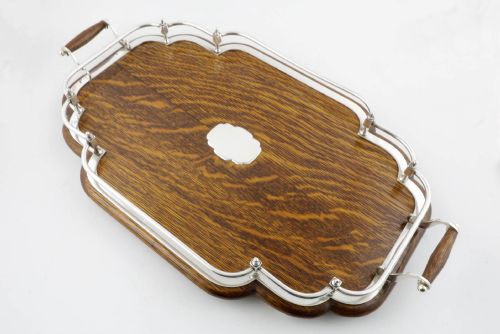
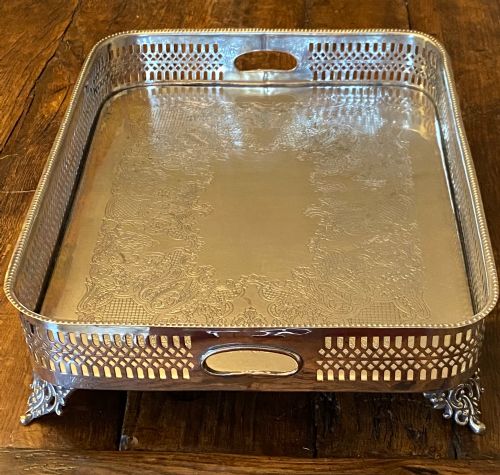
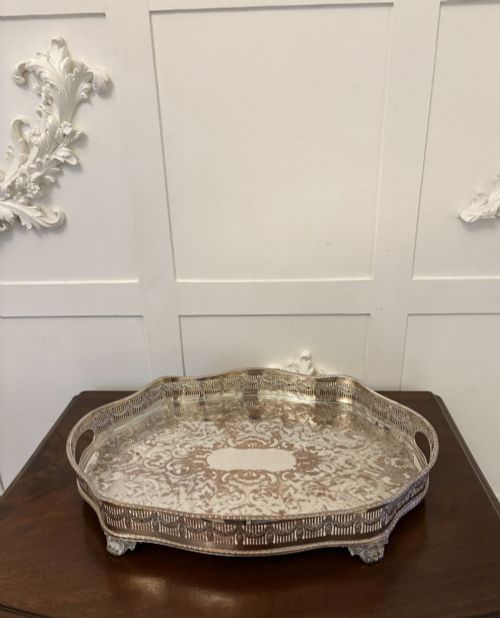
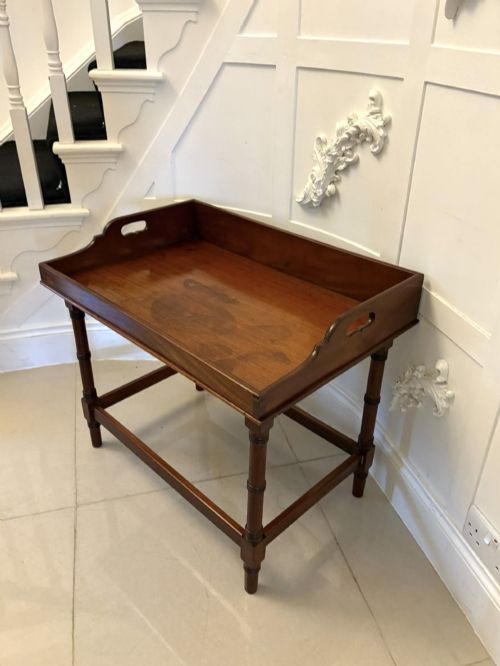
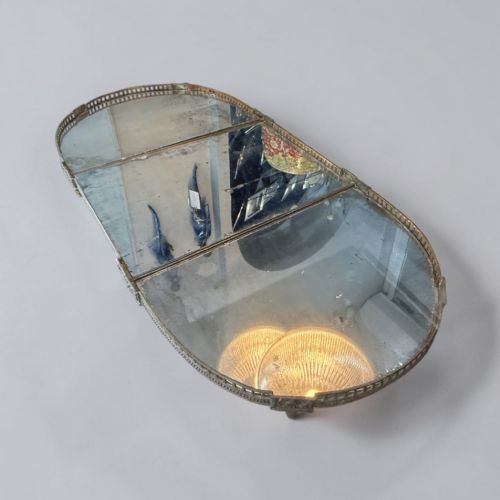
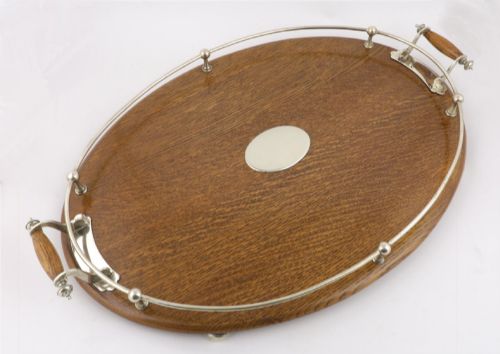
An antique gallery tray provides a raised pierced or solid border to keep glassware secure during service.
Antique Gallery Tray
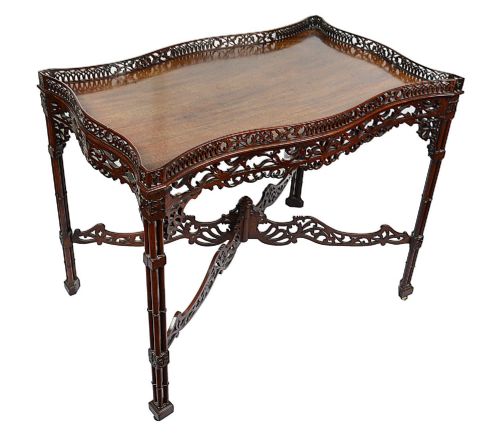
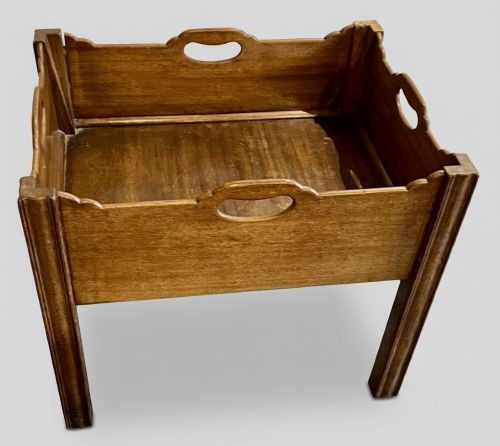
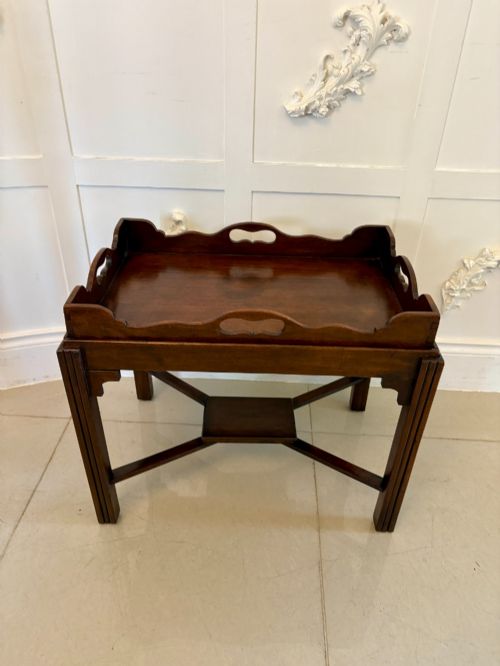
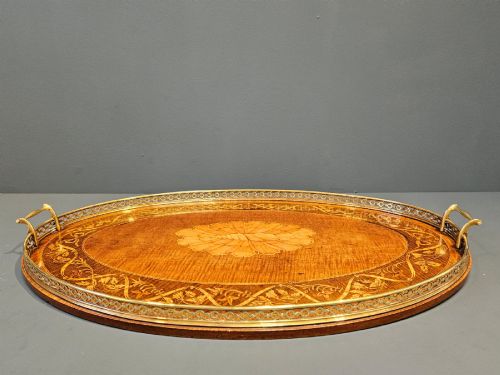
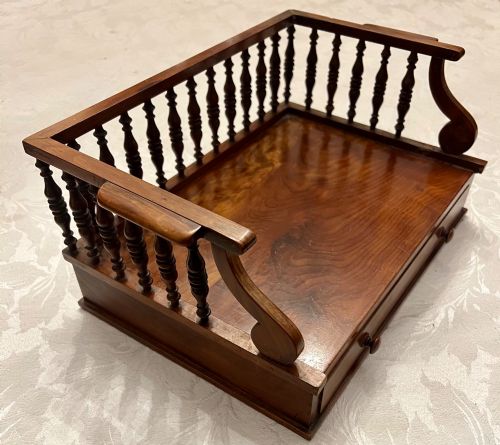
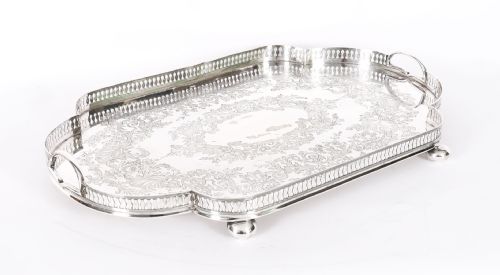
An antique gallery tray combines domestic utility with decorative presence, featuring an upright rim or pierced gallery designed to prevent items from sliding off during service. The search for an antique gallery tray encompasses both portable serving pieces in silver plate and wood, as well as stationary variants mounted upon dedicated folding or fixed stands.
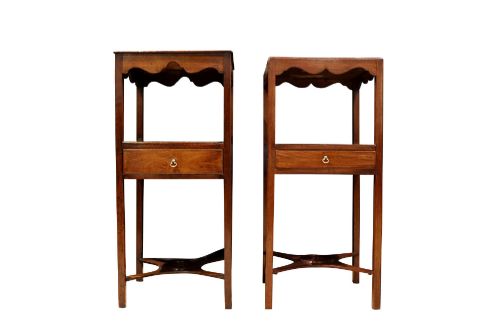
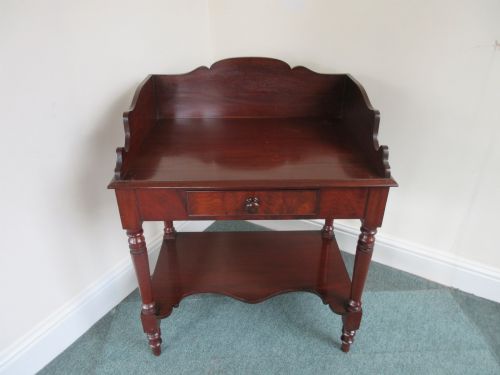
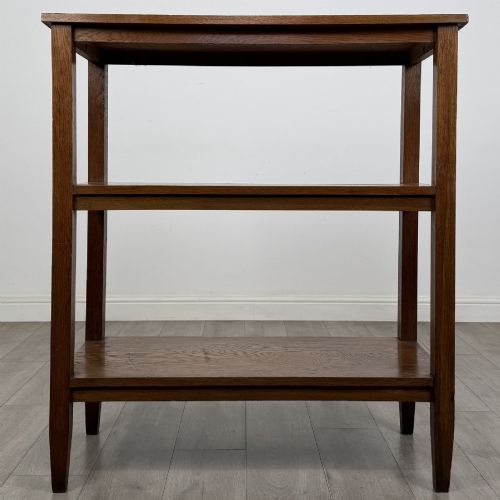
Beyond standalone serving platters, the category extends to larger tray tables and bedside furniture where a removable or fixed gallery top serves as a functional surface. These dual-purpose pieces transition easily from occasional tables to serving implements depending upon the domestic requirement.
Materials and Construction Methods
Makers utilised dense hardwoods such as mahogany, satinwood, and oak for wooden trays and tables, frequently employing contrasting stringing, marquetry, or shell inlay to decorate the central field. Metal versions relied upon silver plate, electroplated nickel silver, and brass, often combining a wooden base with a pierced metal gallery.
The joining of wooden galleries involved precise corner construction and coopered staves where curved walls were required. Silver-plated galleries used soldered pierced sheet metal or cast mounts screwed securely to the wooden foundation base.
Antique Gallery Tray Retail Price Guide 2026
Typical asking prices for gallery tray among the pieces listed under this phrase on Sellingantiques today, from the lower quarter to the upper quarter. They describe what is for sale here now, not the wider market.
The inventory includes occasional tables and bedside cabinets equipped with removable tray tops alongside traditional handheld serving platters.
Markers of Superior Make
The standard of execution rests upon the crispness of the pierced metalwork and the precision of the cabinetmaking in the wooden frames. Sharply defined engraving, robust gallery walls that remain rigid under pressure, and tight joints in the inlaid wooden bases distinguish the finer productions from utilitarian examples.
The quality of the plating and the selection of figured timber timbers heavily influence the overall character of the piece. Thick silver plating that resists base metal show-through and carefully matched mahogany grain patterns demonstrate deliberate craftsmanship by the maker.
James Deakin·Mappin and Webb·Edwards and Roberts·Gillows·Lee and Wigfull·Thomas Wilkinson·Atkins Brothers·Asprey
The Antique Gallery Tray Glossary
- Gallery
- A raised miniature railing or balustrade encircling the edge of a tray or table top. It prevents decanters and glasses from sliding off during transit.
- EPNS
- Electroplated Nickel Silver. This abbreviation denotes a base metal of nickel silver coated with a layer of pure silver through electrolysis.
- Marquetry
- The art of applying fitted veneers of various woods to form decorative pictures or geometric patterns. It appears frequently on the surface of Edwardian and Georgian trays.
- Coopered
- Constructed from vertical wooden staves fitted together and bound with a rim, similar to barrel-making. This technique produces rounded serving vessels.
- Pierced
- Cut through with a saw or pierced via stamping to create decorative openwork patterns. This method lightens the visual weight of metal gallery borders.
Antique Gallery Tray: Frequently Asked Questions
How do I clean an antique silver plated tray?
Maintenance requires gentle washing with warm soapy water and a soft cloth to protect the underlying plating from abrasive wear.
Harsh chemical polishes should be avoided because they wear down the thin silver layer over decades of repeated cleaning.
Can I use an antique gallery tray for serving drinks?
These pieces function adequately for serving cocktails and tea provided the wooden bases and structural joints remain stable and secure.
Protecting the surface with a linen mat helps prevent liquid rings and condensation marks on polished mahogany or inlaid satinwood.
How can I date an Edwardian silver plated tray?
Dating relies upon maker marks stamped into the metal surface, combined with the presence of electroplated nickel silver manufacturing techniques typical of the early twentieth century.
Stylistic cues such as neoclassical revival pierced borders and delicate engraving also point toward the Edwardian period of production.