




Antique Fusee Movement
An antique fusee movement is the heart of precision horology, offering a smooth power delivery that collectors prize for exceptional timekeeping accuracy.

Understanding the antique fusee movement
An antique fusee movement is a conical pulley device designed to equalise the decreasing torque of a mainspring as it unwinds. This mechanism ensures consistent force is transmitted to the escapement throughout the running period of the clock or watch.
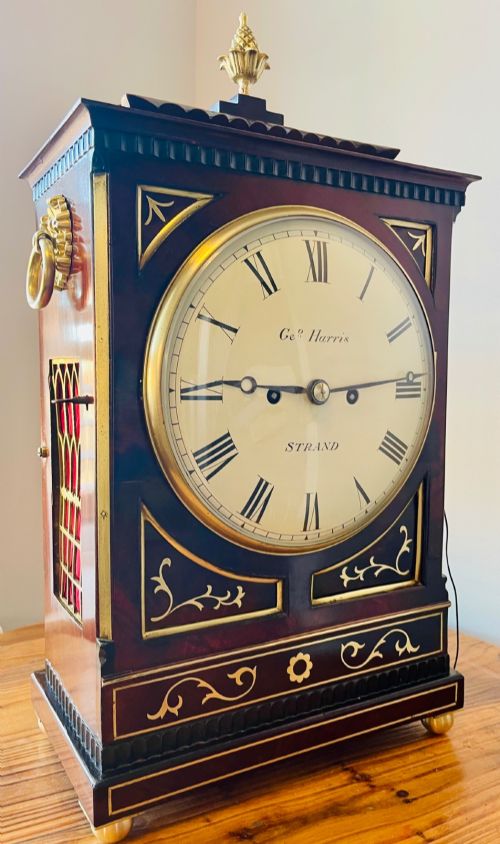
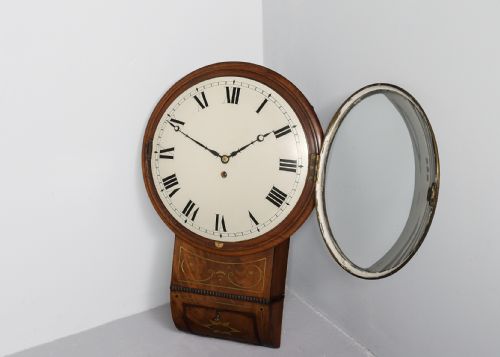
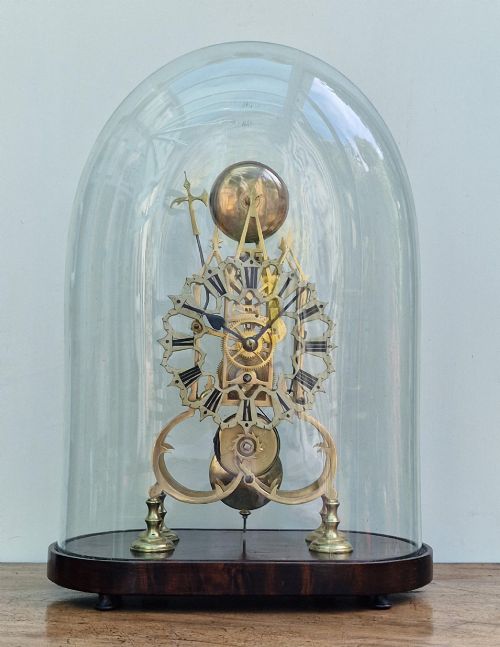
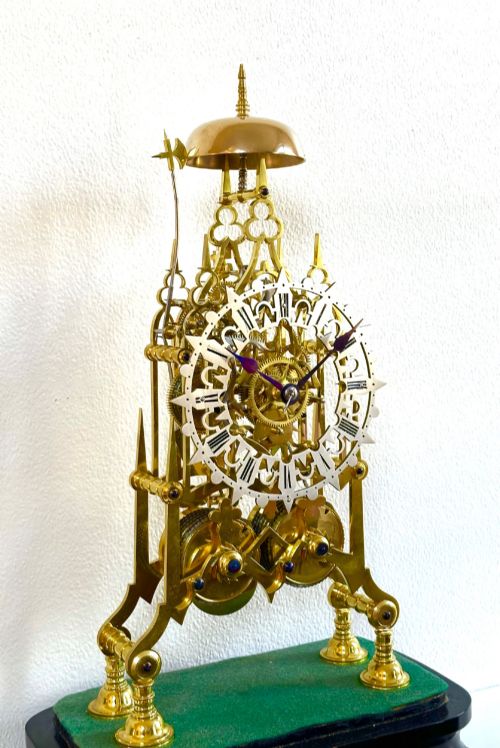
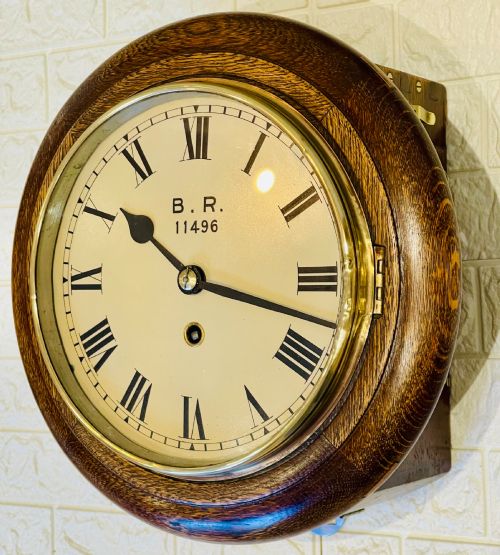
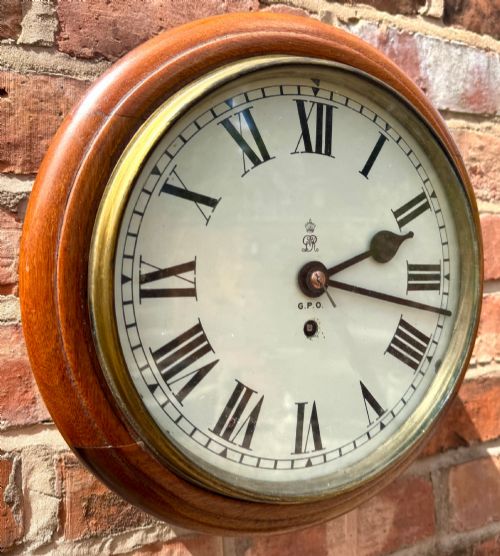
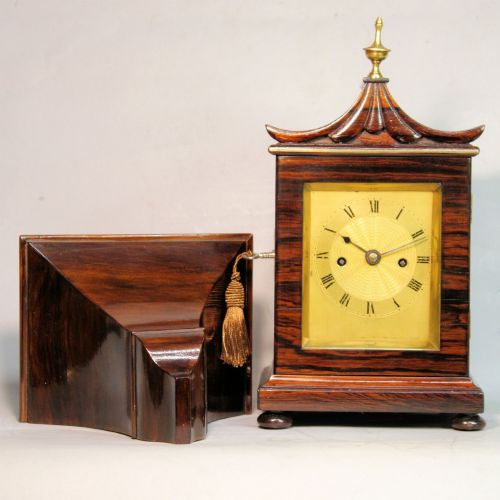
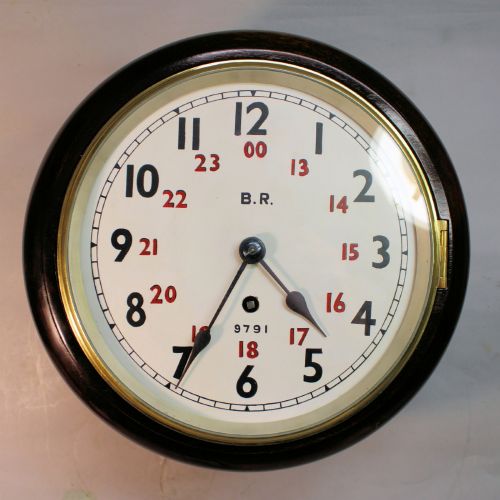
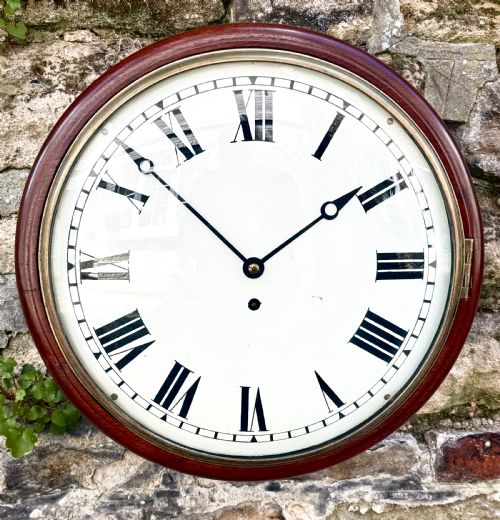
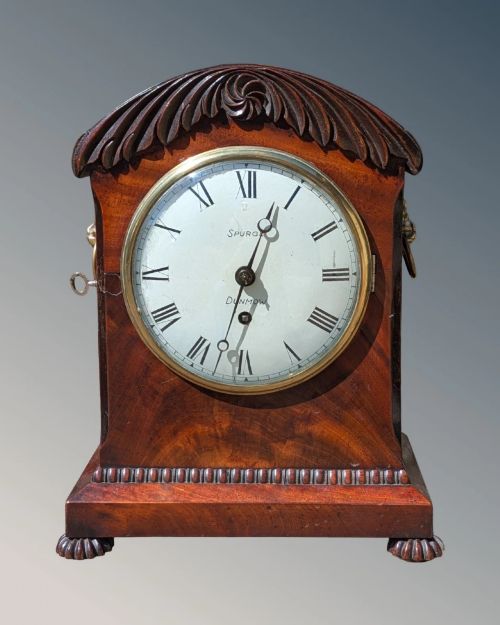
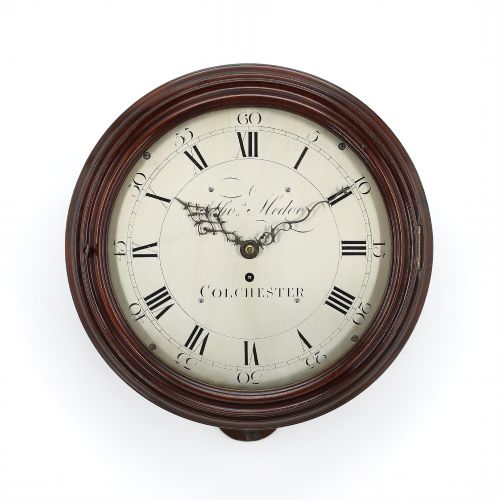
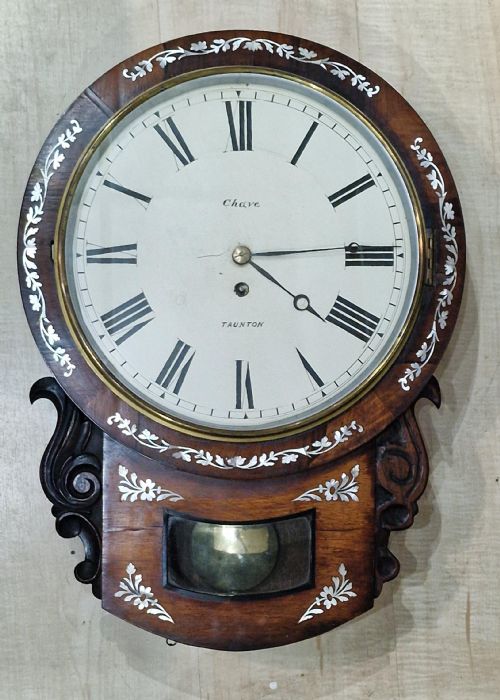
The pieces appearing on this page span several distinct periods including the 18th century, the Regency era, George III, the 19th century, and Victorian Gothic Revival styles. Formats vary from wall clocks and dial clocks to mantel clocks, skeleton clocks, carriage clocks, and pocket watches.
Originating predominantly from English workshops, these movements represent the pinnacle of traditional mechanical timekeeping before mass production altered the craft. Buyers frequently encounter wall-mounted dial clocks and balloon mantel clocks featuring these intricate mechanisms.

Materials and construction
Makers constructed these movements primarily using brass for the plates, wheels, and gears, paired with finely cut steel components for the pivots and springs. Cabinets and housings utilise traditional timber such as mahogany and ebonised wood, alongside marble, glass, and fire gold plated cases.
Retail Price Guide 2026
Typical UK retail prices for fusee movement, calculated from the Sellingantiques database of over a million retail prices indexed since 2003. This retail price guide relies exclusively on Sellingantiques data; no external sources or auction records are used, so the figures do not describe the wider market.
Listings feature brass movements housed in mahogany, marble, glass, and ebonised wood across Victorian and Georgian eras.
Distinguishing quality
The upper tier of these pieces displays superior engraving on the backplate and dial, often bearing the signature of a notable maker such as John Leroux. Finer examples integrate complex complications like quarter repeating mechanisms or alarm functions within polished fire gold plated cases.
Execution of the gear train and the precision of the fusee cut dictate the mechanical grade. Originality of components and the crispness of the brass work separate standard utility timepieces from masterworks of horological art.
John Leroux, London·Scott Memorial
The Antique Fusee Movement Glossary
- Fusee
- A conical pulley with a spiral groove that equalises the declining power of a mainspring. This ingenious device ensures even force reaches the escapement.
- Dial clock
- A wall-mounted timepiece featuring a prominent circular face, frequently utilised in public spaces and offices during the 19th century.
- Skeleton clock
- A timepiece designed with an open framework that exposes the entire gear train and movement to view through glass domes.
- Balloon clock
- A mantel clock housed in a case with a distinctive ogee or curved arched profile resembling a hot air balloon.
- Quarter repeating
- A complication that strikes the hours and quarters on bells or gongs when a pull cord or pendant is activated.
Frequently Asked Questions
What is a fusee movement?
A fusee movement is a mechanical clockwork assembly that uses a conical pulley and chain to maintain constant power as the mainspring unwinds. This clever geometric device compensates for the loss of spring tension over time.
Invented to improve accuracy, it remains a hallmark of traditional British horological craftsmanship found in fine antique clocks and pocket watches.
How do I wind a fusee clock?
Wind a fusee clock by inserting the key into the dial winding hole and turning it gently until resistance stops the movement. Care must be taken not to overwind the mechanism.
Most fusee clocks run for eight days on a single wind, though some larger or more complex examples require attention more frequently.
Are fusee clocks accurate?
Fusee clocks are remarkably accurate for mechanical timepieces because the conical pulley negates the uneven pull of a slackening spring. They represent the height of pre-electric precision engineering.
Regular servicing and professional adjustment ensure these antique movements maintain reliable timekeeping in a modern home.
Where were fusee clocks made?
Fusee movements were predominantly produced by British horologists working in London and provincial workshops throughout the eighteenth and nineteenth centuries. English clockmakers developed a distinct mastery of this particular mechanism.
Examples range from modest wall dial clocks to elaborate carriage clocks and mahogany mantel pieces.