


Antique French Table Lights
Antique French table lights bring warmth and character to a room, combining classic metalwork and polished stone.
Antique French Table Lights
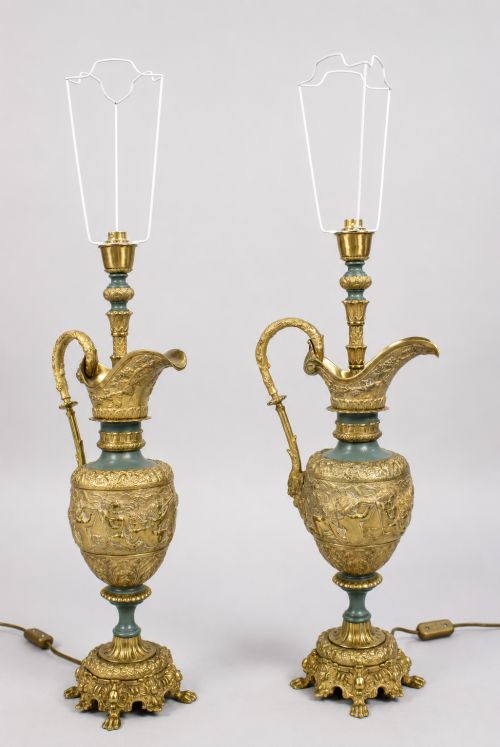
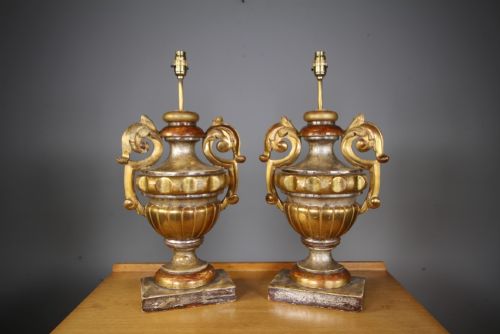
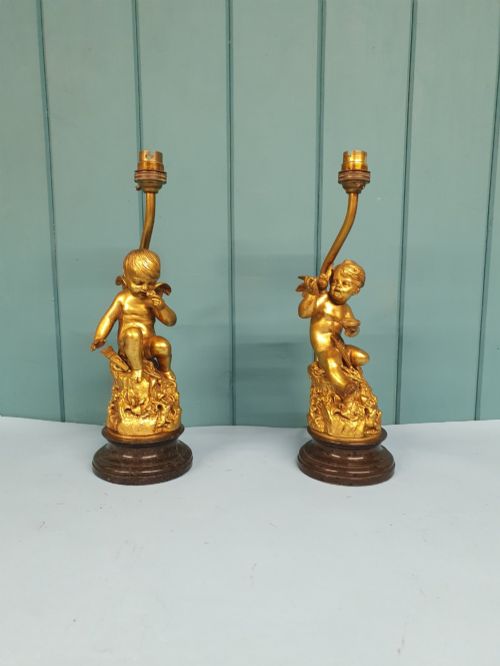
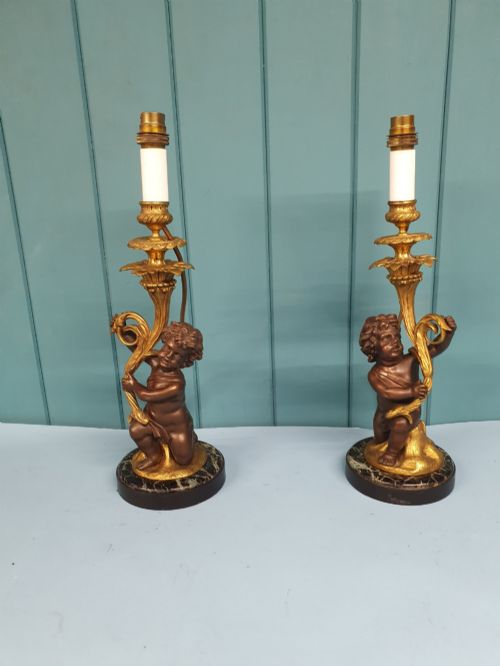
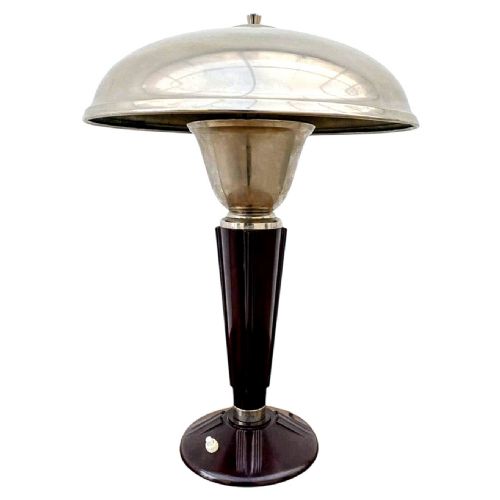
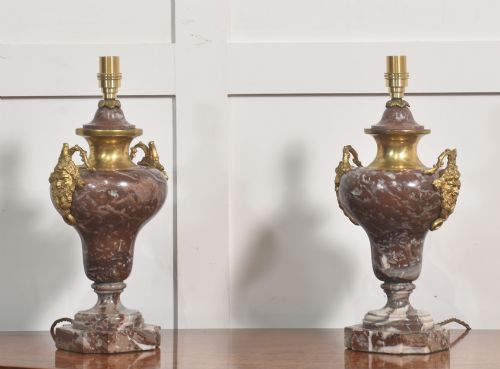
Antique French table lights encompass a diverse group of domestic illumination pieces, ranging from converted candelabra and candlesticks to purpose-built desk lamps and ceramic bases. When exploring antique french table lights, buyers frequently encounter pairs cast in brass, bronze, and ormolu, often accented with marble or onyx.
The selection draws heavily from nineteenth-century production, alongside pieces styled in Art Deco and various Revival movements. Forms vary from figural cherubs and urns to sleek geometric desk fittings, reflecting the shifting tastes of French interiors across decades.
How they were made
Metal components rely heavily on traditional casting methods, utilising bronze, brass, and gilt metal to achieve intricate detail in floral and figural motifs. Ormolu finishes provide a rich golden lustre, while structural parts frequently incorporate natural stone such as rouge marble, white marble, and onyx.
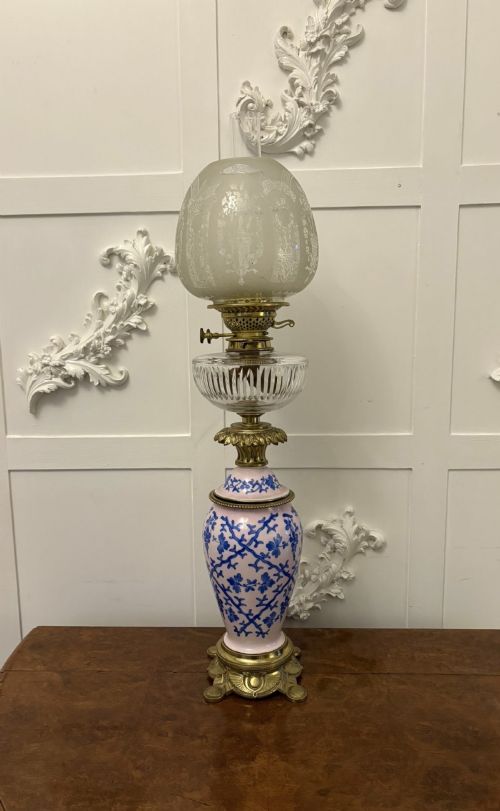
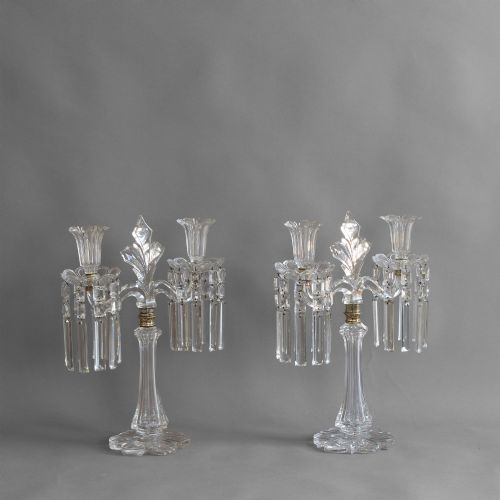
Many surviving examples begin their lives as oil lamps, candlesticks, or candelabra before undergoing careful conversion to electricity. Glass and porcelain elements, including Toleware, opaline, and Pate Sur Pate, introduce colour and texture to the completed lighting forms.
Listings span periods from the Victorian era through the 1930s, featuring materials such as marble, fabric, oak, and gilt bronze.
What varies in quality
The distinction between standard domestic lighting and exceptional pieces lies in the crispness of the metal chasing and the depth of the gilding. Heavier castings with finely chiselled details demonstrate superior workshop standards during production.
Material selection also dictates overall grade, with solid marbles, uncompromised patination, and well-matched pairs commanding greater attention. The integration of high-grade porcelain panels or crystal drops further elevates the standing of individual specimens.
E Rousseau·Pierre Philippe Thomire·L & F Moreau·Eileen Grey
The Antique French Table Lights Glossary
- Ormolu
- A technique of applying finely ground high-carat gold to a bronze base using mercury amalgamation. This creates a durable, warm metallic finish common on luxury French decorative items.
- Champleve
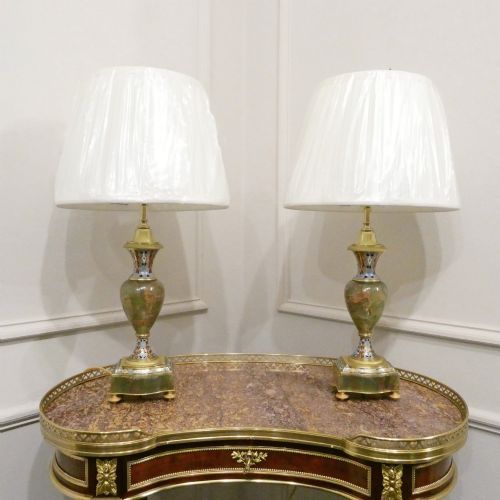
- An enamelling method where troughs are carved into a metal surface and filled with vitreous enamel powder before firing. It adds vibrant colour and pattern to brass lamp bodies.
- Toleware
- Painted or lacquered sheet metal utensils and decorative objects. These items typically display dark green or other rich pigments paired with gilt line work.
- Candelabra
- Branched lighting holders designed to support multiple candles simultaneously. Many antique specimens are later wired to function as electric lamps.
- Pate Sur Pate
- A ceramic decoration technique where liquid clay is built up in successive layers on a contrasting background body. This creates a raised, cameo-like relief effect on porcelain lamp bases.
Antique French Table Lights: Frequently Asked Questions
How do I identify French Empire lighting?
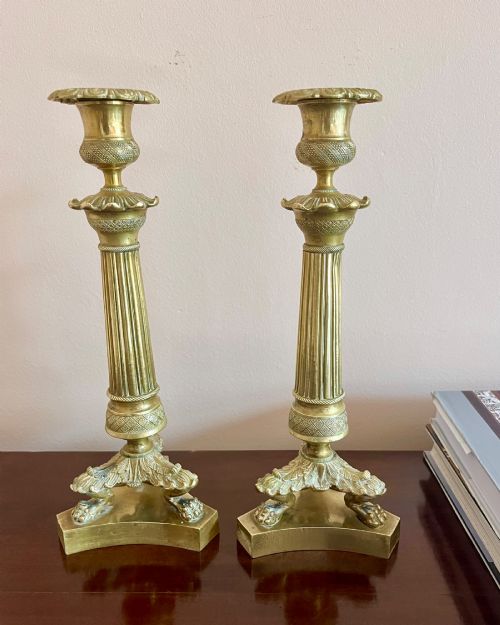
French Empire pieces rely on classical military motifs, heavy cast brass, and formal symmetry drawn from ancient Rome and Greece. Look for laurel wreaths, paw feet, and rich ormolu finishes.
These designs often incorporate dark patinated bronze bodies contrasted against bright gilt highlights, reflecting early nineteenth-century interior aesthetics.
Were these always electric lamps?
Many nineteenth-century lighting pieces began life as oil lamps, candlesticks, or candle-holding candelabra. Conversion to electricity typically happens later during the twentieth century to suit modern homes.
Evidence of this conversion appears in drilled channels for wiring or adapted internal burner components within the original metal structure.
How do I care for antique brass and bronze?
Maintain metal surfaces by dusting gently with a dry, soft cloth to prevent the accumulation of grit. Avoid harsh chemical polishes that strip away the historic patination.
Preserving the original surface finish ensures the piece retains its character and historical integrity over years of domestic display.