


Gilt Porcelain Table Lights
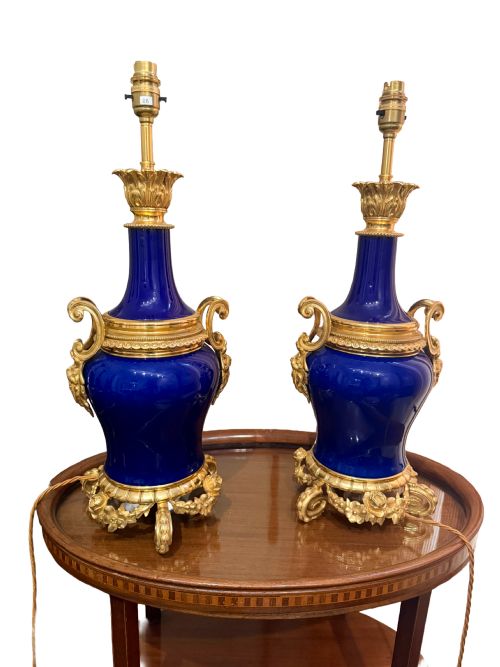
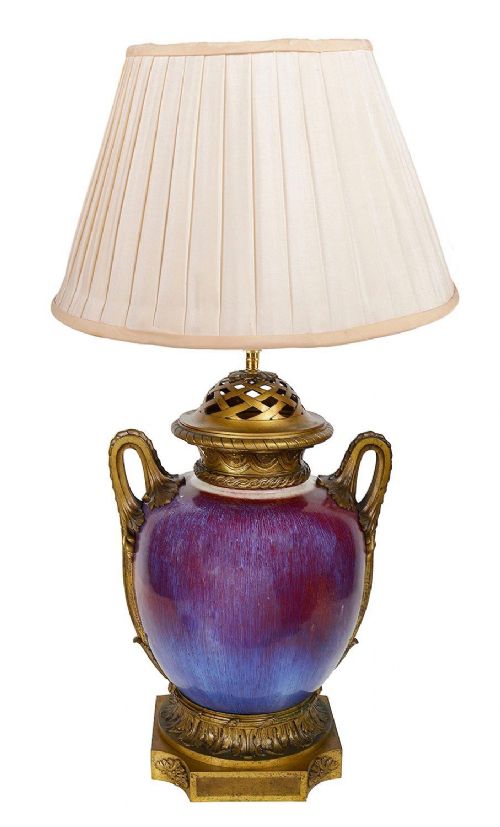
These gilt porcelain table lights combine ceramic bodies with gilded mounts to illuminate rooms with warmth and decorative presence.
Gilt Porcelain Table Lights
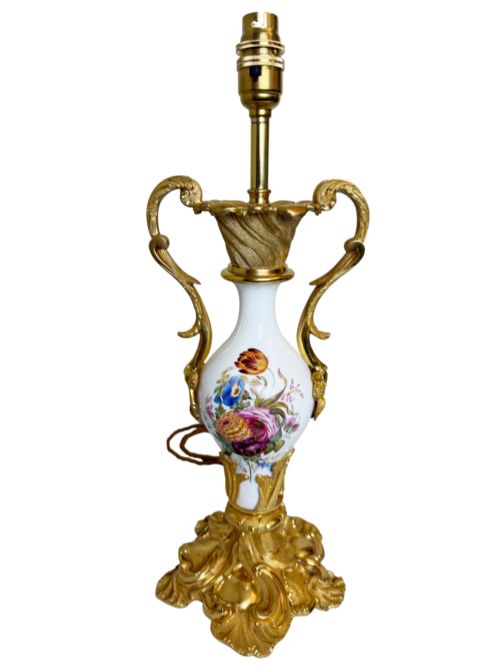
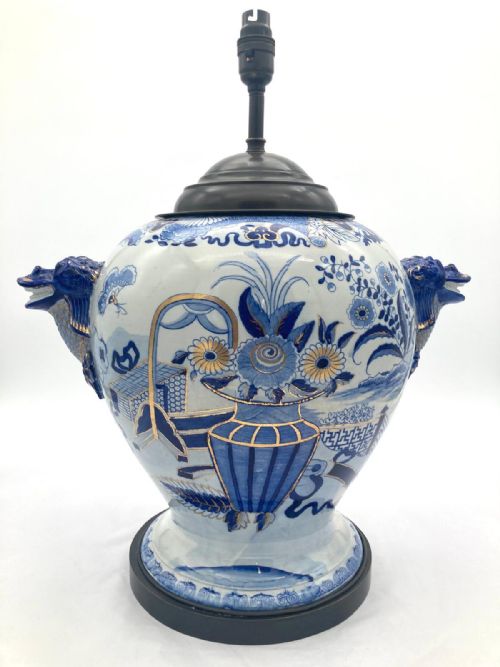
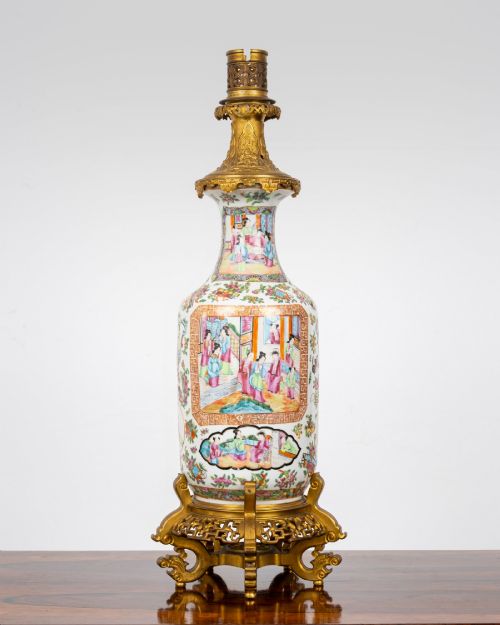
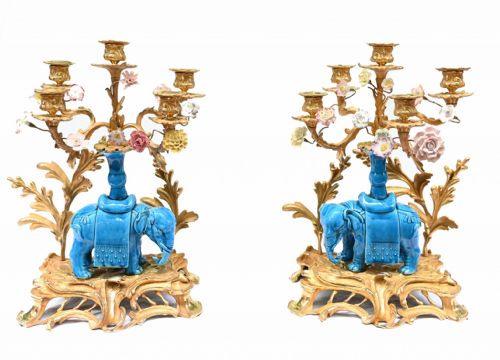
Gilt porcelain table lights encompass converted vases, oil lamps, and candelabra originating primarily from the nineteenth century alongside eighteenth-century examples. Buyers encountering these pieces will frequently find French and Chinese bodies mounted in bronze, ormolu, or brass.
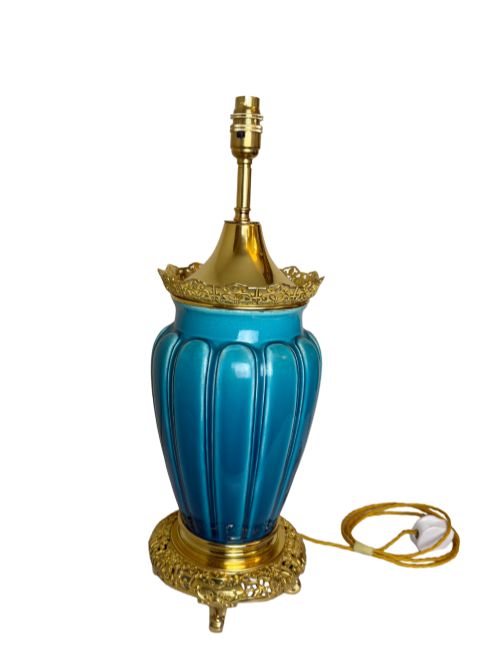
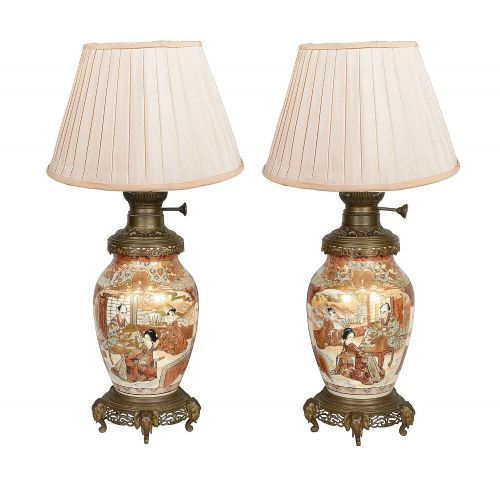
The selection ranges from small turquoise and blue glazed vessels to large pairs decorated in Satsuma, Famille Rose, and Rose Medallion styles. Many combine Asian ceramics with European metalwork mounts dating from the Victorian era.
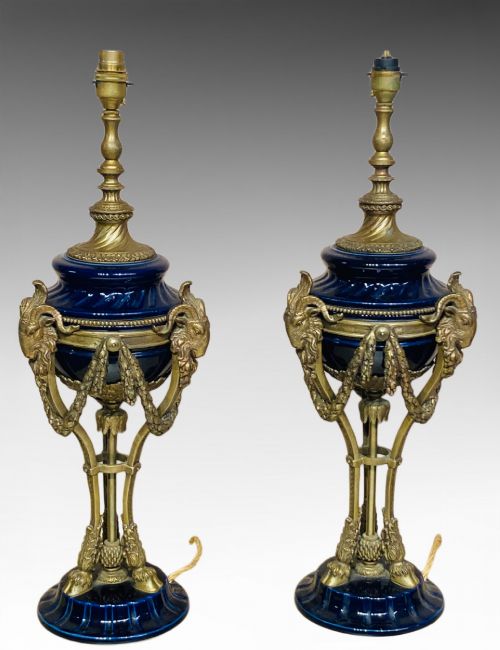
Forms often adapt older lidded vases, oil lamps, and candlesticks into functional domestic lighting. These pieces merge diverse cultural traditions, uniting Chinese and Japanese ceramics with French and English metal mounts.
Materials and construction
Craftsmen built these table lights using hard-paste or soft-paste porcelain bodies combined with gilt bronze, ormolu, brass, or gilt metal mounts. Ceramic vessels received hand-painted, glazed, or pâte-sur-pâte decoration before metalworkers fitted them with cast bases and collars.
Mounts were cast, chased, and gilded to clasp the ceramic bodies securely without damaging the porcelain beneath. Makers integrated wiring into older oil lamps and candlesticks during conversion processes, often pairing them with handmade fabric or toleware shades.
Listings feature porcelain, gilt bronze, ormolu, and brass across nineteenth-century and eighteenth-century styles including Chinoiserie, Rococo Revival, and Satsuma.
Factors determining quality
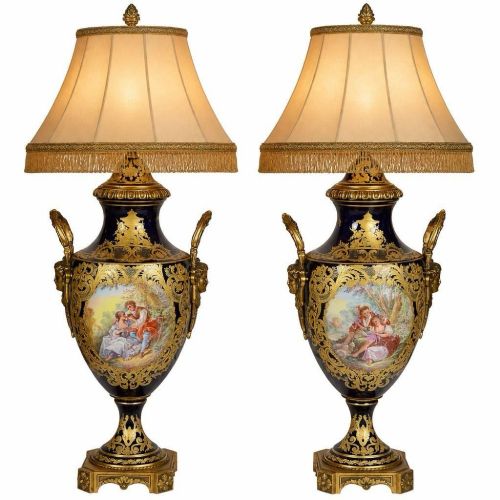
Quality rests upon the crispness of the gilt bronze or ormolu chasing and the artistic merit of the porcelain painting. Finer pieces display finely detailed hand-painted scenes, clean ceramic glazes, and heavy, precisely fitted metal mounts that complement the proportions of the vase.
The integrity of the conversion and the harmony between the ceramic body and the metal fittings distinguish superior examples. Pieces retaining original gilding without excessive wear and those demonstrating expert balance command greater appreciation among collectors.
Sevres·Hicks and Meigh·Samson
The Gilt Porcelain Table Lights Glossary
- Ormolu
- Gilt bronze created by applying a finely ground high-carat gold-mercury amalgam to a bronze object. This technique produces a rich, durable golden surface on decorative mounts.
- Pâte-sur-pâte
- A ceramic decorating method where porcelain slip is applied in successive layers to a contrasting background body. This builds up a low-relief cameo effect before firing.
- Satsuma
- Japanese earthenware pottery featuring a crackled ivory glaze decorated with polychrome enamels and gilt. It became widely exported during the nineteenth century.
- Rose Medallion
- A style of Chinese porcelain decoration characterised by panels filled with figures, birds, and flowers framed in gilt and rose-pink hues. This aesthetic proved highly popular for export markets.
Gilt Porcelain Table Lights: Frequently Asked Questions
How are antique lamps wired?
Antique lamps are typically adapted from older oil lamps, candlesticks, or vases, meaning their internal wiring is added during conversion. Modern electrical flex runs through the existing central channels where possible to preserve the outer appearance of the piece.
Buyers should have older conversions inspected by a qualified electrician to ensure the wiring meets contemporary safety standards. Rewiring rarely affects the antique value if done without altering the structural mounts.
Can I clean the gilt mounts?
Gilt bronze and ormolu mounts require gentle dusting with a soft, dry cloth to prevent the accumulation of dirt. Avoid chemical metal cleaners and abrasive cloths, which can strip away the thin layer of gold leaf or mercury gilding.
Porcelain surfaces can be wiped carefully with a damp cloth if the glaze is fully stable. Keeping these lights away from direct moisture and strong sunlight preserves both the ceramic body and the metal finish.
What is a converted vase lamp?
A converted vase lamp is a decorative ceramic vessel that has been adapted to hold electrical fittings and a lightbulb. These transformations often utilise antique vases from Chinese or European kilns, fitted with metal bases and collars.
Many nineteenth-century examples were mounted with ormolu or gilt bronze to elevate their decorative status. This practice allows collectors to enjoy historic porcelain within modern domestic interiors.