


Antique French Table Centerpieces
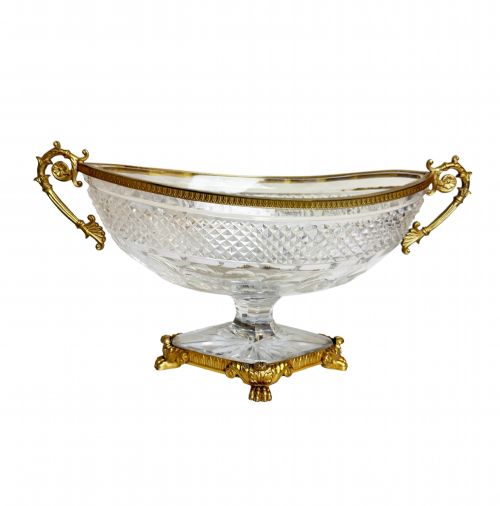
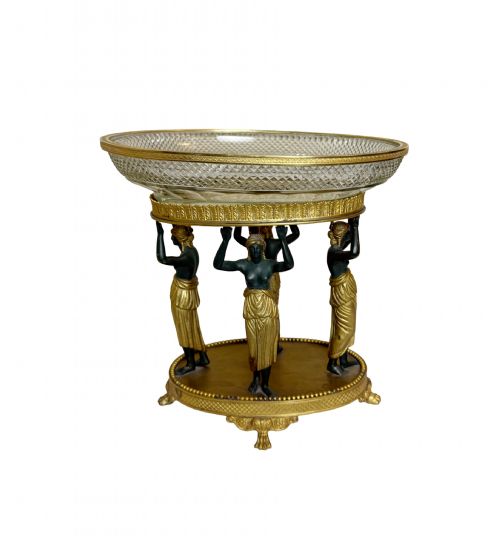
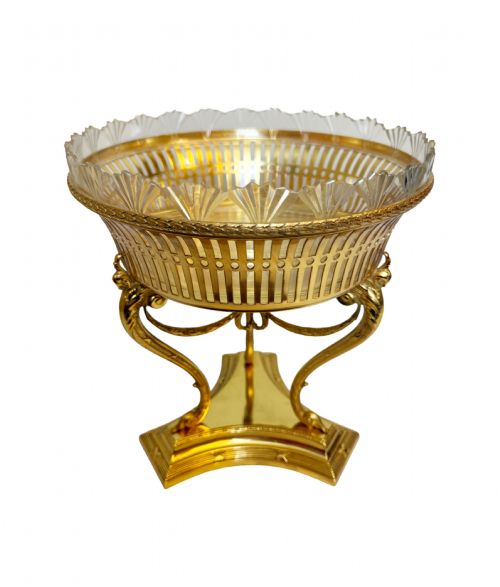
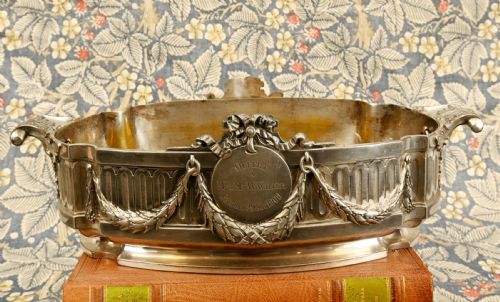
Antique french table centerpieces bring formal dining tables to life with ornate metalwork, crystal bowls and sculptural figures.
Antique French Table Centerpieces
Antique french table centerpieces comprise decorative table vessels, planters and candleholders designed to anchor a formal dining arrangement. These pieces emerge primarily from the nineteenth century, including specific dates across the 1870s, 1880s, 1890s, 1900s, 1910s and 1930s.
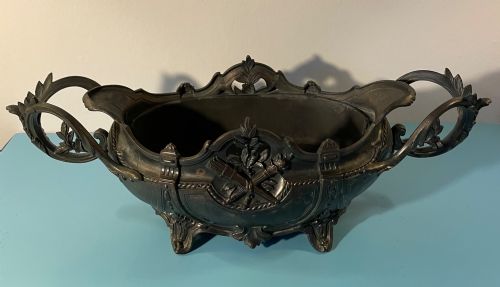
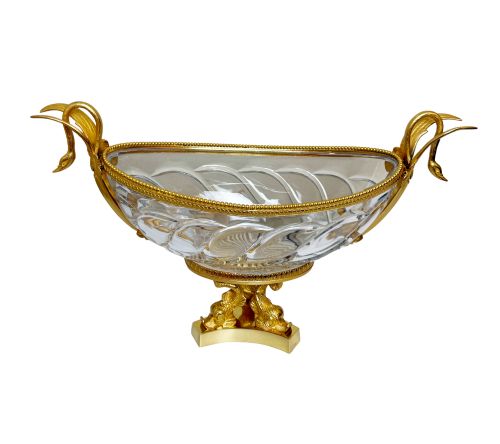
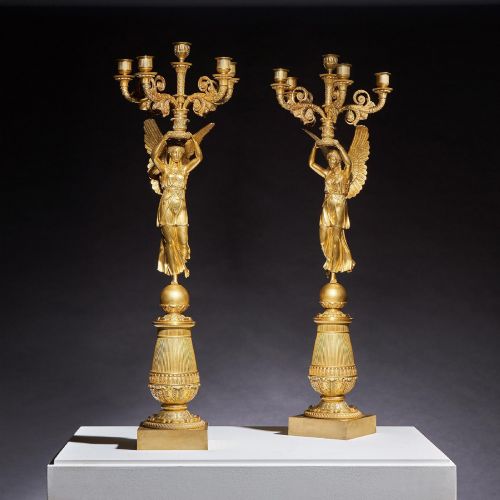
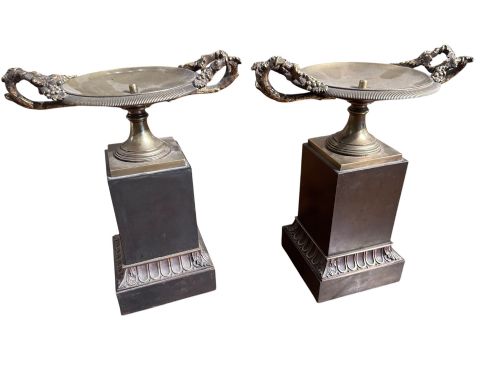
The selections span distinct physical forms such as jardinieres, tazzas, fruit bowls, epergnes and candelabra. Buyers encounter styles rooted in French Empire, Rococo Revival, Neoclassical, Art Nouveau and Napoleon III aesthetics.
Makers and workshops utilise varied regional idioms, ranging from grand tour items to pieces produced by glassworks like St Louis. The typical forms integrate functional vessels with ornate stands and figural mounts.
Materials and Construction
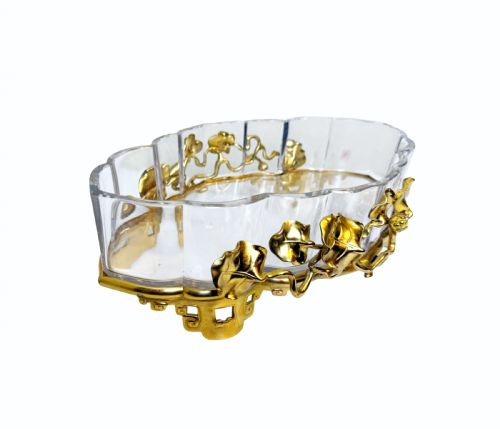
Makers combine cast metals such as gilt bronze, ormolu, patinated bronze, silver plate, brass and silvered bronze to form structural frames and figural bases. These metallic components often feature chased details and support glass or ceramic elements.
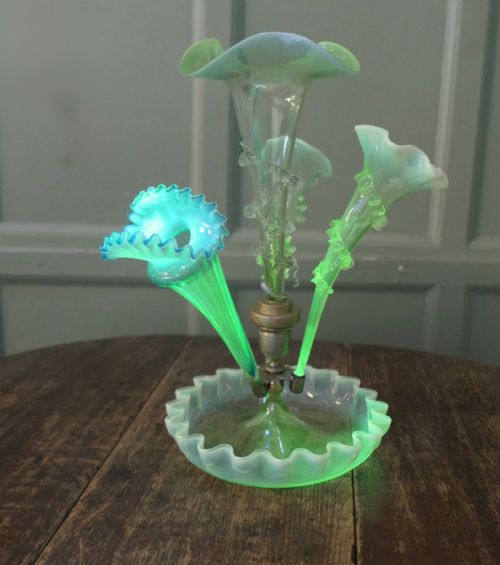
Glass elements include hand blown uranium glass, cut glass, baccarat crystal and crystal inserts, sometimes embellished with gold enamel decoration. Secondary materials like marble, onyx, champleve enamel and carved wood further enhance the assemblies.
Winged cherubs and mermen frequently inhabit these centrepieces, keeping watch over nineteenth century dining tables.
Quality Distinctions
The standard of modeling in figural elements, such as puttis, cherubs and mermen, dictates the refinement of a piece. Crisp chasing in gilt bronze and ormolu separates sophisticated work from simpler castings.
The clarity and weight of cut crystal or baccarat glass insert bowls correlate directly with overall merit. Integration between the metal frame and the glass or ceramic body reveals the level of bespoke craftsmanship.
Pierre Philippe Thomire·St Louis glassworks·Lerolle Fres·Brille Paris
The Antique French Table Centerpieces Glossary
- Ormolu
- Gilded bronze produced by applying a mercury and gold amalgam to a bronze base. This technique creates a distinct golden surface sheen popular in nineteenth-century decorative metalwork.
- Jandiniere
- A decorative container or planter designed to hold plants or floral arrangements. These vessels frequently feature metallic stands and ceramic or glass inserts.
- Epergne
- A large table centrepiece featuring a central bowl with multiple branching arms or trumpets. They are typically fashioned from crystal and metal.
- Champleve
- An enamelling technique where troughs are dug into a metal surface and filled with vitreous enamel. The piece is then fired and polished flat.
Antique French Table Centerpieces: Frequently Asked Questions
What is an antique french epergne?
An epergne is a multi-tiered table centrepiece equipped with detachable trumpets or hanging baskets. These vessels held fruit, sweetmeats or floral displays during formal dining services.
They combine heavy crystal bases with branching metal frames, frequently showcasing elaborate glassblowing and bronze casting techniques from the nineteenth century.
How do I identify french empire style?
French Empire style pieces rely on classical symmetry, military motifs and references to antiquity. You will notice clean architectural lines paired with polished ormolu mounts.
Such items frequently incorporate winged figures, classical urns and rich patinated bronze surfaces dating from the early nineteenth century.
Where were jardinieres placed?
Jardinieres functioned as indoor plant containers positioned directly onto dining tables or sideboards. They protected furniture surfaces while displaying fresh flora.
These pieces typically feature waterproof metal or ceramic linings held within decorative pierced or cast frames.
What distinguishes ormolu from gilt bronze?
Ormolu specifically denotes the historic mercury gilding process applied to bronze objects during the eighteenth and nineteenth centuries. It yields a deep, warm golden lustre.
Gilt bronze is a broader term that can encompass various modern or historic methods of applying gold leaf or plating to a bronze substrate.