
Antique French Seat
An antique french seat spans centuries of craft, offering carved wood, gilt frames, and plush upholstery for practical interior use.
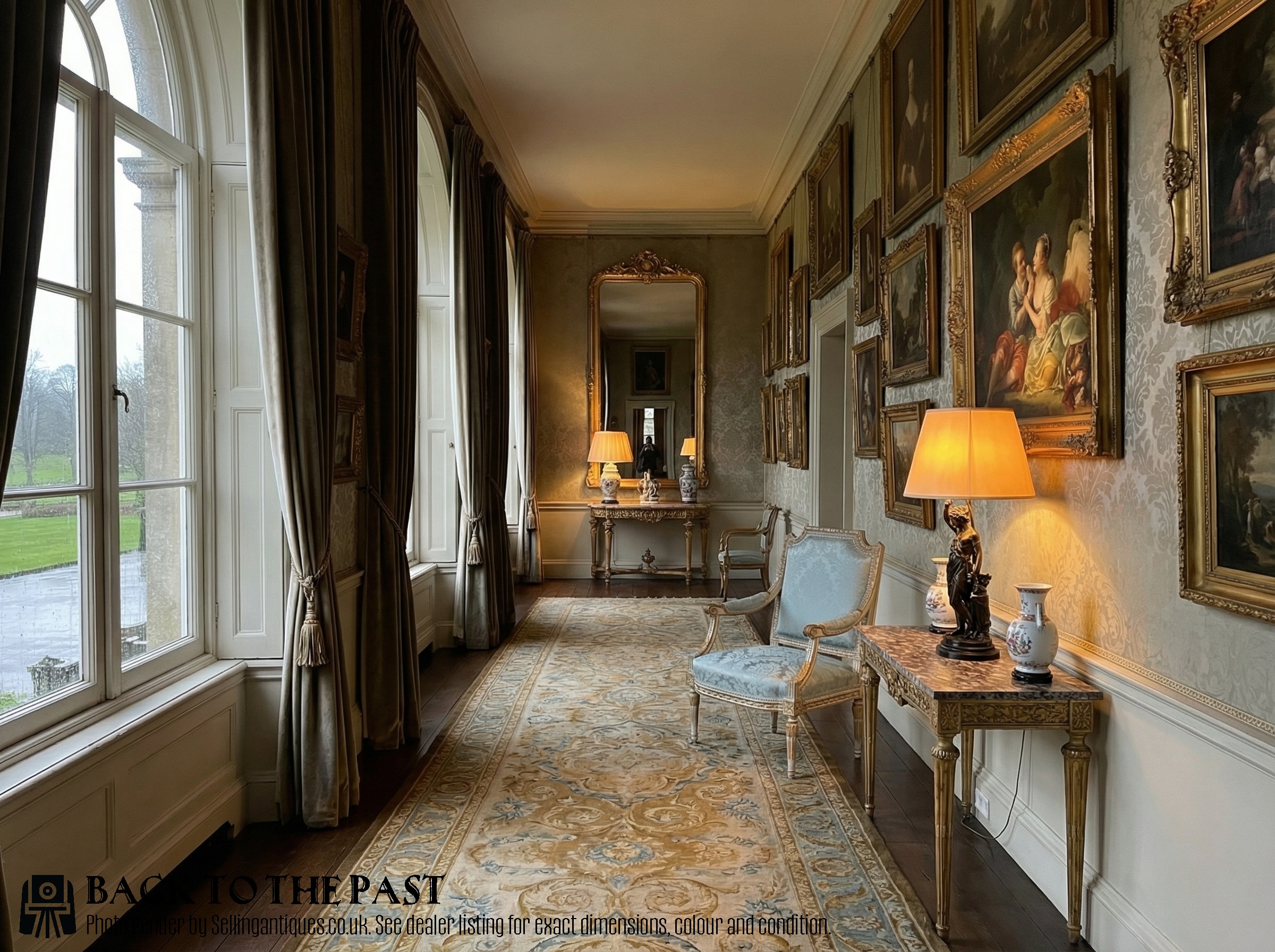
Antique French Seat
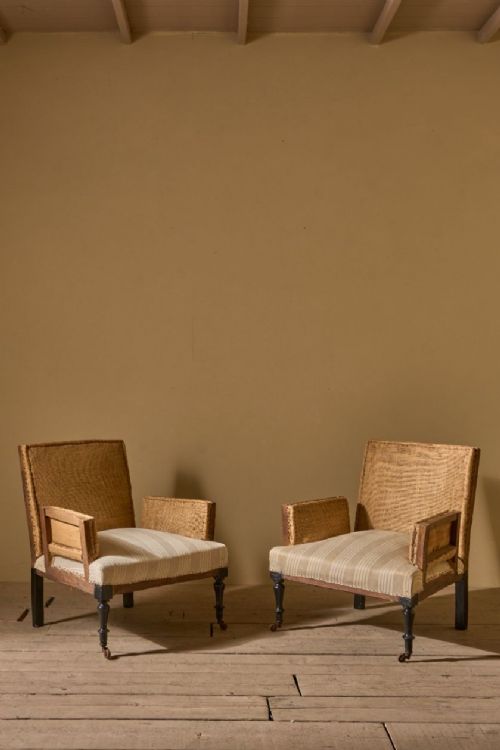
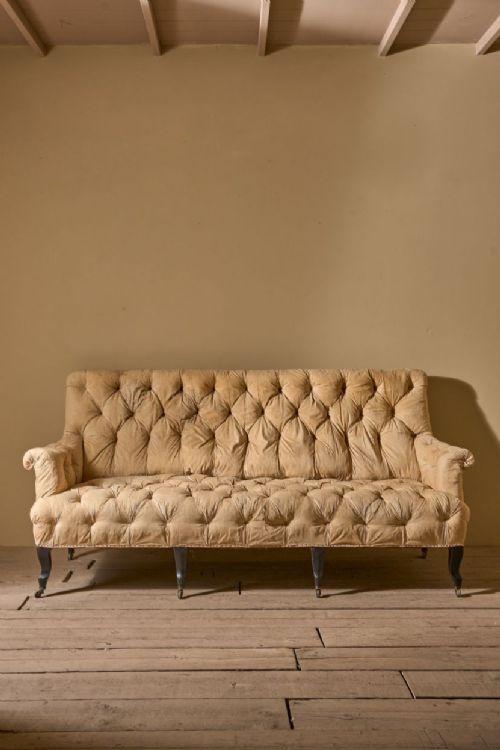
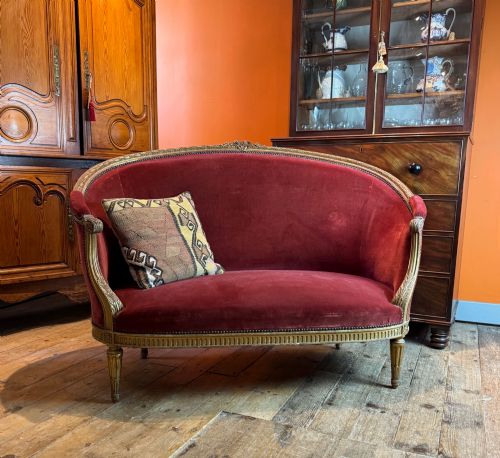
An antique french seat encompasses armchairs, sofas, settees, benches, and stools originating from workshops across eighteenth, nineteenth, and early twentieth century periods.
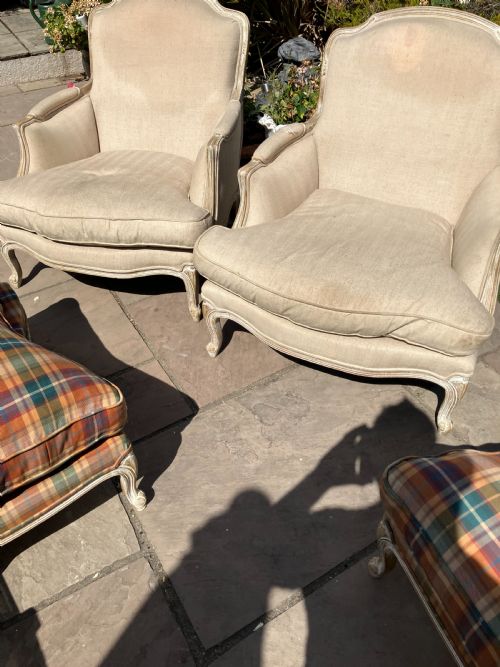
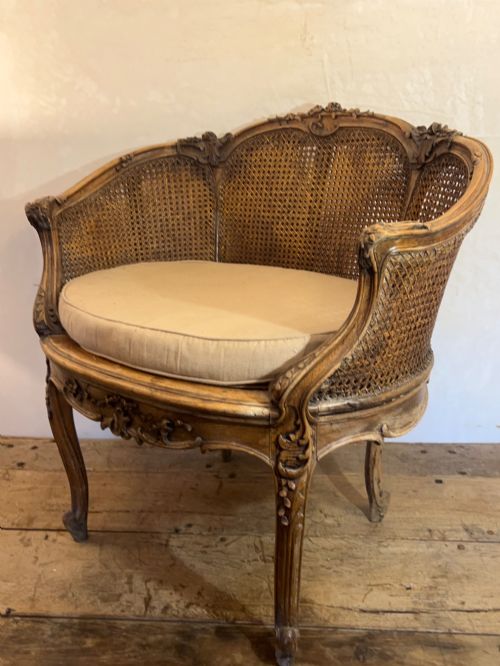
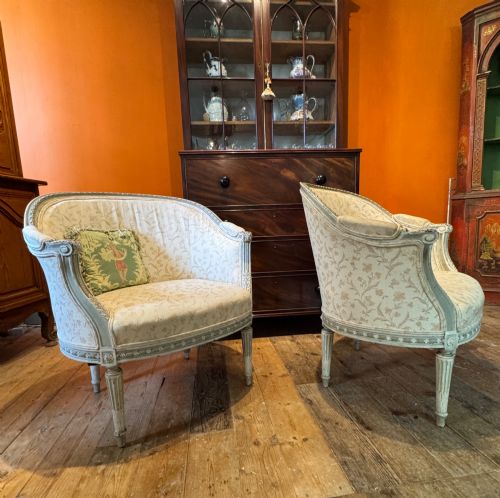
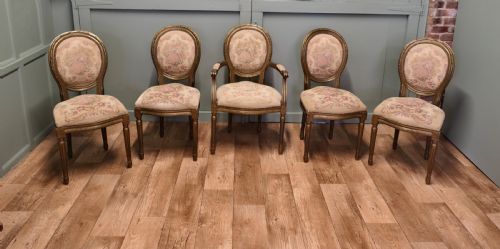
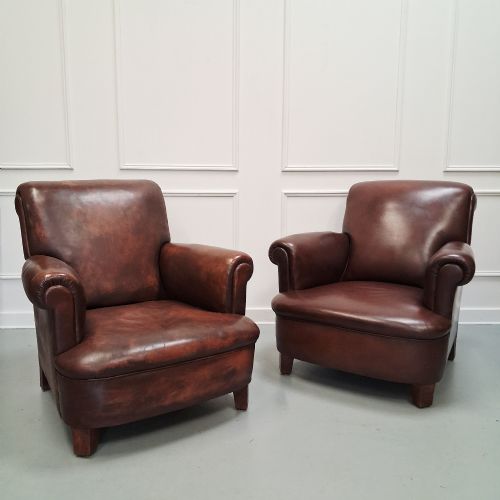
Buyers encounter padded salon chairs, carved giltwood fauteuils, caned bergères, and low-slung club chairs upholstered in leather, silk, velvet, or tapestry.
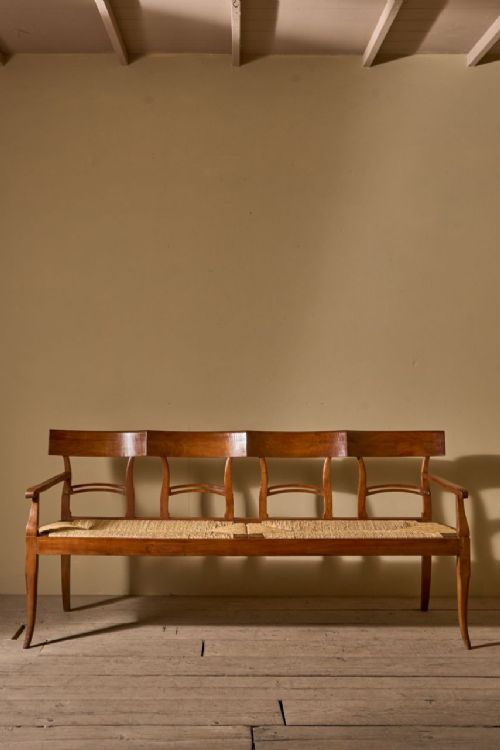
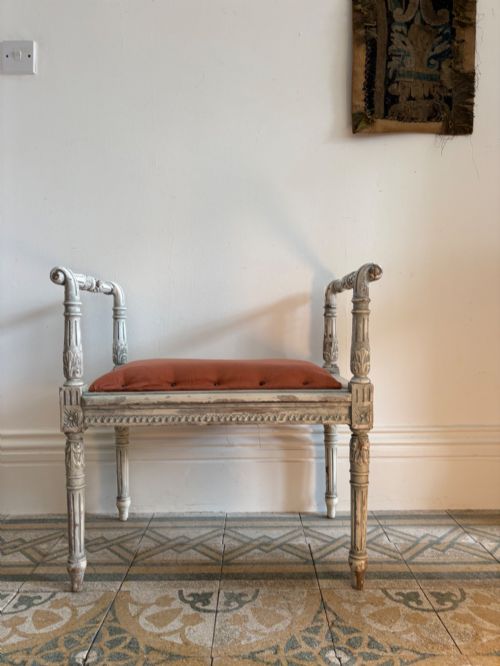
Provincial dining chairs with rush seats sit alongside grand salon suites and window benches shaped in regional variations of Louis styles.
Evaluating Craftsmanship
The distinction between standard production and superior work rests on the crispness of wood carving, the weight of giltwood application, and the integrity of joinery in the frame.
Original upholstery materials, untouched paint finishes, and authentic period textiles command greater interest than later replacements.
Proportion and balance dictate the presence of finer design, distinguishing provincial vernacular seating from court furniture.
Antique French Seat Retail Price Guide 2026
Typical asking prices for french seat among the pieces listed under this phrase on Sellingantiques today, from the lower quarter to the upper quarter. They describe what is for sale here now, not the wider market.
Tête-à-tête seats let two people converse in an S-shape, ensuring polite distance while sharing the same piece of furniture.
Etienne-Henri Dumaige
The Antique French Seat Glossary
- Fauteuil
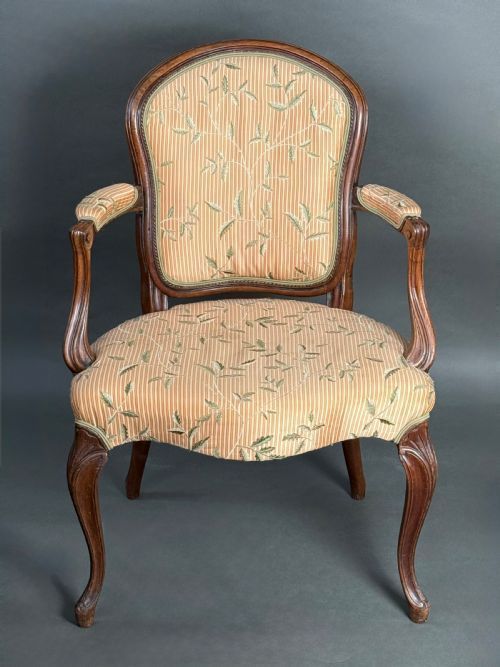
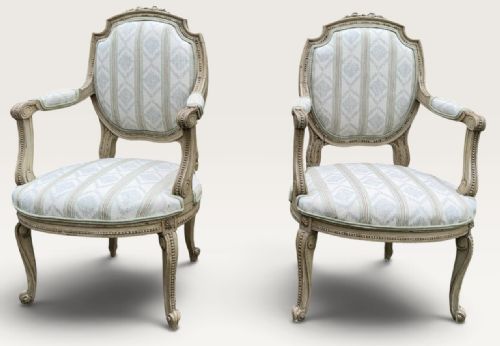
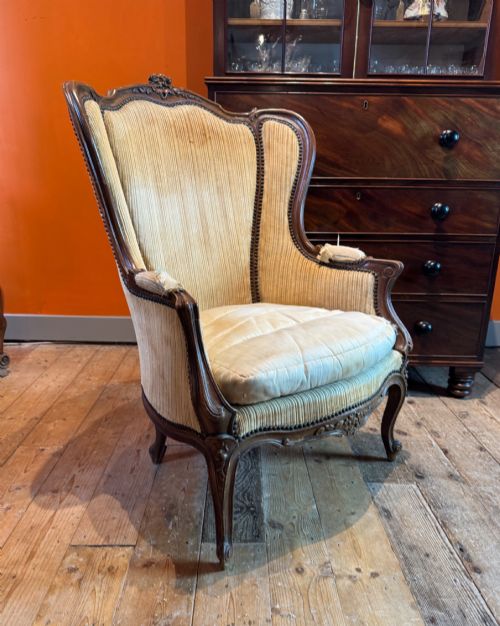
- An open-arm armchair with an exposed wooden frame typical of French seating design. The upholstered back and seat remain separate from the padded armrests.
- Bergère
- A closed armchair featuring upholstered sides enclosed by woodwork. These seats often incorporate cane panels or loose cushion bases.
- Canapé
- A decorative sofa or settee designed for multiple occupants within a formal salon. These pieces share stylistic motifs with matching armchairs.
- Ormolu
- Gilt bronze mounted onto furniture frames for ornamentation. This technique involves applying a gold amalgam to bronze components.
- Rush
- Woven marsh plant material utilised for traditional chair seating. Artisans twist the dried stems into durable cords before weaving them tightly across open frames.
Antique French Seat: Frequently Asked Questions
What is a prie-dieu?
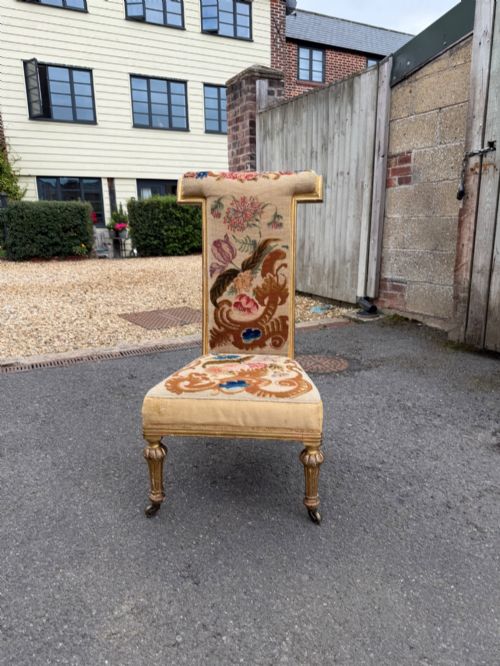
A prie-dieu is a devotional kneeler featuring a padded shelf at the top for resting arms during prayer.
These pieces date primarily to the nineteenth century and combine functional religious use with domestic woodwork.
How do I identify Louis XV style?
Louis XV style pieces display asymmetrical curves, cabriole legs, and carved floral ornamentation without straight architectural lines.
Makers favoured flowing organic shapes and subtle serpentine contours across the wooden framework.
Are cane seats durable?
Split cane panels offer surprising strength and flexibility when maintained in stable indoor environments.
Gentle use prevents snapping, though older woven surfaces benefit from avoidance of heavy concentrated weight.
Where did club chairs originate?
Club chairs emerged in France during the early twentieth century as comfortable, deep-seated lounge chairs.
Thick leather upholstery covers heavy internal frames designed for relaxed domestic seating.