




Gilded Footstool
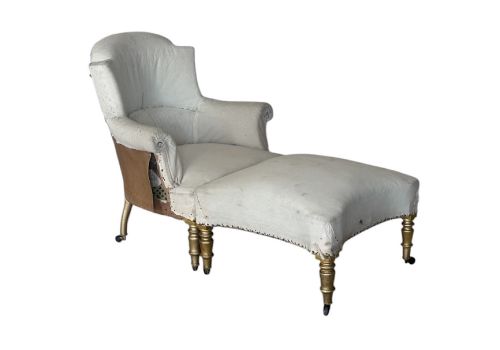
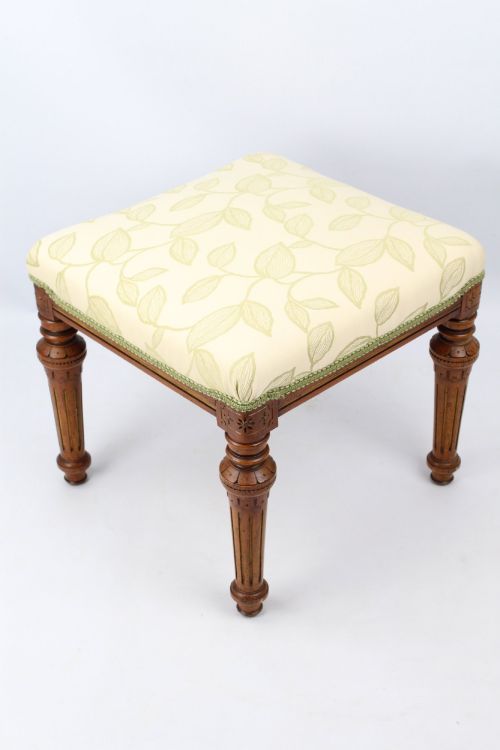
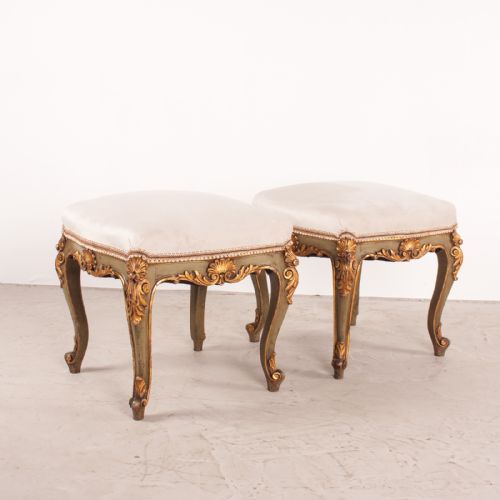
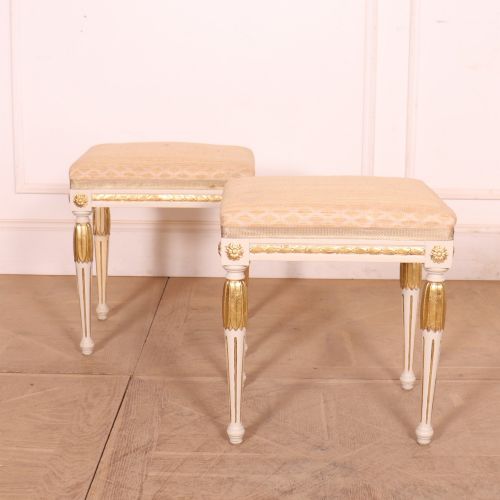
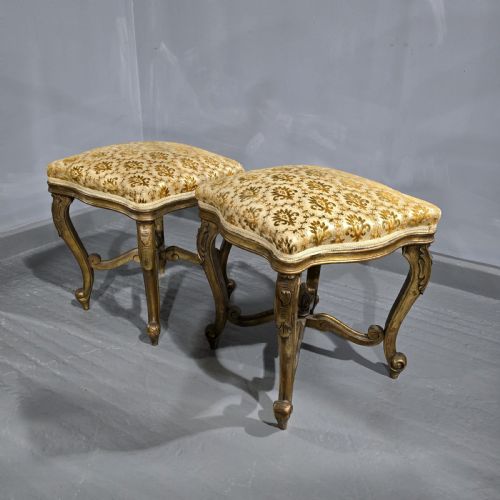
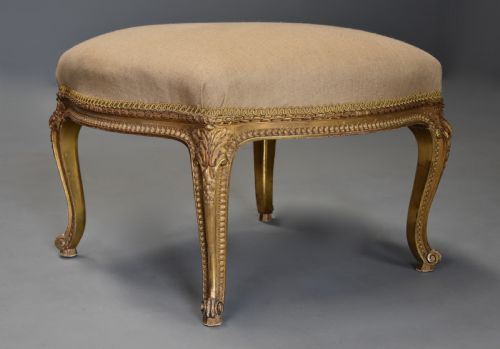
A gilded footstool brings a touch of giltwood and upholstery to a room, offering low seating or a place to rest the feet.
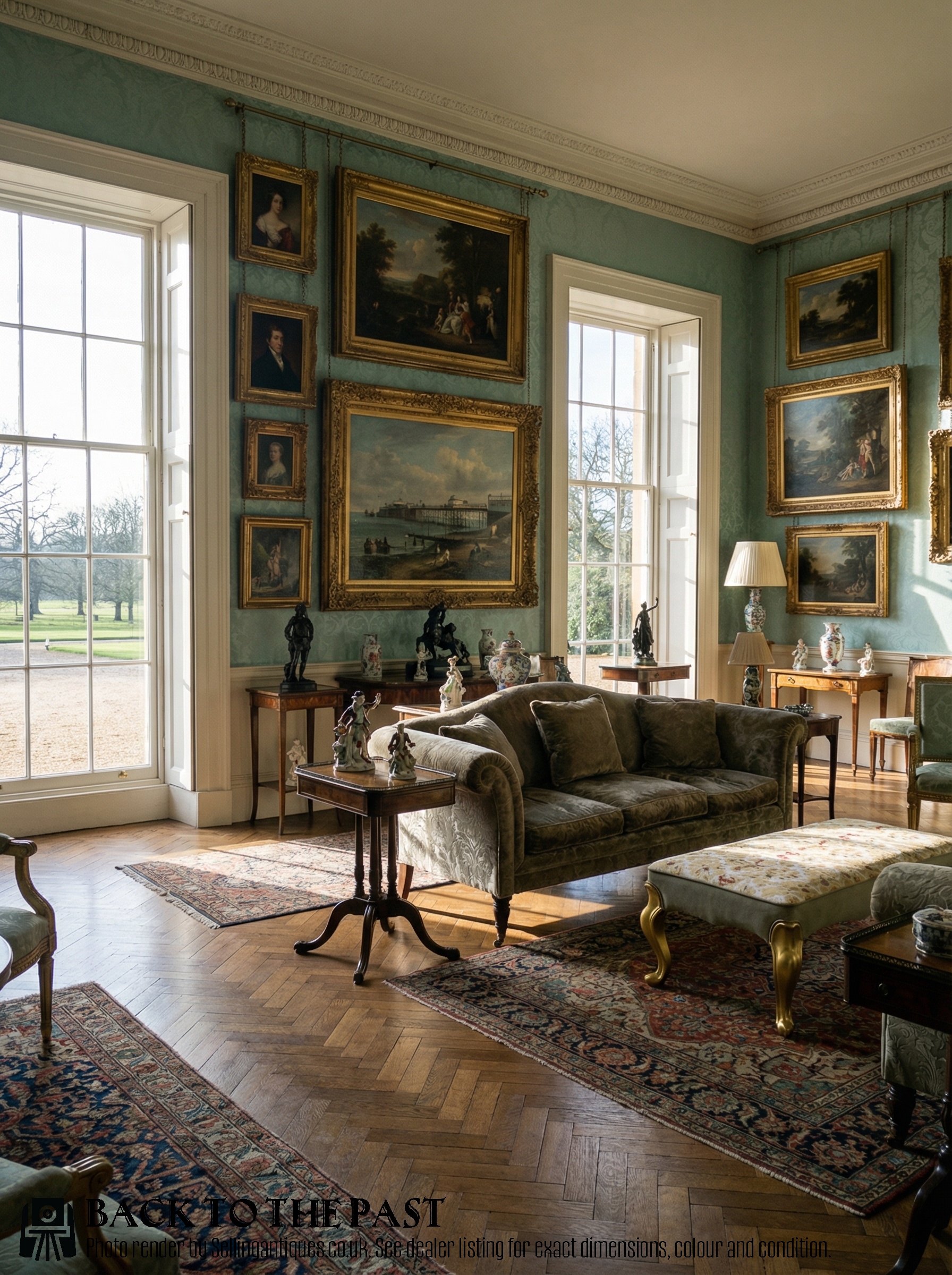
Gilded Footstool
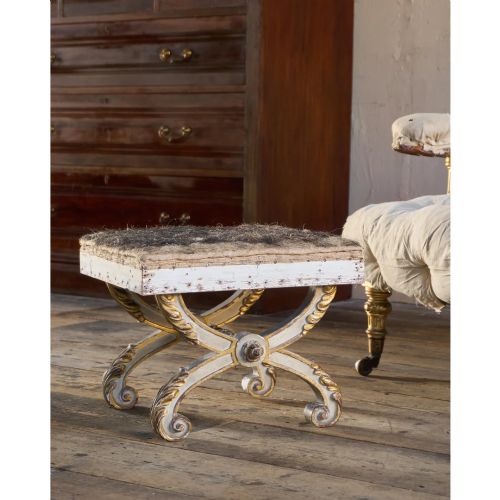
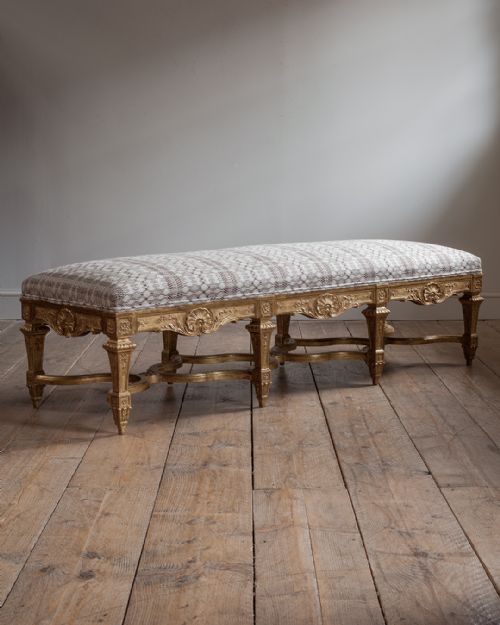
A gilded footstool represents a compact form of seating designed to elevate the feet or provide low perches, often shaped as low stools, benches, or curule X-frame designs. When exploring a gilded footstool, buyers encounter pieces originating from the nineteenth century, including Regency and Victorian periods, alongside continental revival styles.
The selection on this page leans heavily toward nineteenth-century French and English pieces, spanning Louis style revivals, Rococo, and Baroque influences. Alongside traditional timber frames, forms extend to carved giltwood and painted finishes upholstered in velvet, fabric, and textile.
How they were made
Craftsmen built these frames from timber, wood, and gilt oak, frequently applying gesso as a smooth base for gold leaf application. Carved details define the structural ornamentation, requiring skilled joinery to shape curved legs, scroll tops, and X-frame supports.
Upholstery completed the piece, utilising textiles such as velvet and standard fabric secured over padding. Surface gilding involved delicate gold leaf laid meticulously over prepared wooden or gesso grounds to achieve a reflective metallic sheen.
A few unexpected specimens wander into the lineup, including a rocking gout stool designed to soothe aching feet during grand Victorian evenings.
What varies in quality
The refinement of the woodcarving sets finer examples apart, where deep, crisp hand-carving on giltwood or gilt oak displays distinct artistic control. Weaker pieces rely on shallow moulding and coarse detailing that lacks the definition found in superior workshop output.
The application of gold leaf and the integrity of the underlying gesso create visual depth in high-grade items. Pieces retaining their original stamped maker marks or well-preserved period textiles also hold a different standing compared to heavily altered examples.
Miles & Edwards·Mathew Gregson·Loidrault Freres Paris·A.M.E. Fournier
The Gilded Footstool Glossary
- Giltwood
- Timber coated with gold leaf or powder over a prepared gesso ground. This finish provides the characteristic metallic brilliance seen on many period frames.
- Gesso
- A plaster mixture applied to wood surfaces as a smooth preparation layer for gilding. It allows carvers to achieve sharp detail before gold leaf is laid.
- Curule
- An X-shaped form of ancient Roman origin adapted for stools and seats. This cross-frame construction offers both structural strength and a distinct classical silhouette.
- Rococo
- A decorative style characterised by asymmetrical curves, scrollwork, and organic motifs. It heavily influences nineteenth-century continental and revival seating forms.
Gilded Footstool: Frequently Asked Questions
How do I date a gilded footstool?
Dating relies on examining the underlying timber, style conventions like Regency scroll tops or Victorian Baroque carving, and construction methods. Secondary indicators include the composition of the gesso and any maker stamps on the frame.
Comparing the decorative motifs against known revival periods helps narrow down the decade of manufacture. Consulting construction details ensures the piece aligns with nineteenth-century workshop practices.
Where should I place a gilded footstool?
These compact pieces fit well in drawing rooms, dressing areas, or beside larger armchairs and chaise longues. Their low profile allows them to function as decorative accents without dominating the room layout.
Positioning them away from direct sunlight protects both the delicate gold leaf and the fabric upholstery from fading over time.
Are these footstools suitable for daily use?
Most period pieces retain sturdy timber frames and solid joinery capable of supporting everyday seating or resting feet. However, antique textiles and historic giltwood require mindful placement to prevent excessive wear.
Choosing a piece with robust upholstery and sound structural framing ensures it handles regular interior use while preserving its character.