




Low Upholstered Coffee Stool
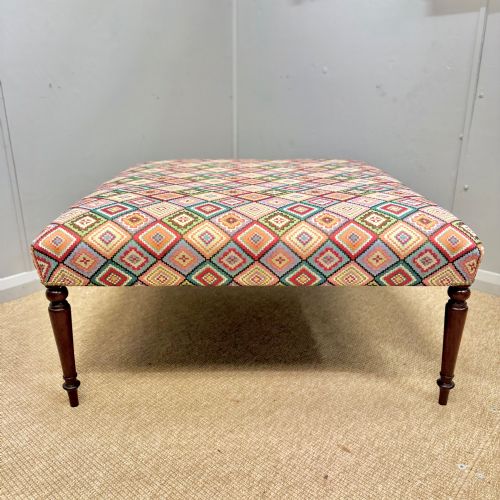
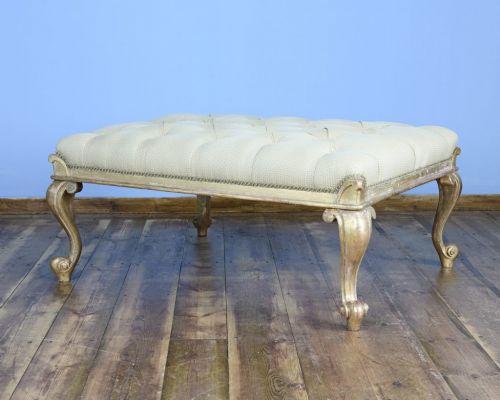
These low upholstered coffee stool pieces offer versatile seating and surface utility, drawing on nineteenth-century and Georgian forms to anchor a room.
Low Upholstered Coffee Stool
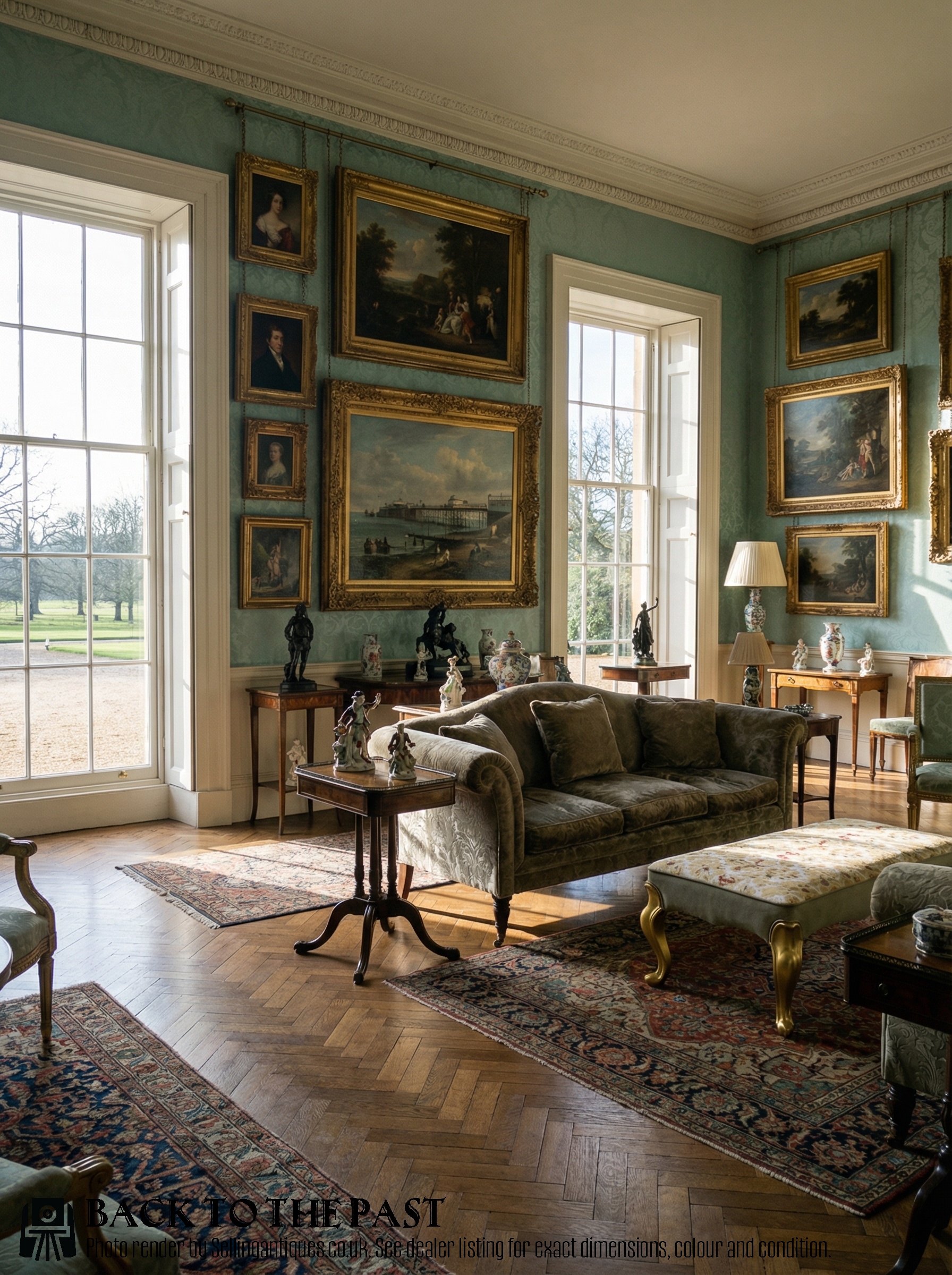
A low upholstered coffee stool serves dual purposes as a low table surface and an ottoman seating option within traditional interiors. When exploring low upholstered coffee stool examples, buyers encounter large nineteenth-century pieces alongside Georgian and Victorian iterations.
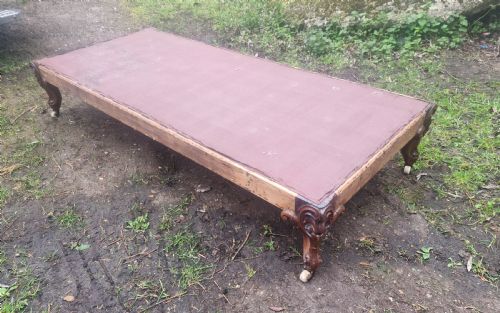
The selection on this page leans heavily towards nineteenth-century craftsmanship, featuring grand scale footstools, centre stools, and country house ottomans. These low upholstered coffee stool items often double as occasional tables or generous footrests.
Forms range from Anglo-Indian and French nineteenth-century models to English country house walnut and mahogany pieces. Each low upholstered coffee stool reflects the heavy proportions and sturdy frames characteristic of its period.
How they were made
Makers utilised solid timbers such as mahogany and walnut for the structural frames, often finishing them with parcel gilding or carved rosewood details. These frames support extensive upholstery fabric, woven textiles, leather, or zebra hide.
Hardware additions like brass castors appear on larger nineteenth-century examples to ease movement across heavy carpets. Joinery methods prioritise low, stable platforms capable of supporting both feet and serving trays.
Periods represented span from Georgian and William IV designs through to nineteenth-century Victorian and early twentieth-century examples.
What varies in quality
Quality rests in the integrity of the timber frame and the ambition of the carving, from simple turned legs to intricate parcel gilding. Pieces intended for reupholstering show the raw skeletal construction clearly.
Scale and proportion distinguish utilitarian footstools from grand centre stools designed for country house drawing rooms. The choice of covering, whether heavy woven fabric, leather, or exotic hide, alters the character of the piece.
The Low Upholstered Coffee Stool Glossary
- Centre stool
- A large freestanding seat designed to sit in the middle of a room rather than against a wall. These substantial pieces frequently double as coffee tables.
- Parcel gilt
- Woodwork partially decorated with thin layers of gold leaf to highlight carved details. This technique adds subtle reflection to mahogany and walnut frames.
- Castor
- A small wheel attached to the base of furniture legs to assist mobility. Brass versions are common on nineteenth-century footstools.
- Ottoman
- A low, fully upholstered seat without a back or arms. In larger formats, it functions interchangeably with a footstool or low table.
Low Upholstered Coffee Stool: Frequently Asked Questions
Can I use a low upholstered coffee stool as a table?
Many of these large nineteenth-century stools easily accommodate a heavy tray on their upholstered surface, functioning well as low central tables in a sitting room.
Their sturdy timber frames and wide proportions provide a stable platform for books and decorative objects alongside serving duties.
How do I identify a Victorian footstool?
Victorian examples frequently display dense woods like rosewood or walnut, often accompanied by carved details and brass castors. Their scale tends to be generous, reflecting the heavy furnishing styles of the nineteenth century.
Upholstery often shows the marks of extensive use, and some pieces arrive ready for fresh fabric covering.
What is a country house ottoman?
A country house ottoman is a large, comfortable upholstered seat built for relaxed domestic spaces rather than formal reception rooms. These pieces prioritize generous proportions and durable wooden frames.
They sit low to the ground and integrate easily into traditional English interiors.
Are these stools suitable for everyday seating?
Built with solid timber frames in mahogany, walnut, or other dense woods, these pieces were constructed to endure heavy daily use. Their low height makes them ideal for resting feet or casual sitting.
Their robust construction ensures they remain stable under regular household demands.