

Antique Upholstery Chair
An antique upholstery chair brings heritage craftsmanship and deep comfort into a room through traditional sprung foundations and time-worn textile coverings.
Antique Upholstery Chair
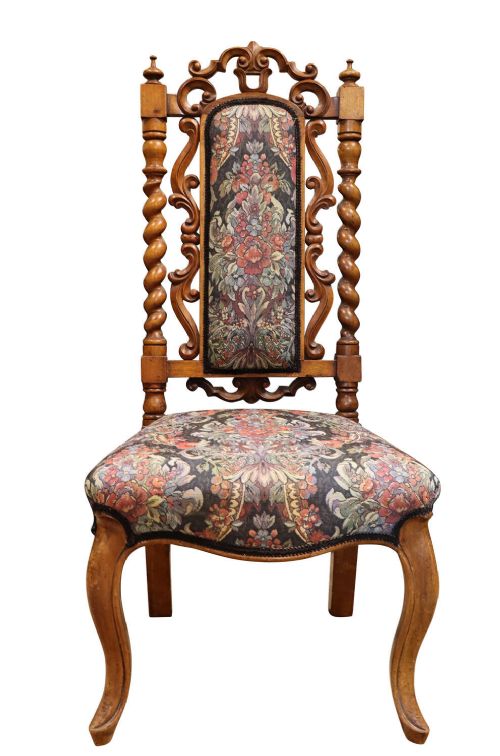
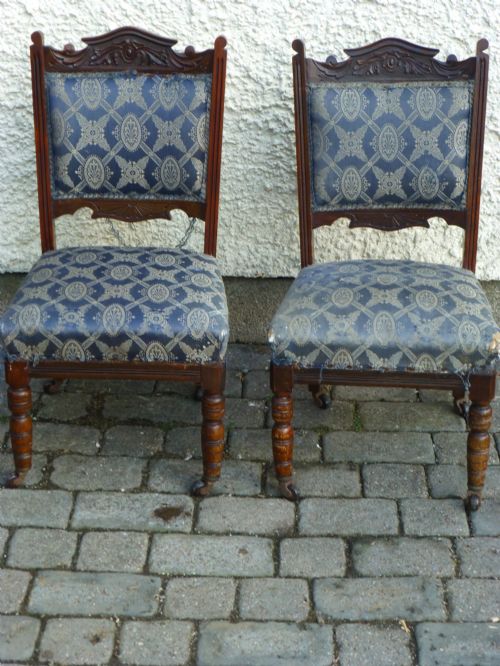
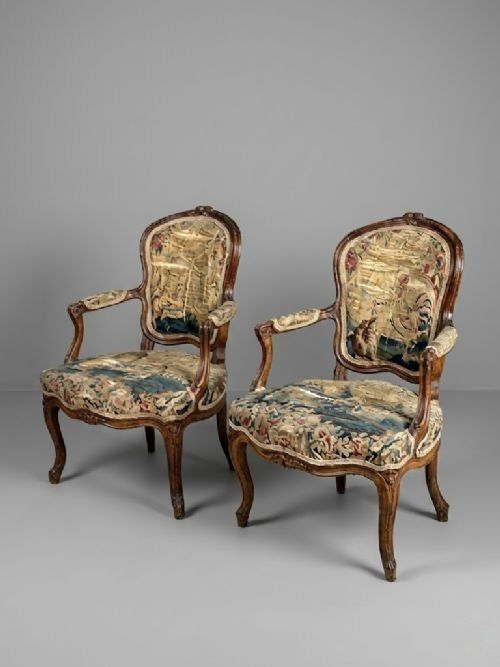
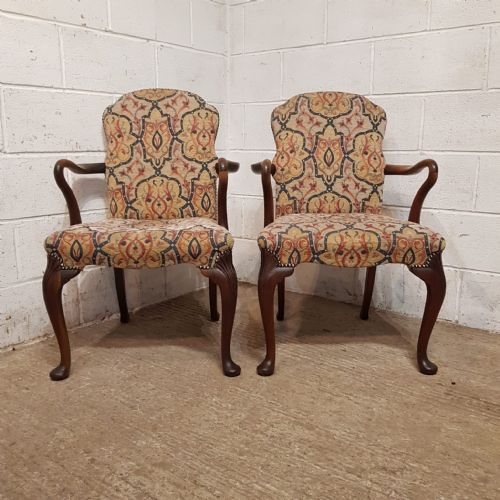
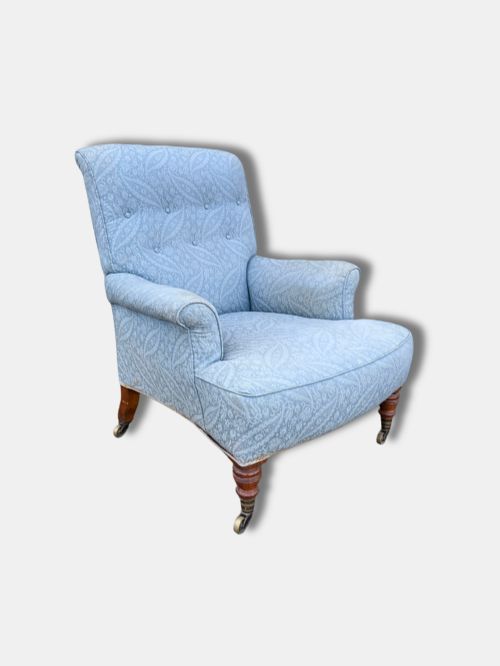
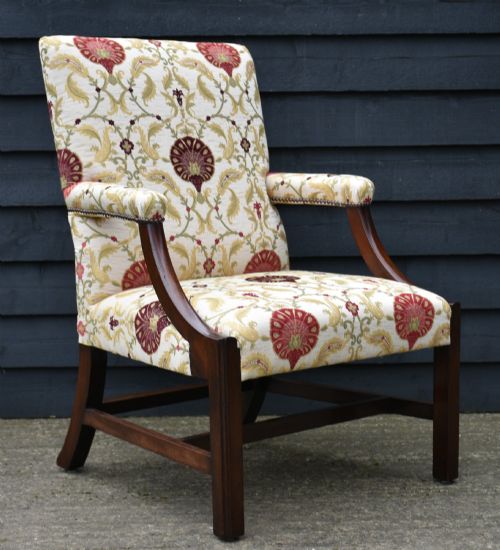
When you search for an antique upholstery chair, you encounter a diverse range of seating forms spanning the eighteenth, nineteenth, and early twentieth centuries. These pieces encompass everything from grand library armchairs and low nursing chairs to dining sets and deep club chairs.
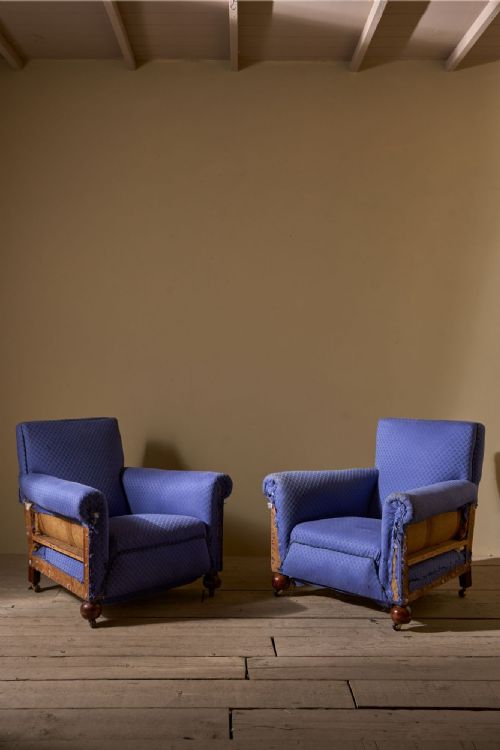
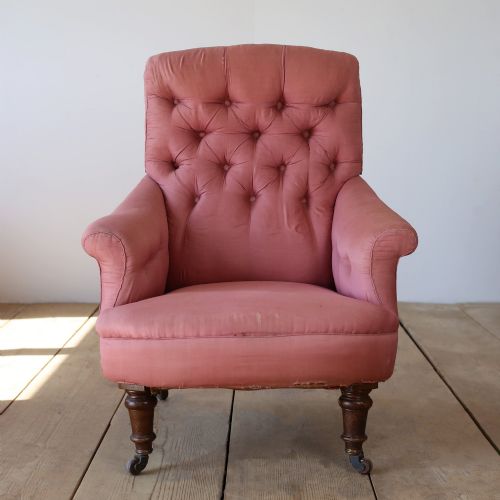
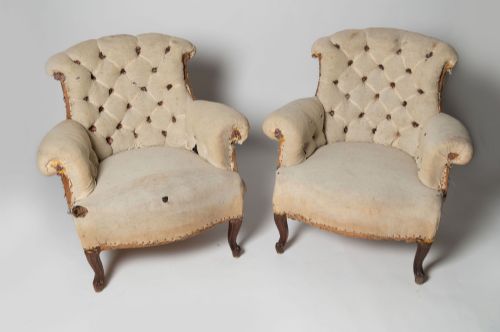
The version you are most likely to meet on this page is the Victorian or Edwardian armchair, often framed in walnut, mahogany, or oak. Many of these survive in their original fabric coverings, whilst others are offered bare or requiring re-upholstery.
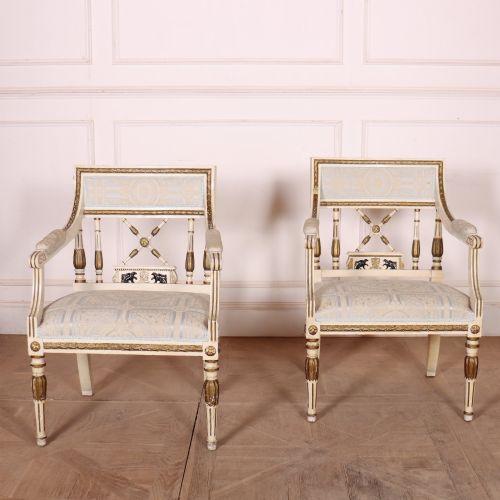
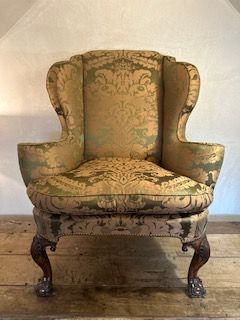
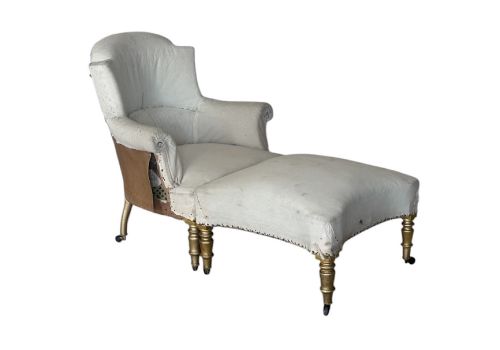
Beyond standard armchairs, the selection includes specialised forms such as wing chairs, salon suites, slipper chairs, and chaise longues. Each category reflects the domestic habits and interior tastes of its specific period, from Georgian formality to country house ease.
How they were made
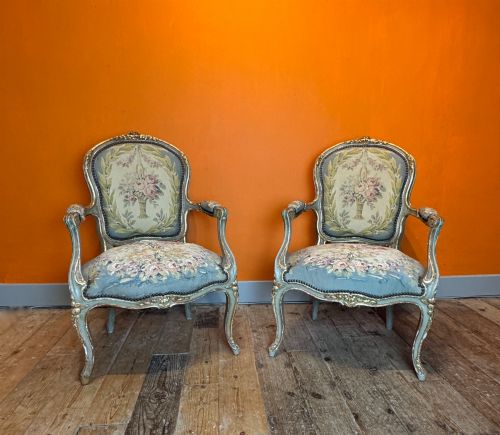
The structural frames of these chairs rely on hardwoods such as mahogany, walnut, and oak, joined with traditional woodworking techniques like mortise and tenon joints. Carved details, gilt finishes, and painted surfaces appear on formal pieces, particularly those of French or Regency design.
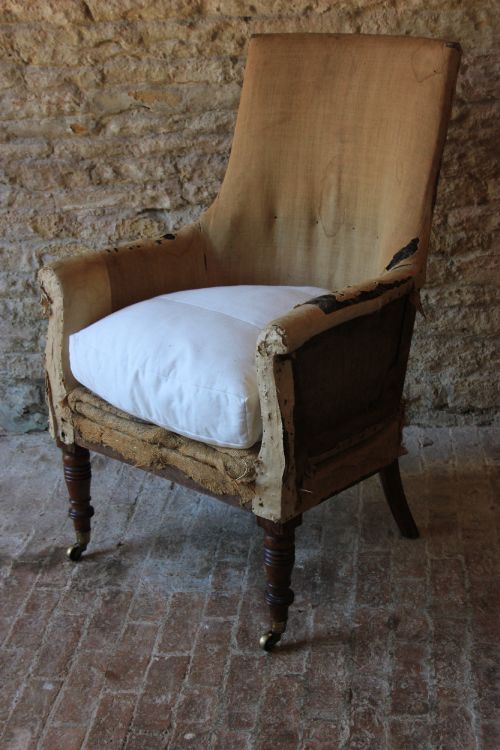
Traditional upholstery construction utilises natural stuffing materials such as horsehair, wool, and cotton wadding, held in place by hessian webbing and calico interlinings. Metal coil springs emerge in nineteenth-century designs to provide enhanced resilience and support.
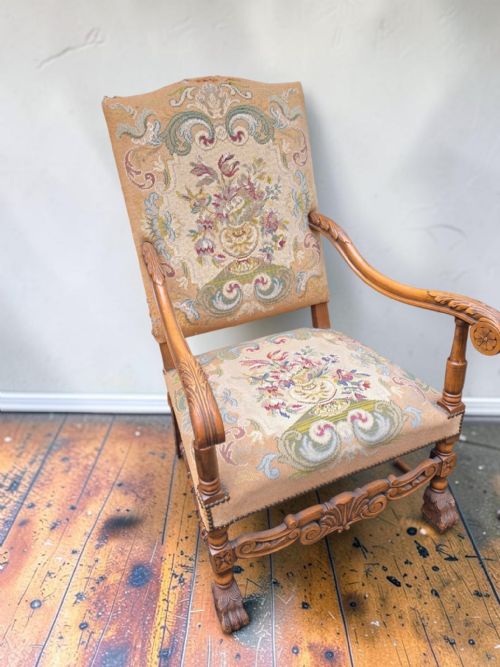
Outer coverings range from antique needlework and tapestry to velvet, damask, silk, and leather. Many items retain their original hide or woven textiles, while others present structural frames stripped back to bare webbing for custom recovery.
Antique Upholstery Chair Retail Price Guide 2026
Typical asking prices for upholstery chair among the pieces listed under this phrase on Sellingantiques today, from the lower quarter to the upper quarter. They describe what is for sale here now, not the wider market.
Several armchairs arrive with reading stands or matching footstools, proving that Victorian comfort engineers took afternoon relaxation extremely seriously.
What varies in quality
The integrity of the underlying timber frame forms the foundation of value, distinguishing solid, well-carved hardwood constructions from weaker or structurally compromised examples. Original joinery and untouched frames hold greater appeal for traditional collectors.
The standard of the internal stuffing and springing dictates the comfort and longevity of the piece. Traditional hand-stitched horsehair and intact coil systems represent superior craftsmanship compared to degraded or modern foam replacements.
The historical significance and survival rate of the outer textile covering influence the piece's character. Intact antique needlepoint, Aubusson tapestries, or original hide upholstery elevate the authenticity of the chair.
Howard and Sons·Harry and Lou Epstein·Gillows
The Antique Upholstery Chair Glossary
- Hessian
- A dense woven fabric, typically made from jute fibres, used beneath top covers to form the foundational support layer for internal stuffing.
- Calico
- A plain-woven cotton textile employed as an intermediate layer to contain stuffing materials before the application of the decorative outer fabric.
- Giltwood
- Timber that has been coated with a thin layer of gold leaf or powder, frequently seen on formal eighteenth and nineteenth-century French salon chairs.
- Needlework
- Hand-stitched decorative embroidery using wool or silk yarn on a canvas ground, commonly found on period seat covers.
- Webbing
- Strong woven strips stretched across the seat frame to support the weight of the springs and internal stuffing.
Antique Upholstery Chair: Frequently Asked Questions
What is a nursing chair?
A nursing chair is a low-seated armchair designed in the Victorian period to allow a mother to feed or tend to an infant with ease.
These pieces typically feature sprung seats, padded backs, and short legs, often upholstered in rich fabrics like velvet or tapestry.
How do I choose between original and new upholstery?
Choosing original upholstery preserves the historical integrity and decorative character of the piece, though the fabric may show signs of age and wear.
Opting for a chair requiring re-upholstery allows you to select a modern textile that suits your interior while inspecting the internal frame and webbing.
What is a wing chair used for?
A wing armchair was traditionally designed to shield the sitter from draughts in large, cold rooms by trapping heat around the head and torso.
In modern interiors, these substantial chairs serve as statement pieces in studies, drawing rooms, and beside fireplaces.
How do I identify a Victorian armchair?
Victorian armchairs are typically characterised by dark hardwoods like walnut and mahogany, robust frames, and the introduction of coiled steel springs.
Common styles from this era include deep button-backed upholstery, spoon-backed nursing chairs, and ornate library seating.