



Antique French Folk Art
Antique French folk art gathers utilitarian objects and sculptural pieces shaped by regional makers across the eighteenth, nineteenth, and early twentieth centuries.
Antique French Folk Art
Antique french folk art encompasses a diverse range of objects created for domestic, rural, and trade use rather than formal academic display. Buyers searching this phrase commonly encounter practical vessels, shop displays, and carved figures rooted in regional traditions.
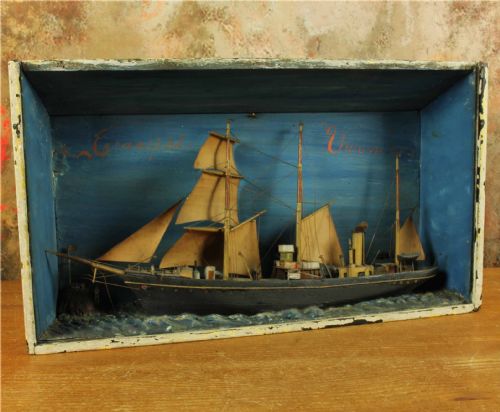
The selection on this page relies heavily on nineteenth-century pieces, alongside items from the eighteenth century and the early decades of the twentieth century. Forms span from turned dairy bowls and carved shop figures to naive paintings and maritime dioramas.
Regional diversity shapes these objects, with items originating from rural departments, coastal ports, and provincial towns. Domestic furnishings such as cupboards and wall frames sit alongside carnival figures and ceramic wares from specific potteries.
Materials and Construction
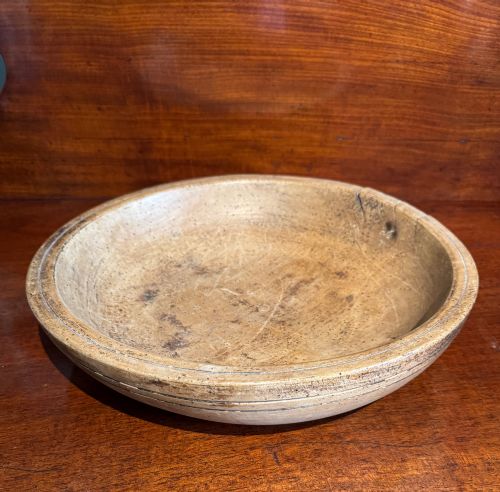
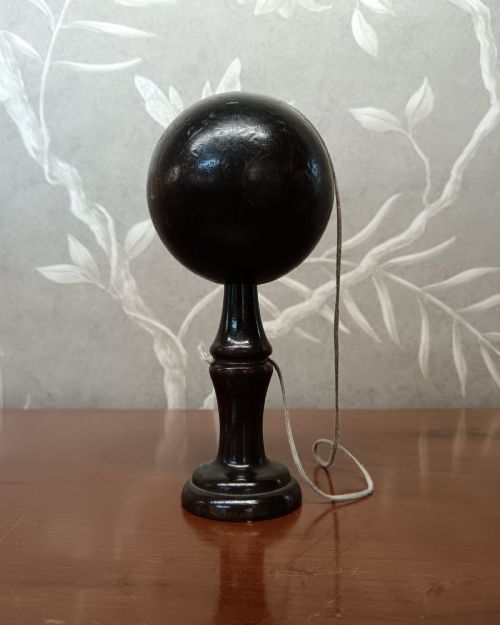
Wood is the dominant material, appearing as solid sycamore, pine, boxwood, and carved sections repurposed from older furniture. Makers utilised hand tools to carve animals, build scratch models, and turn dairy bowls or games.
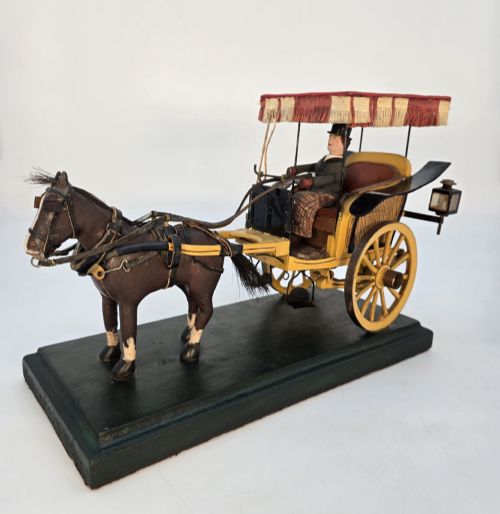
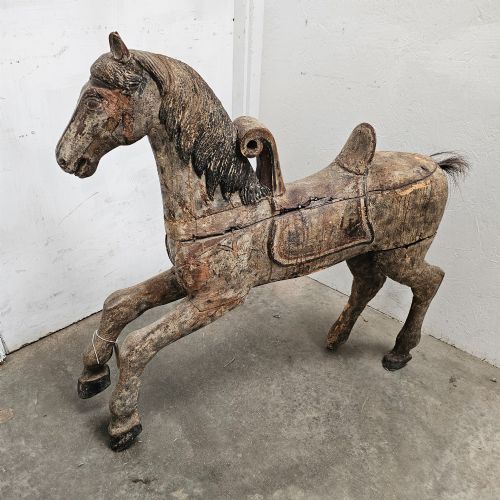
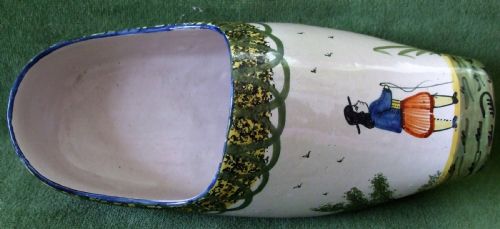
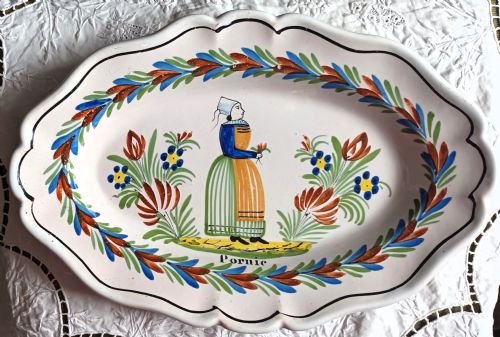
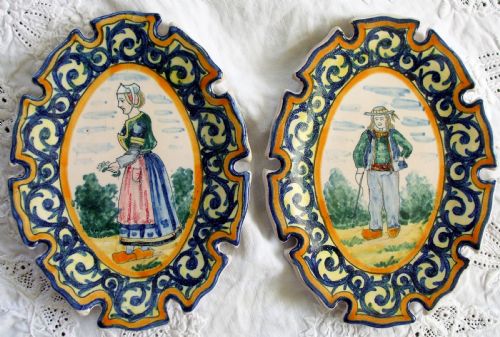
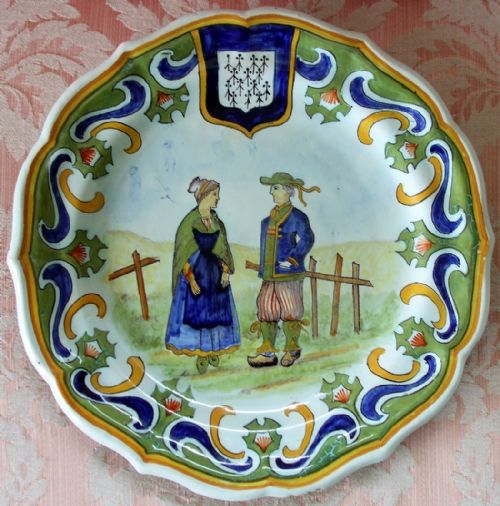
Paint, plaster, and tin metal frequently augment wooden and ceramic structures, adding colour and surface texture to carousel animals, shop displays, and donation boxes. Faience pottery brings glazed ceramic surfaces modelled into specific regional shapes such as sabots and dishes.
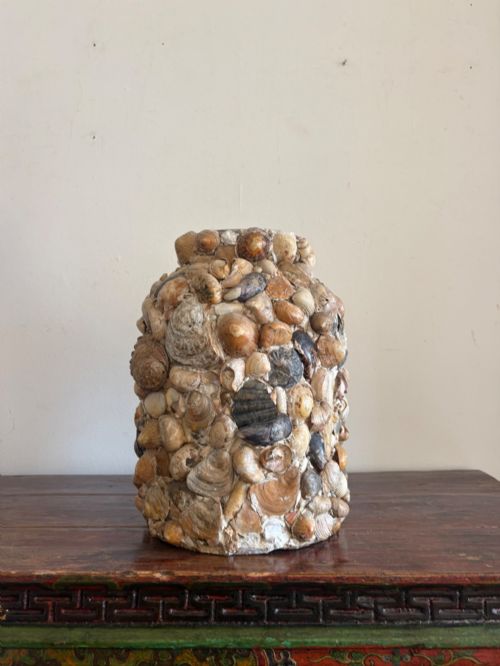
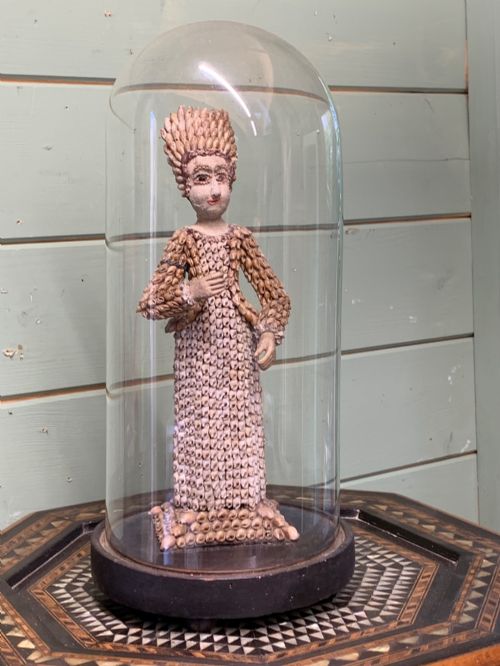
Maritime and domestic creations incorporate unconventional elements like seashells, straw work, and textiles. These components demonstrate resourcefulness, combining natural finds with simple fasteners and glues.
Among the carousel menagerie, a carved wooden pig stands ready alongside horses and dairy bowls.
Evaluating Quality
Quality rests upon the strength of the maker's hand and the directness of the carving or painting. A piece succeeds through confident proportions and clear character rather than polished academic precision.
Original surface patination and untouched paint layers elevate a piece significantly. Retaining authentic wear from dairy use, shop display, or fairground service confirms the object's working history.
Complexity of construction distinguishes standard domestic items from exceptional handmade models. Scratch-built models and detailed dioramas reveal greater individual time and ingenuity.
The Antique French Folk Art Glossary
- Faience
- Tinned glazed earthenware produced in France, often hand-painted with regional motifs and town names.
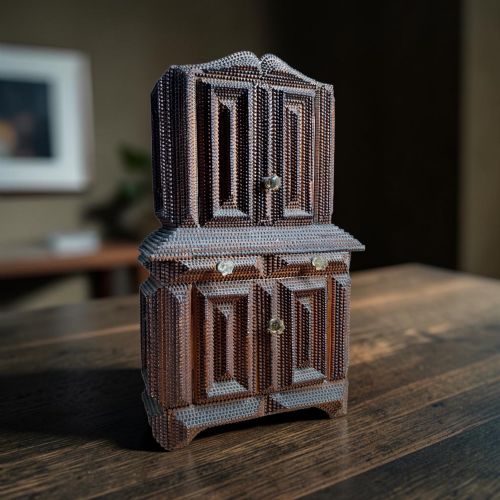
- Tramp art
- Small-scale wooden objects constructed from notched, layered, and carved box elements, typically utilising scrap timber.
- Naïve
- A descriptor for art and objects created outside formal academic training, characterised by childlike perspective and direct execution.
- Treen
- Small handmade wooden household utensils and objects, shaped by turning or carving.
- Sabot
- A traditional wooden shoe carved from a single block of timber, occasionally rendered in faience pottery as a decorative dish.
Antique French Folk Art: Frequently Asked Questions
What is antique French folk art?
It comprises utilitarian items, decorative sculptures, and naive paintings made by rural and provincial craftspeople for everyday life, trade, or domestic adornment.
These pieces reflect local traditions, trades, and domestic practices across French regions without the constraints of academic fine art rules.
How were these objects used originally?
They served practical functions in rural dairies, butcher shops, homes, and fairgrounds as display items, storage vessels, games, and architectural elements.
Many items transitioned from working environments, such as shop figures or dairy bowls, into domestic decorative pieces over time.
How do I date these pieces?
Dating relies on material analysis, construction techniques, regional styles, and occasional inscriptions left by makers or prisoners of war.
Nineteenth-century items dominate the record, alongside eighteenth-century pine furniture and early twentieth-century fairground and charity pieces.
How do I live with folk art?
These pieces integrate easily into modern or traditional interiors by introducing warmth, texture, and individual sculptural character to a room.
Their robust construction and practical origins mean they function well as display focal points on tables, shelves, and walls.