
Antique French Ceramic Pair
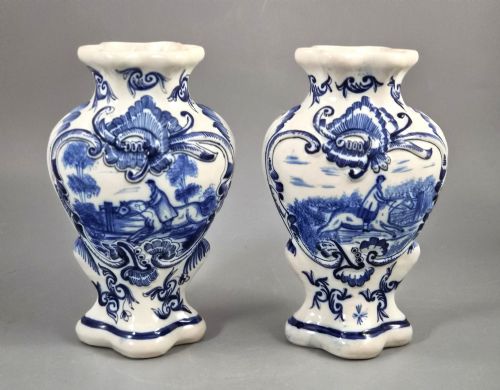
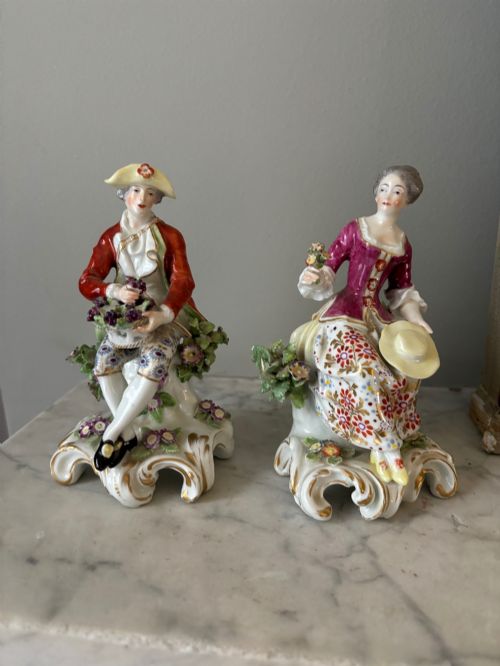
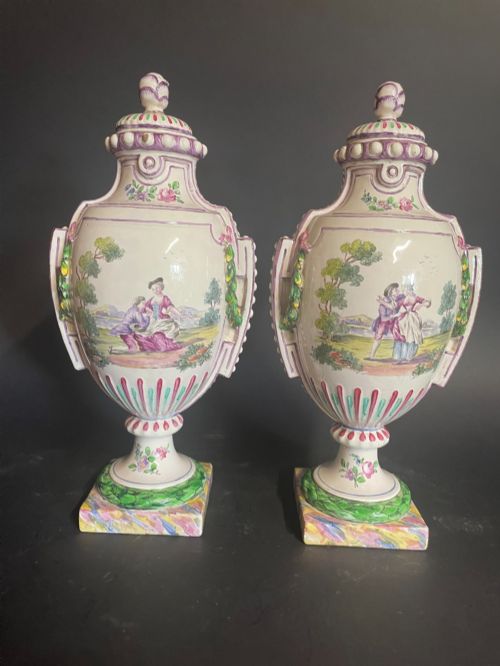
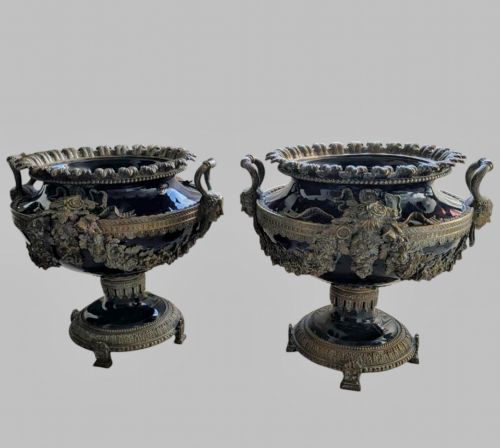
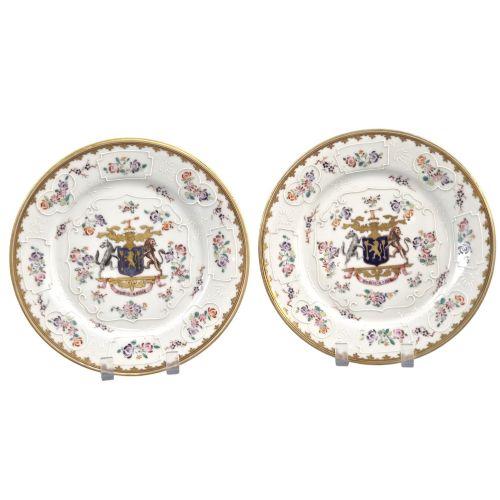
These antique french ceramic pair selections comprise paired decorative works spanning porcelain, faience and earthenware from nineteenth-century France.
Antique French Ceramic Pair
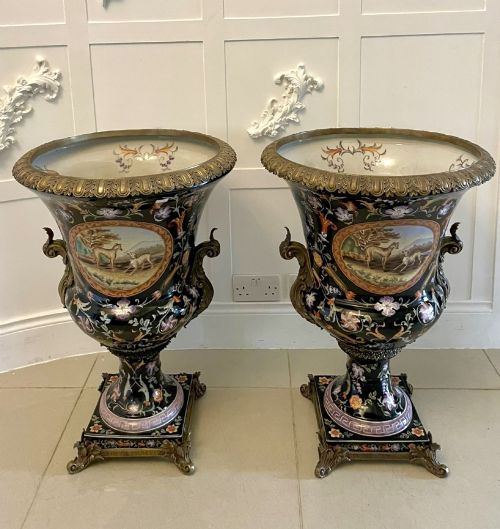
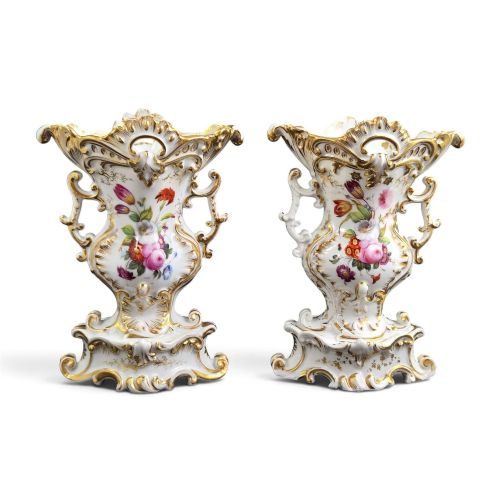
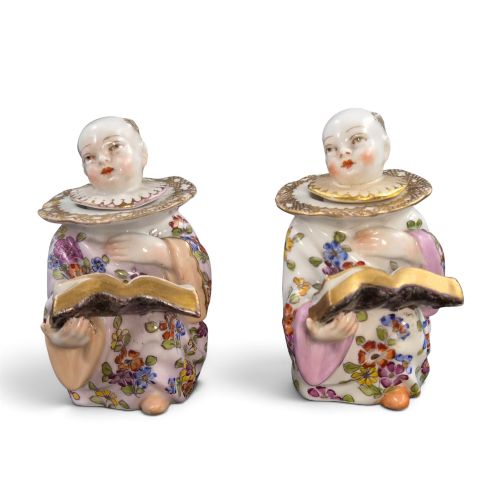
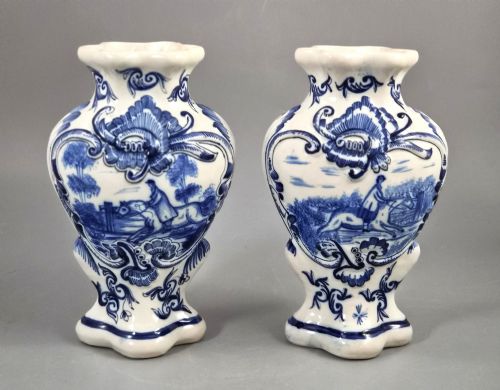
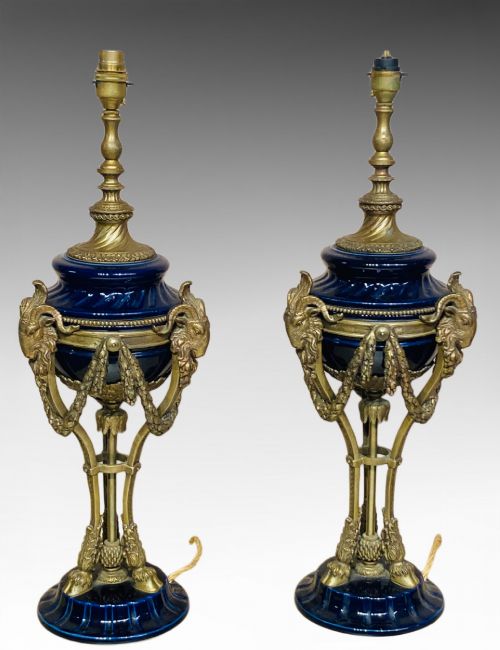
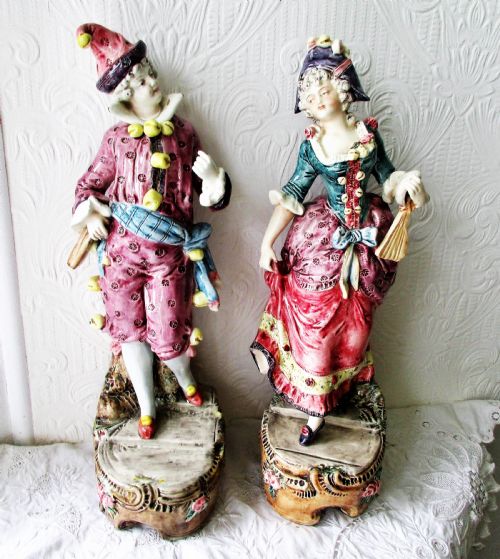
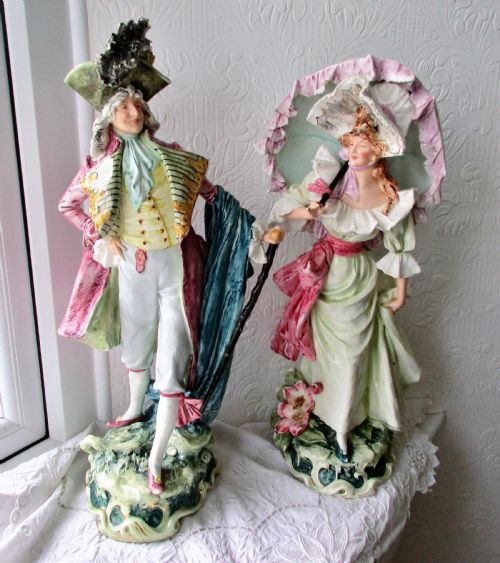
An antique french ceramic pair comprises matched decorative objects designed for symmetry, often taking the form of vases, urns, figures or table lamps. These matched items reflect nineteenth-century interiors through periods including the 1850s, 1880s and Victorian eras.
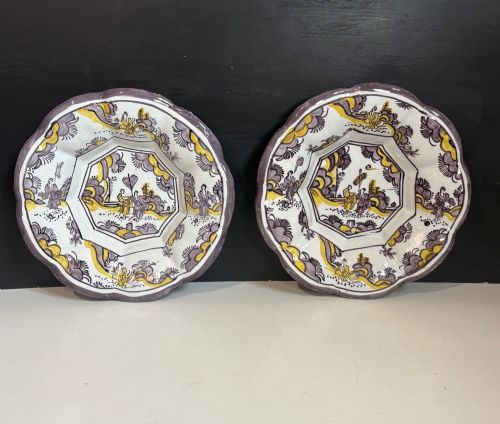
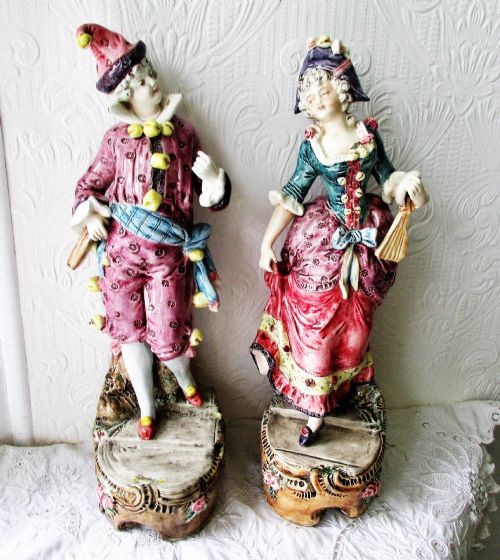
The selections frequently manifest as porcelain mantel ornaments, tin-glazed faience dishes or earthenware figurines, mirroring historical revivals such as French Rococo, Napoleon III and Chinoiserie styles.
Materials and production methods
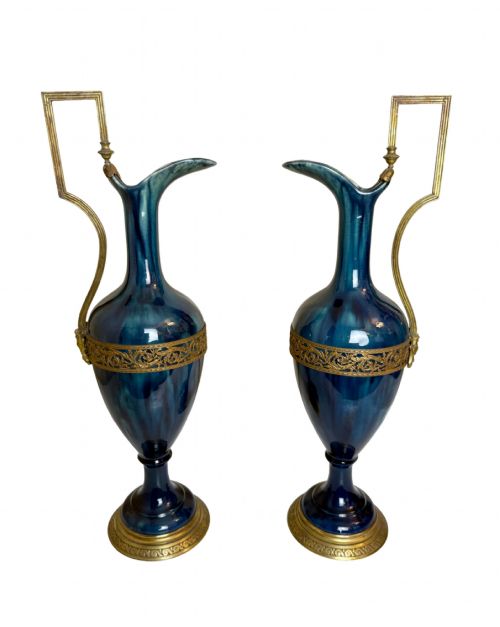
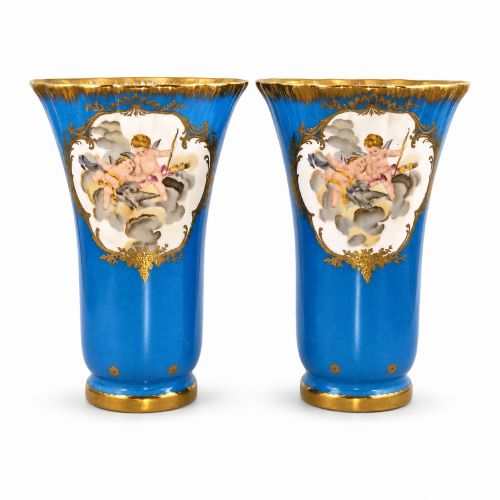
Makers utilised porcelain, earthenware and tin-glazed faience bodies, shaping them into figures, urns and plates through traditional ceramic moulding and throwing techniques. Hand-painted pigments, raised white enamel and blue glazes decorated the surfaces.
Many items incorporate gilt bronze, brass mounts, gold leaf or ormolu trim to enrich the ceramic bases, uniting metalwork and clay bodies.
Nineteenth-century ceramic makers occasionally modelled cheerful porcelain dwarves and singing boys to amuse fashionable Victorian drawing-room visitors.
Factors determining quality
The standard of painting and hand-applied detailing distinguishes finer works, particularly where delicate brushwork defines facial expressions on figures or intricate floral motifs on vases. Precision in the modelling of forms and the integration of bronze or brass mounts also elevates a piece.
Kiln execution influences the final result, where smooth glaze coverage without surface pooling demonstrates superior ceramic production.
Jacob Petit·Edmé Samson·Fourmaintraux-Courquin·Sceaux Faience·Letu and Mauger·Vion and Baury
The Antique French Ceramic Pair Glossary
- Faience
- Tin-glazed earthenware produced in France, often featuring hand-painted blue and white or polychrome designs. It represents a traditional European ceramic technique.
- Ormolu
- Gilded bronze mounts applied to furniture, clocks and porcelain bases. This decorative metalwork enhances nineteenth-century French luxury items.
- Biscuit porcelain
- Unglazed white porcelain fired to a matte finish, prized for its smooth texture resembling marble. It was frequently used for nineteenth-century figurative sculptures.
- Bleu céleste
- A bright turquoise-blue porcelain ground colour developed at the Sèvres factory. It appears on various nineteenth-century decorative items.
- Pâte-sur-pâte
- A ceramic decorating method where liquid white porcelain slip is built up in successive layers on a coloured clay ground to create a low relief cameo effect.
Antique French Ceramic Pair: Frequently Asked Questions
What are antique french ceramic pair items used for?
These matched objects served primarily as decorative garnitures on mantelpieces, consoles or tables within nineteenth-century interiors.
Specific forms like jardinieres, urns and pin trays also fulfilled functional domestic roles for plants, flowers or small personal items.
How do you style an antique french ceramic pair today?
Placing matching vases or urns symmetrically on a sideboard or mantelpiece creates a formal focal point in a room.
Paired figures or lamps can anchor opposite ends of a display surface, echoing their original intended arrangement.
How can I tell different periods apart?
Stylistic shifts offer key clues, with ornate Rococo Revival pieces featuring scrolling and gilding, while later items may show simpler aesthetic influences.
Material composition and factory marks also help date pieces to specific decades between the eighteenth and twentieth centuries.
What is the difference between porcelain and faience?
Porcelain is a vitrified, hard-paste or soft-paste ceramic fired at high temperatures to create a dense, white body that is often translucent.
Faience uses an earthenware body coated with an opaque tin glaze, typically displaying bolder hand-painted pigments on a porous clay base.