


Antique French Bedside Lamps
These antique French bedside lamps bring character to a room through cast bronze, polished marble, and hand-finished ceramics from the nineteenth and early twentieth centuries.
Antique French Bedside Lamps
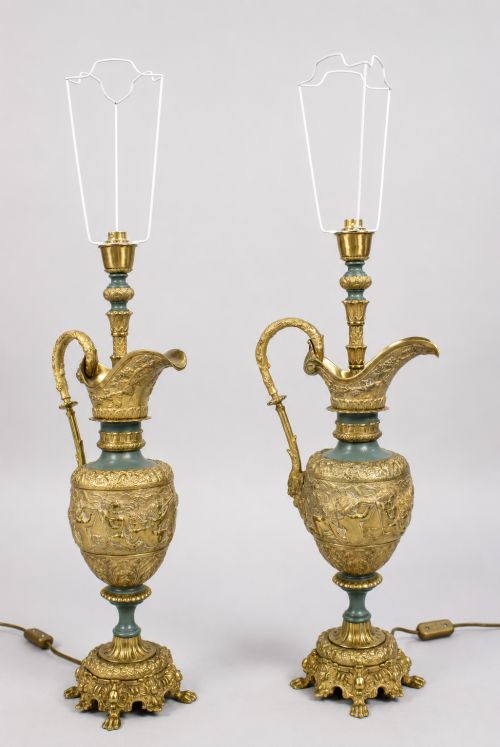
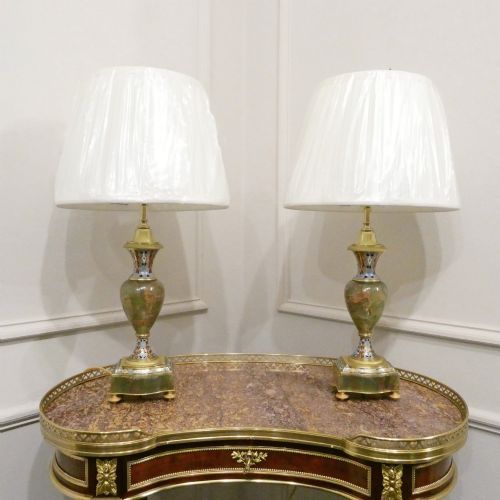
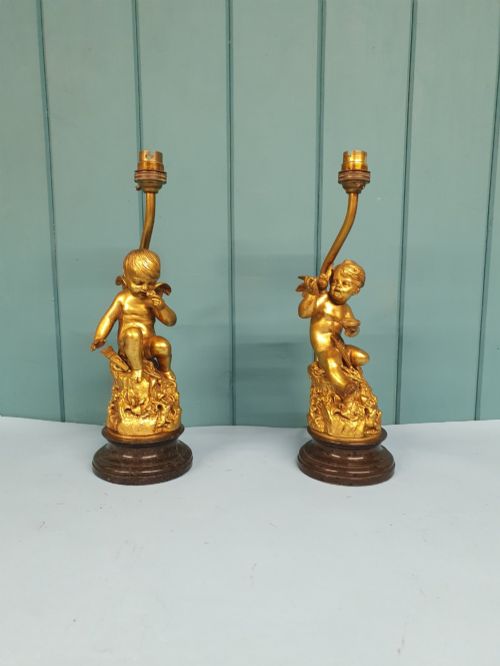
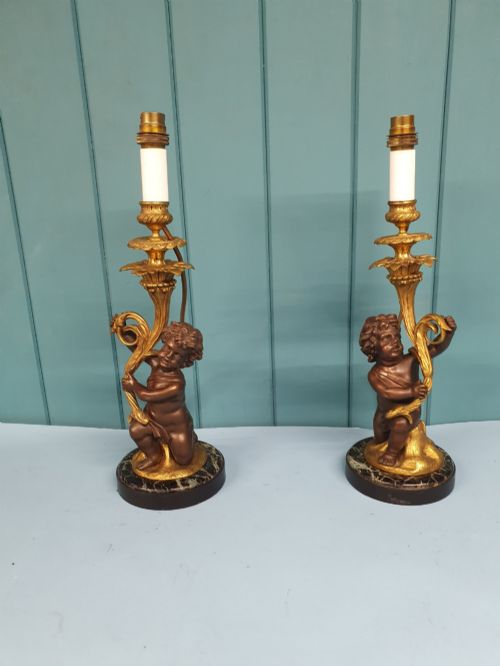
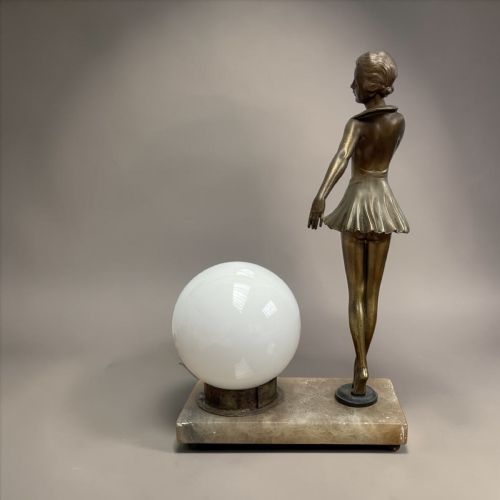
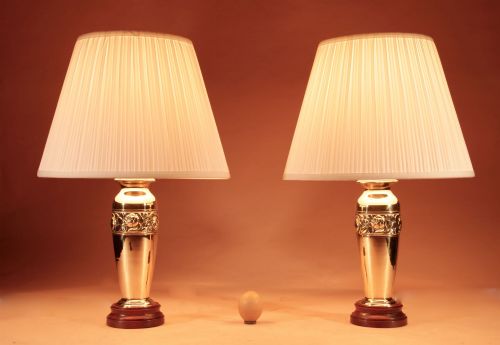
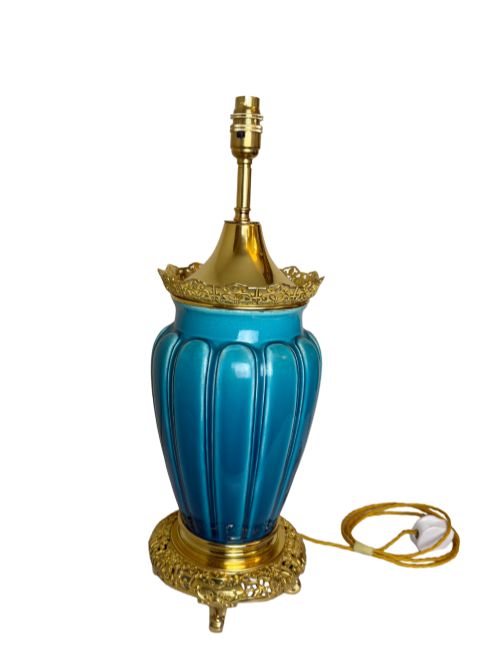
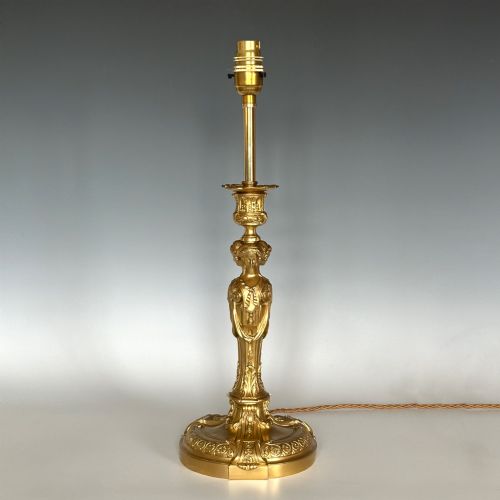
When searching for antique french bedside lamps, buyers encounter a mix of dedicated table lamps, converted candlesticks, and small surfaces intended to hold illumination near a bed. The selection includes pairs cast in brass and ormolu, alongside porcelain bodies mounted with gilt bronze trims.
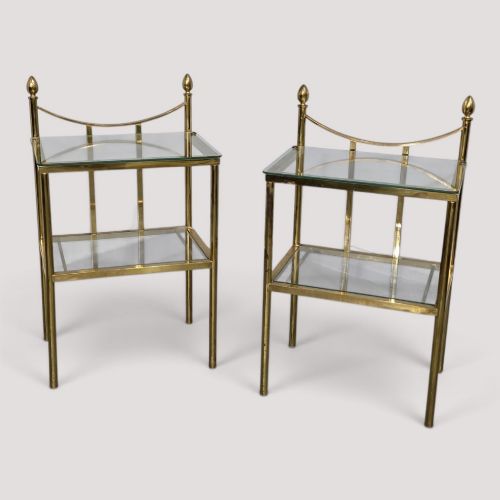
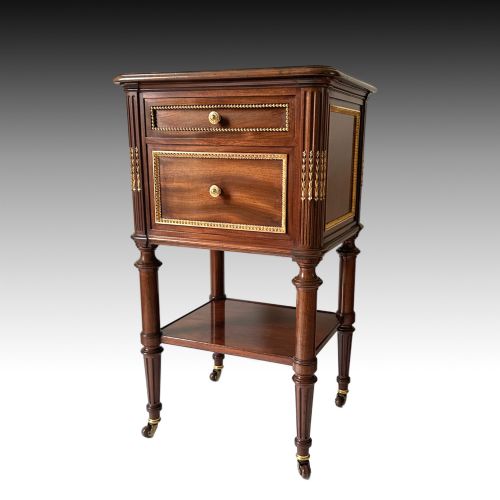
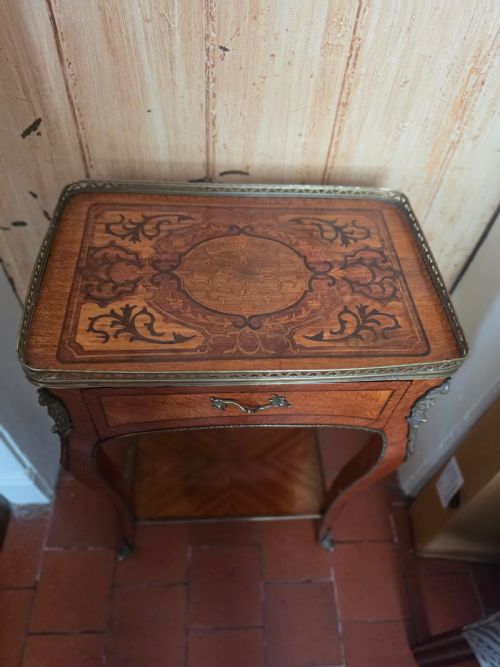
The objects span periods from the mid-nineteenth century through the Art Deco era of the 1920s and 1930s. Alongside actual lamp bodies, the listings include small bedside cabinets, lamp tables, and etageres designed to support a light source.
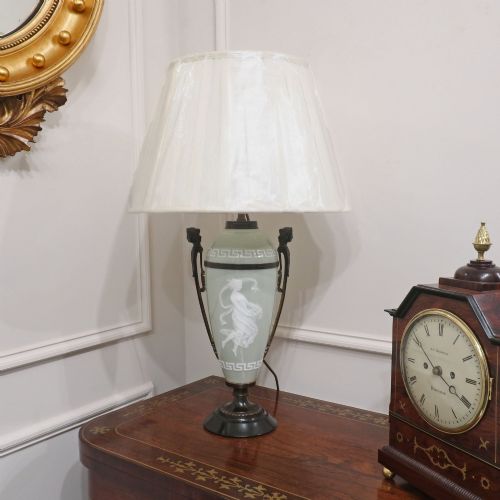
Origins trace directly to French workshops working in established idioms such as Louis XV Revival, Neoclassical, and Rococo. Buyers find both monumental ceramic urns adapted for electricity and streamlined geometric designs from the interwar period.
How they were made
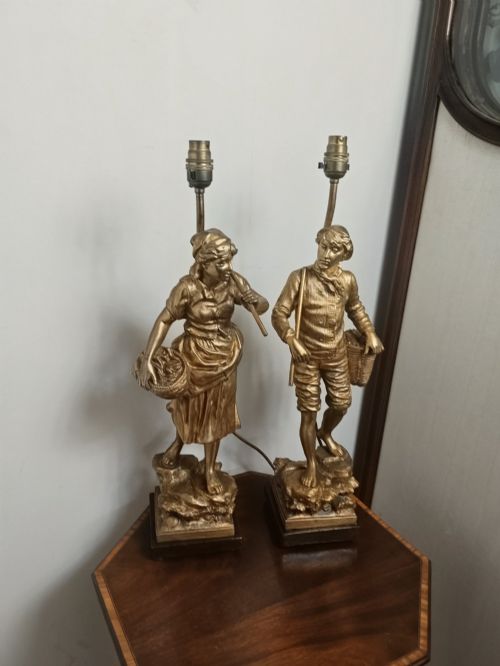
Metals form the structural core of many pieces, utilising cast brass, ormolu, gilt bronze, and copper shaped through traditional foundry methods. Ormolu mounts are frequently chased by hand to sharpen the details of foliage and figural elements before being applied to marble or wood bases.
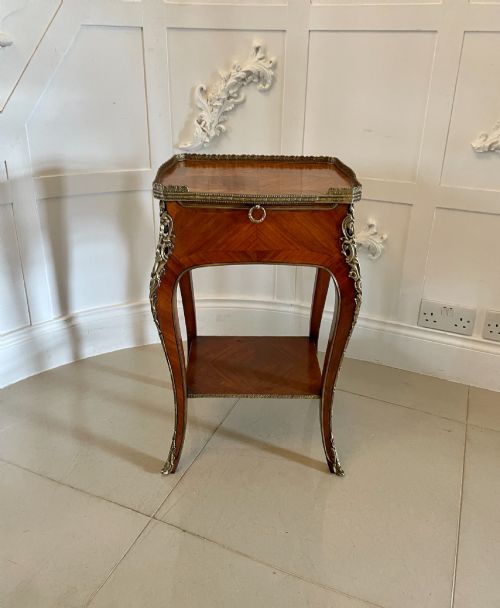
Ceramic and stone components include celadon porcelain, crackle ware, pate sur pate, and onyx paired with metal mounts. Cabinetry versions combine walnut, kingwood, fruitwood, and mahogany, often enhanced with marquetry inlay or marble tops.
Among the metal and marble lamps sits an Art Deco novelty dog and parrot table lamp from France.
What varies in quality
The standard of ciselure in the bronze and ormolu mounts dictates much of the visual success in these pieces. Sharply defined chasing and crisp casting separate refined work from softer, mass-produced commercial output.
Material selection and structural integrity also divide the range. Solid marbles, matched veneers, and substantial porcelain bodies indicate superior workshop origin compared to simpler timber frames or thinner metal stampings.
E Rousseau
The Antique French Bedside Lamps Glossary
- Ormolu
- Gilded bronze produced through a mercury amalgamation process or electrogilt methods on decorative metal objects. It provides a warm, durable golden finish to mounts and bases.
- Champleve
- An enamelling technique where troughs are dug into a metal surface and filled with vitreous paste before firing. This technique appears on decorative brass lamp bodies.
- Marquetry
- The art of applying pieces of veneer to a structure to form decorative patterns and pictorial designs. It is commonly seen on the surfaces of French bedside tables.
- Pate sur pate
- A ceramic manufacturing technique where wet porcelain slip is applied in successive layers to build up a low relief cameo effect. Pieces utilising this method display distinct white figures against a coloured ground.
- Celadon
- A term for ceramics denoting a pale green glaze resembling jade. It originates from traditional East Asian ceramic traditions adapted by European makers.
Antique French Bedside Lamps: Frequently Asked Questions
What periods do these lamps come from?
The pieces span the nineteenth century through the early decades of the twentieth century. Examples range from mid-nineteenth century porcelain urns to Art Deco designs from the 1920s and 1930s.
Maker styles frequently reference earlier reigns, including Louis XV and Louis XVI aesthetics reinterpreted by later workshops.
Are these lamps sold as pairs?
Many listings offer matched pairs, particularly those fashioned from bronze, onyx, or porcelain. Single table lamps also appear alongside small companion bedside tables.
Matching pairs often feature mirrored figural casts or identical marble bases intended for placement on opposite sides of a bed.
What materials are commonly found?
Common materials include cast brass, ormolu, gilt bronze, and various natural stones such as marble and onyx. Ceramic elements feature celadon glaze, porcelain, and crackle ware.
Cabinetry pieces incorporate walnut, kingwood, fruitwood, and mahogany, frequently paired with fabric shades and copper components.
How do lamp tables differ from bedside cabinets?
Lamp tables provide an open or simple surface designed specifically to hold a table lamp and small accessories. Bedside cabinets generally incorporate enclosed storage space with drawers or doors.
Both forms appear in French marquetry and inlaid wood constructions dating from the late nineteenth to the early twentieth century.