


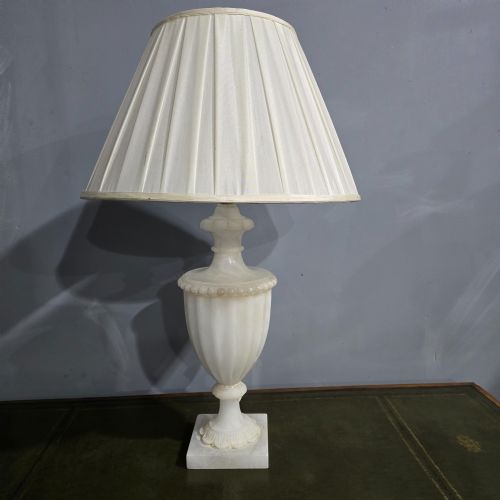


Antique Marble Accent Light
An antique marble accent light brings sculptural weight and gentle illumination to a room, combining stone bases with metal figures and glass shades.
Antique Marble Accent Light
When you search for an antique marble accent light, you encounter table lamps and night lights spanning the Victorian, Edwardian, and Art Deco periods, alongside nineteenth-century and early twentieth-century examples.
The most common versions on this page are French and Italian table lamps, which frequently pair stone bases with bronze, spelter, or brass mounts.
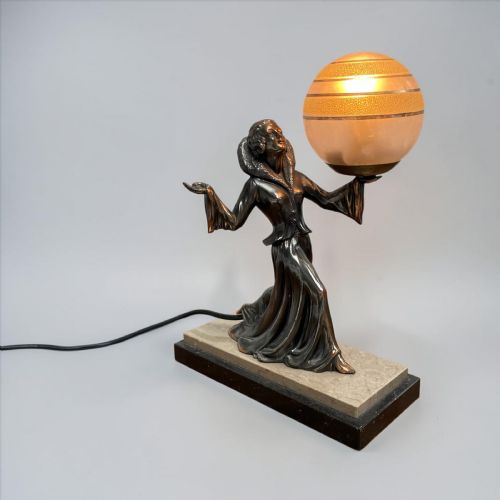
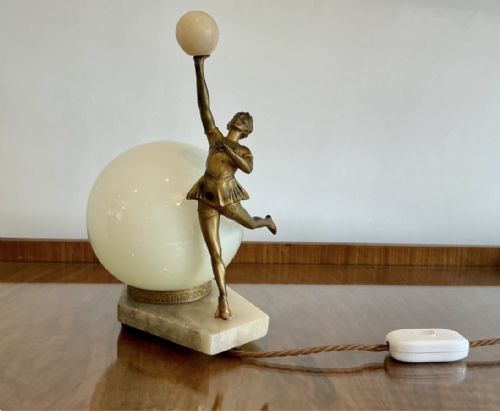
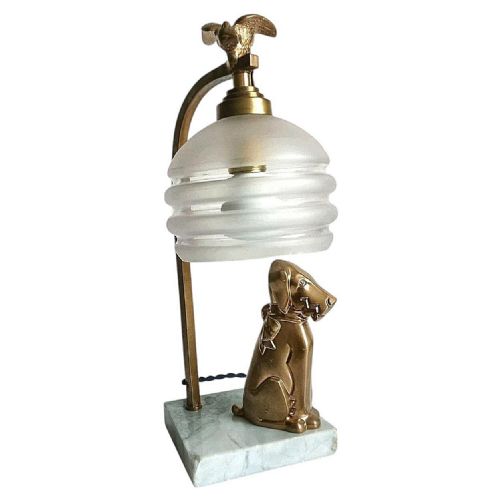
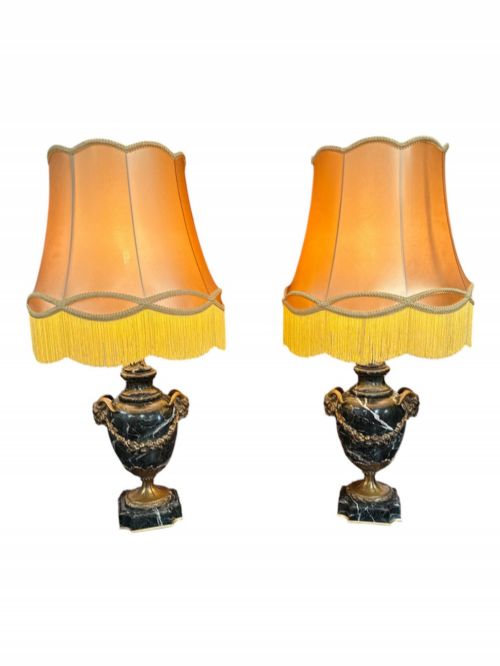
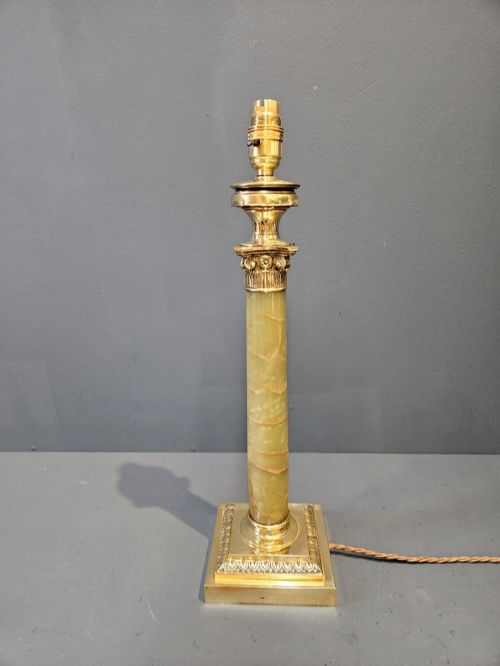
These pieces encompass figural designs featuring ladies, animals, and pierrots, as well as architectural urn lamps and simple column forms.
Materials and construction methods
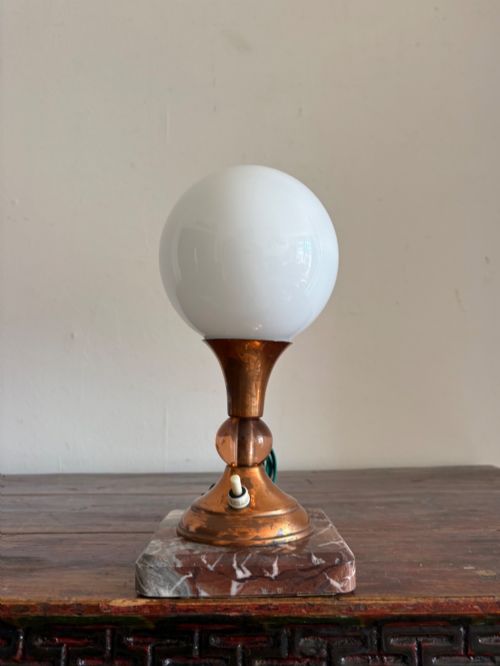
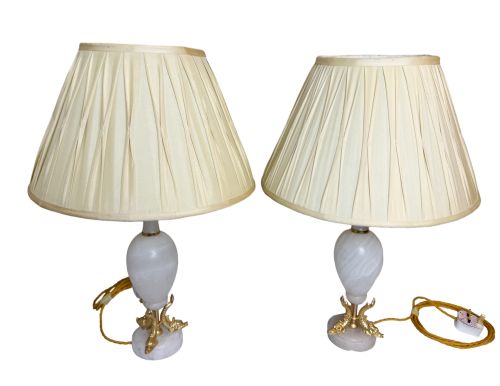
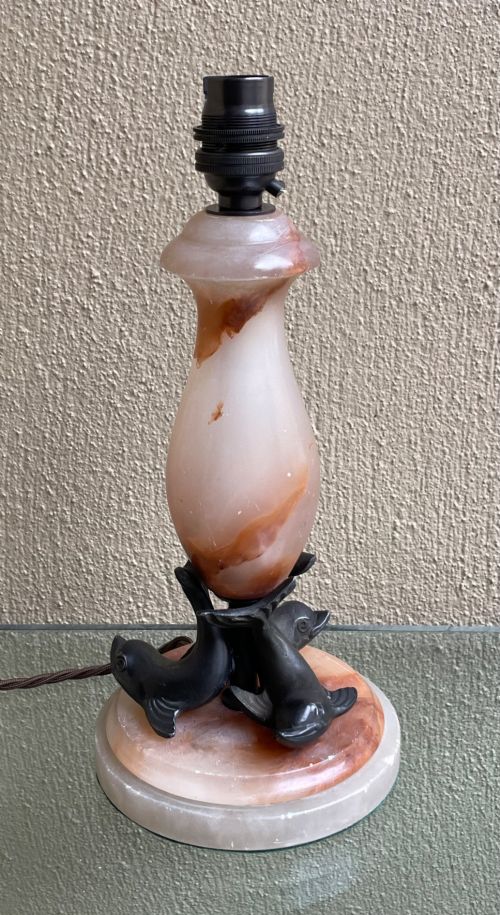
The heavy bases utilise solid marble, onyx, or alabaster, often shaped into square, stepped, or rounded plinths to support the weight above.
Metal components include cast bronze, gilt bronze, spelter, and brass, paired with glass, frosted glass, opaline, fabric, or celluloid for the shades and light-diffusing elements.
Keep an eye out for whimsical figural subjects, including a dog and parrot pairing and seagulls in flight.
Differentiating quality in stone and metal work
Quality rests in the crispness of the casting for metal figures and mounts, where finely chased bronze or spelter details retain sharp lines rather than soft edges.
The grade of the stone itself dictates visual depth, with uniform or richly veined marble and translucent alabaster offering superior tactile and aesthetic presence.
The Antique Marble Accent Light Glossary
- Spelter
- A zinc alloy commonly utilised as a substitute for bronze in decorative figures and lamp mounts. It often received bronze or gilt finishes to resemble more costly metals.
- Opaline glass
- A type of semi-translucent glass, frequently white or pastel tinted, used to soften and diffuse light in period shades.
- Alabaster
- A fine-grained, translucent stone prized for its smooth texture and ability to let light pass gently through its surface.
- Gilt bronze
- Bronze that has been coated with a thin layer of gold or gold-coloured alloy to impart a rich, reflective surface.
- Night light
- A small accent lamp designed to provide low-level illumination, often featuring figural subjects such as birds or musicians.
Antique Marble Accent Light: Frequently Asked Questions
Where should I place an antique marble accent light?
These lamps suit low-level placement on sideboards, desks, or bedside tables where their sculptural bases and gentle illumination can be appreciated at close range.
Because many function as accent lights or night lights, they provide a secondary pool of warm light rather than main room illumination.
How do I identify an Art Deco lamp?
Art Deco examples from the nineteen-twenties and thirties often feature geometric lines, stylised figural subjects like ladies or animals, and stepped marble or onyx bases.
They frequently incorporate chrome, spelter, or celluloid alongside the stone to create a sleek, modern look distinct from earlier Victorian designs.
What is the difference between marble and alabaster?
Marble is a hard, crystalline metamorphic rock known for its varied veining and solid opacity, used primarily for sturdy lamp bases and urns.
Alabaster is a softer, finer stone that possesses a distinct translucency, allowing light to diffuse directly through the material when illuminated.
Are these lamps wired for modern use?
Many period pieces retain older wiring or have been adapted over time, so checking the electrical components with a qualified professional before use is standard practice.
The original lamp holders and switches may reflect twentieth-century manufacturing standards rather than current regulations.