


Antique Framed Picture
When you search for an antique framed picture, you find centuries of wall art preserved in wood, glass and gilt.
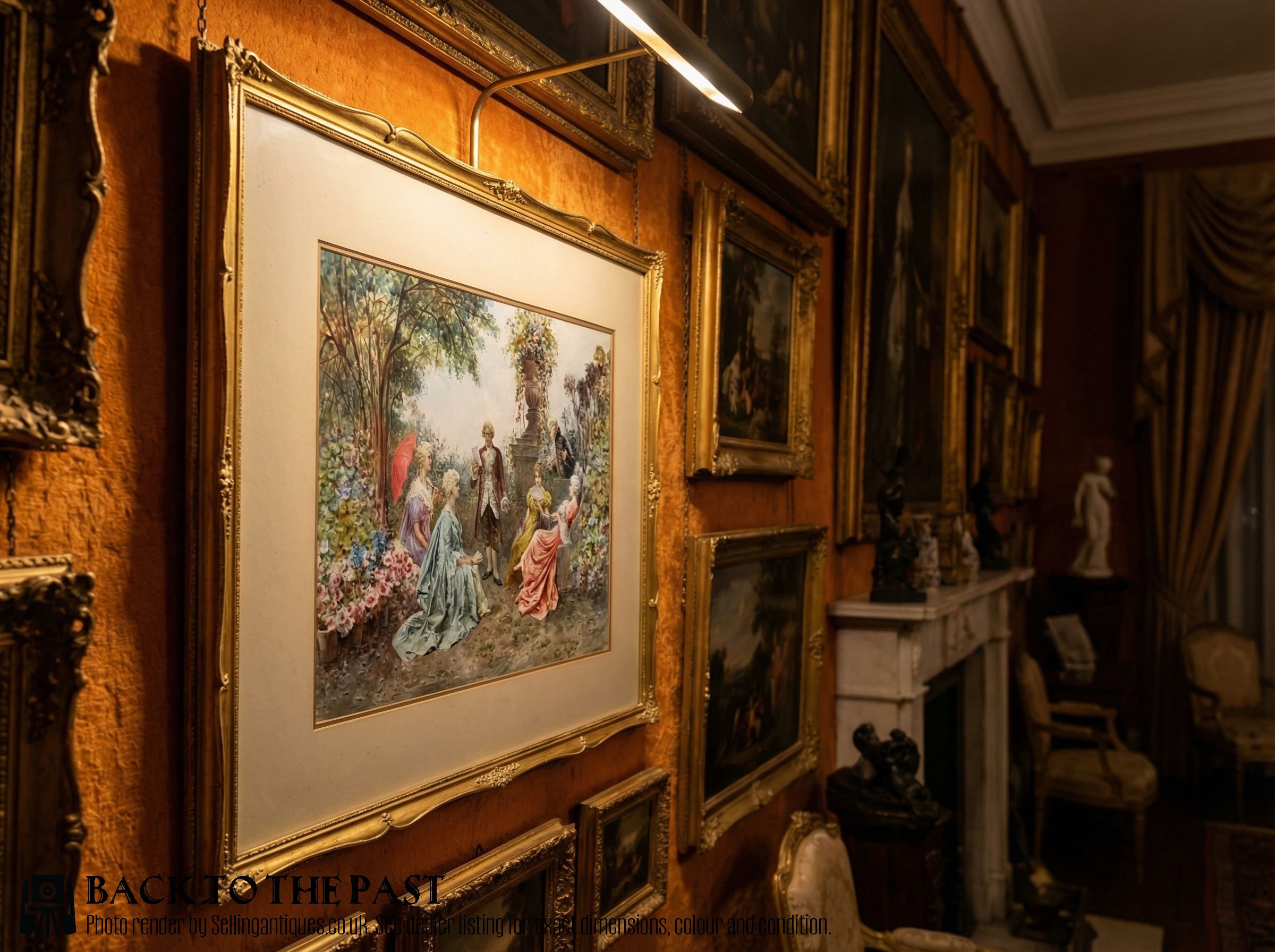
Antique Framed Picture
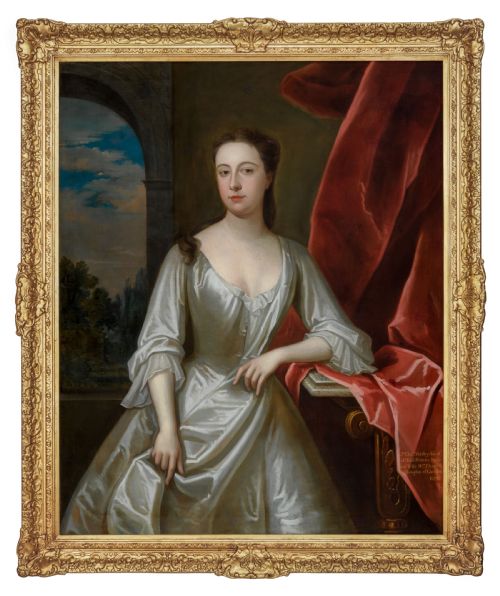
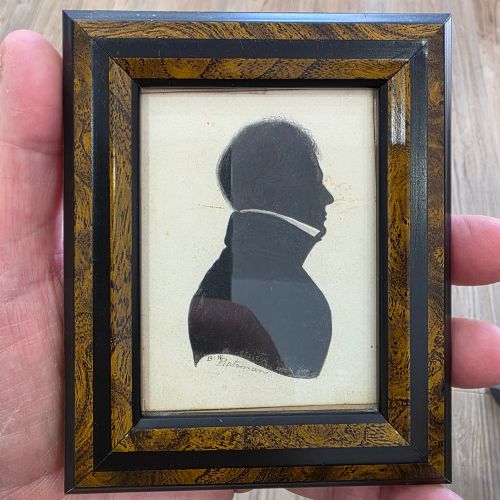
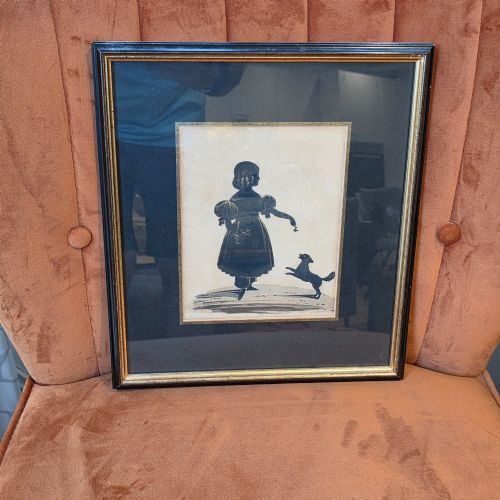
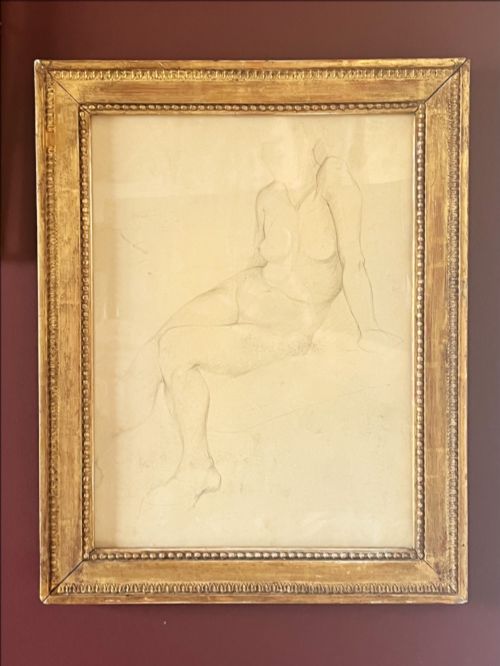
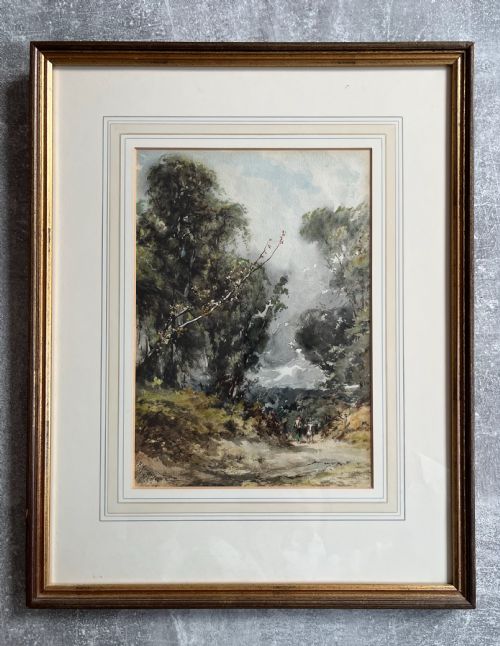
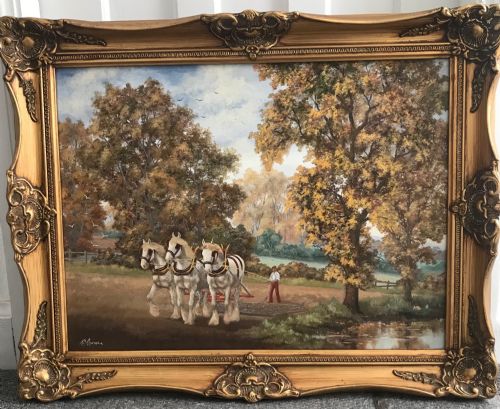
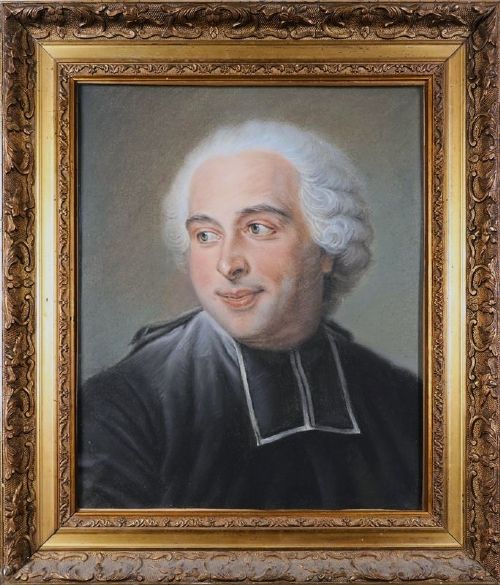
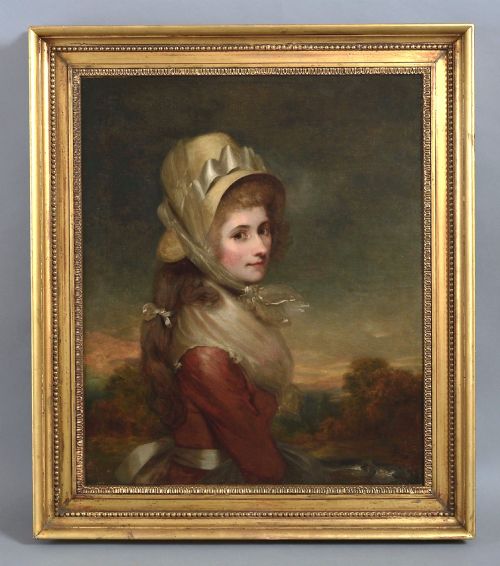
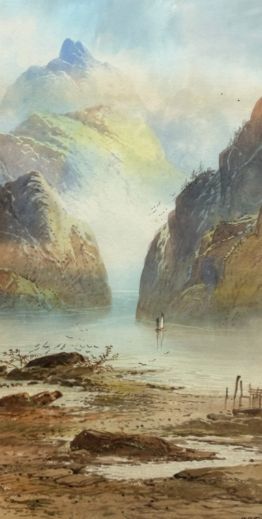
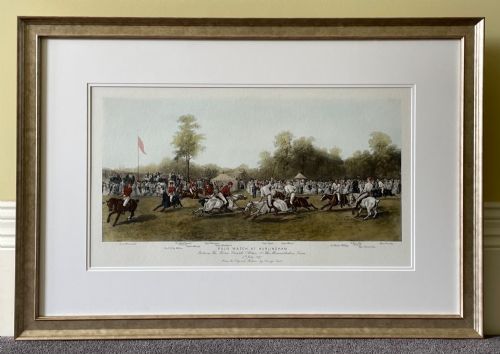
An antique framed picture covers a broad spectrum of wall art, ranging from delicate watercolours and oil paintings on canvas to hand-coloured engravings and silhouette portraits. When exploring this selection, a buyer encounters works spanning from the seventeenth century through to the mid-twentieth century.
The objects listed take several forms, including framed prints, oil paintings on wood panels, lithographs and reverse-painted mezzotints. Portraiture and landscape scenes dominate the selection, frequently presented in period mounts.
Originating largely from British and European schools, these pieces demonstrate the changing decorative tastes of the Georgian, Victorian and Edwardian eras. Each item combines historical imagery with its original or period-appropriate enclosure.
How they were made
Makers utilised traditional painting and printing techniques, applying oil paint to canvas or wood panels, and watercolours to paper. Engravings and lithographs provided reproducible art, which often received supplementary hand-colouring.
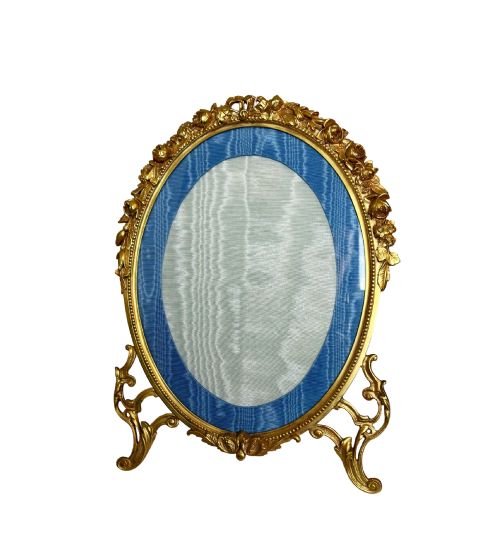
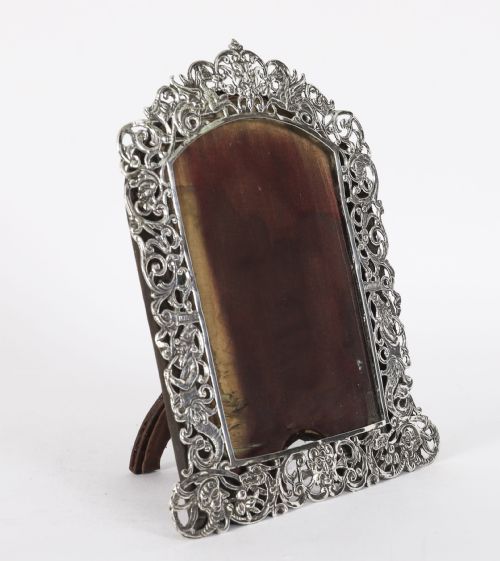
Enclosing these works involved skilled carpentry and metalwork, using carved wood, gilt bronze, sterling silver and giltwood for the frames. Glass protected the fragile paper works, watercolours and silhouettes from environmental damage.
Antique Framed Picture Retail Price Guide 2026
Typical asking prices for framed picture among the pieces listed under this phrase on Sellingantiques today, from the lower quarter to the upper quarter. They describe what is for sale here now, not the wider market.
Among the feathered subjects are a plushwork pheasant and a woolwork sailor girl keeping watch beside an array of exotic birds.
What varies in quality
The distinction between tiers rests upon the execution of the artwork itself, separating masterly portraiture or fine landscape detail from rudimentary production. Original signed works by documented artists command greater interest than anonymous reproductions.
Frame construction also dictates overall merit, as heavy hand-carved giltwood or hallmarked metal housings reflect superior craftsmanship compared to simpler decorative borders. The preservation state of the underlying paper or canvas influences the desirability of the piece.
Sir Godfrey Kneller·William James Hubard·George Fotherly Hargitt·Maurice Quentin de la Tour·Sir Martin Archer Shee·William Henry Earp·Sir Anthony van Dyck·Sebastiaan Vrancx·Sir Peter Lely·Henry Stacy Marks·John Hassall·Sir William Nicholson·Charles Spooner·Alfred Fontville de Breanski Jr
The Antique Framed Picture Glossary
- Mezzotint
- A printmaking process where the copper plate is roughened to allow uniform retention of ink, producing subtle gradations of tone. Reverse glass variants involve painting directly onto the glass.
- Silhouette
- A portrait profile filled in with a solid colour, typically black, cut from paper or painted. Examples in the evidence feature delicate watercolour additions and gilt highlights.
- Lithograph
- A planographic printing method using a stone or metal plate, enabling the reproduction of illustrations and artistic prints. Many examples from the nineteenth and twentieth centuries utilise this technique.
- Giltwood
- Wood that has been coated with a thin layer of gold leaf or gilt powder. This finish appears frequently on decorative frames from the Baroque and Victorian periods.
- Pietra dura
- An artistic technique using cut and fitted polished coloured stones to create geometric or figurative designs. This method produces durable pictorial mosaics.
Antique Framed Picture: Frequently Asked Questions
How do I hang a heavy framed antique?
Heavy frames require secure wall fixings suited to the weight of the wood, bronze or silver housing. Utilising professional picture hooks screwed into wall studs prevents structural damage.
Position the picture at eye level to ensure proper balance within the room. Avoid hanging pieces in direct sunlight to protect vulnerable watercolours and oil pigments.
Are these frames original to the artwork?
Many works retain their original or period-appropriate frames, particularly pieces housed in designated Victorian or Georgian surrounds. Over the centuries, however, owners occasionally swapped frames to match changing interior aesthetics.
Inspect the joinery and backing materials to gauge the age relationship between the picture and its housing. Expert dealers often note whether a frame is contemporaneous with the artwork.
How should I clean antique glass and frames?
Dust frames gently with a soft, dry brush to preserve fragile giltwood or metallic surfaces. Avoid commercial liquid cleaners on carved wooden surrounds, as moisture causes degradation.
Clean the glass sparingly with a microfibre cloth, spraying the cloth rather than the glass to prevent liquid seeping behind the frame edge. This protects delicate paper, watercolours and silhouettes from moisture damage.
Can I identify the period from the frame style?
Frame styles offer strong chronological indicators, reflecting the dominant design movements of their creation date. Heavy acanthus leaf decoration and ornate moulding typically point towards Victorian or Baroque revivals.
Simpler profiles often align with Georgian sensibilities or later twentieth-century minimalism. Comparing the frame construction details with the medium of the artwork helps confirm the overall era.