



Antique Framed Medallions
Antique framed medallions bring classical sculpture and portraiture into domestic rooms, capturing centuries of travelling taste.
Antique Framed Medallions
When you search for antique framed medallions, you encounter miniature reliefs, intaglios, and portraits mounted for display on walls. These pieces originate predominantly from the eighteenth and nineteenth centuries, often associated with the Grand Tour travels across Europe.
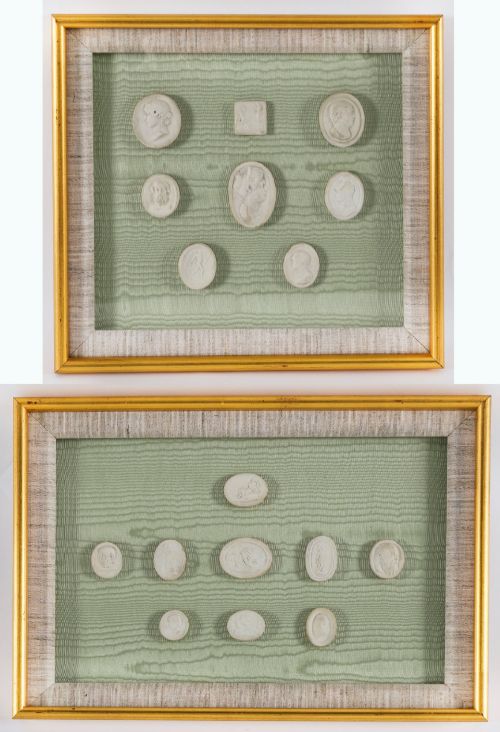
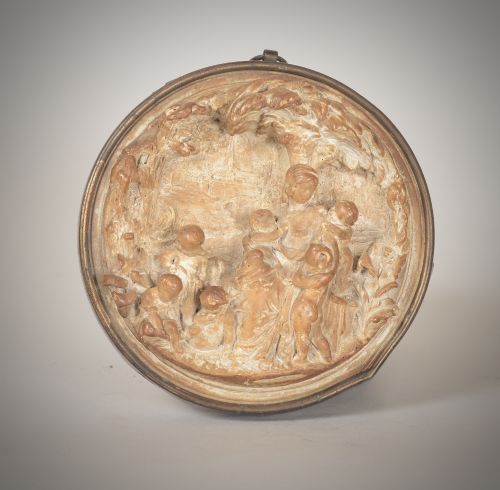
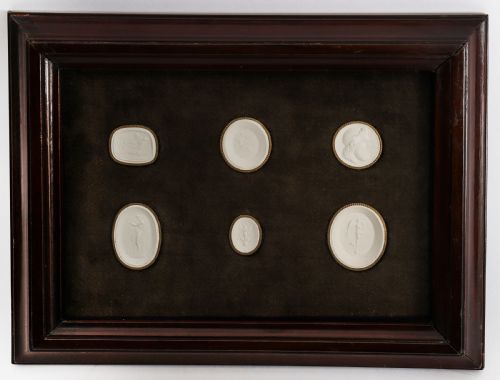
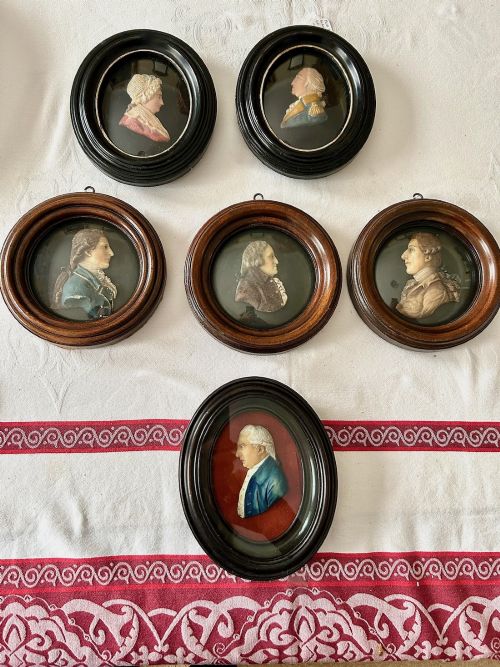
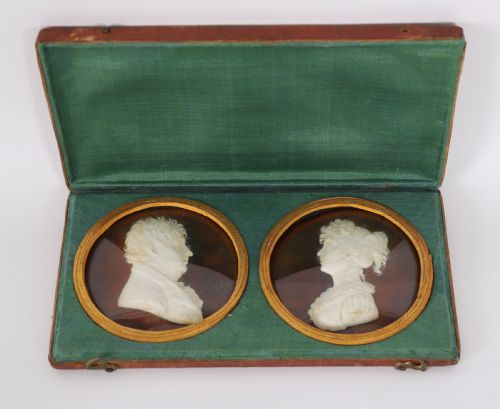
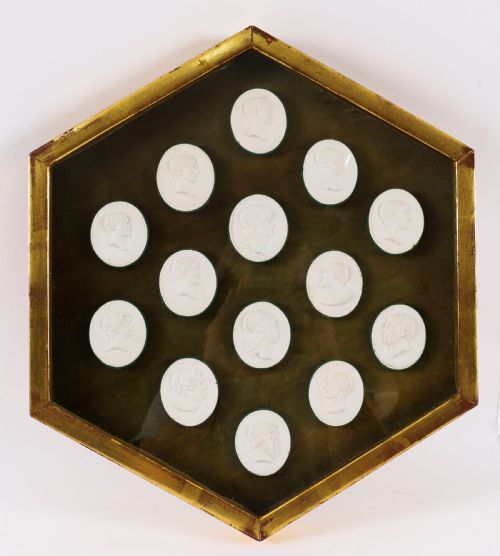
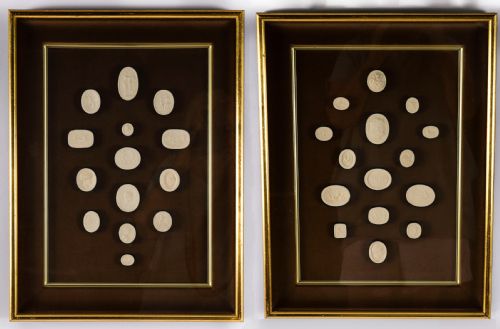
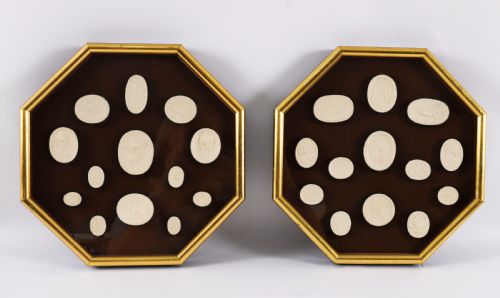
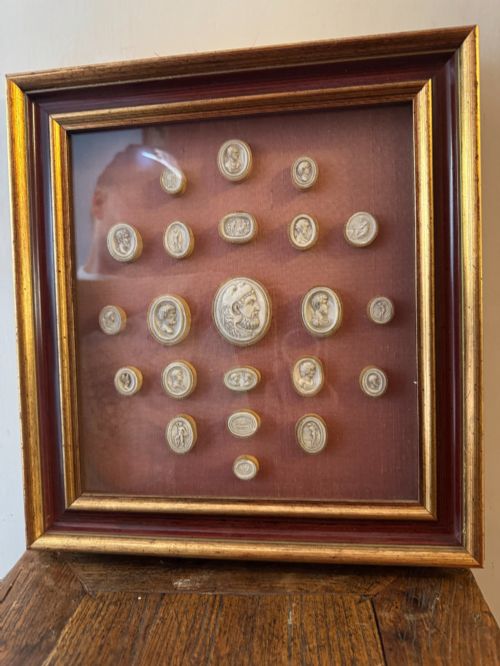
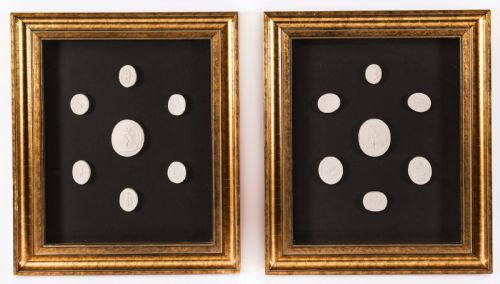
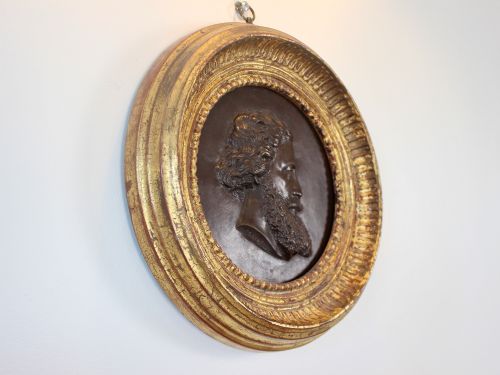
The most common forms on this page include framed collections of plaster, gypsum, or wax casts reproducing ancient gems and classical sculptures. You also find individual bronze plaques, enamel portraits, and Wedgwood jasperware cameos secured behind glass in wood or giltwood frames.
How they were made
Plaster, wax, and glass paste provided the primary substances for casting classical intaglios and cameo profiles from moulds taken of antique originals. Makers arranged these casts neatly on velvet backings inside timber or giltwood boxes and frames.
Metal plaques relied on bronze casting and enamel work, frequently mounted in brass or turned mahogany surrounds. Portrait miniatures utilised painted surfaces on materials such as agate and porcelain, secured within fitted metal frames.
Certain sets preserve the neat handwritten inventory numbers placed by Grand Tour travellers beside each tiny plaster head.
What varies in quality
The crispness of the cast defines the upper tier of plaster and wax intaglios, where sharp details preserve the look of the original carved gem. Lesser examples show softened edges and loss of definition from worn moulds.
Framing and mounting standards distinguish workshop output, as bespoke giltwood or velvet-lined enclosures elevate simple plaster casts into substantial decorative works. Mass-produced or later assembled sets lack the precise organisation seen in period souvenir collections.
Giovanni Liberotti·Pietro Bracci·MAINFROY·Henry Pierce Bone
The Antique Framed Medallions Glossary
- Intaglio
- A gem or cast carved into the surface so the design sits below the plane. These were utilised to press seals into wax.
- Grand Tour
- An eighteenth and nineteenth century travel itinerary through France and Italy undertaken by wealthy young Europeans. Travellers collected souvenirs such as plaster casts and carved cameos.
- Cameo
- A method of carving where the design is raised above the background. These appear in shell, stone, glass paste, and plaster.
- Plaster cast
- A reproduction made by pouring liquid plaster into a mould. Eighteenth and nineteenth century workshops produced extensive sets of classical sculptures in this medium.
- Jasperware
- A fine stoneware developed by Josiah Wedgwood featuring a contrasting coloured background and applied white reliefs. Neoclassical motifs dominate these pieces.
Antique Framed Medallions: Frequently Asked Questions
What are grand tour medallions?
Grand tour medallions are miniature plaster, wax, or stone casts collected by travellers visiting classical sites in Italy during the eighteenth and nineteenth centuries.
Craftsmen arranged these small reliefs inside custom frames to document famous sculptures and ancient gems for display at home.
How were framed medallions displayed?
These pieces hung on walls as decorative art or rested on tables in specialised box frames lined with velvet.
Collections were often mounted together in grid patterns to showcase classical sculpture knowledge.
Are wax portraits fragile?
Wax portrait reliefs require careful environmental control because high heat causes the material to soften or distort.
Frames with glass protection shielded the delicate wax surfaces from dust and direct contact.
How do I date plaster intaglios?
Dating relies on the style of the mounting frame, the type of backing velvet or paper, and historical workshop labels.
Early nineteenth century sets typically feature neat handwritten identification lists and turned wooden or gilt frames.