
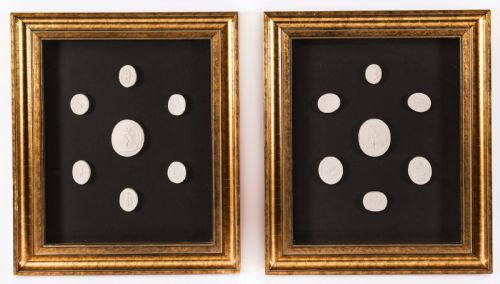


Classical Plaster Reliefs
Classical plaster reliefs bring the sculpted grandeur of antiquity straight to your walls, offering centuries of neoclassical artistry for the collector.
Classical Plaster Reliefs
Classical plaster reliefs encompass wall plaques, framed artworks, and intaglios created across the eighteenth, nineteenth, and early twentieth centuries. These pieces draw heavily on neoclassical, Italian Baroque, and Renaissance revival styles, reflecting the enduring European fascination with ancient art.
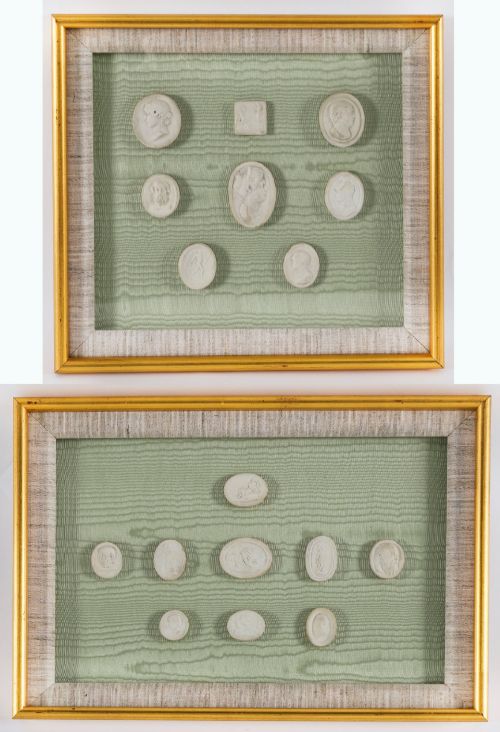
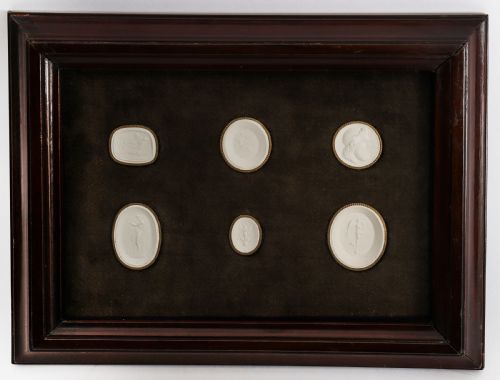
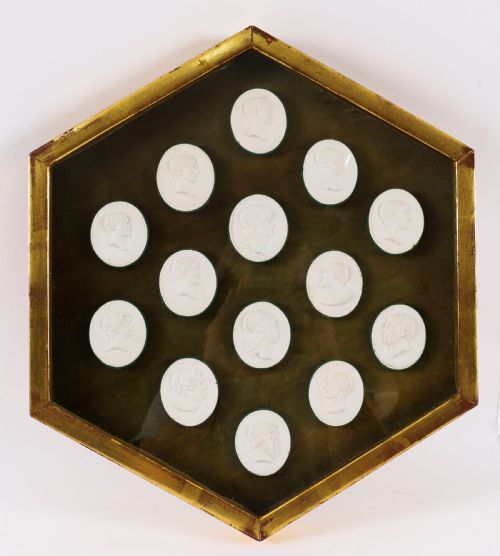
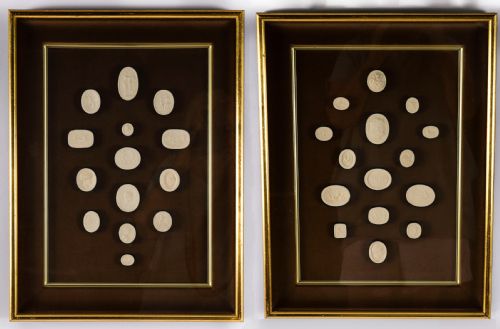
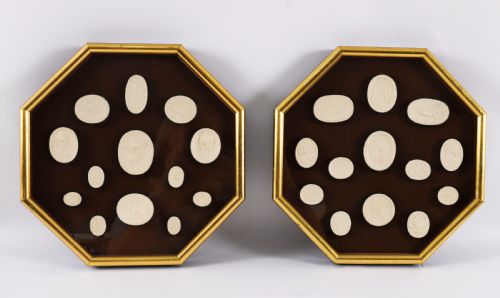
Buyers on this page are most likely to encounter framed grand tour plaster intaglios and wall plaques originating from the nineteenth century. Makers and creators utilised plaster, marble dust, and glass, often housing these detailed casts inside giltwood, wood, and velvet-lined frames.
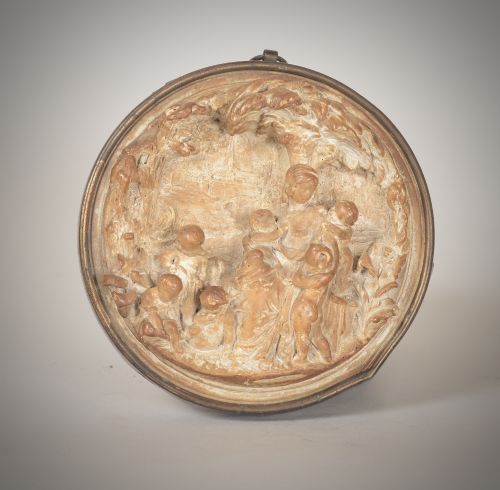
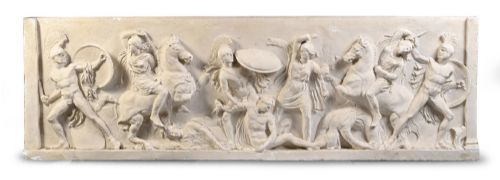
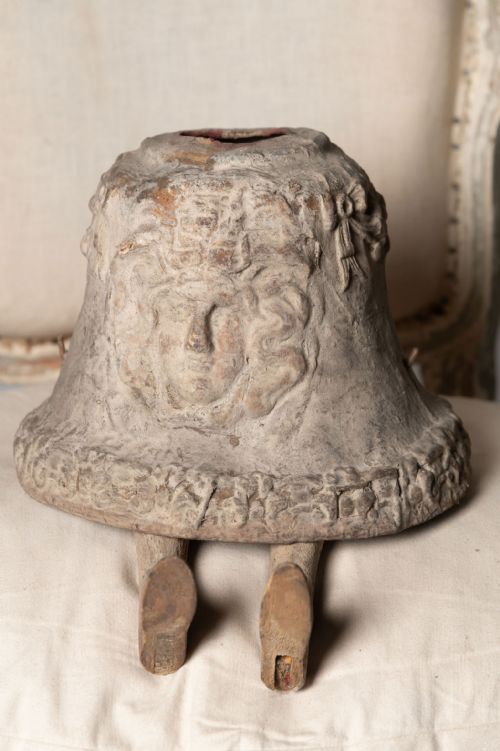
The selection ranges from single framed panels and theatrical props to extensive sets of arranged medallions and large winged cherub wall friezes. Pieces span French, Italian, and German origins, capturing historical subjects such as the Amazonmachy and mythological figures.
How they were made
Plaster and marble dust serve as the primary casting materials, capturing intricate details of classical figures and architectural motifs. Artisans poured these mediums into moulds derived from ancient sculptures and grand tour collections.
Makers mounted the finished reliefs within wooden and giltwood frames, frequently backing them with fabric, velvet, or glass to protect the fragile surfaces. Gold leaf and gilt details were applied to enhance the visual depth of the surrounding frames.
Current listings feature nineteenth-century plaster reliefs and intaglios alongside eighteenth-century wall friezes and early twentieth-century marble dust casts.
What varies in quality
Quality rests upon the crispness of the cast and the intricacy of the modelling, distinguishing master workshops from standard commercial output. The subtlety of the relief work determines how well anatomical details and drapery are rendered.
The preservation and quality of the framing materials, such as genuine giltwood and aged velvet backing, elevate the presentation of individual intaglios and sets. Comprehensive provenance attached to known makers adds historical significance to the artwork.
Giovanni Liberotti·Pietro Bracci·Donatello
The Classical Plaster Reliefs Glossary
- Intaglio
- A design carved into a material so that the impression rises above or sinks below the surface, commonly cast in plaster for grand tour collections.
- Grand Tour
- A traditional journey of Europe undertaken by upper-class European young men of means, resulting in the collection of classical art and plaster casts.
- Neoclassical
- A Western cultural movement drawing on the art and culture of classical antiquity, heavily influencing nineteenth-century plaster reliefs.
- Giltwood
- Wood carved and covered with a thin layer of gold leaf or gold paint, frequently used for framing antique wall plaques.
- Frieze
- A broad horizontal band of sculpted or painted decoration, seen in large plaster wall pieces depicting cherubs or mythological scenes.
Classical Plaster Reliefs: Frequently Asked Questions
What are classical plaster reliefs?
Classical plaster reliefs are sculptural wall artworks and intaglios cast from plaster or marble dust, echoing ancient motifs. They capture historical and mythological subjects popular during the eighteenth and nineteenth centuries.
Collectors prize them for their miniature detail and direct link to the grand tour tradition of European travel and education.
How were grand tour reliefs used?
Travellers collected these plaster casts as portable studies of classical sculpture encountered during their travels across Italy and Europe. They served as scholarly records and decorative art pieces for private studies and drawing rooms.
Framed sets allowed owners to display dozens of miniature classical sculptures together in an orderly cabinet or wall arrangement.
How do I date an antique plaster relief?
Dating relies on examining the framing techniques, materials, and associated paperwork or signatures from known makers like Giovanni Liberotti or Pietro Bracci. Nineteenth-century pieces often feature specific wooden framing styles, hand-cut glass, and aged velvet backings.
Stylistic cues such as neoclassical revival designs or specific references to historical sculptors also help establish the era of creation.
How should I hang framed plaster reliefs?
Framed plaster reliefs and intaglios require secure wall fixings suited to the weight of the wood, glass, and plaster contents. Position them away from direct sunlight and excessive moisture to protect the delicate plaster surface and velvet backing.
Group smaller framed intaglios together to recreate the traditional gallery arrangements seen in historic collections.