


Framed Grand Tour Art
Framed grand tour art brings home the classical landscapes, architectural watercolours and plaster intaglios collected by travellers across Europe.
Framed Grand Tour Art
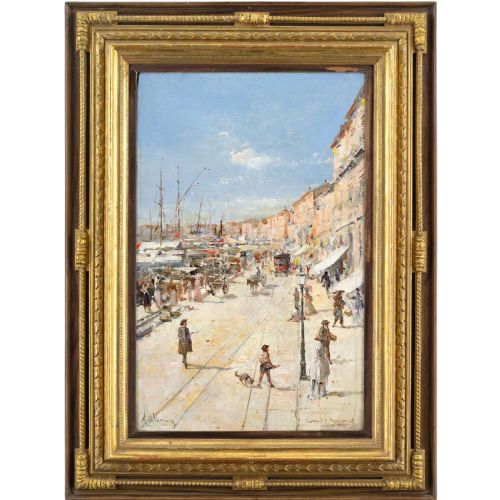
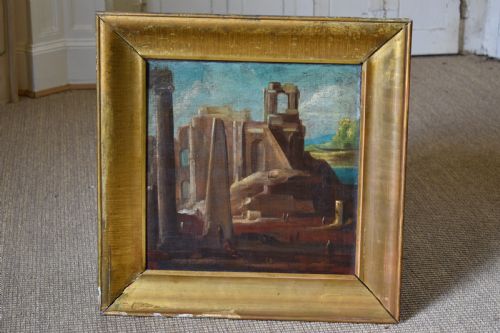
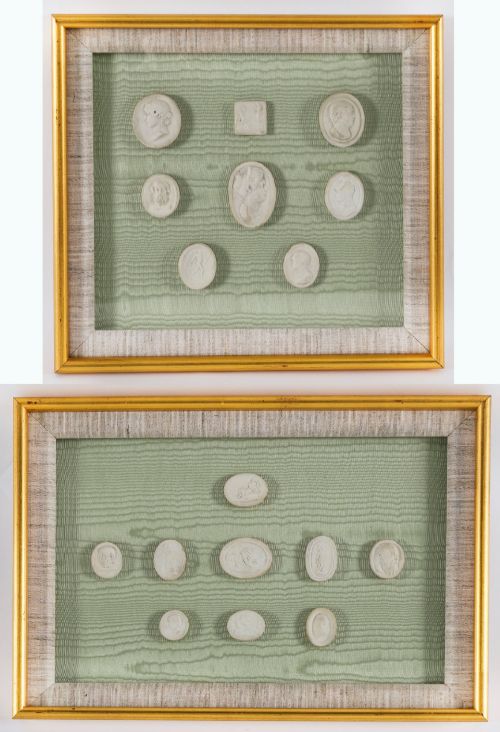
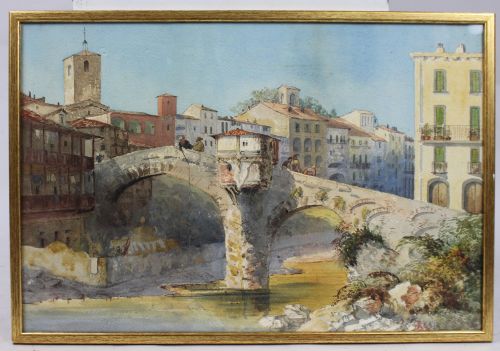
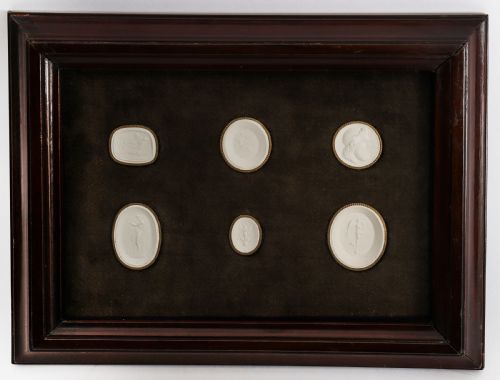
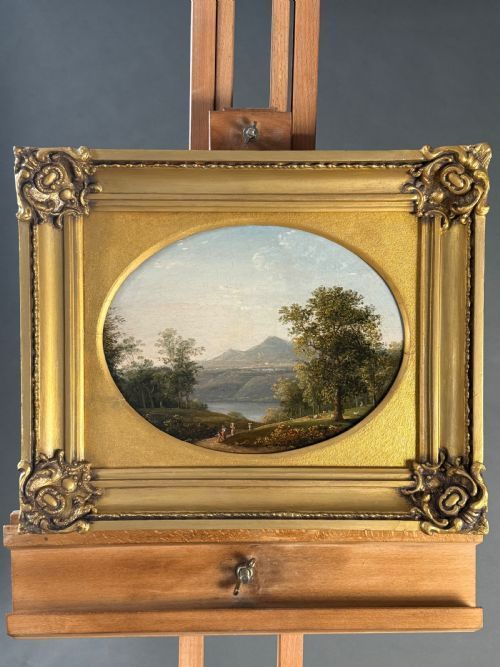
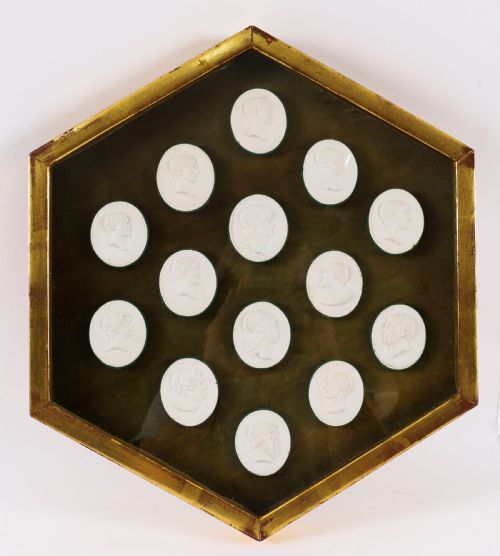
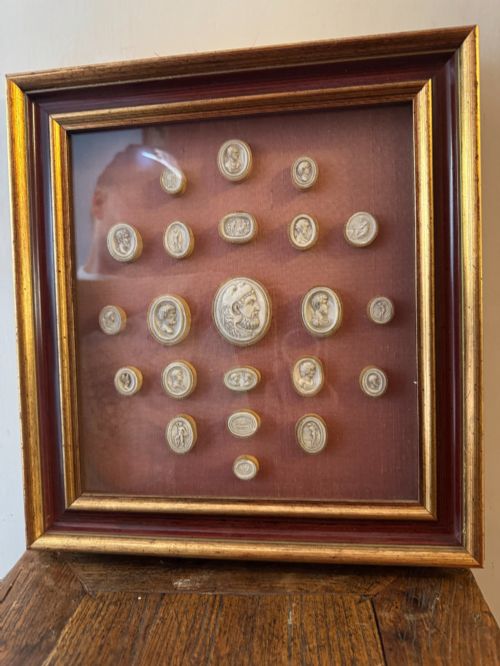
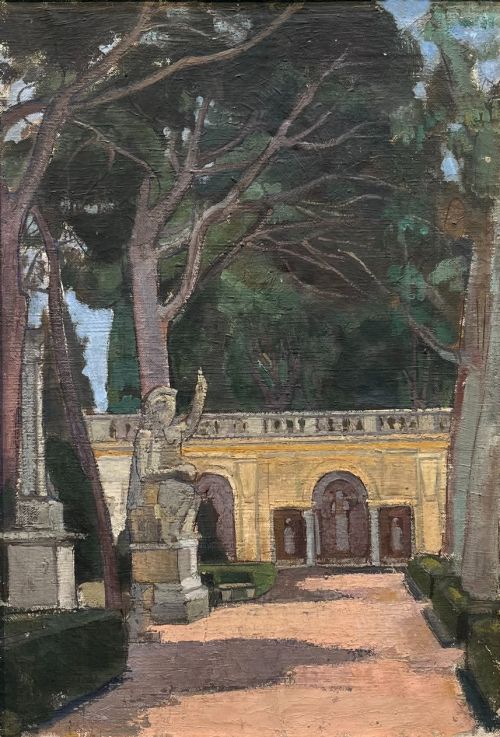
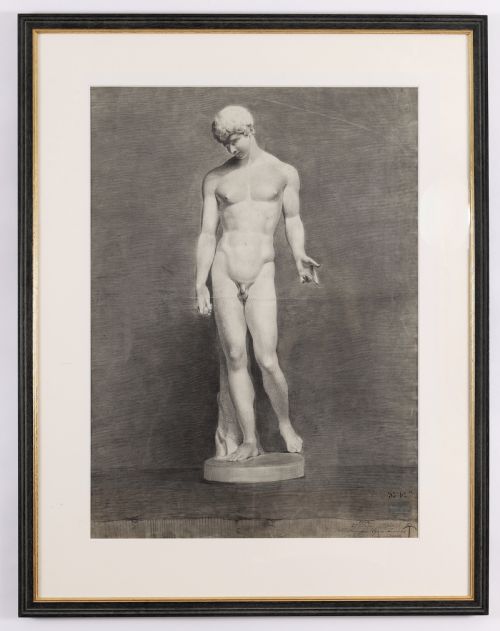
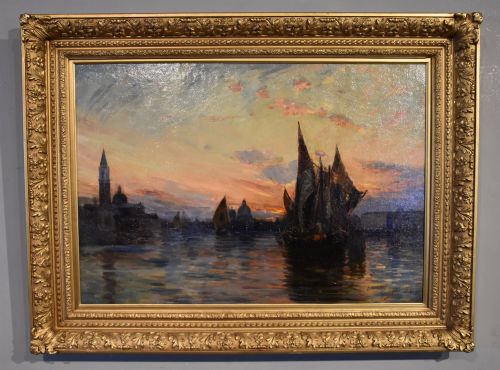
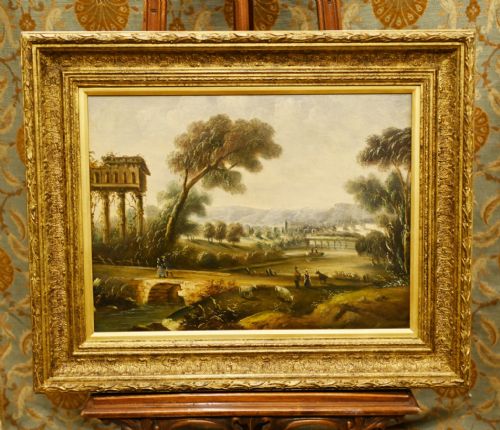
When you search for framed grand tour art, you encounter mementos brought back by travellers from their journeys through Italy and other European cultural centres. These works primarily take the form of oil paintings, watercolours, prints, drawings and framed sets of plaster intaglios or cameo collections. The pieces on this page span the eighteenth, nineteenth and early twentieth centuries, reflecting the enduring appeal of classical antiquity and Italian scenery.
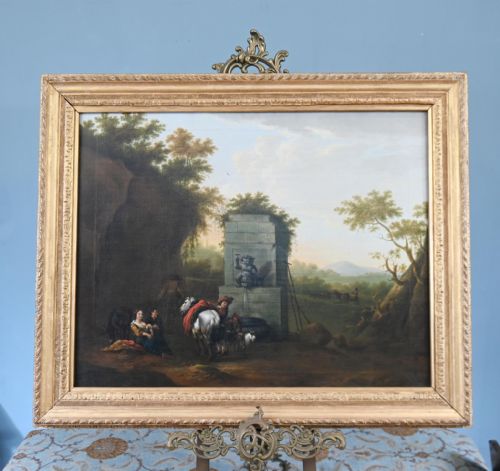
You will frequently find landscapes featuring ruins, Venetian canal scenes and architectural studies alongside arranged collections of classical casts. Painters and printmakers captured the Forum, the Roman Campagna and famous monuments to satisfy the demand of visitors recording their travels. These items arrived home preserved in wood, giltwood and ebonised frames suited to their classical subjects.
Materials and techniques
The physical objects rely on traditional artistic mediums including oil on canvas, watercolour on paper, and detailed engravings or etchings. Painters layered oils or applied washes of watercolour to depict Mediterranean light and classical ruins. Plaster, gypsum and paper were utilised for intaglios, cameos and prints, often mounted in symmetrical arrangements within glazed wooden frames.
Makers shaped the presentation using gilt wood, ebonised timber and glass to protect delicate works on paper and plaster casts. Intaglios were cast from classical gems and arranged on velvet or backing boards inside moulded frames. Engravings and prints were pulled from copper plates and hand-coloured to mimic original watercolours.
The listings demonstrate a strong preference for paper, glass, wood, oil on canvas, giltwood, watercolour and plaster across the eighteenth and nineteenth centuries.
Distinctions in quality
Quality rests upon the execution of the hand, whether in the confident brushwork of an oil painting or the crisp definition of a plaster intaglio cast. Pieces produced by skilled artists or established workshops display superior perspective, tonal depth and anatomical accuracy in classical figures. Arranged intaglio collections depend on the neatness of their mounting and the sharpness of the individual impressions.
The framing also distinguishes the pieces, with period giltwood and ebonised surrounds adding significantly to the character of the artwork. Intact sets of intaglios without missing casts command greater appreciation from collectors. The specificity of the subject, such as a named Roman monument or a signed watercolour, elevates the piece above generic souvenir art.
Augusto Alberici·Jacob Philipp Hackert·Giovanni Liberotti·Pierre Buillon·Henri Chatillon·Vittore Zanetti Zilla
The Framed Grand Tour Art Glossary
- Intaglio
- A design carved into a material or cast in relief, commonly made from plaster or gypsum during the grand tour period. These miniature classical motifs were frequently mounted in framed collections.
- Capriccio
- An architectural painting or etching combining buildings, ruins and other architectural elements in a fictional fantastical arrangement. Artists used this style to celebrate classical Italian scenery.
- Micromosaic
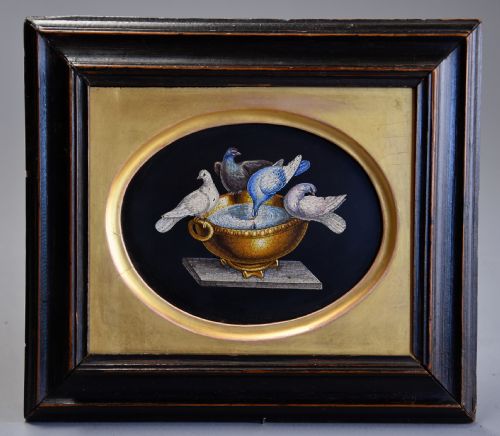
- A detailed picture assembled from tiny coloured glass tesserae, often depicting famous sights like the Doves of Pliny. These plaques were set into frames or jewellery.
- Giltwood
- Wood carved and coated with gold leaf or gold paint, frequently utilised for nineteenth-century picture frames. It provides the reflective border typical of classical art displays.
- Etching
- A printmaking technique where lines are bitten into a metal plate with acid before ink is applied and transferred to paper. This method allowed artists to produce detailed architectural prints for travellers.
Framed Grand Tour Art: Frequently Asked Questions
What is grand tour art?
Grand tour art encompasses the paintings, prints, watercolours and plaster casts acquired by wealthy travellers touring European cultural sites during the eighteenth and nineteenth centuries.
These pieces served as physical records of educational journeys through Italy, focusing on classical ruins, Venetian canals and ancient sculpture.
How were intaglio sets displayed?
Plaster and gypsum intaglios were arranged systematically inside glazed wooden frames, often on velvet backgrounds, to mimic cabinet collections of ancient carved gems.
Travellers purchased these framed panels as portable museums celebrating classical mythology and archaeology.
How do I date a grand tour painting?
Dating relies on stylistic evidence, signatures, artist records, and the construction methods of the frame and backing materials.
Nineteenth-century works often show romantic or topographical interpretations of Italian landscapes, while eighteenth-century pieces lean towards neoclassical formality.
Where should I hang these pieces?
These framed artworks suit studies, libraries and living spaces where their classical subjects and period frames can be viewed closely.
Because watercolours and paper prints are sensitive to light, placement away from direct sun exposure protects the pigments.