

Antique Footed Fruit Bowl
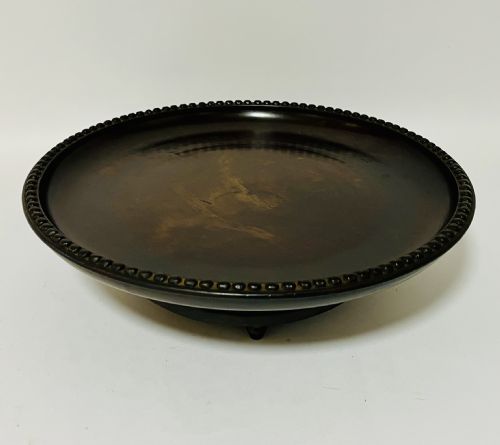
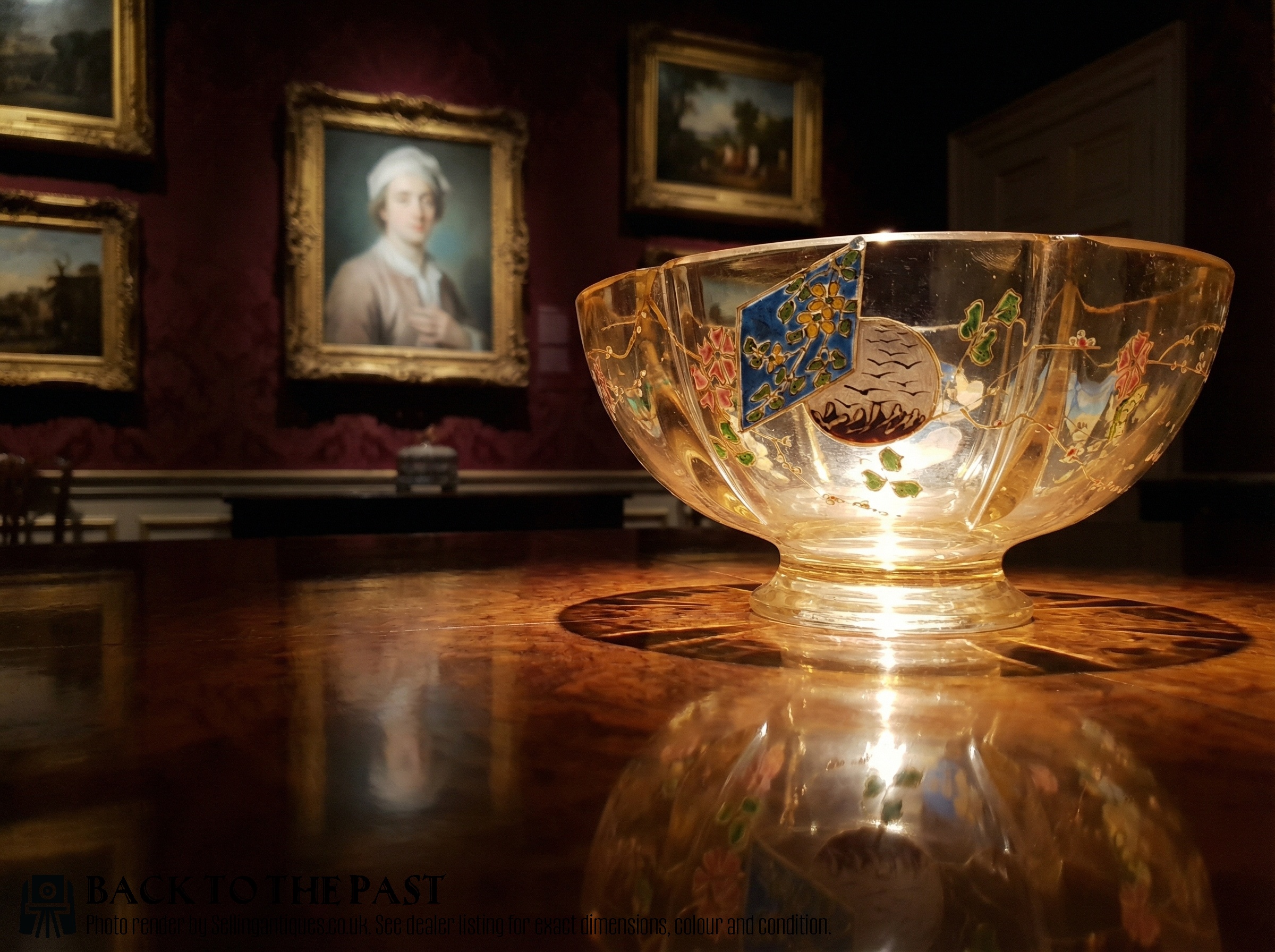
An antique footed fruit bowl elevates a dining table or sideboard, combining practical service with periods like the Georgian and Victorian eras.
Antique Footed Fruit Bowl
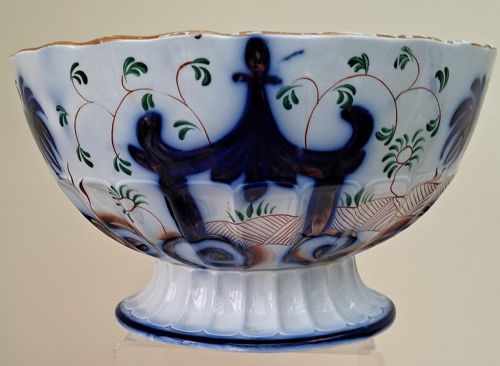
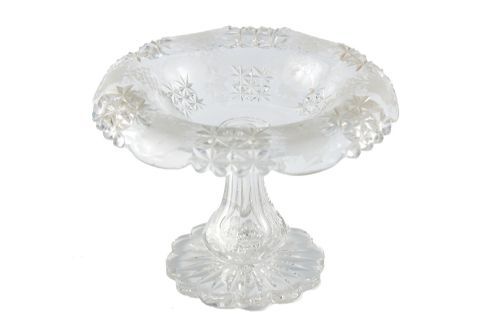
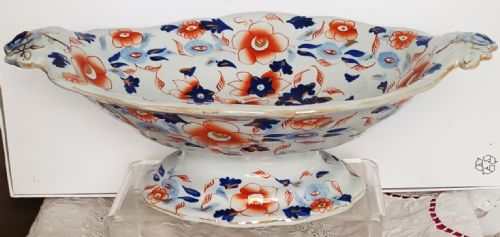
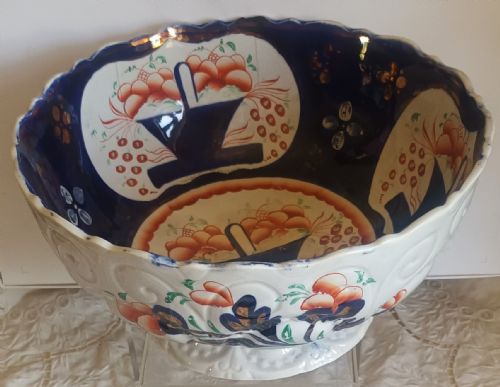
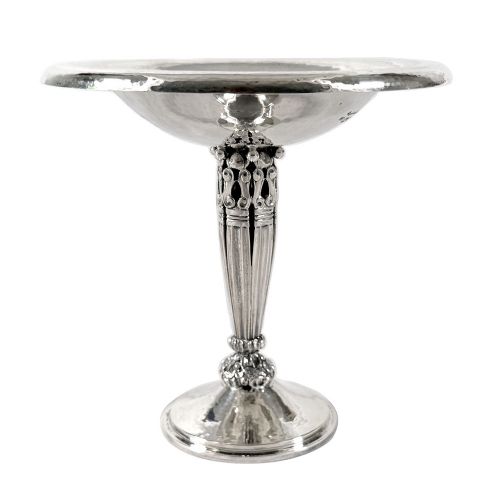
An antique footed fruit bowl serves as a raised vessel designed to display fruit or act as a decorative centrepiece. When exploring this selection, buyers encounter various forms including pedestal bowls, comports, tazzas and centrepieces.
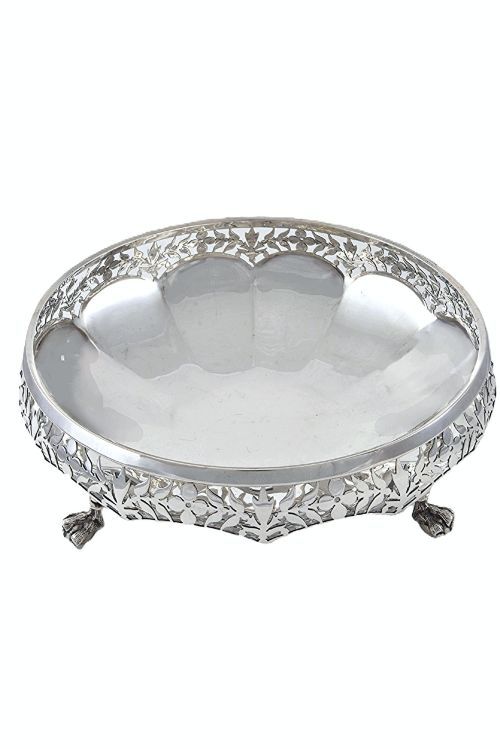
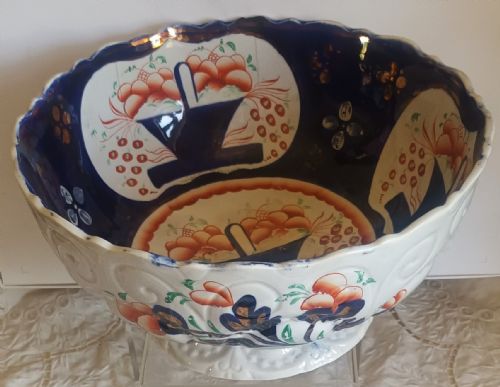
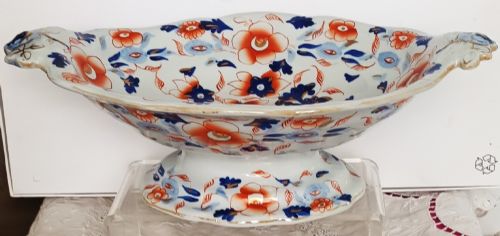
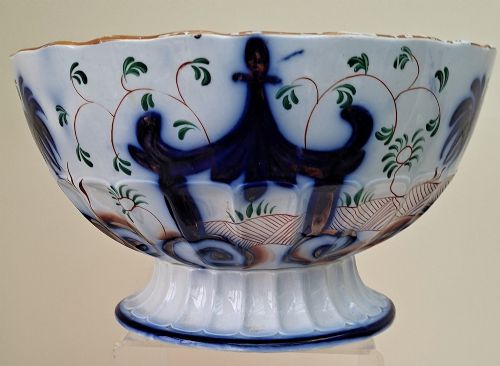
The objects span multiple periods, most notably the Georgian, Victorian, Edwardian and Art Deco eras. Makers utilised diverse materials such as sterling silver, porcelain, ironstone, cut glass and lead crystal to shape these footed vessels.
Originating from English, French, Swiss, Indian and other international workshops, these pieces reflect distinct regional styles like Rococo Revival, Art Nouveau and Anglo-Indian design. The most common survivals on this page bridge domestic utility and ornamental display from the nineteenth and early twentieth centuries.
How They Were Made
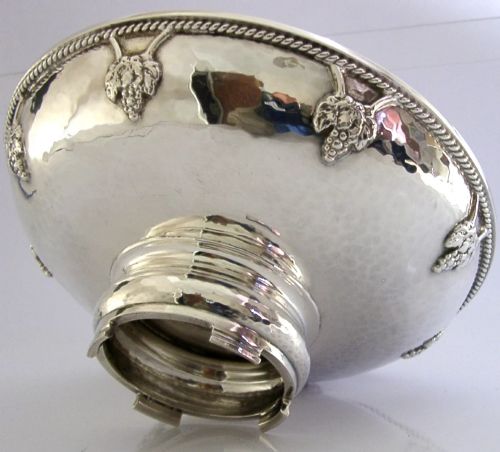
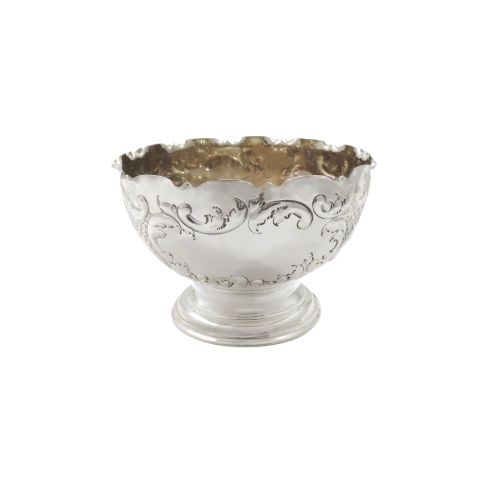
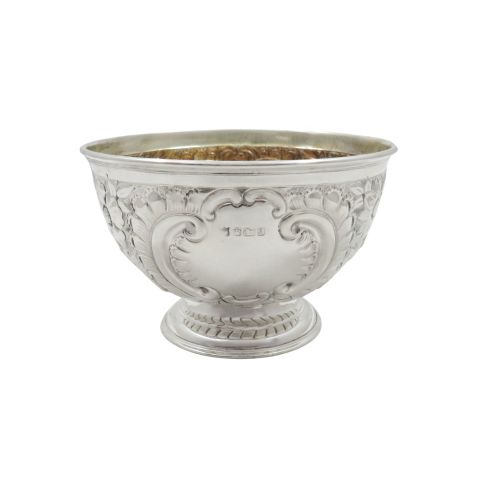
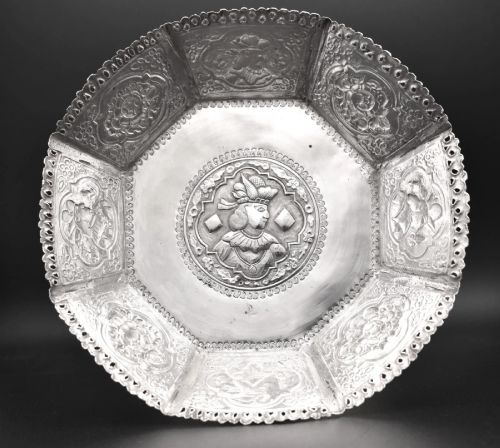
Silversmiths hammered, spun and chased sterling silver and bronze, often employing repoussé and wirework techniques to create ornate, raised bowls and tazzas. Potteries shaped earthenware, ironstone and porcelain, applying transfer prints like blue and white patterns or hand-painted glazes and enamels.
Glassmakers blew lead crystal and glass into moulds before cutting geometric hobnail patterns, engraving surface details, or layering coloured crystal over clear glass. Woodworkers carved organic materials, incorporating musical movements into Swiss fruit bowls.
One exceptional Swiss entry houses a musical movement inside a wooden fruit bowl, blending melody with dessert service.
What Varies in Quality
Quality rests in the crispness of execution, whether in the depth of hand-cut facets on lead crystal, the precision of repoussé silver work, or the definition of applied porcelain flowers and figures. Finer pieces display deliberate proportions where the foot supports the bowl with architectural balance.
Material purity and finishing separate standard production from exceptional examples, visible in the weight of solid silver, the clarity of blown glass, and the hand-painted control of ceramic glazes. Maker attribution and well-preserved surface decoration further distinguish superior works.
Charles Boyton·St Louis glassworks·Schierholz Plaue·R. Lalique·Loetz·Wedgwood
The Antique Footed Fruit Bowl Glossary
- Comport
- A shallow bowl raised on a high foot, traditionally used for serving fruit or sweetmeats at dessert. These pieces often match large dinner services from the Georgian and Victorian periods.
- Tazza
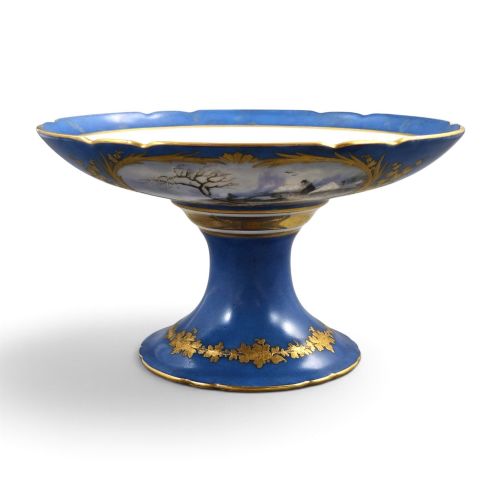
- A small, broad saucer-shaped vessel on a pedestal foot, originating in the Renaissance and revived during the nineteenth century. They function primarily as ornamental centrepieces or serving dishes.
- Repoussé
- A metalworking technique where the artisan hammers the design from the reverse side to create a raised relief on the front. This method appears frequently on silver bowls from various global traditions.
- Hobnail
- A raised, faceted glass-cutting pattern resembling the hobnails on stout boots, popular during the nineteenth century. It catches light across the surface of heavy crystal bowls.
Antique Footed Fruit Bowl: Frequently Asked Questions
What was a footed fruit bowl used for?
These vessels held fresh fruit for dining room display or served sweetmeats and desserts during formal meals. Their elevated design allowed dishes to sit above other table settings.
Over time, many transitioned into pure decorative centrepieces for sideboards and entrance halls, valued for their sculptural presence.
How do I style an antique bowl at home?
Place a pedestal bowl or comport in the centre of a dining table, either empty to showcase the craftsmanship or filled with seasonal fruit. Silver and crystal pieces reflect ambient light effectively.
Ensure heavy ceramic or glass bowls rest on stable surfaces away from edge hazards. Pair ironstone or pottery bowls with complementary tableware for a cohesive display.
How can I tell a Georgian bowl from a Victorian one?
Georgian pieces often display restrained neoclassical elegance, heavier ironstone bodies, or early cut crystal characteristics typical of the eighteenth and early nineteenth centuries. Their forms tend to be more classical.
Victorian and later pieces frequently introduce eclectic revival styles, bolder colour palettes like Gaudy Welsh pottery, or elaborate silver repoussé work characteristic of industrial-era manufacturing.
What is the difference between a comport and a tazza?
A comport generally refers to a larger, sturdier footed bowl intended for serving fruit or confectioneries at the table. They are common in ceramic and glass.
A tazza is typically shallower and often rendered in silver or fine porcelain, functioning more as an ornamental display dish or pedestal platter.